10 Modern Cozy Living Room Ideas That Don’t Sacrifice Comfort for Style
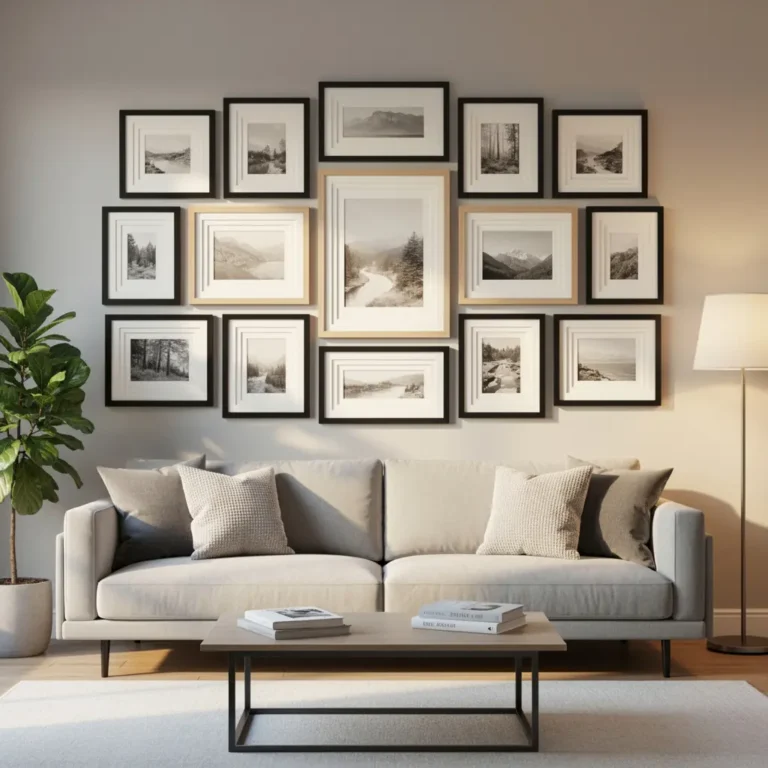
You’ve seen the perfectly styled living room photos, the ones that look incredible but seem like sitting on that sofa would be a mistake. Modern cozy living room ideas solve that exact tension. The goal for 2026 isn’t choosing between sleek and comfortable anymore. It’s building a room that can host guests on a Saturday and still be where you actually want to collapse on a Tuesday night. Design coverage keeps circling back to the same theme this year: formal, stiff living rooms are fading out, replaced by low-profile furniture, mixed materials, and layouts built around how people genuinely use the space. Here’s what that actually looks like once it’s in a real room.
1. Bring the Furniture Down Low
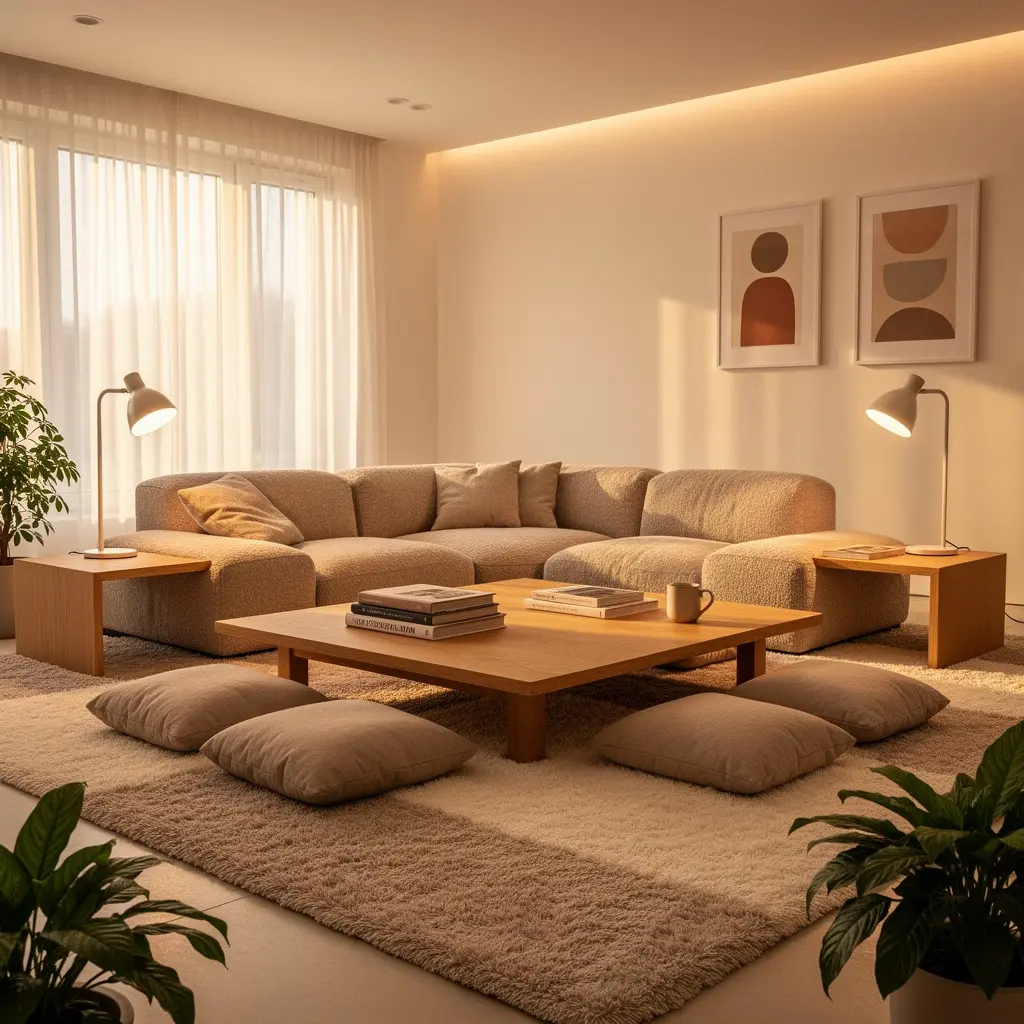
Height matters more than people realize. A room full of tall-backed, upright chairs reads as formal almost automatically, even if the fabric and color say otherwise.
Low-slung sofas and lounge chairs do the opposite. They pull the eye down, open up the space above them, and invite you to sink in rather than sit up straight. One hotel lounge design specifically built around this idea used low-level chairs to create what the designers called the feel of “a curator’s private home,” elegant, but genuinely relaxing. You don’t need a hotel budget to borrow the concept. A single low-profile chair swapped in for a tall, stiff one changes the whole tone of a seating area.
2. Mix Wood Tones Instead of Matching Them
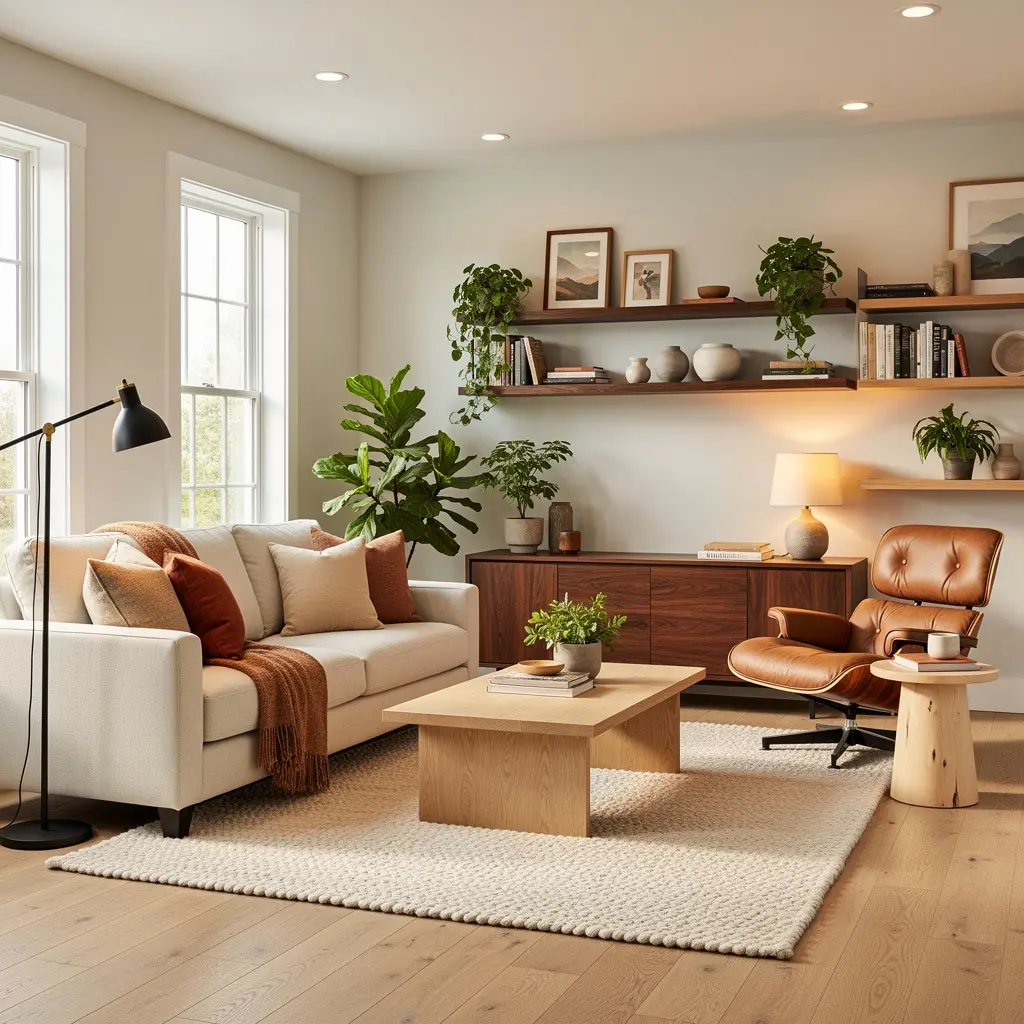
For years the advice was to match every wood surface in a room to the same finish. That’s reversed. Combining light oak with walnut or ash, rather than keeping everything uniform, is one of the more consistent living room trends showing up across 2026 coverage.
Why Mixed Tones Work Better Than Matched Ones
A single wood tone repeated everywhere can flatten a room. Two or three tones, used deliberately, add depth and make the space feel collected rather than bought as a set. If your existing furniture is all one wood tone already, you don’t need to replace anything. Adding a single piece in a contrasting tone, a side table, a shelf, does the job.
3. Choose a Warm Neutral Base Over Cool Gray
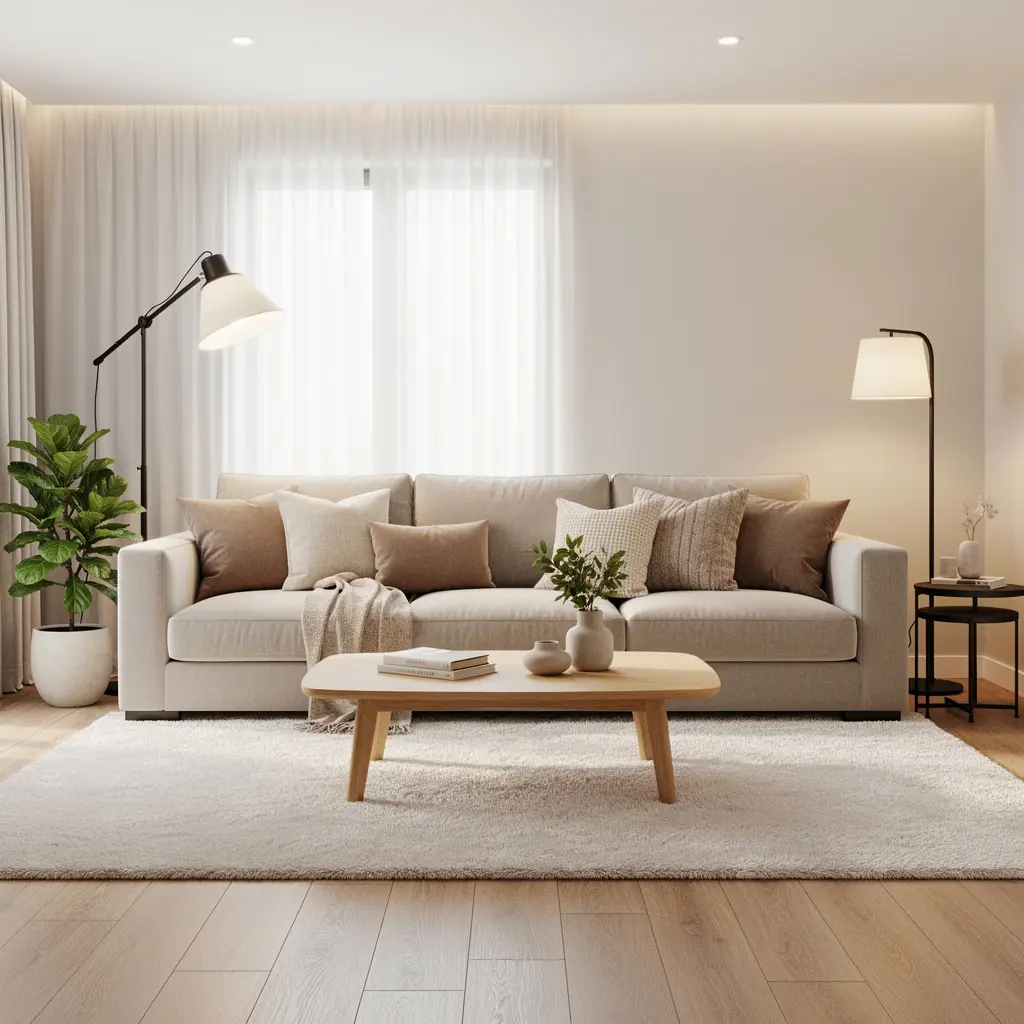
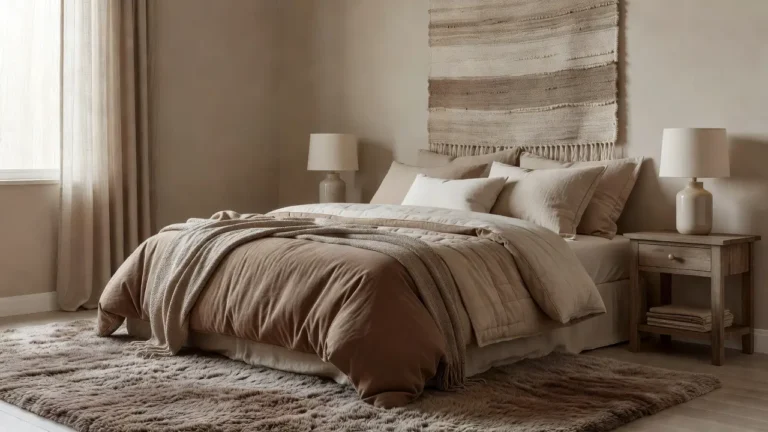
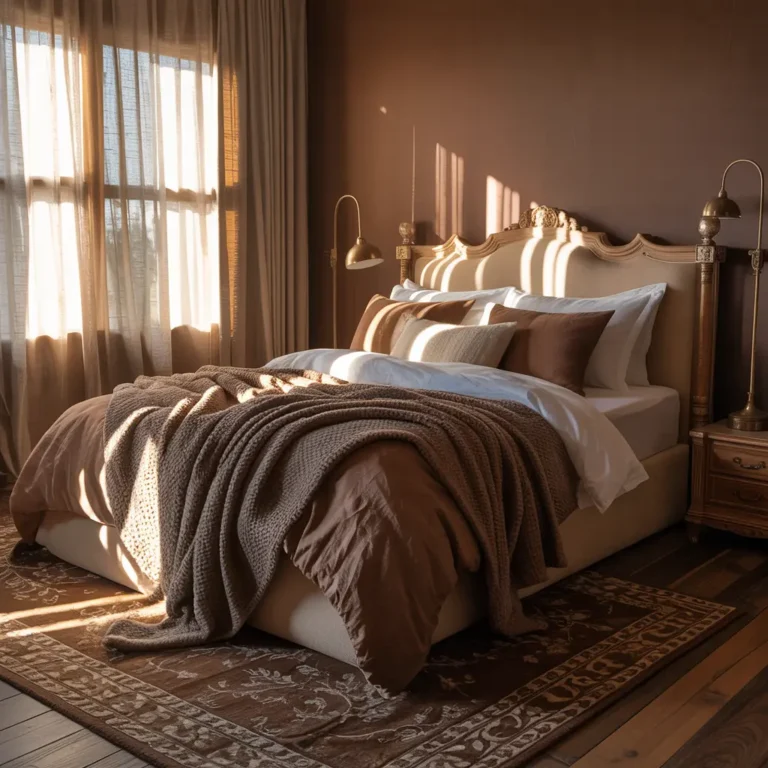
Cool grays and stark whites, the dominant palette of the last several years, are giving ground to warmer neutrals. Mushroom, soft beige, warm taupe. These tones read as considerably more inviting, and they still function as a genuine neutral you can build almost anything on top of.
Warm neutrals also do something practical that cool ones don’t: they shift with the light through the day, feeling brighter in the morning and cozier once the sun goes down. Pairing them with natural wood and textured fabric is what current design coverage points to most consistently for 2026, rather than leaving a warm wall color to sit against cold, glossy surfaces.
4. Layer Lighting Instead of Relying on One Fixture
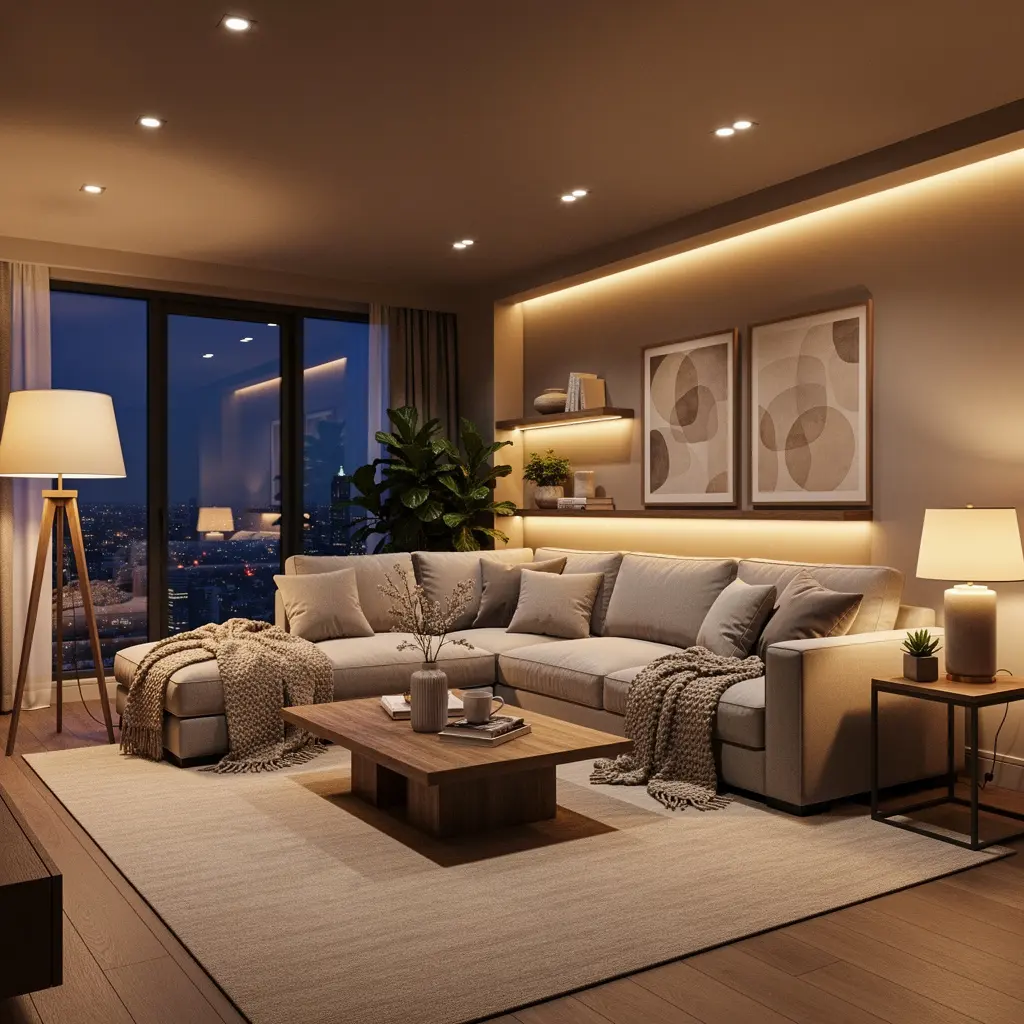
A single overhead light does more to make a room feel formal and a little flat than almost any other decision. Layered lighting, several smaller sources at different heights, is one of the clearest differences between a living room that photographs well and one that actually feels good to sit in after dark.
Building the Layers
A floor lamp near a reading chair. A table lamp with a warm bulb. Concealed or hidden lighting tucked behind shelving or along a wall, something a few 2026 design roundups specifically call out as a source of quiet, ambient warmth. None of this requires an electrician in most cases. A couple of well-placed lamps handle most of the work.
5. Mix Materials Within the Same Piece of Furniture
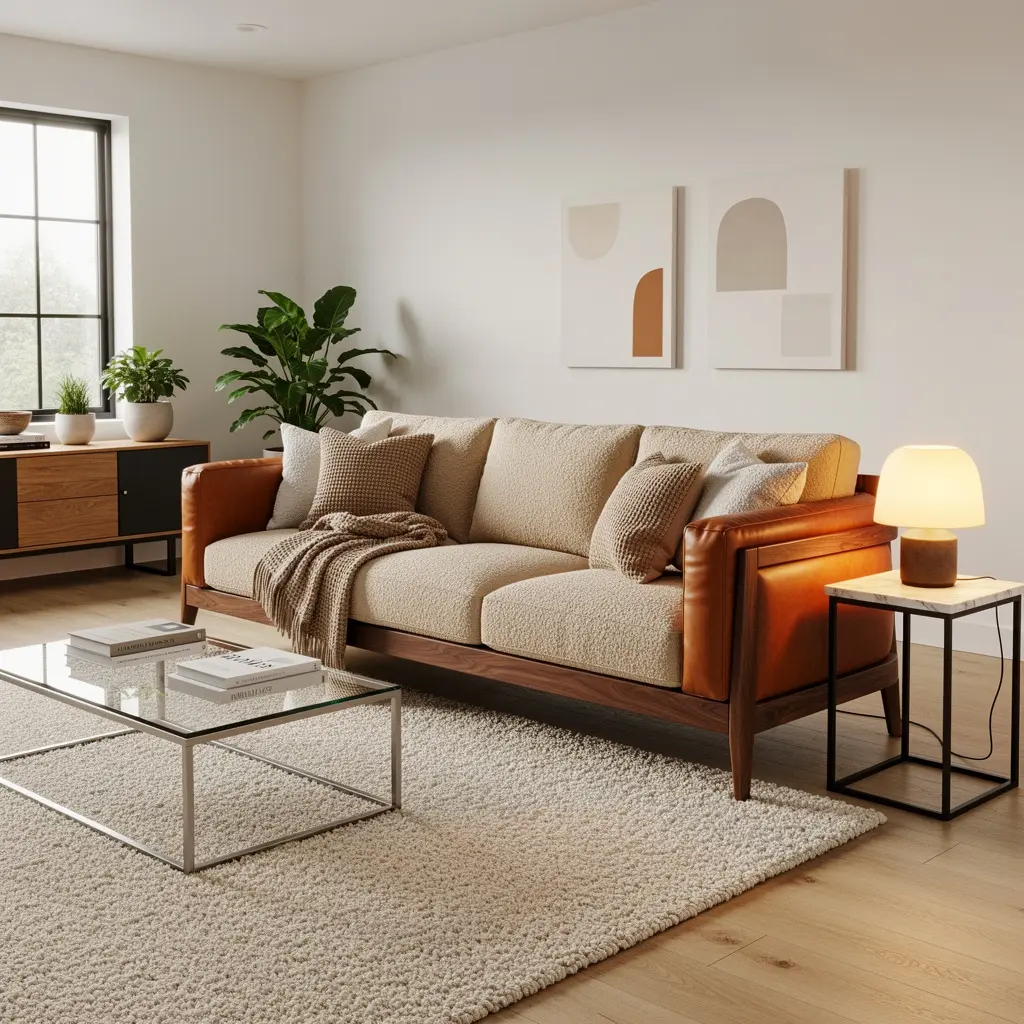
A sofa with a wood frame. Woven accents on a chair. Metal legs under something upholstered. Furniture that blends materials within a single piece, rather than an entire room built from one material category, reads as more layered and considerably less like a matched showroom set.
This matters even if you’re not buying new furniture. A woven throw over a leather chair, a metal tray on a wood coffee table, brings in the same mixed-material effect without a full furniture purchase.
6. Build the Room Around How You Actually Use It
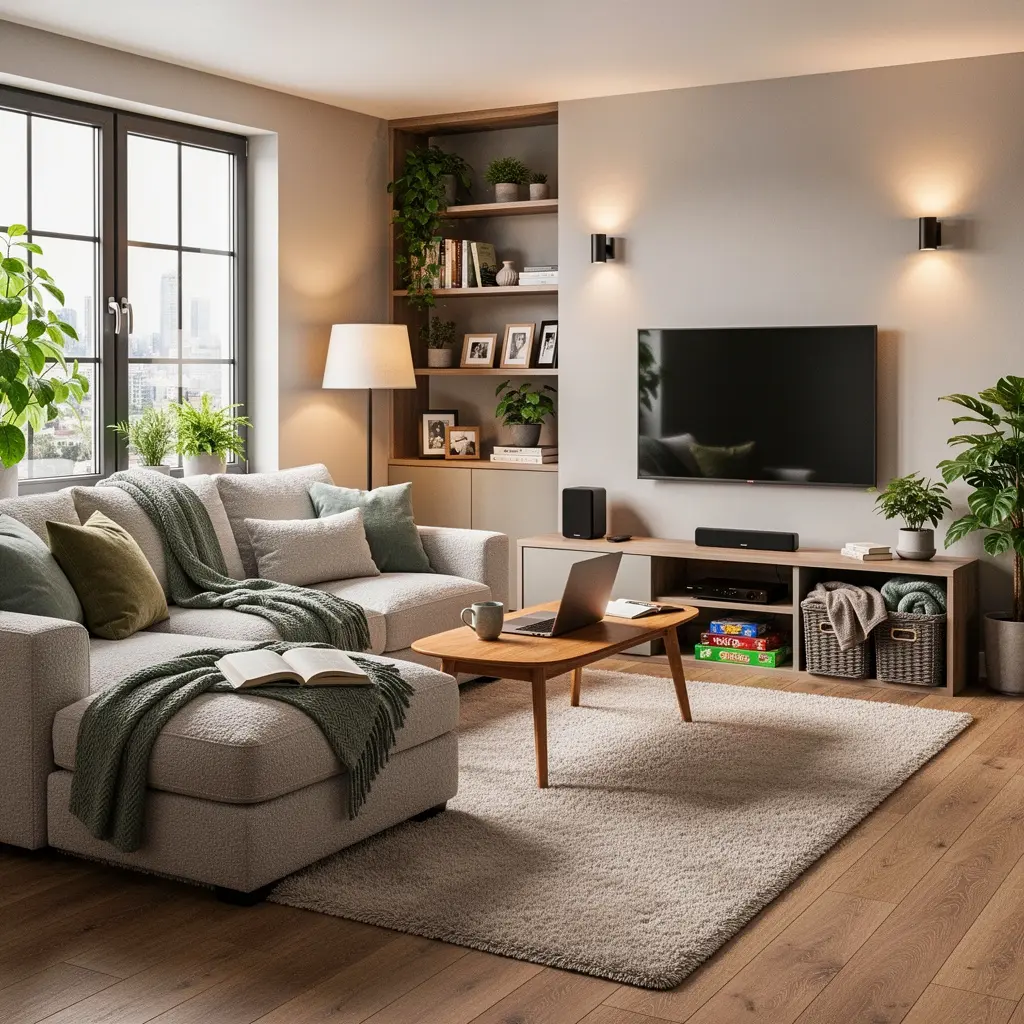
Formal living rooms, arranged around one fixed focal point with seating that never moves, are fading fast. What’s replacing them: seating positioned for actual conversation, TV watching, and relaxing, often with more than one distinct zone in a single room.
A central coffee table or a soft ottoman anchors this kind of layout well, giving the room a flexible middle point rather than a single rigid arrangement. If your current setup has every chair facing one direction toward a TV and nothing else, breaking that up, even slightly, into a couple of smaller groupings tends to make a room feel more like it’s meant to be lived in.
7. Add Natural Stone in Small, Deliberate Doses
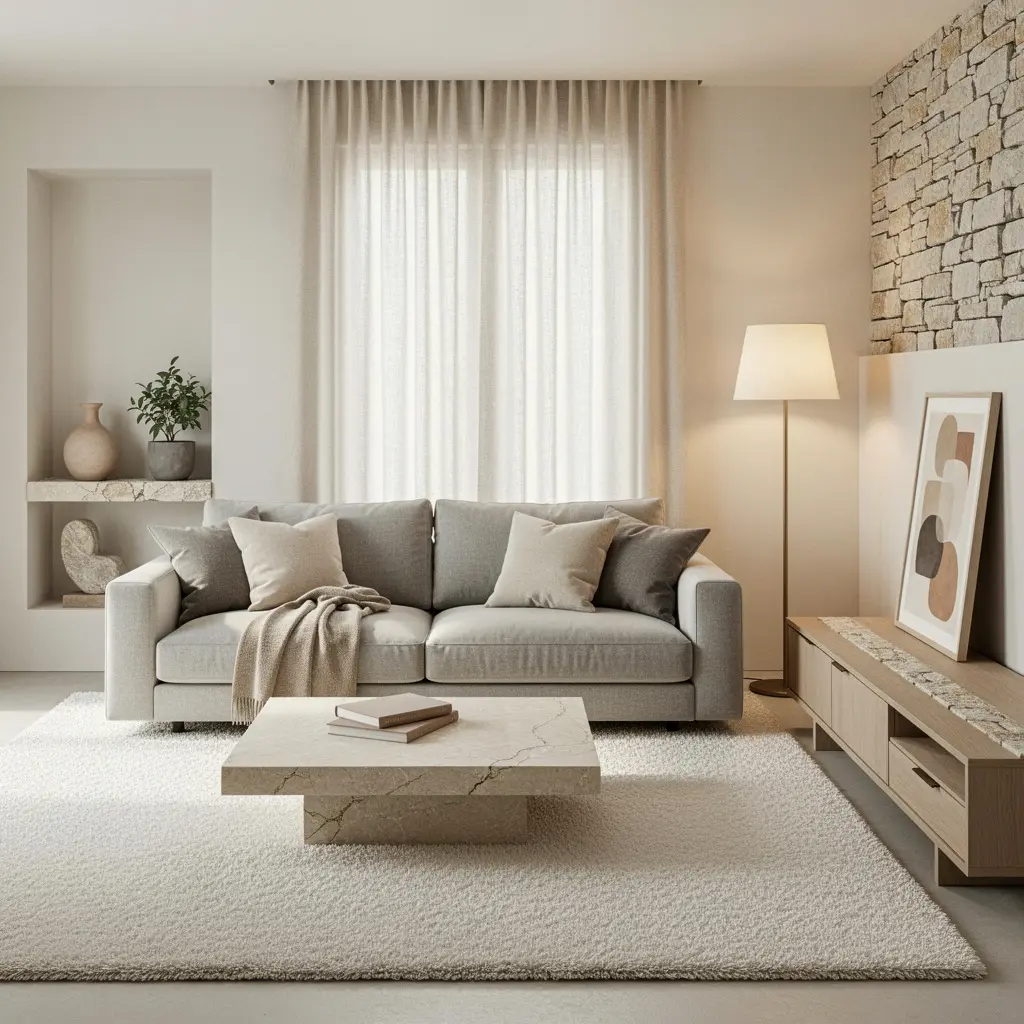
Stone coffee tables, side tables, decorative trays. Natural stone has moved from countertops into smaller furniture pieces, adding texture and durability without requiring a full room commitment.
Mixing stones, rather than sticking to one type throughout, is specifically called out in current coverage as adding textural and color-led interest. A single stone side table next to an otherwise wood-and-fabric room does more than people expect for how grounded the space feels.
8. Choose Personal Objects Over Trend-Driven Decor
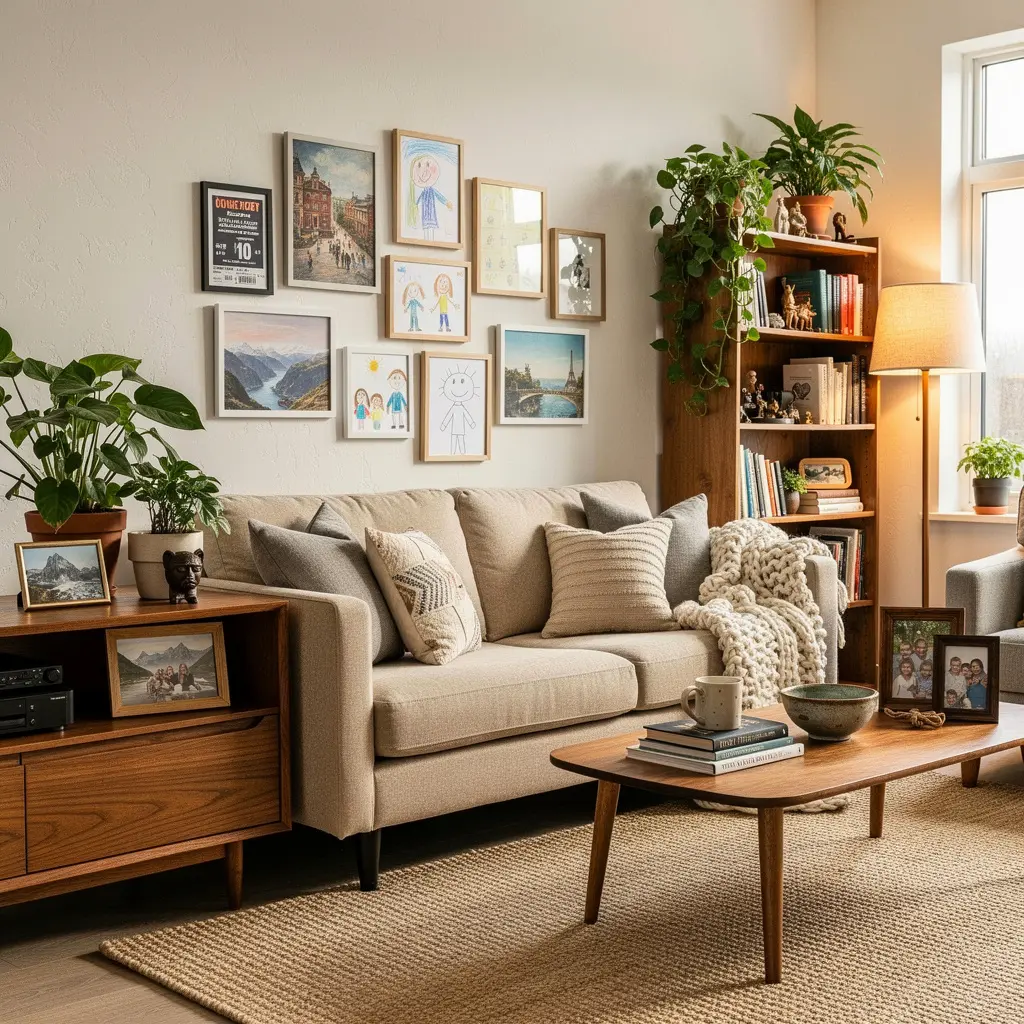
The single biggest shift for 2026, according to multiple design sources, is toward rooms filled with what someone actually loves rather than whatever’s currently trending. Books you’ve read. Art that means something. Objects with an actual story.
Why This Matters More Than It Sounds Like It Should
A room built entirely from matching, purchased-as-a-set decor can look complete and still feel hollow. A shelf with three or four objects that genuinely mean something to you does more visual and emotional work than ten generic decorative pieces bought to fill space. This is also, practically speaking, the cheapest item on this whole list. You already own most of what belongs here.
9. Soften Hard Architecture With Curves
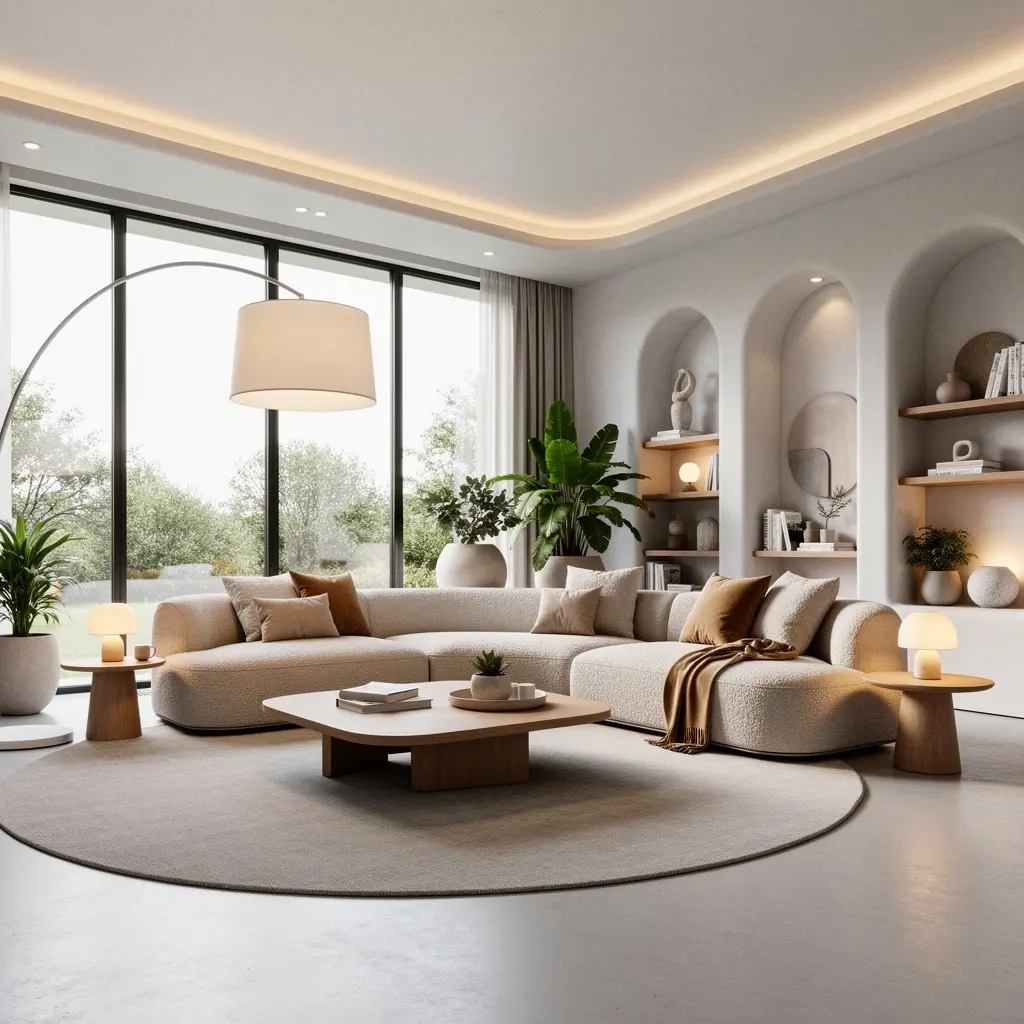
Sharp corners and rigid lines are giving way to rounded edges, arched doorways, and softer furniture silhouettes throughout current 2026 coverage. A room built entirely from straight lines and hard angles can feel a little cold even with warm colors layered on top.
A single curved chair, a round coffee table instead of a rectangular one, or an arched mirror introduces this softness without requiring architectural changes. It’s a small shift, but it changes how a room feels to move through, not just how it looks in a photo.
10. Let Plants Do More Than Decorate a Corner
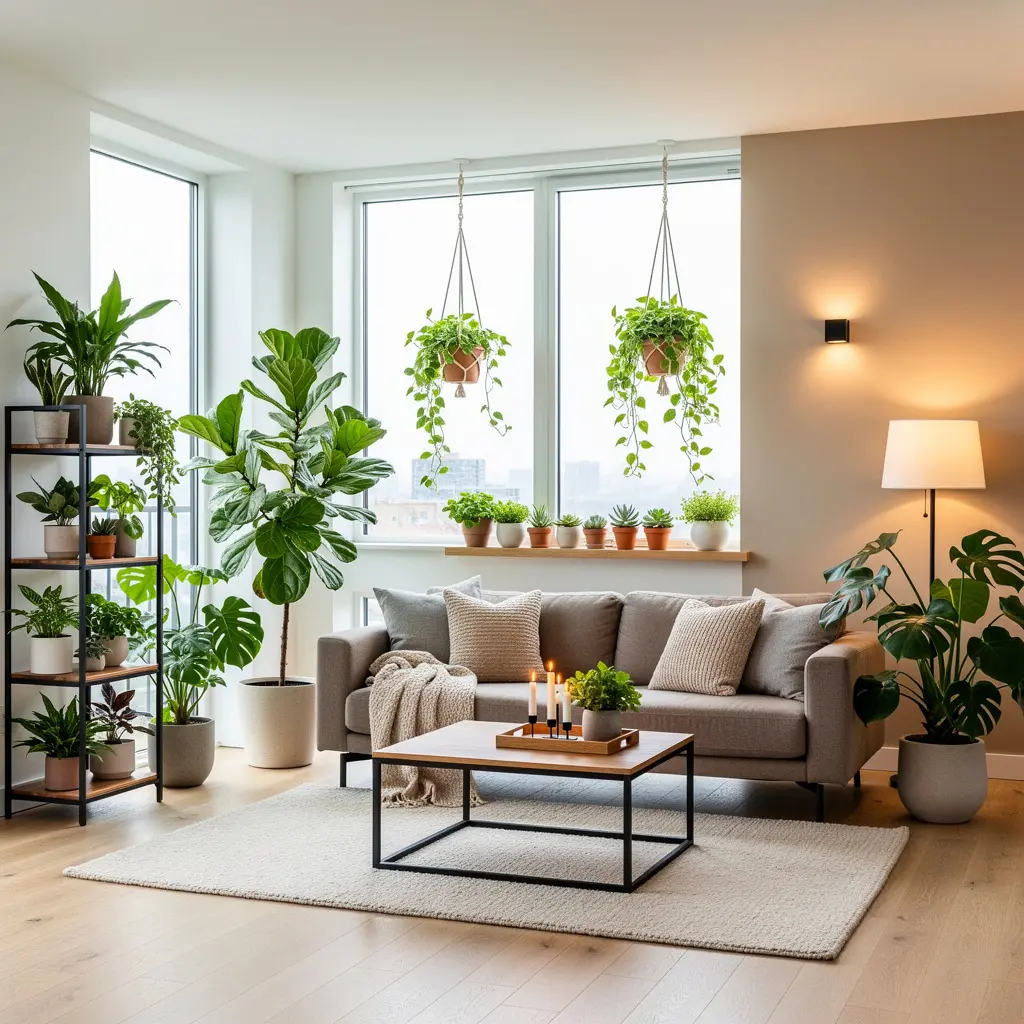
A sculptural plant, placed deliberately rather than tucked into an unused corner as an afterthought, breaks up rigid lines the same way curved furniture does. One design writeup specifically credited a large plant with helping a built-in shelving unit feel “curated but still lived-in.”
Position matters here more than quantity. One well-placed plant, chosen for its shape and scale relative to the furniture around it, does more than several smaller ones scattered without much thought.
Mistakes to Avoid
- Keeping every piece of furniture at the same height. A room of uniformly tall, upright furniture reads as stiff and formal, even with warm colors.
- Matching every wood tone in the room exactly. Mixed tones, used deliberately, add depth that a single matched finish can’t.
- Relying on one overhead light. Layered lighting from lamps and hidden sources does more for a room’s mood than a single bright fixture.
- Buying decor purely because it’s trending. Personal, meaningful objects consistently outperform trend-driven purchases for how a room actually feels.
- Sticking to only straight lines and sharp corners. A single curved piece softens a room’s whole feel without any structural change.
- Placing a plant as an afterthought. A deliberately positioned, well-scaled plant does more than several scattered without intention.
Frequently Asked Questions
What colors work best for a modern cozy living room in 2026? Warm neutrals, mushroom, soft beige, warm taupe, are replacing cool grays and stark whites, since they read as more inviting and shift naturally with the light throughout the day.
Do I need to buy new furniture to get this look? Not necessarily. Mixing in a single low-profile chair, a contrasting wood tone piece, or a stone side table can shift a room’s overall feel without a full furniture replacement.
How do I make a formal living room feel less stiff? Lowering furniture height, breaking a single rigid seating arrangement into a couple of smaller conversational groupings, and adding layered lighting instead of one overhead fixture are the changes that make the biggest difference.
Is mixing wood tones actually a good idea, or does it look messy? When done deliberately, two or three wood tones add depth and make a room look collected rather than matched from a single set. It only reads as messy when there’s no consistency anywhere else in the room to tie it together.
What’s the easiest, cheapest change to make first? Swapping harsh overhead lighting for a couple of warm-toned lamps and displaying a few genuinely personal objects instead of purely decorative ones are both low-cost changes with a real impact on how the room feels.
Bringing It All Together
Modern cozy living room ideas for 2026 come down to one real shift: rooms built for actual living, not just photographing well. Starting with lower furniture, a warm neutral base, and layered lighting solves most of what makes a living room feel stiff or unused. From there, mixed wood tones, a bit of natural stone, and objects that genuinely mean something to you turn a good foundation into a room that looks intentional and still feels like yours to relax in.