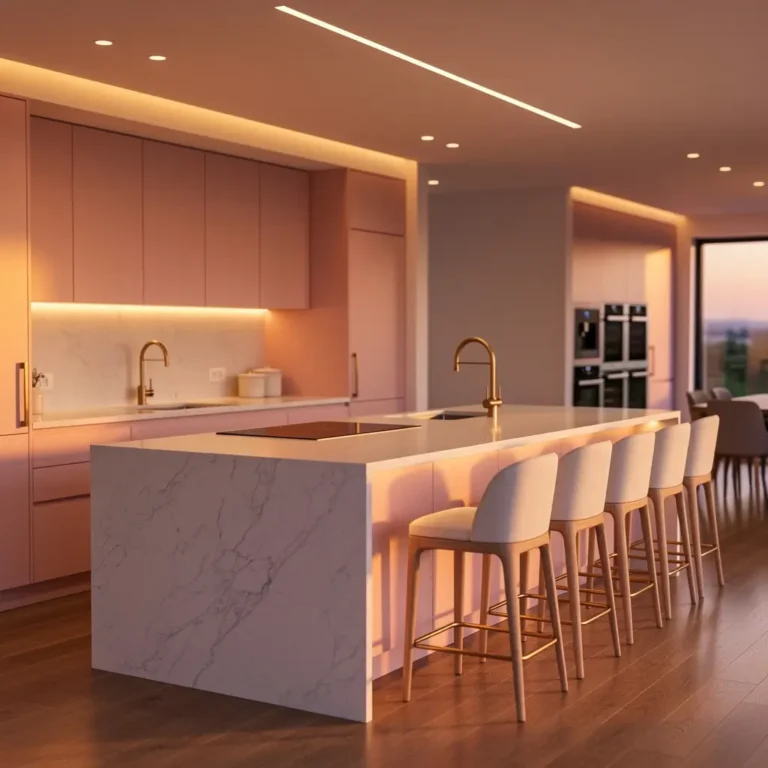
10 Terracotta Kitchen Accent Ideas for a Warm, Earthy Space
Your kitchen looks clean and functional, white cabinets, stainless appliances, gray countertops, but it feels a bit cold and impersonal, like a kitchen from a listing photo rather than a room you actually enjoy cooking in. Terracotta kitchen accent ideas are one of the most effective ways to warm up a kitchen without a full renovation, since the color’s earthy, clay based warmth pairs naturally with the practical materials most kitchens are already built from.
This guide covers ten specific ways to bring terracotta into a kitchen as an accent, along with the pairing mistakes that make terracotta look out of place instead of intentional. Kitchens tend to lean heavily on neutral, practical finishes by default, white cabinets, stainless steel, gray or white countertops, which is exactly why a warm accent color like terracotta makes such a noticeable difference even in small doses.
1. Start With Terracotta Pottery on Open Shelving
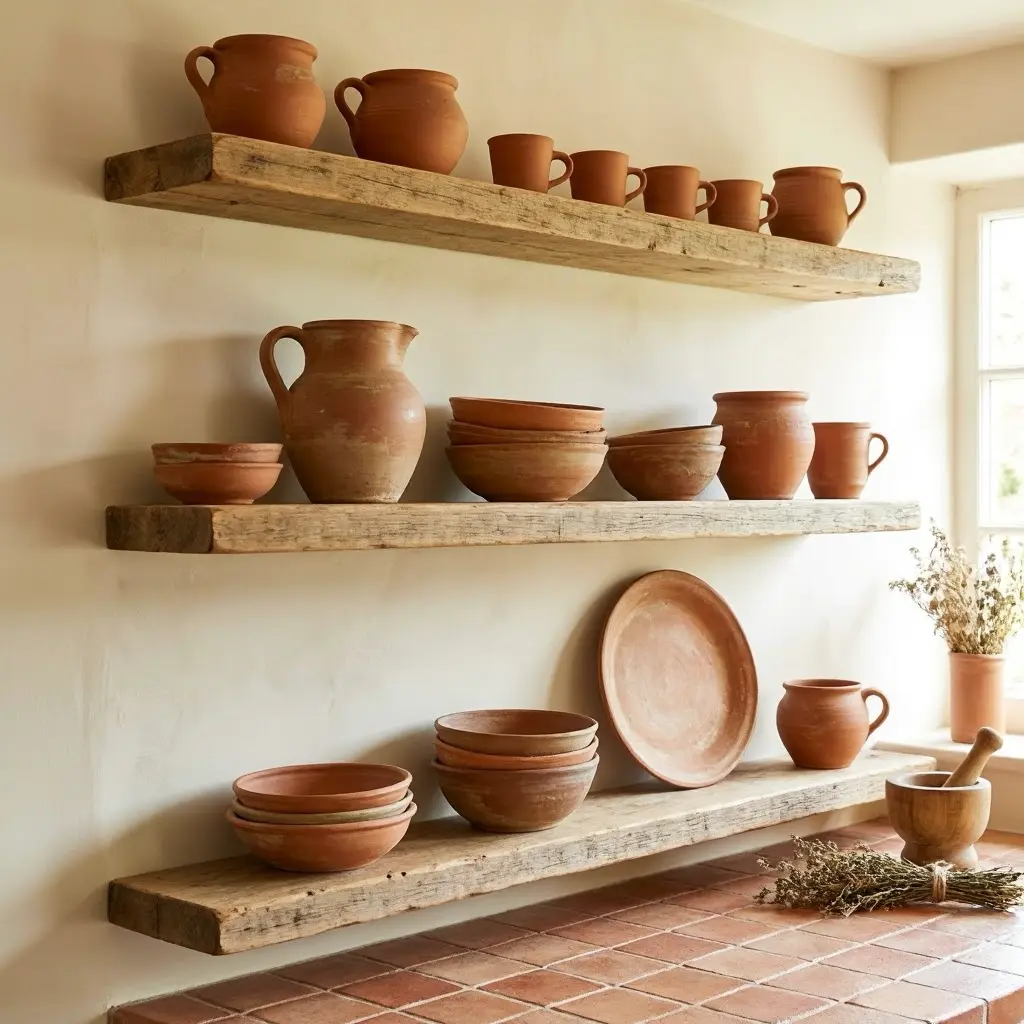
If your kitchen has open shelving or even just a section of counter you can dedicate to styled items, a few terracotta pieces, a pitcher, a bowl, a set of small planters, introduce the color in the lowest commitment way possible. This works especially well since terracotta pottery is functional as well as decorative, so it doesn’t just sit there purely for looks, and it’s easy to rotate pieces in and out as you find new ones without disrupting the rest of the kitchen.
Arranging Pottery for Visual Balance
Grouping pieces in odd numbers, generally three, and varying their height slightly creates a more visually interesting display than lining up matching pieces in a single row.
2. Add a Terracotta Tile Backsplash
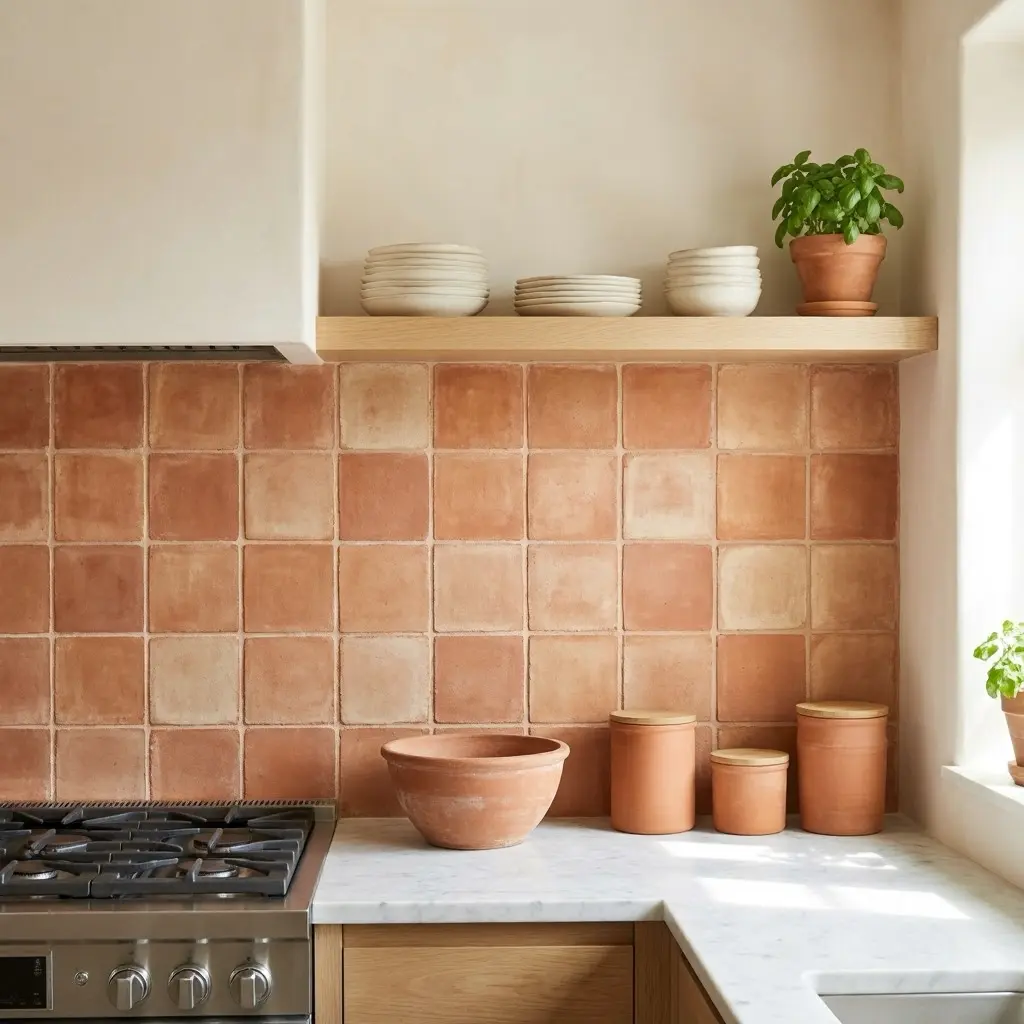
For a more permanent update, a terracotta tile backsplash, whether a classic subway shape or a more textured, handmade look, brings the color in as a defining feature of the kitchen rather than a small accent. This tends to work particularly well paired with white or cream cabinetry, where the contrast lets the terracotta really stand out, and it holds up to daily kitchen use far better than a painted wall would in the same high splash, high heat zone.
3. Introduce Terracotta Through Dinnerware
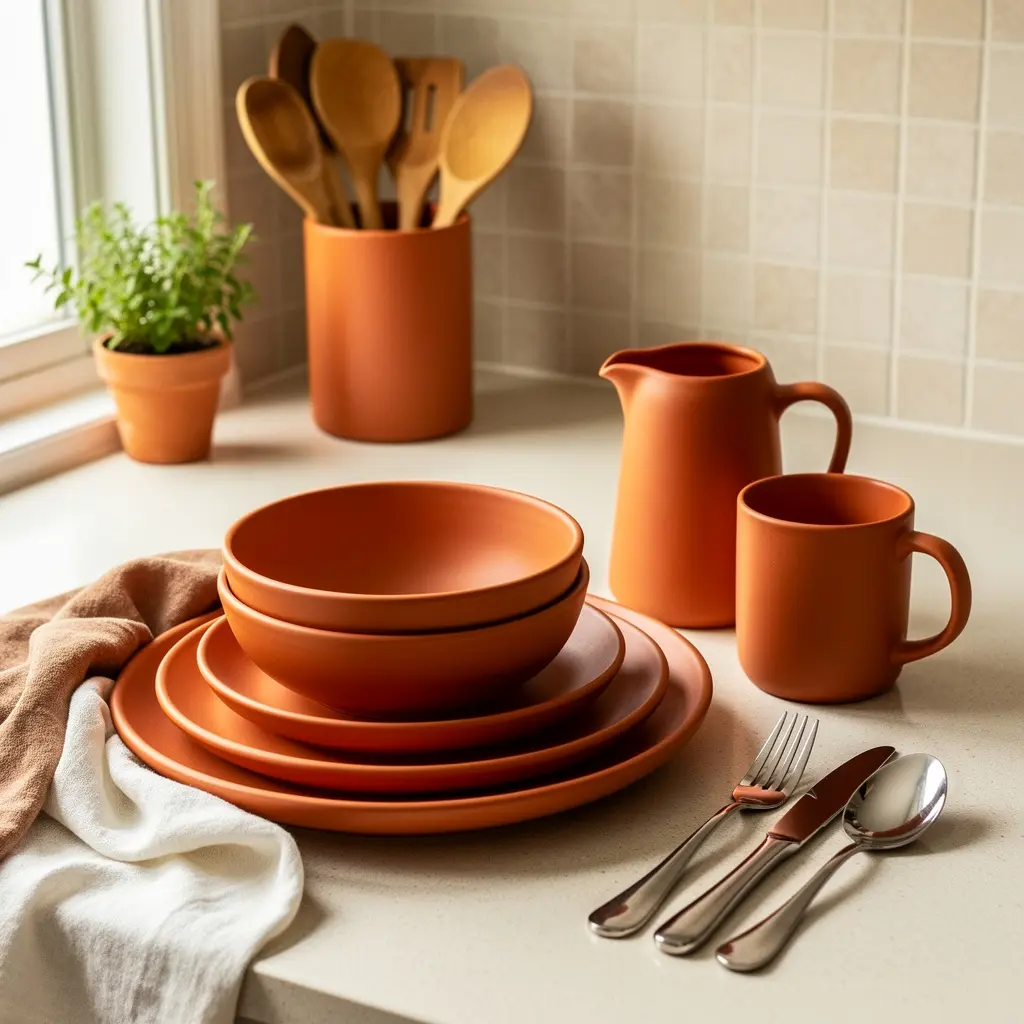
A set of terracotta toned dinnerware, plates, bowls, mugs, is one of the easiest ways to bring warmth into a kitchen that gets used and put away regularly rather than one being permanently on display. Even displayed on open shelving or behind glass cabinet doors, a stack of terracotta plates adds color without requiring any structural changes.
4. Use Terracotta Planters for a Kitchen Herb Garden
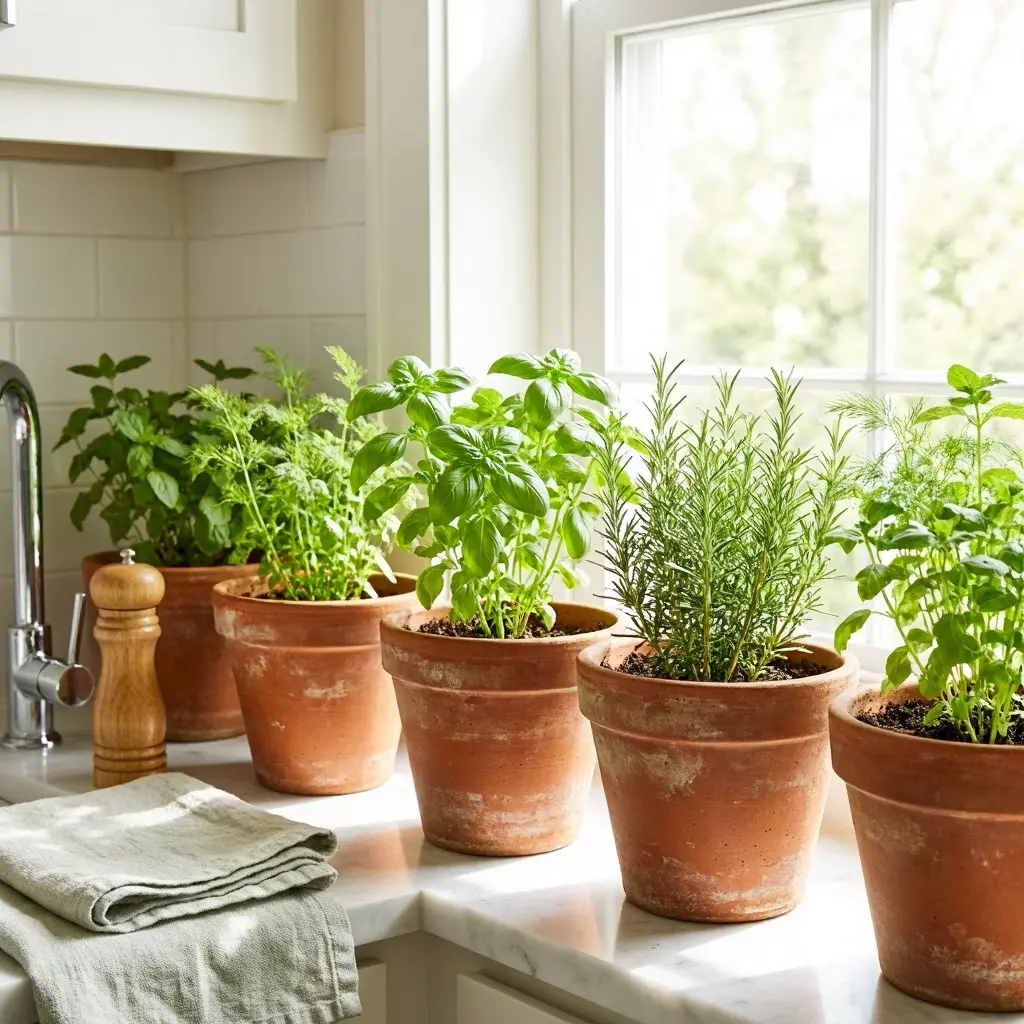
A row of terracotta pots holding fresh herbs, basil, rosemary, thyme, on a windowsill or open shelf serves a practical purpose while reinforcing the earthy, warm palette. This is one of the more functional terracotta accents on this list, since it also gives you fresh herbs for cooking rather than existing purely as decor.
Best Placement for Herb Pots
A spot with at least four hours of direct sunlight, generally a south or west facing window, keeps most common kitchen herbs thriving in terracotta pots, which are naturally porous and help prevent overwatering issues, one of the more common reasons herb gardens fail indoors in the first place.
5. Choose a Terracotta Toned Rug or Runner
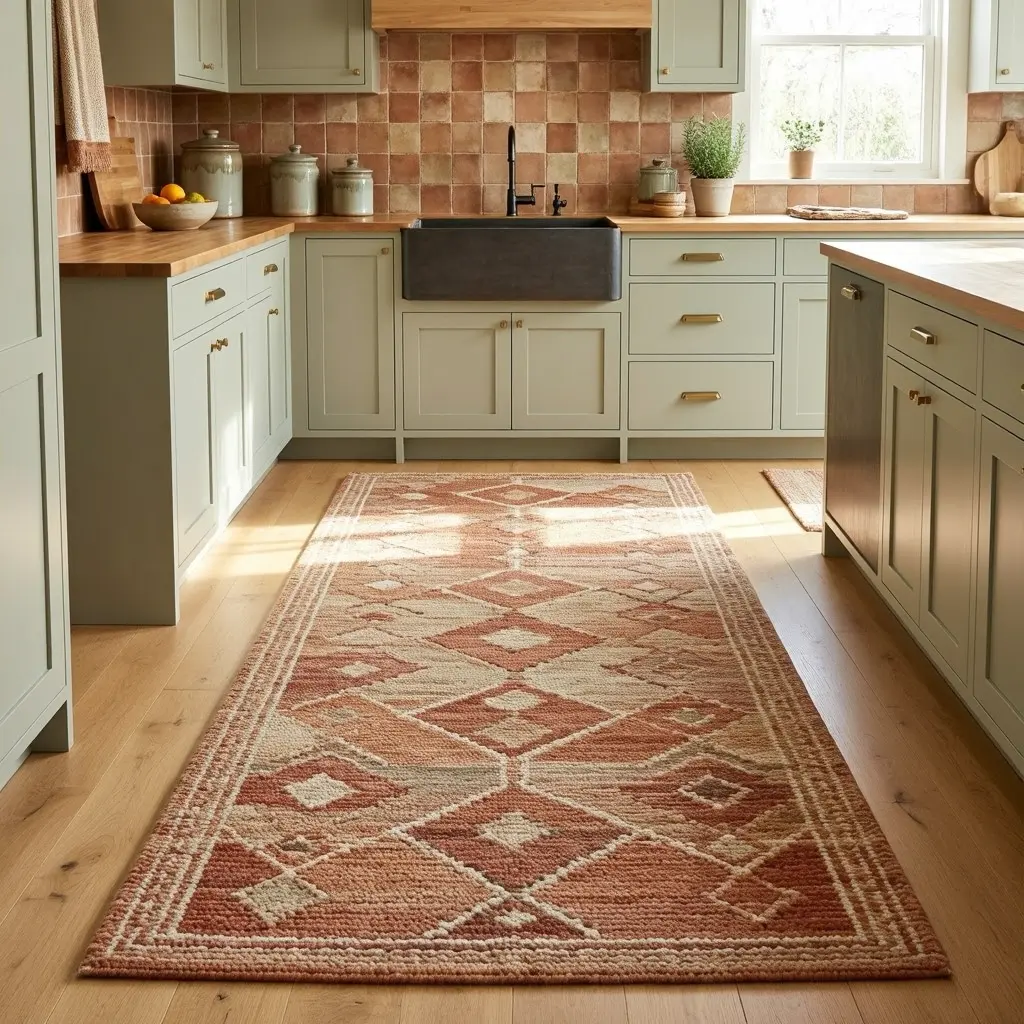
A kitchen runner in a muted terracotta tone adds warmth underfoot and introduces the color across a large surface area without needing to alter any permanent fixtures. This works particularly well in front of a sink or stove, the areas where you spend the most time standing while cooking.
6. Add Terracotta Through a Statement Range Hood or Vent Cover
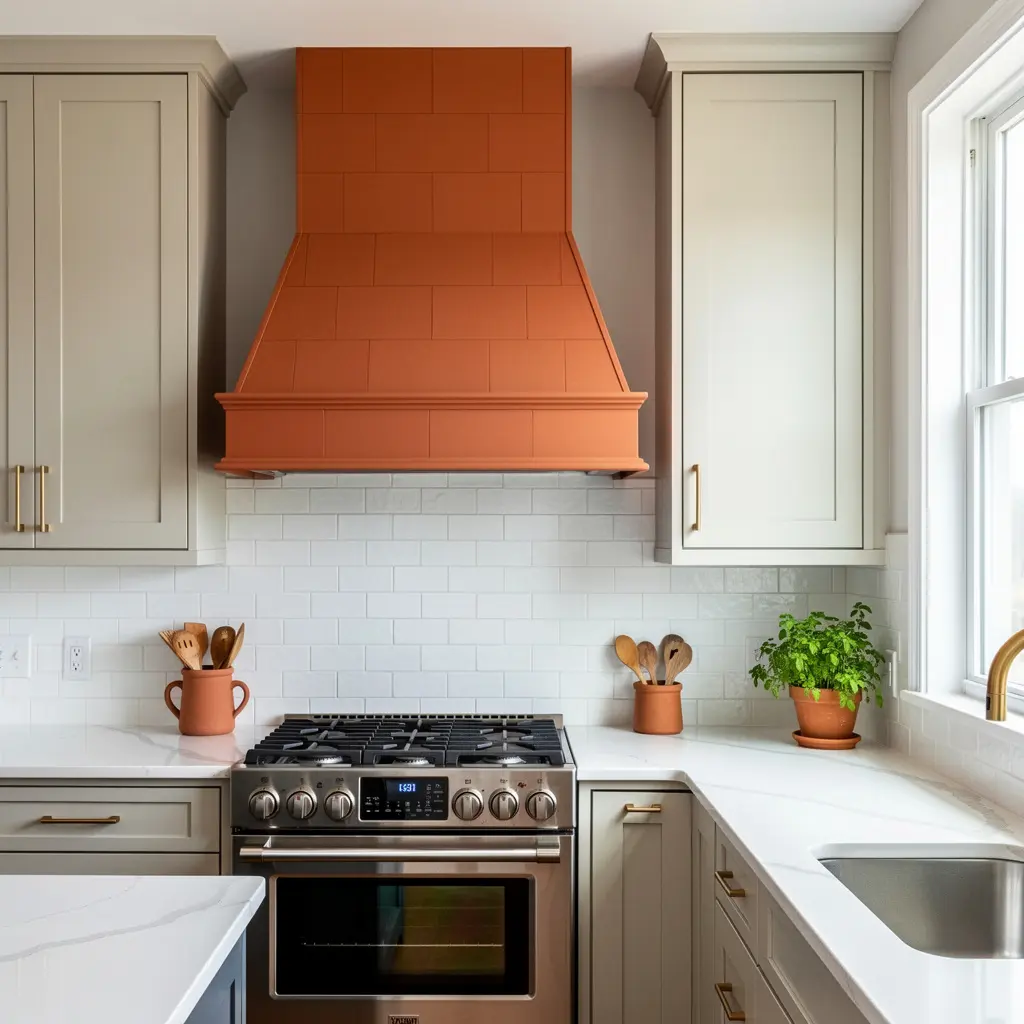
For kitchens undergoing a more significant renovation, a terracotta colored range hood or a custom vent cover in a warm clay tone can become a genuine focal point of the room, similar to how a bold backsplash or an accent wall functions in other rooms of the home.
7. Pair Terracotta With Brass or Warm Gold Hardware
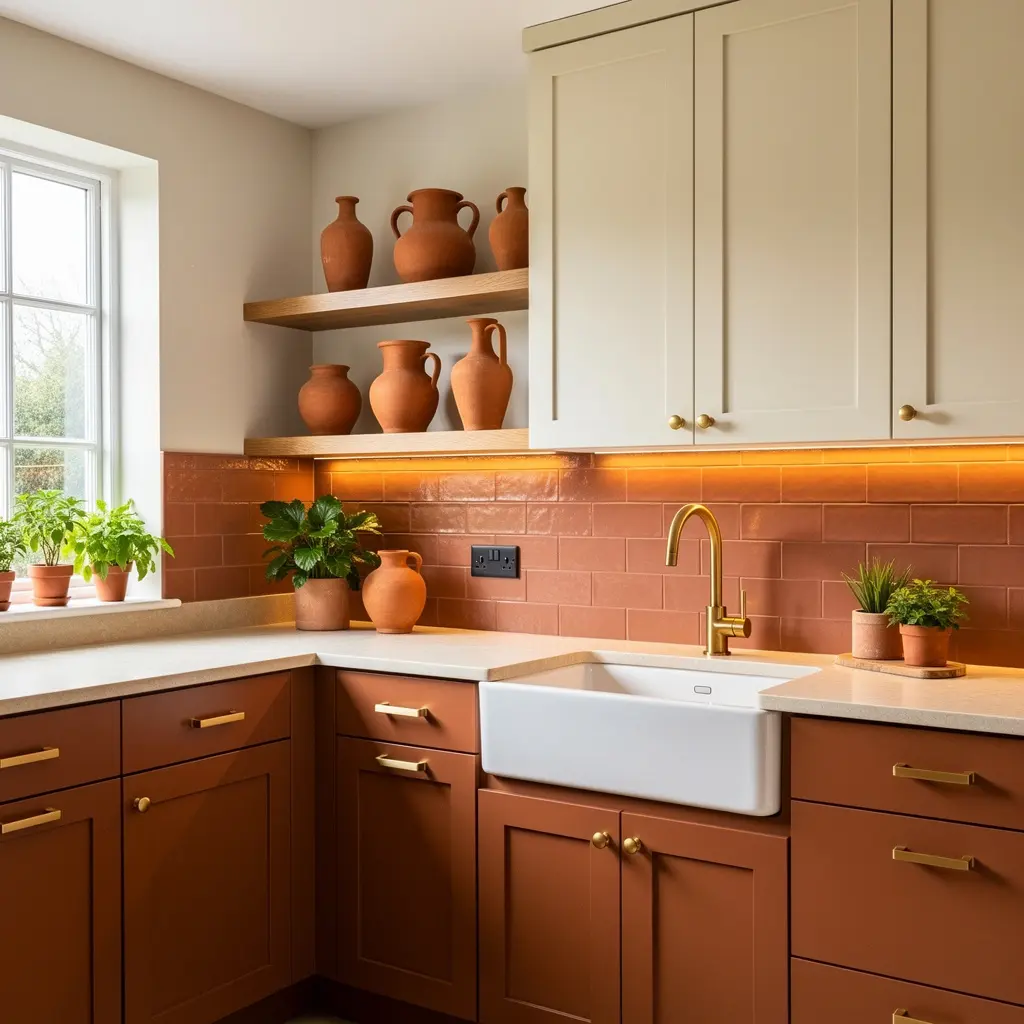
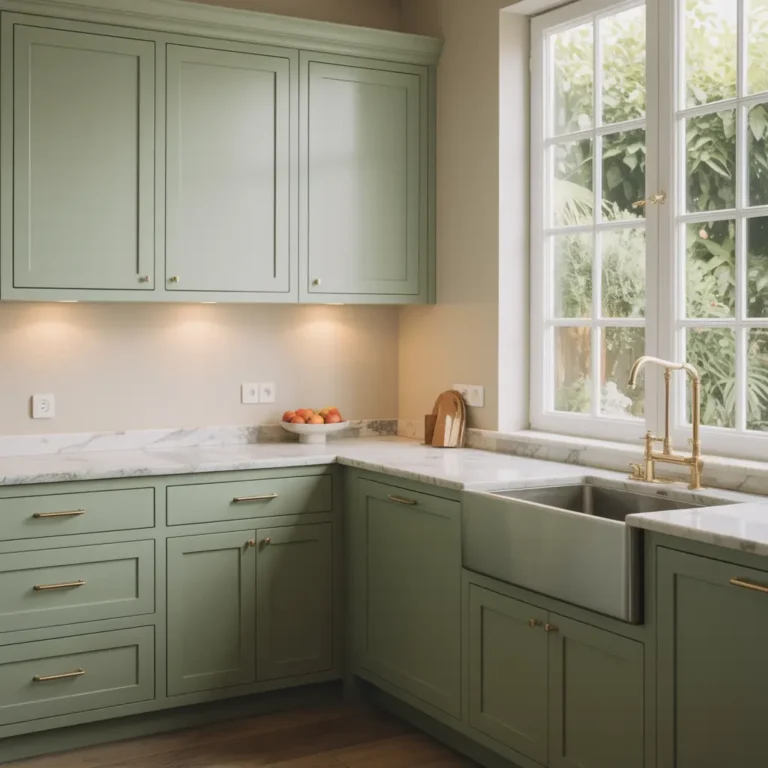
Cabinet pulls, faucet finishes, and pendant light fixtures in brushed brass or warm gold complement terracotta accents far better than cool toned chrome or brushed nickel, since the warmth of the metal reinforces rather than fights against the warmth of the color.
A Small Swap With Real Impact
Simply replacing cabinet hardware is one of the more affordable kitchen updates available, and pairing new brass pulls with existing terracotta accents can meaningfully shift how warm the whole kitchen feels.
8. Bring in Terracotta Through Woven Textiles
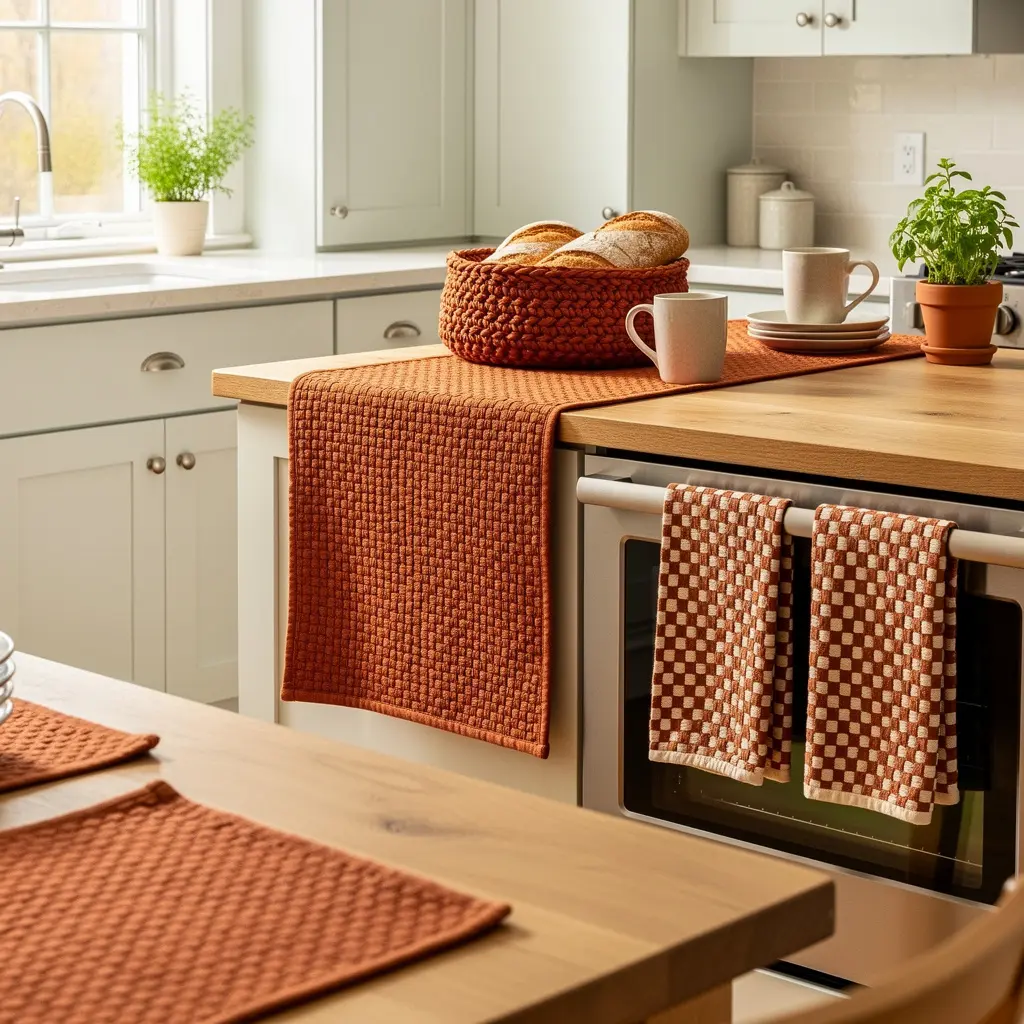
Terracotta toned dish towels, oven mitts, or a woven table runner in an earthy clay tone are inexpensive, low commitment ways to bring the color in, and they can be rotated out seasonally if you want to shift the palette slightly throughout the year.
9. Use Terracotta Accent Stools at a Kitchen Island
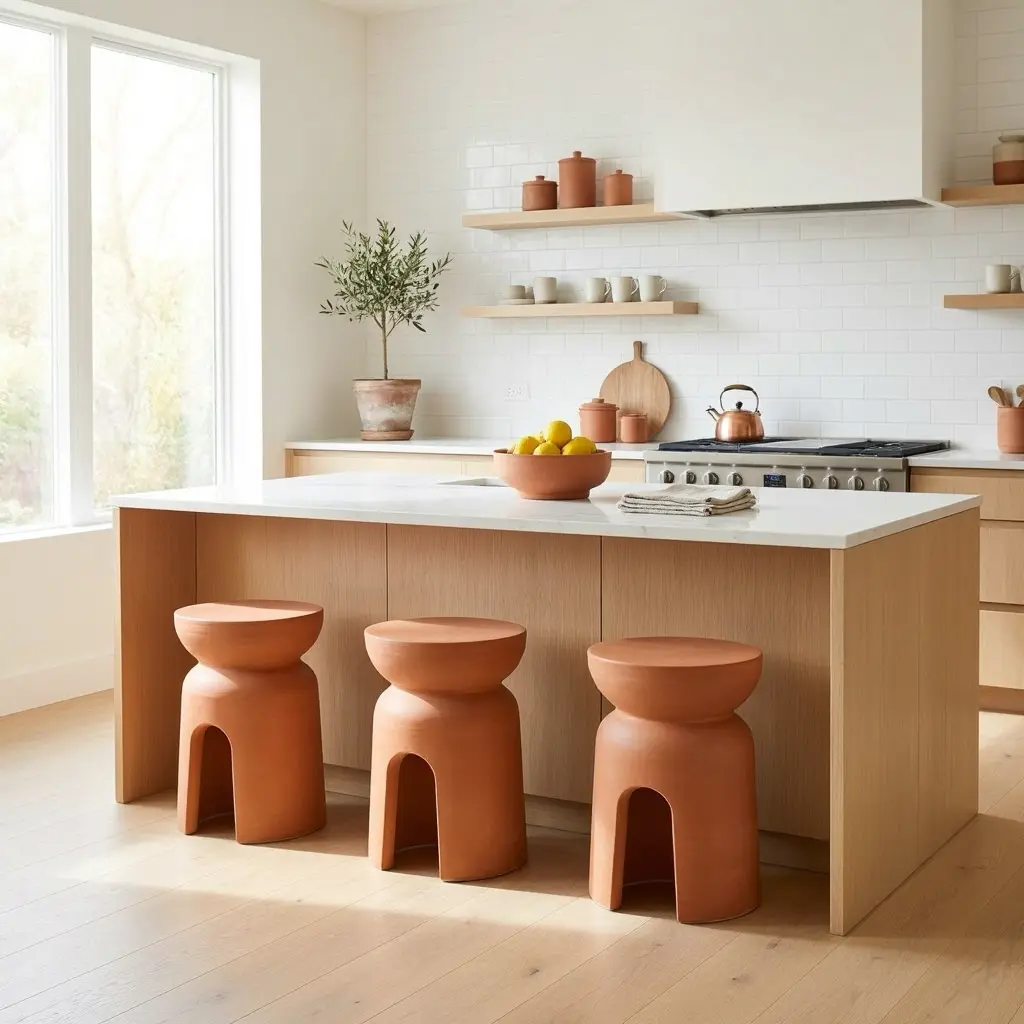
A pair of terracotta colored counter stools at a kitchen island introduces the color at a scale that’s noticeable without being overwhelming, and it adds a functional seating element at the same time. This works particularly well in a kitchen that otherwise leans heavily neutral, since the stools become a clear, intentional accent.
10. Add a Terracotta Accent Through Wall Art or a Single Painted Cabinet
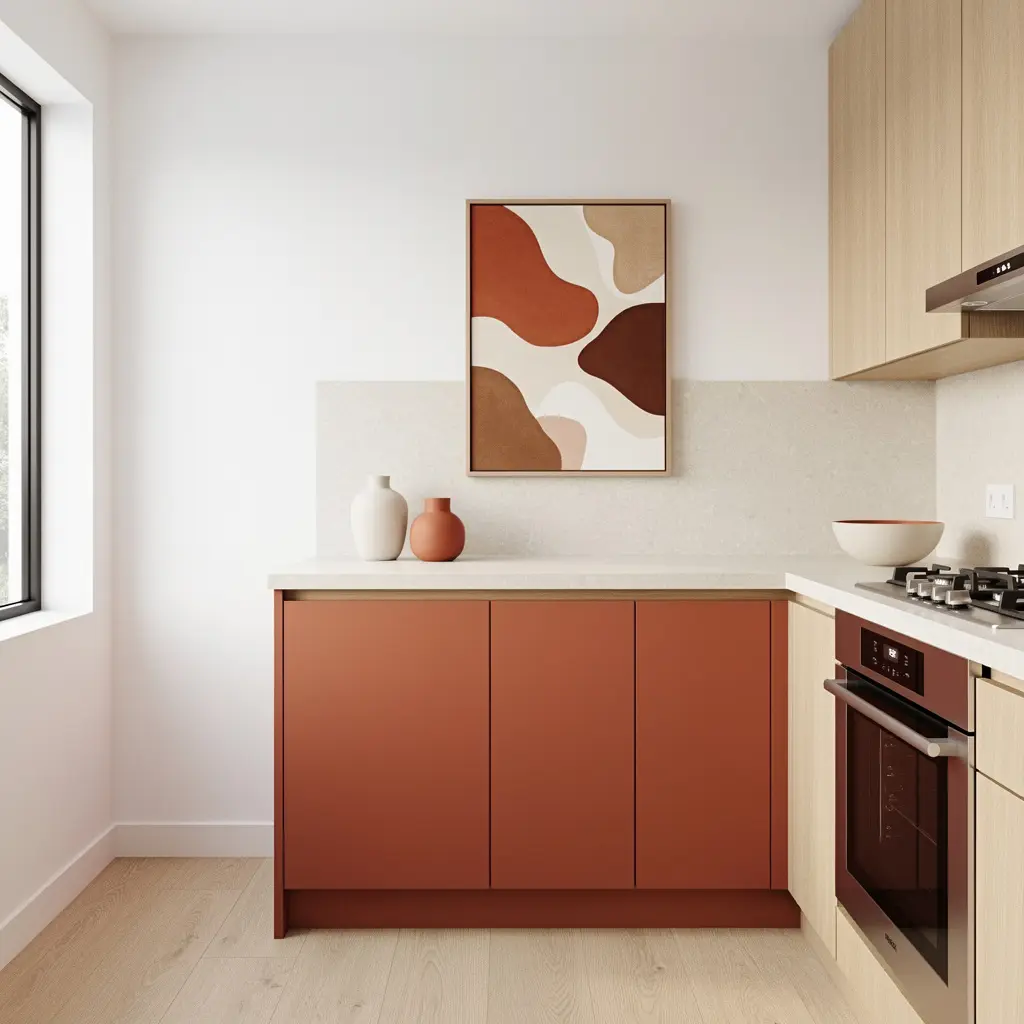
If a full backsplash or major renovation isn’t in the cards, a piece of wall art with warm terracotta tones, or painting a single lower cabinet or kitchen island in a muted terracotta shade, brings the color in as a defined, contained accent rather than spreading it thin across many small items.
Choosing Which Cabinet to Paint
An island, since it’s often visually separate from the surrounding perimeter cabinets, is typically the easiest single cabinet section to paint a different color without disrupting the overall kitchen design.
Mistakes to Avoid
- Scattering too many small terracotta accents without any larger anchor piece to tie them together
- Pairing terracotta with cool toned chrome hardware instead of warmer brass or gold
- Choosing a glossy, uniform terracotta tile instead of a more textured, handmade looking option
- Overwatering herbs in terracotta pots, which are more porous than plastic and dry out faster
- Ignoring the rest of the kitchen’s color palette and adding terracotta without any consideration for balance
- Committing to a major terracotta renovation without testing the color through smaller accents first
Frequently Asked Questions
Can terracotta work in an all white kitchen? Yes, and it often works especially well there, since the contrast between white surfaces and warm terracotta accents lets the color stand out clearly without overwhelming the space.
What’s the easiest terracotta kitchen update for renters? Pottery, dinnerware, textiles, and a terracotta runner are all easy to add without any permanent changes, making them ideal options for renters who can’t paint or install tile.
Do terracotta pots need special care compared to plastic pots? Yes. Terracotta is more porous than plastic, which means it dries out faster and generally requires slightly more frequent watering, though this also helps prevent root rot in many herb varieties.
What metal finish pairs best with terracotta in a kitchen? Brushed brass or warm gold tends to complement terracotta accents better than cool toned chrome or brushed nickel, since the warmth of the metal reinforces the earthy tone rather than contrasting against it.
Is terracotta tile durable enough for a kitchen backsplash? Yes, terracotta tile is generally durable and heat resistant, making it a practical choice for a backsplash, though it should be properly sealed to resist staining from cooking splatters.
Conclusion
Terracotta kitchen accents work best when they’re layered thoughtfully rather than scattered without a clear anchor point. Start with lower commitment pieces like pottery, dinnerware, or textiles, then consider a larger update like tile or a painted island once you know how the tone works with your kitchen’s existing colors and lighting. Even a handful of well placed accents can shift a kitchen from feeling purely functional to feeling like a room you actually want to spend time in.