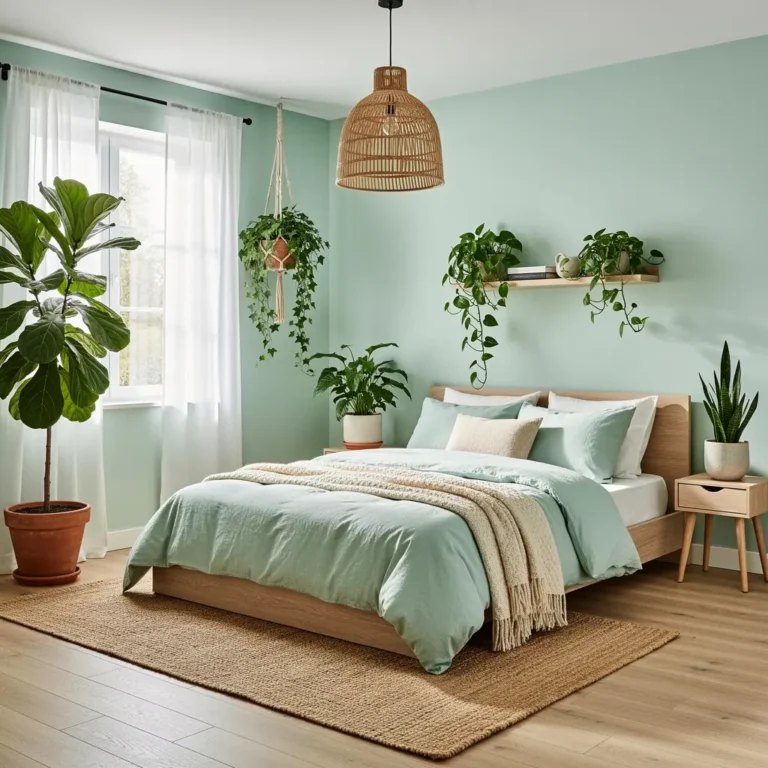
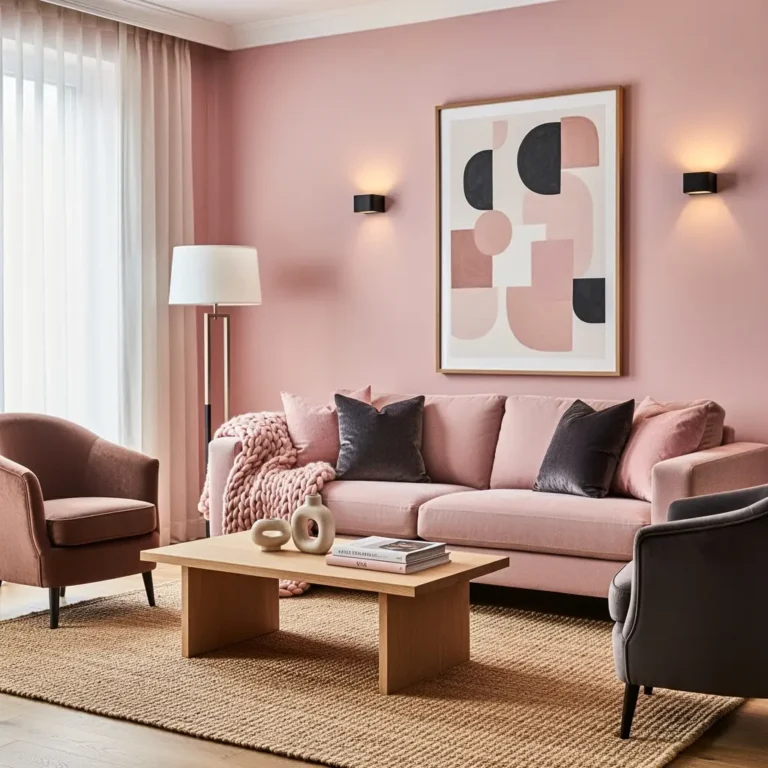
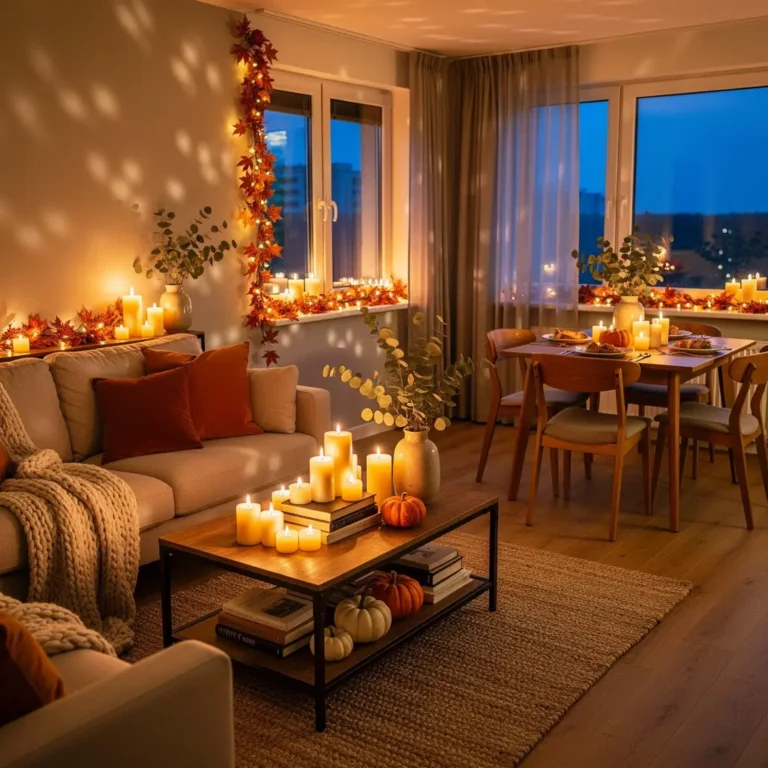
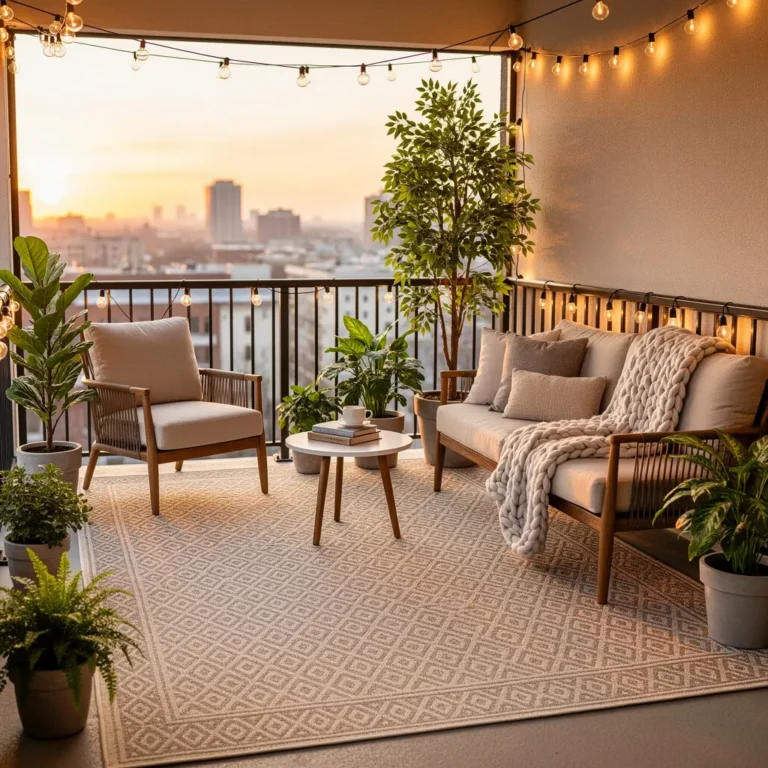
10 Living Room Inspiration Ideas That Actually Help You Commit to a Direction
You’ve saved dozens of living room photos, but every time you try to turn that inspiration into an actual room, you end up stuck, pulling a little from each photo until nothing quite fits together. Living room inspiration ideas are only useful if they lead somewhere, and the real work is narrowing down what you’re drawn to into one clear, buildable direction rather than an ever growing folder of unrelated favorites.
1. Look for the Pattern in What You’ve Already Saved
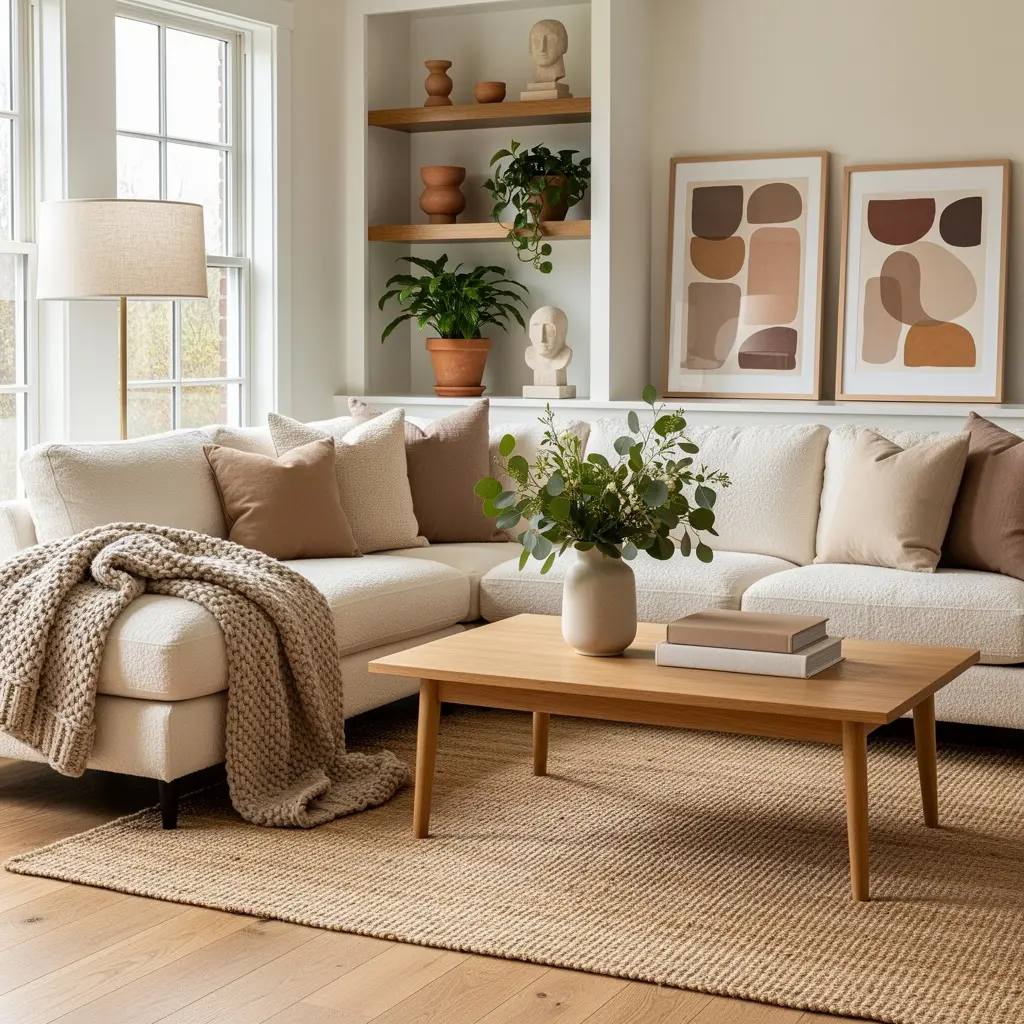
Before searching for more inspiration, go back through what you’ve already collected and look for what repeats. A color that shows up again and again, a furniture shape you keep gravitating toward, a specific kind of lighting, these repeated details usually point to your actual taste more clearly than any single standout photo does. Going through even twenty or thirty saved photos with this in mind often takes less than half an hour.
Why This Step Matters More Than Finding New Photos
Most people have more inspiration saved than they realize, and the pattern hiding inside it is often more useful than another search for fresh ideas. Identifying what genuinely repeats turns a scattered collection into an actual starting point, one that’s grounded in what you’ve actually responded to rather than what simply looked good scrolling by.
2. Choose One Room That Inspired You Most and Study It Specifically
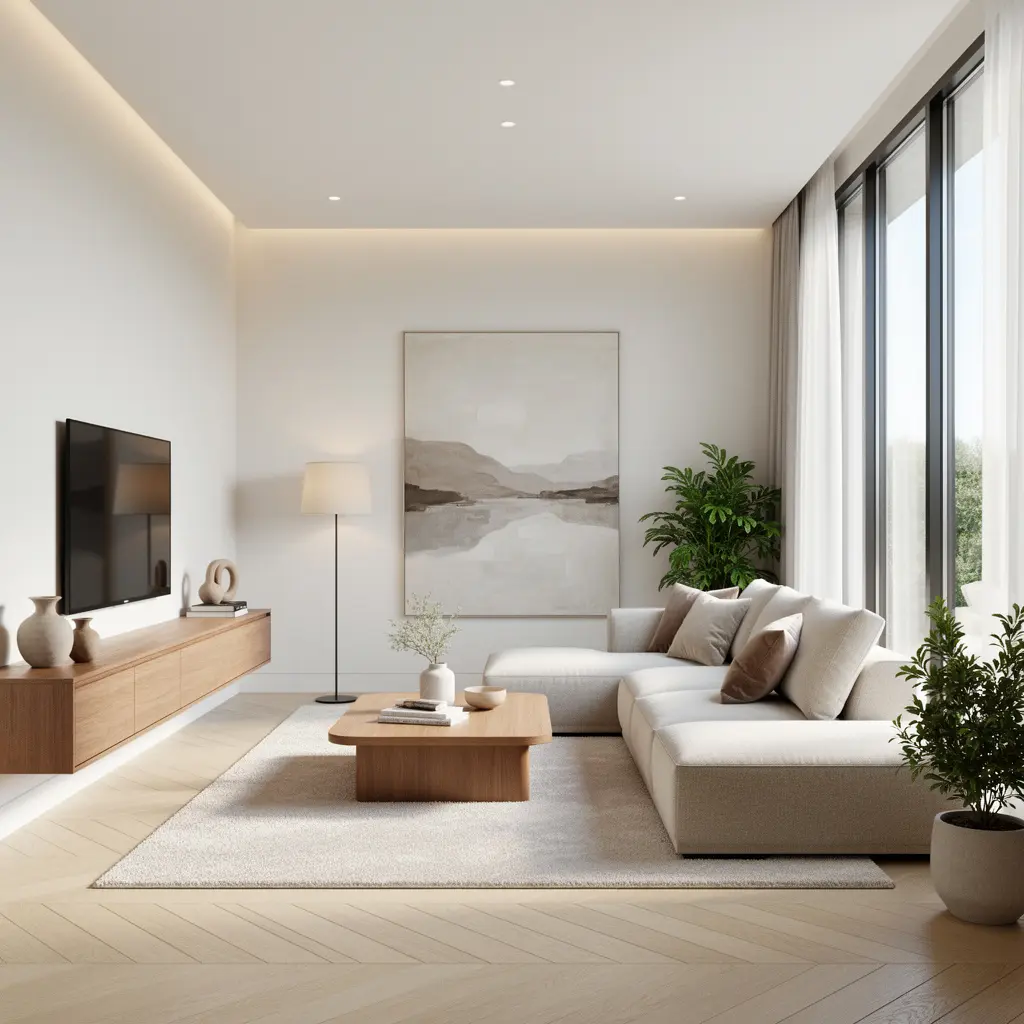
Rather than blending elements from ten different rooms, pick the single photo that made you stop scrolling and study exactly what’s doing the work in that image, the color palette, the furniture scale, the lighting, the layout. One well understood room gives you more usable direction than ten partially absorbed ones. Write down three or four specific things that photo does well, since naming them makes the direction considerably easier to act on later.
3. Build a Color Palette of Three to Five Tones
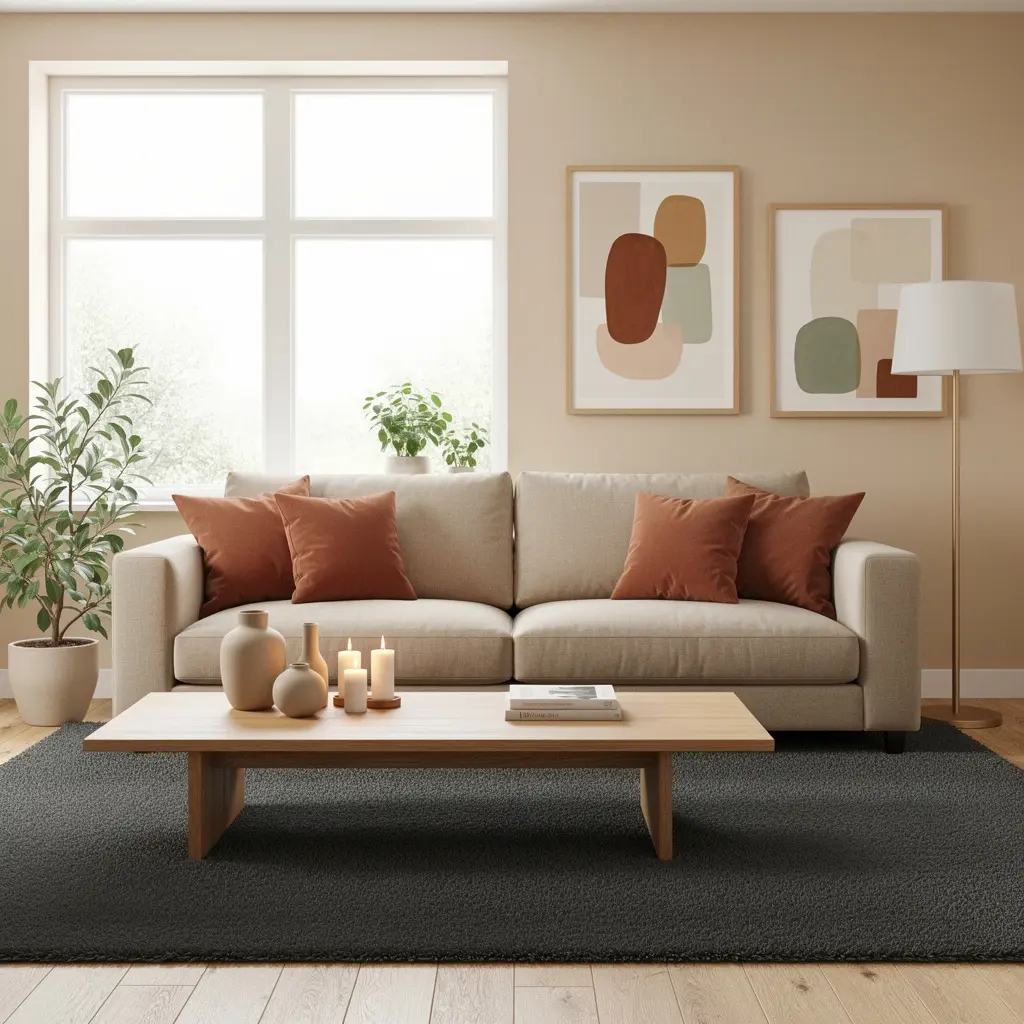
A genuinely cohesive living room usually pulls from a tight palette, one dominant neutral, one or two accent colors, maybe one deeper tone for contrast. Narrowing your inspiration down to this kind of specific palette turns vague inspiration into an actual plan you can shop against, and it makes browsing furniture or paint far faster once you know exactly what you’re looking for.
4. Identify the Furniture Scale That Suits Your Actual Room
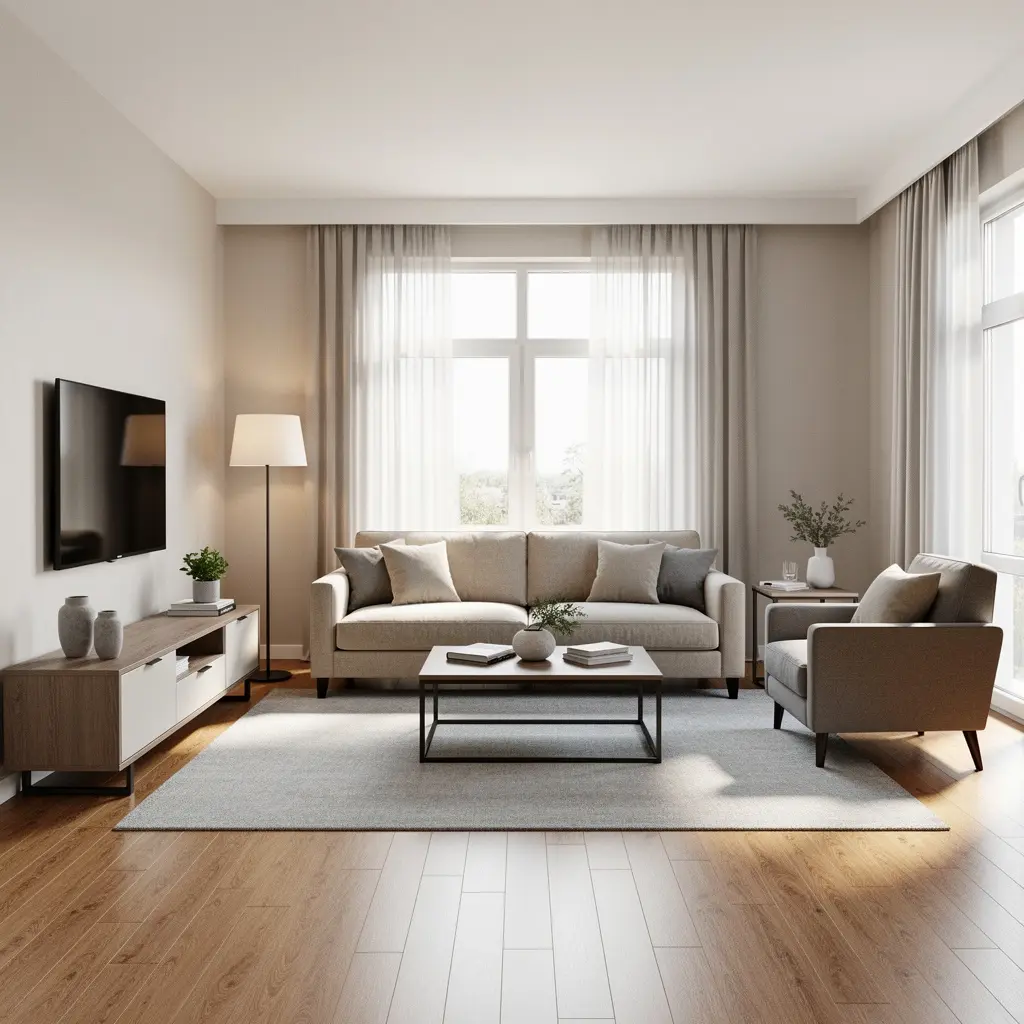
Inspiration photos rarely show the room’s real dimensions, so a sofa that looks perfect in a photo might be entirely wrong for your space. Measure your actual room and compare it honestly against the proportions in your inspiration before assuming a specific piece will translate directly. A sofa that reads as cozy in a large, sunlit room can easily overwhelm a smaller one with different proportions.
5. Note the Lighting Style, Not Just the Furniture
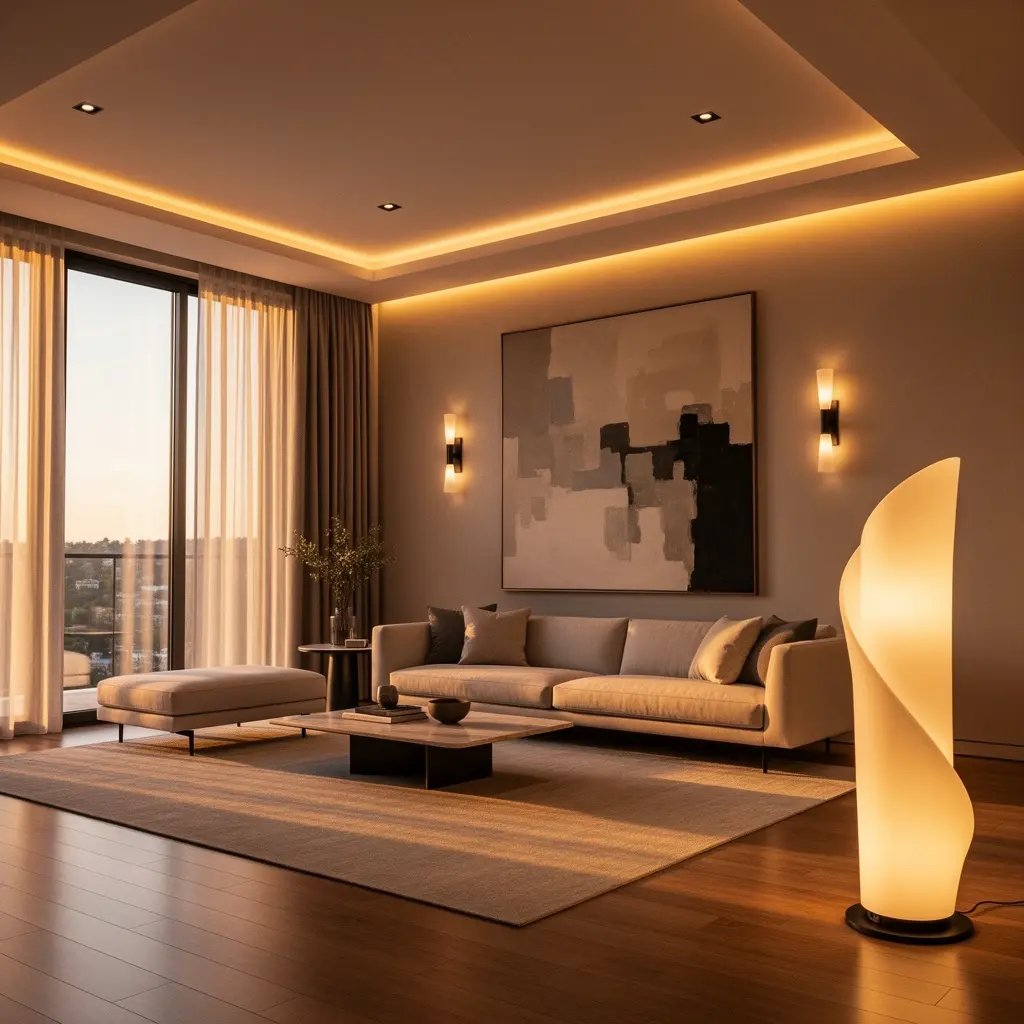
A room’s mood often comes more from its lighting than its furniture, so pay attention to whether your inspiration photos lean toward warm, layered lamp light or bright, even daylight. This detail is easy to overlook but genuinely shapes how a room feels once you’re actually living in it, often more than the specific furniture pieces themselves.
6. Decide Whether You’re Drawn to Symmetry or Asymmetry
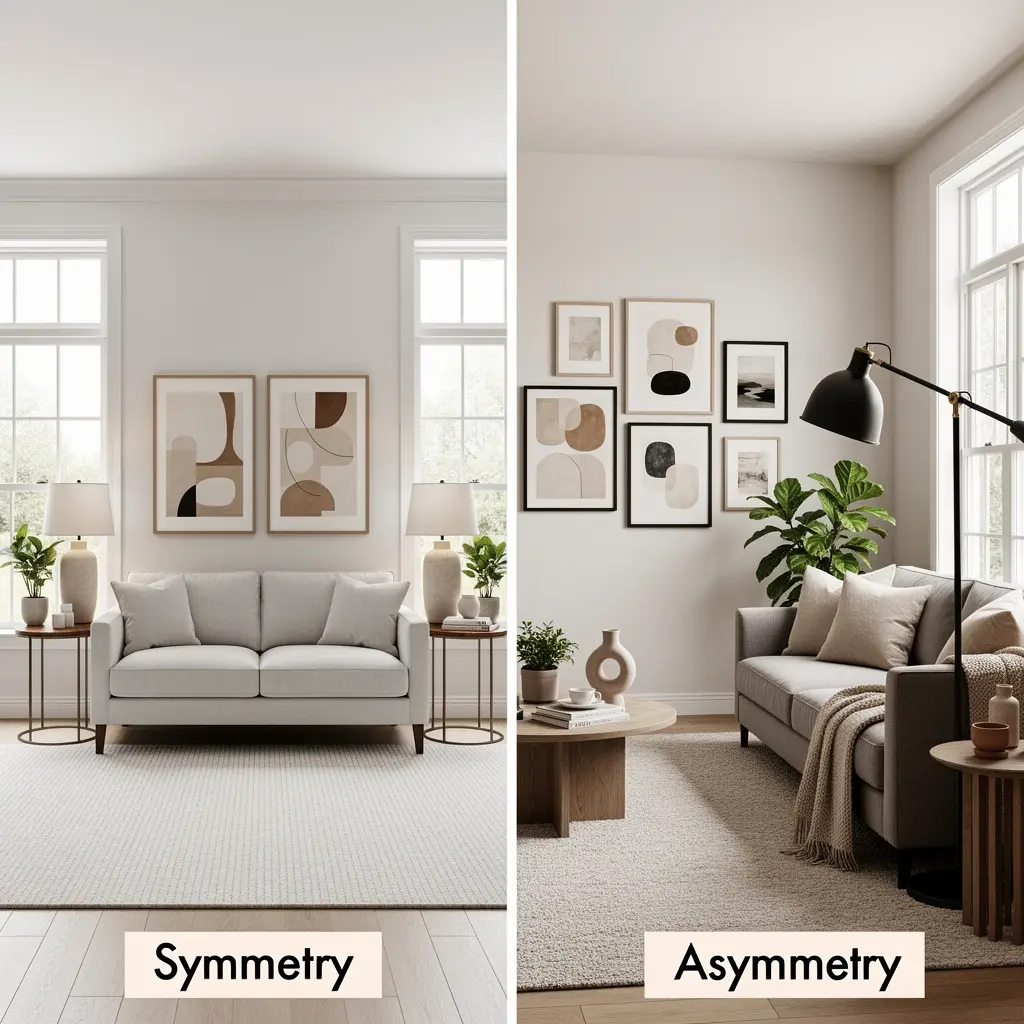
Some inspiration reads as calm and formal because of symmetrical furniture placement, matching chairs, centered art, while other rooms feel more relaxed and collected because of intentional asymmetry. Noticing which one you’re actually drawn to helps you choose a layout that will feel right rather than simply photograph well.
7. Look at What’s Missing From the Room, Not Just What’s There
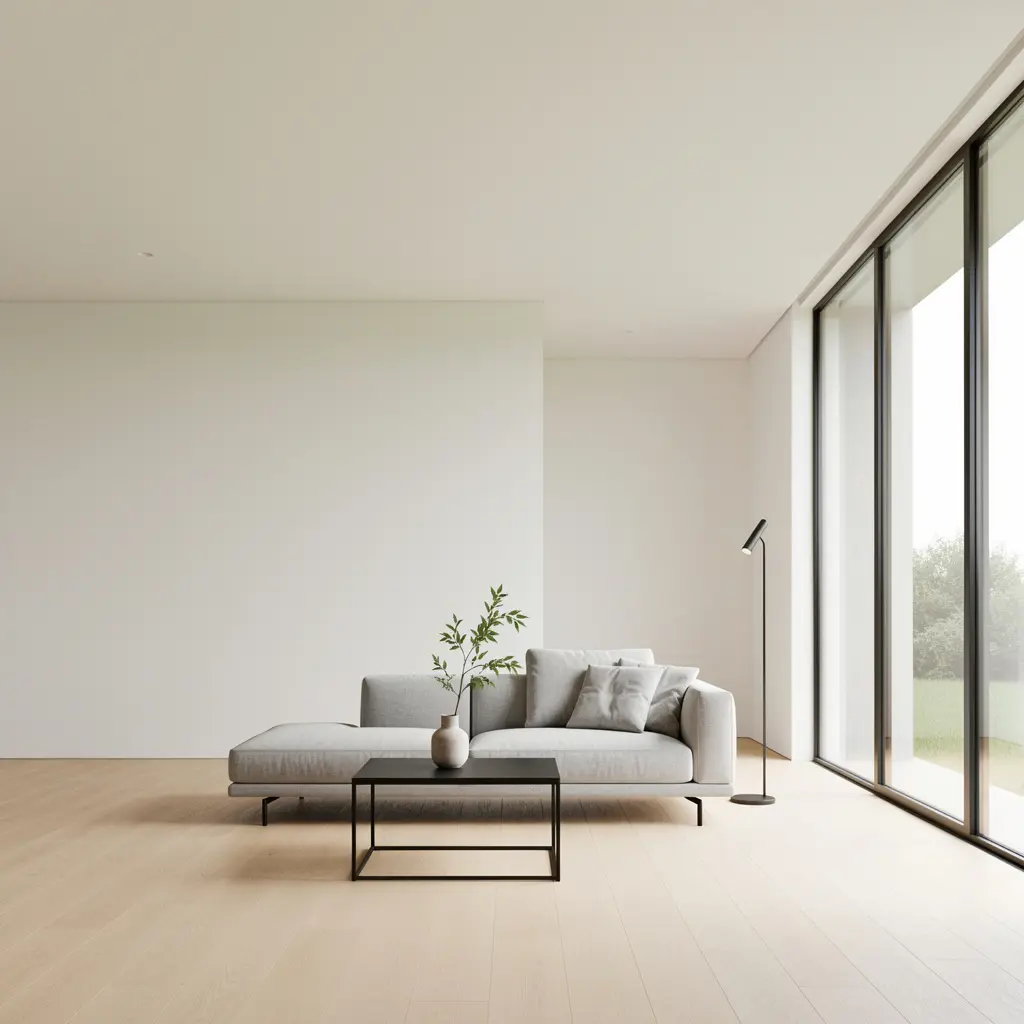
An inspiration photo often leaves out storage, cords, and the general clutter of daily life. Thinking honestly about what your own living room needs functionally, storage for remotes, a spot for reading glasses, room for a laptop, helps you adapt the inspiration into something that actually works day to day.
8. Save Inspiration for Specific Elements, Not Just Whole Rooms
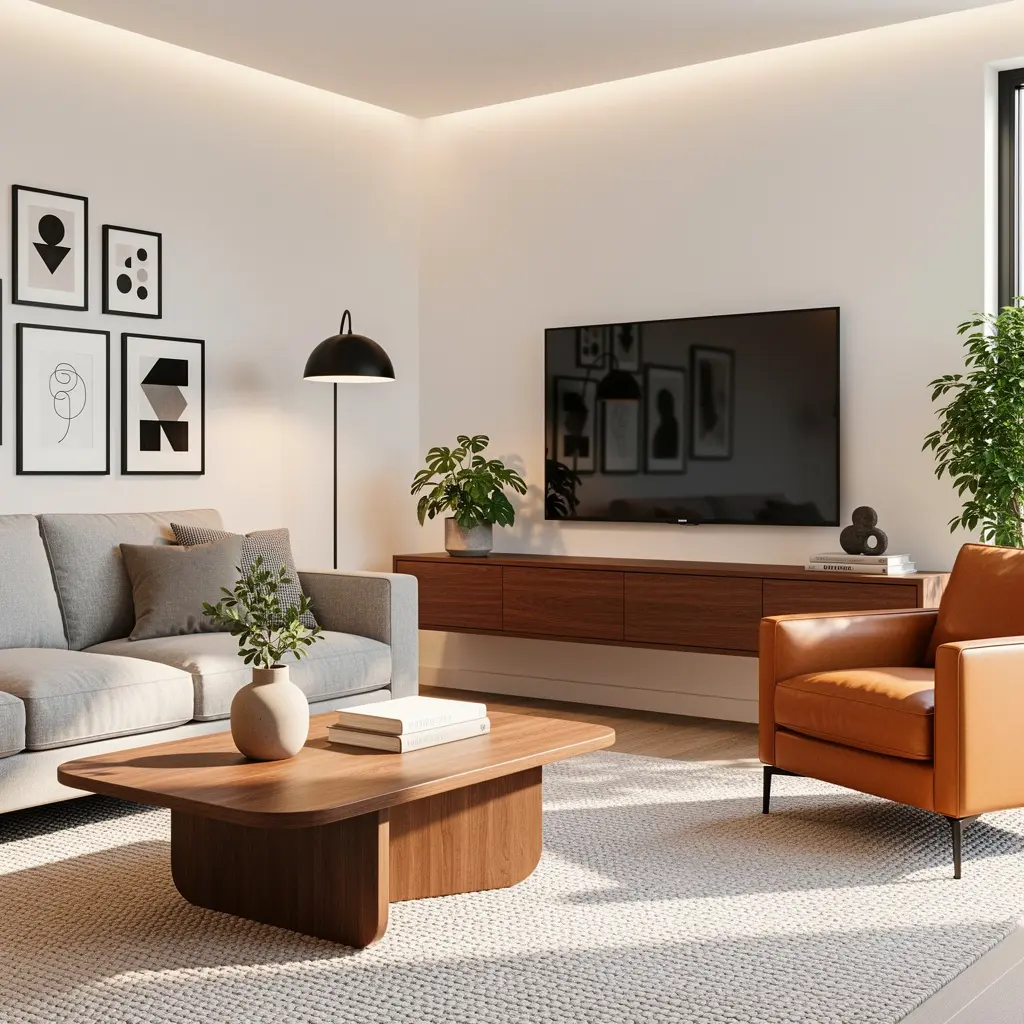
Rather than only saving full room photos, start collecting specific details, a particular lamp shape, a rug pattern, a way of styling a bookshelf. These smaller, specific references are often easier to act on than an entire room’s worth of inspiration at once.
9. Test Your Direction With a Small, Low Cost Change First
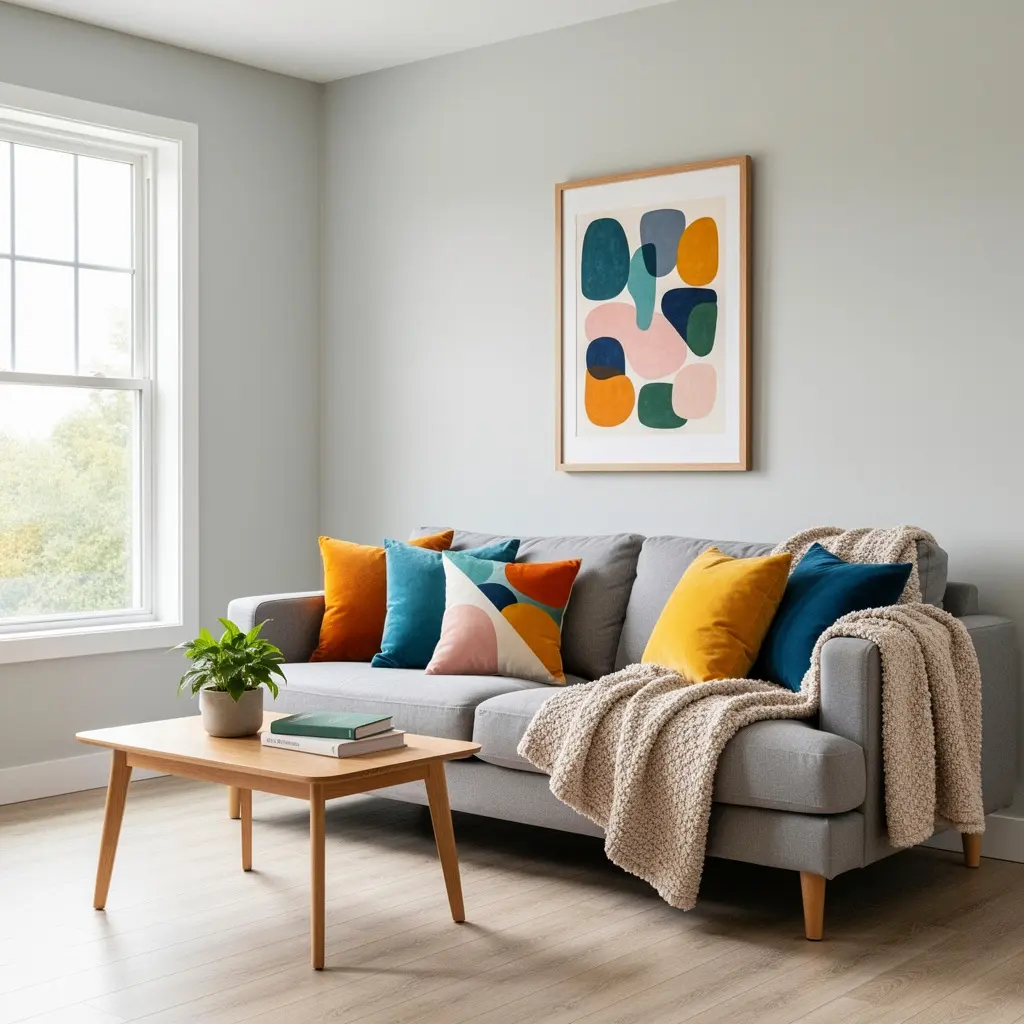
Before committing to a full room overhaul, test your chosen direction with one lower cost change, new throw pillows in your palette, a lamp in the style you’re drawn to. This lets you see how the direction actually feels in your space before investing in bigger pieces.
10. Give Yourself Permission to Deviate as the Room Comes Together
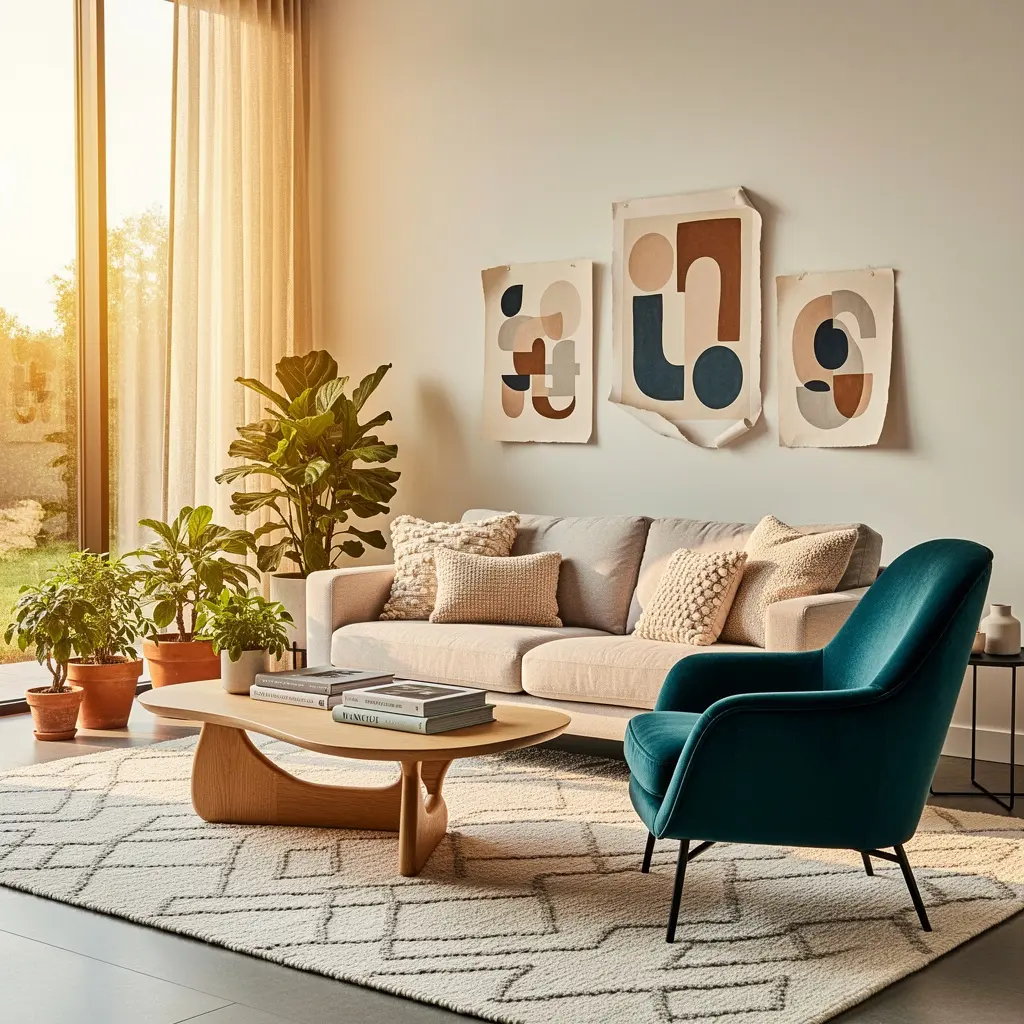
Inspiration is a starting point, not a strict blueprint, and the best living rooms usually shift slightly from the original vision as real furniture, real light, and real life get involved. Staying too rigidly attached to the original inspiration can prevent a room from actually feeling like yours once it’s finished.
Mistakes to Avoid
- Blending elements from many different inspiration photos instead of studying one clear direction closely
- Assuming furniture scale from a photo will translate directly without measuring your actual room
- Overlooking lighting style in favor of only focusing on furniture and color
- Saving only full room photos instead of specific details you could act on individually
- Committing to an entire room overhaul before testing the direction with a smaller, lower cost change
- Sticking too rigidly to the original inspiration instead of letting the room evolve naturally
Frequently Asked Questions
How do I turn a folder of saved inspiration into an actual plan? Look for what repeats across your saved photos, a color, a furniture shape, a lighting style, since these recurring details usually point to your actual taste more clearly than any single image.
Should I try to recreate one specific inspiration photo exactly? It’s more useful to study one photo closely for the specific elements that are working, then adapt those elements to your own room’s dimensions and lighting rather than copying it exactly.
Why does furniture that looks perfect in inspiration photos sometimes not work in my room? Inspiration photos rarely convey a room’s actual scale, so a sofa or chair that looks right in a photo may be too large or too small once measured against your specific space.
How many colors should my living room’s palette include? Three to five tones is a reasonable range, usually one dominant neutral, one or two accent colors, and possibly one deeper tone for contrast.
Is it okay to deviate from my original inspiration as the room comes together? Yes, and it’s actually common. Real furniture, real lighting, and daily use often shift a room slightly from the original vision, which is part of what makes it feel genuinely yours.
Conclusion
Living room inspiration ideas only become useful once you turn scattered photos into a specific, buildable plan: a tight color palette, an honest sense of scale, and a clear read on the lighting style you’re actually drawn to. Start by identifying what repeats across everything you’ve already saved, test that direction with one small change, and let the room evolve naturally as it comes together.