10 Under-Stairs Cozy Nook Ideas That Turn Wasted Space Into Magic
You walk past that awkward triangular space under your stairs every single day, and right now it’s either completely empty or slowly filling up with boxes and things you don’t know where else to put. Under-stairs cozy nook ideas exist specifically to solve this, taking one of the most commonly wasted spaces in a home and turning it into a genuine reading retreat, a mini office, or simply a comfortable spot that people actually want to sit in, rather than another storage dumping ground.
1. Measure the Actual Shape Before Planning Anything
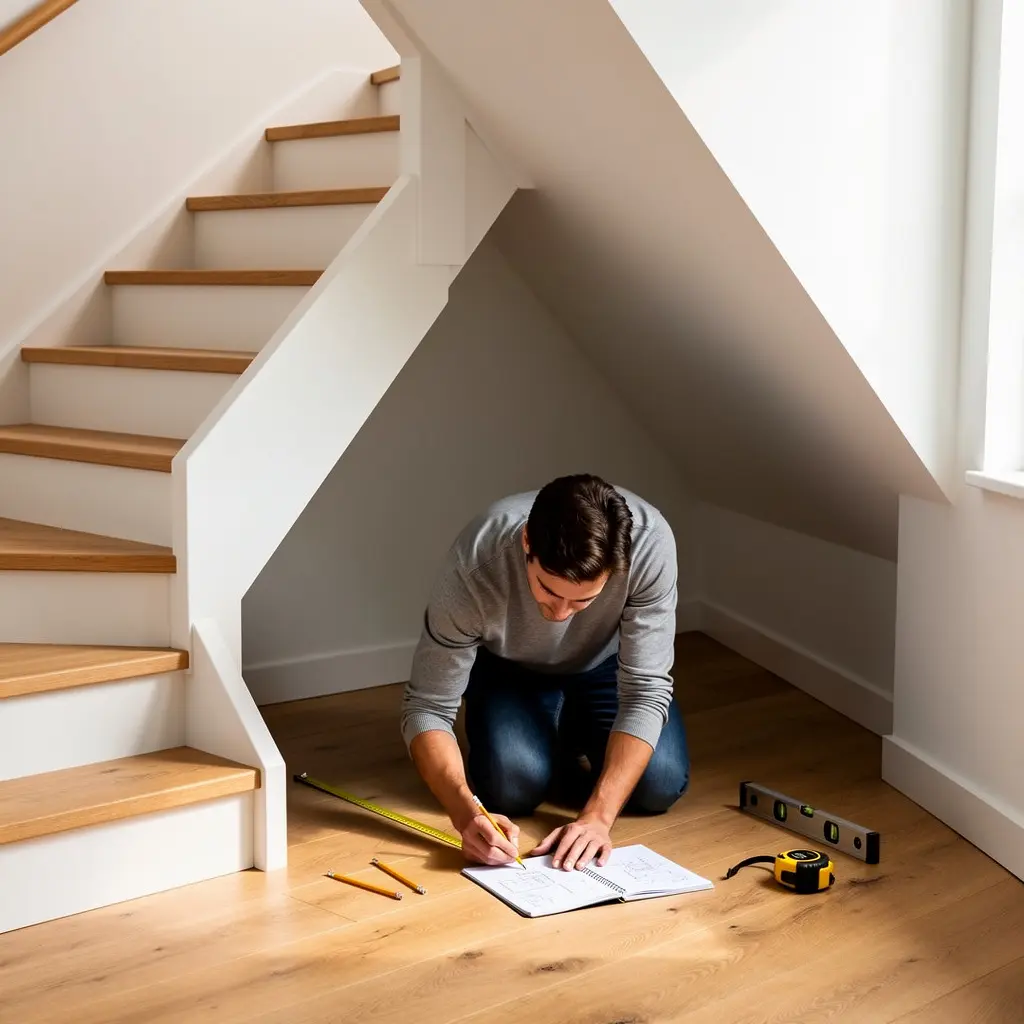
Every under-stairs space has a unique, sloped shape, and no two are exactly alike, which means the specific dimensions of your particular nook should drive every decision that follows. Measure the height at the tallest point, the depth at the deepest point, and where the ceiling actually gets low enough that seating stops being comfortable, before buying or building anything at all. Sketching these measurements out on paper, even roughly, makes it far easier to visualize what will and won’t fit once you start shopping or planning a build.
Why This Step Matters More Here Than in a Regular Room
A standard room has predictable, even dimensions, but an under-stairs nook slopes dramatically from one end to the other, which means furniture that works at the tall end might be completely unusable a few feet over. Understanding exactly where that slope becomes a problem prevents the most common mistake in under-stairs styling: buying a bench or chair that simply doesn’t fit the actual available headroom. A nook that’s four feet tall at the entrance and drops to two feet at the back needs a very different furniture plan than one with a more even ceiling line.
2. Choose a Built In Bench Over Freestanding Furniture
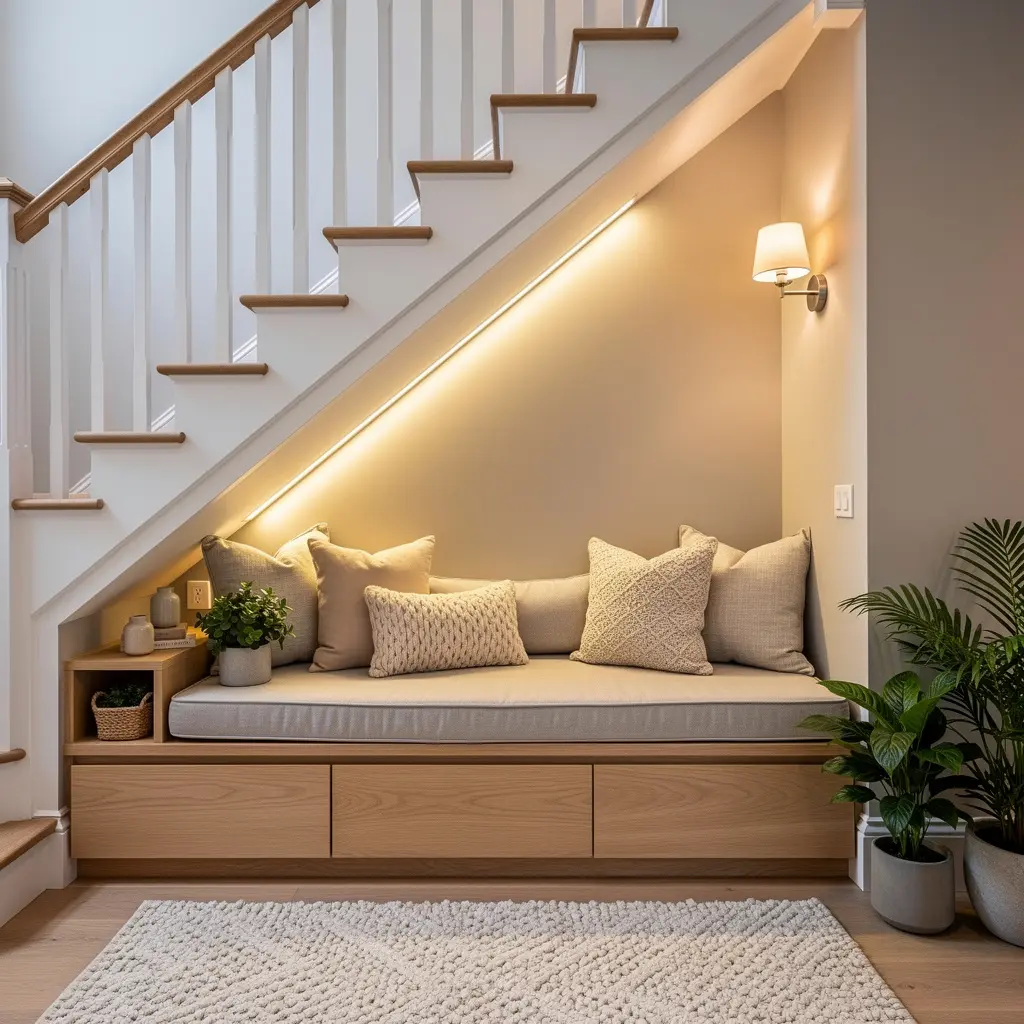
A custom built bench, sized specifically to the nook’s unique shape, makes far better use of the space than a standard piece of furniture ever could. This approach also lets you build in storage underneath, drawers or a lift up seat, which turns the nook into a dual purpose space without requiring any additional furniture elsewhere in the house. Even a simple plywood bench frame, built by a local carpenter or a handy homeowner, generally costs less than a comparable piece of retail furniture that won’t actually fit the space properly.
3. Add Deep, Genuinely Comfortable Cushions
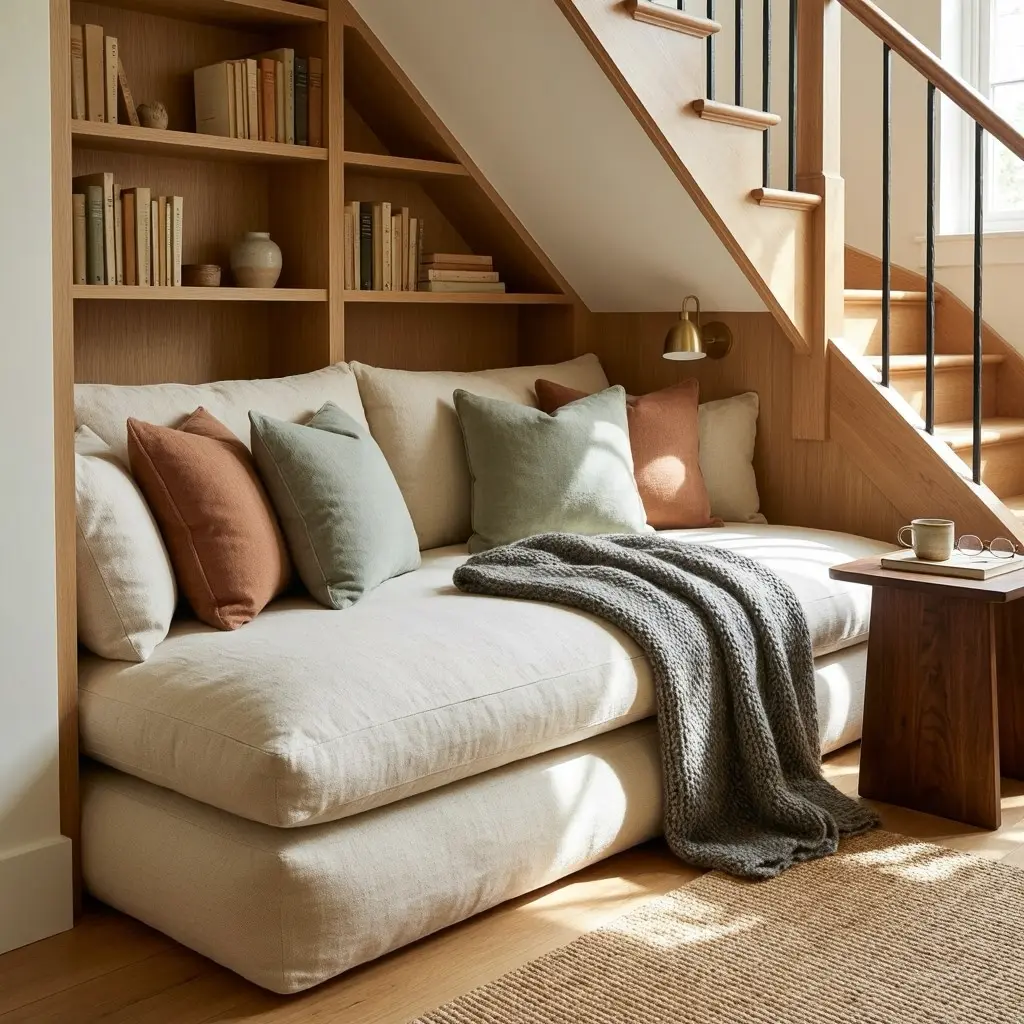
A hard, built in bench without proper cushioning looks nice in photos but won’t get used the way a genuinely comfortable one will. Cushions with real depth, at least three or four inches, paired with a couple of pillows, turn a functional bench into somewhere people actually want to curl up and stay for a while. A custom cushion cut to the bench’s exact dimensions looks considerably more finished than a generic seat pad that doesn’t quite reach the edges.
4. Use the Sloped Wall for Built In Shelving
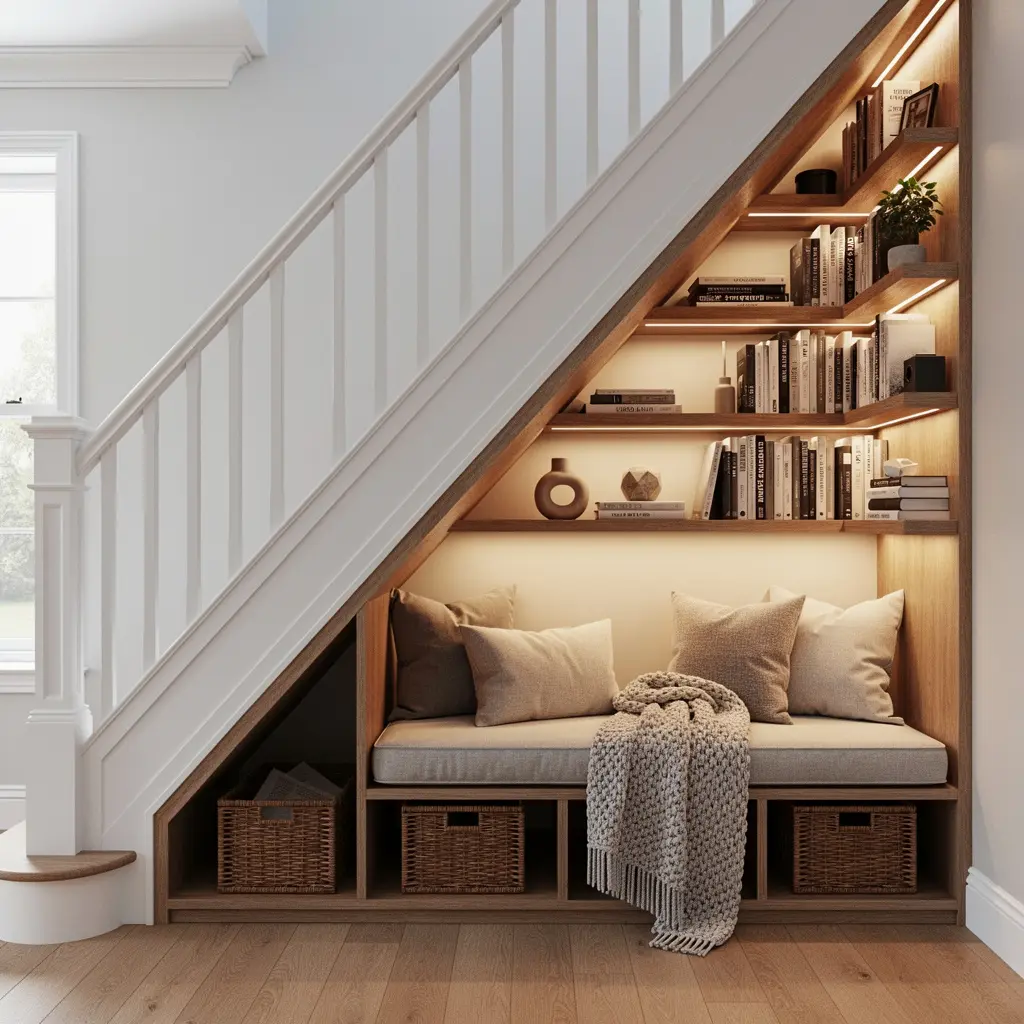
The angled ceiling that makes an under-stairs nook tricky to furnish is also its biggest asset when it comes to shelving. Built in shelves that follow the slope of the stairs above make use of vertical space a standard room simply doesn’t offer, and they give the nook a genuinely custom, considered look rather than one built around off the shelf furniture. Stepping the shelf depth down as the ceiling lowers, rather than keeping every shelf the same depth, avoids the awkward look of shelving that seems to disappear into the wall at one end.
5. Layer in Warm, Focused Lighting
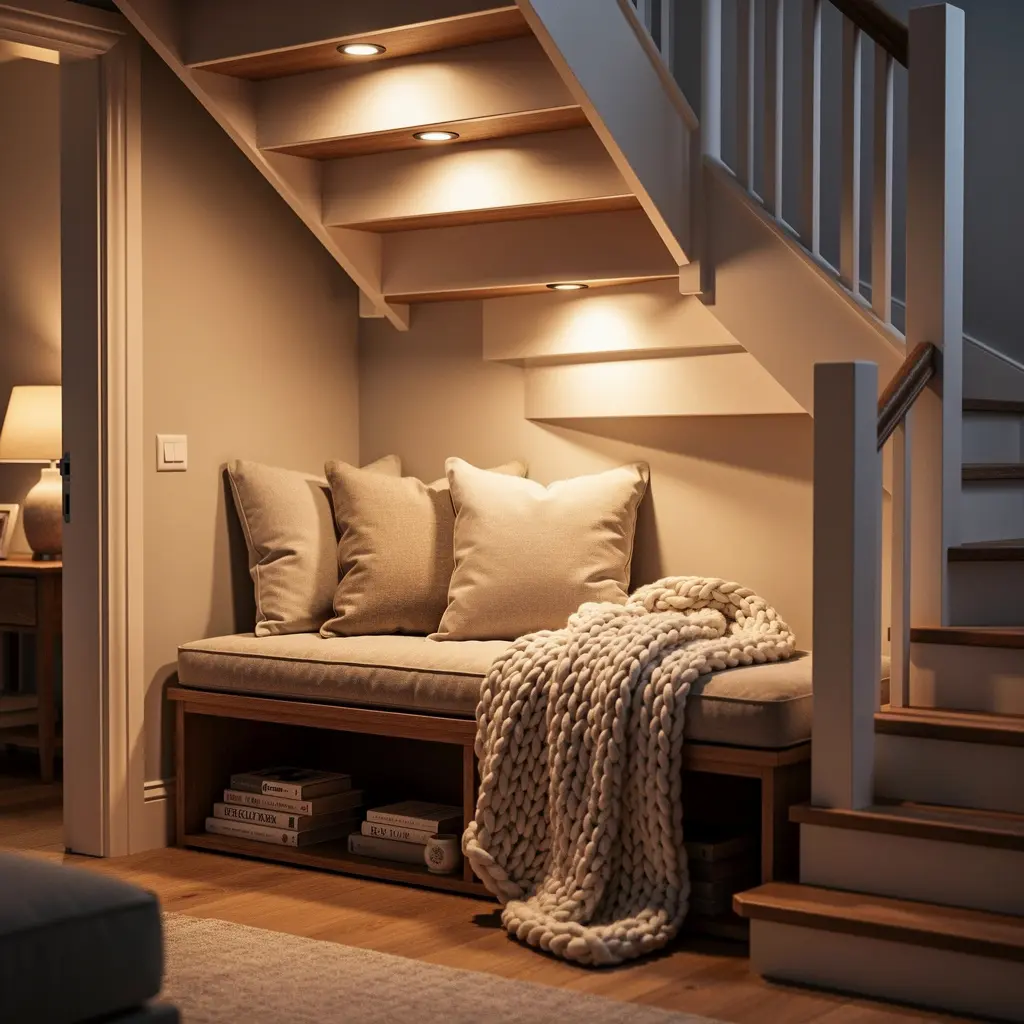
An under-stairs nook rarely gets much natural light, tucked away as it usually is from any window, so the lighting choice matters more here than in almost any other room. A small reading lamp, positioned specifically to avoid glare, or a strip of warm LED lighting along the shelving, gives the nook a soft, focused glow that makes it feel intentional rather than like a dim, overlooked corner. Warm white bulbs in the 2700K to 3000K range work best here, since anything cooler tends to feel closer to a utility closet than a genuine retreat.
6. Choose a Rug to Define the Nook’s Footprint
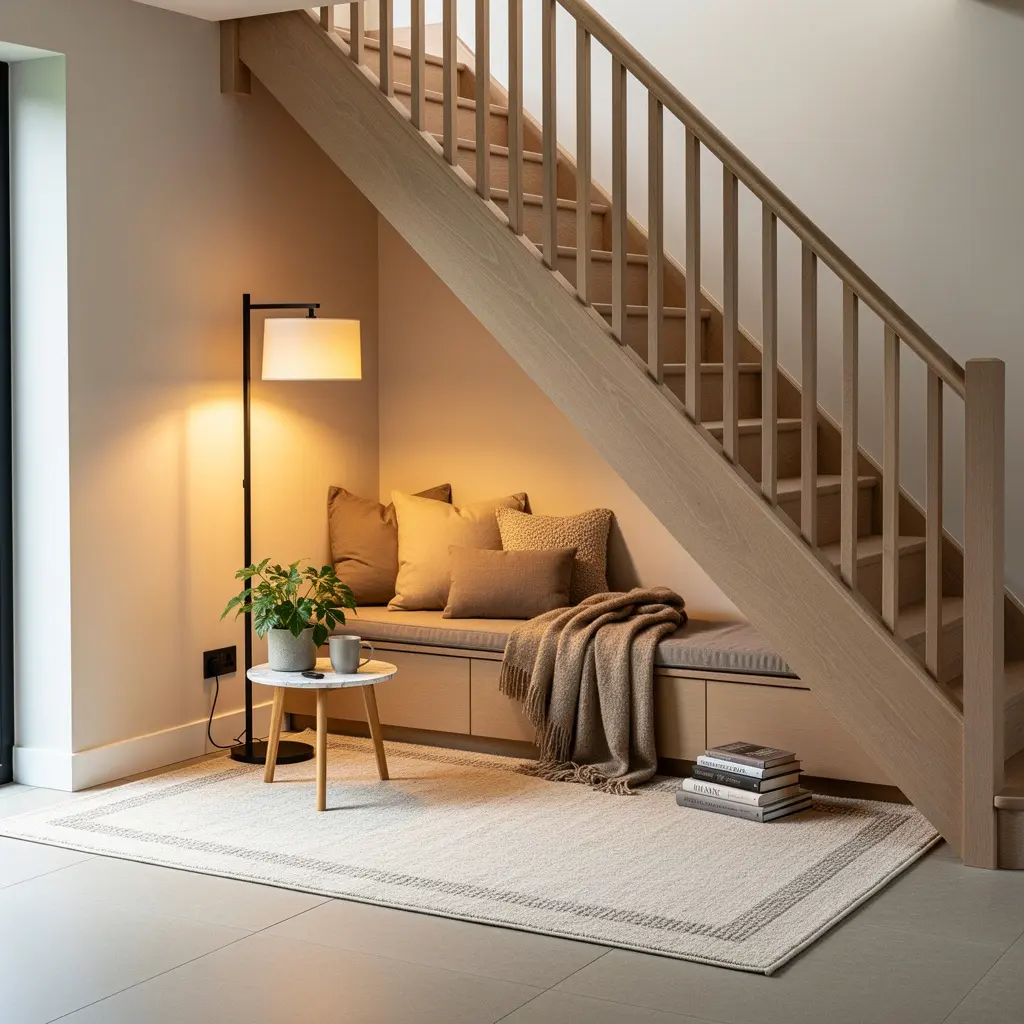
Even in a space that’s already architecturally defined by the stairs above it, a small rug adds warmth underfoot and visually signals that this is a genuine destination within the home, not just leftover space. A rug with some texture or pattern also softens what’s often an otherwise hard surfaced, boxy little room, and even a small two by three foot piece is usually enough to cover the main footprint of a compact nook.
7. Add a Curtain or Small Door for Enclosure
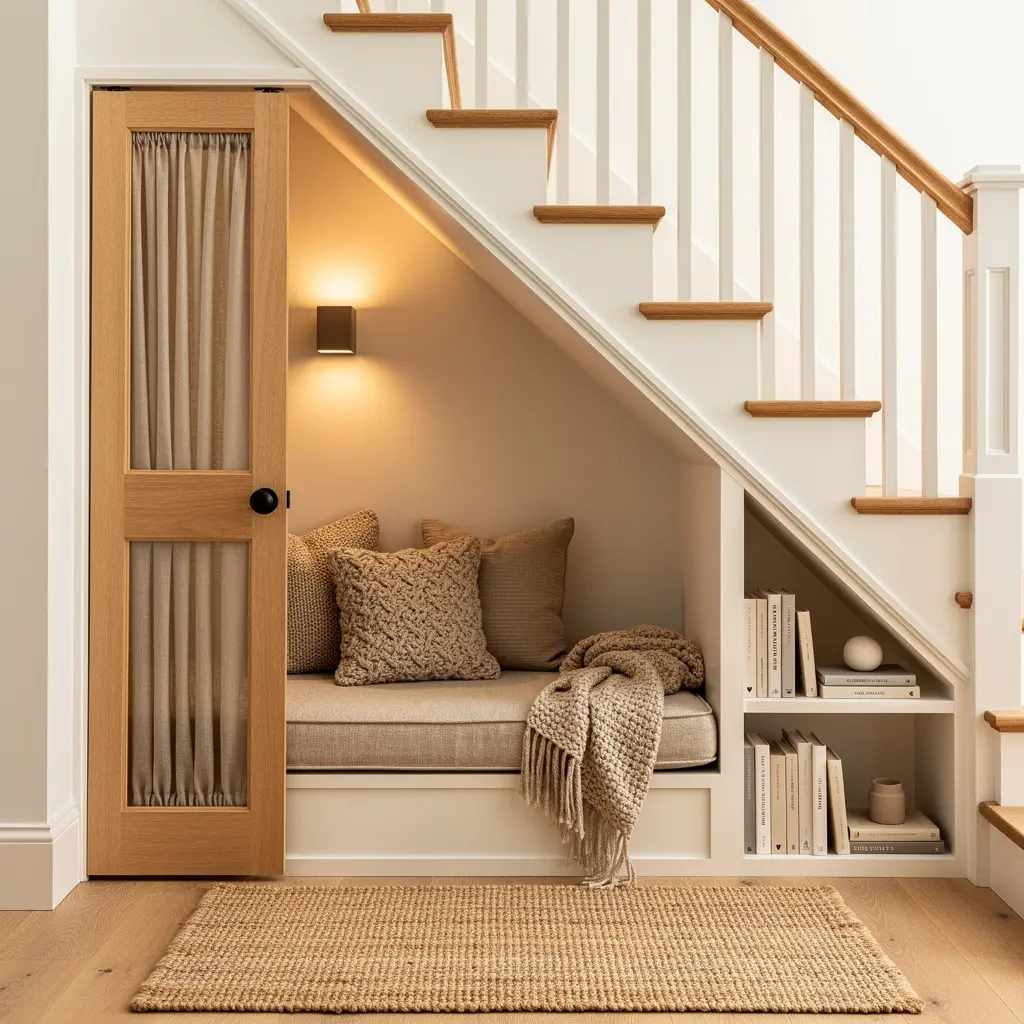
A simple curtain on a tension rod, or a small door if the nook is fully enclosed, adds a sense of privacy and intentional separation from the rest of the home. This detail matters especially if the nook sits in a busier, more trafficked part of the house, since it gives the space a genuine sense of retreat once it’s closed off. A simple linen curtain on a spring loaded tension rod costs very little and requires no permanent installation at all.
8. Keep Storage Built In Rather Than Freestanding
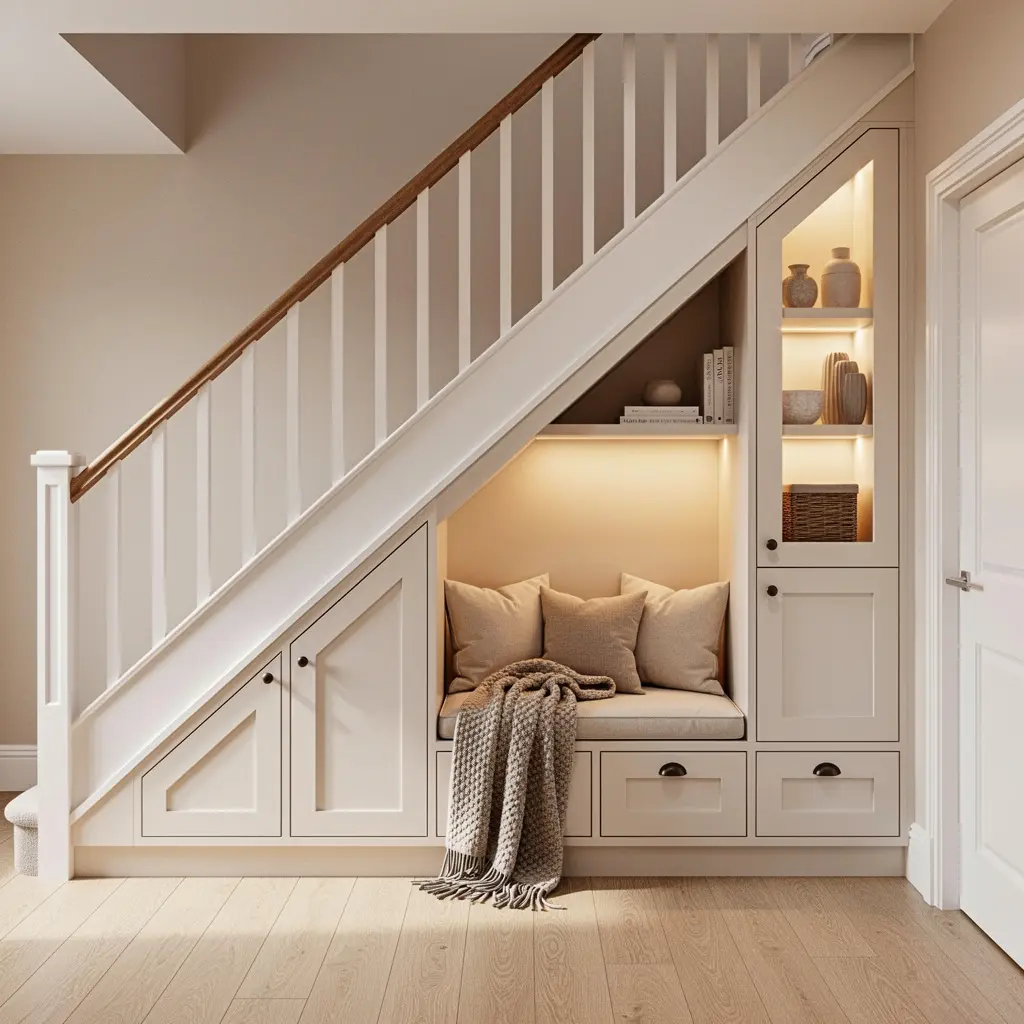
Because an under-stairs nook already has such an unusual shape, freestanding storage, a bookshelf, a cabinet, rarely fits well and often wastes the awkward corners the space naturally has. Built in drawers, cubbies, or shelving custom fit to the slope make far better use of every available inch than anything bought off the shelf. Even the very lowest, shallowest part of the slope can often hold a shoe cubby or a shallow drawer that a standard piece of furniture would waste entirely.
9. Personalize With Art and a Few Meaningful Objects
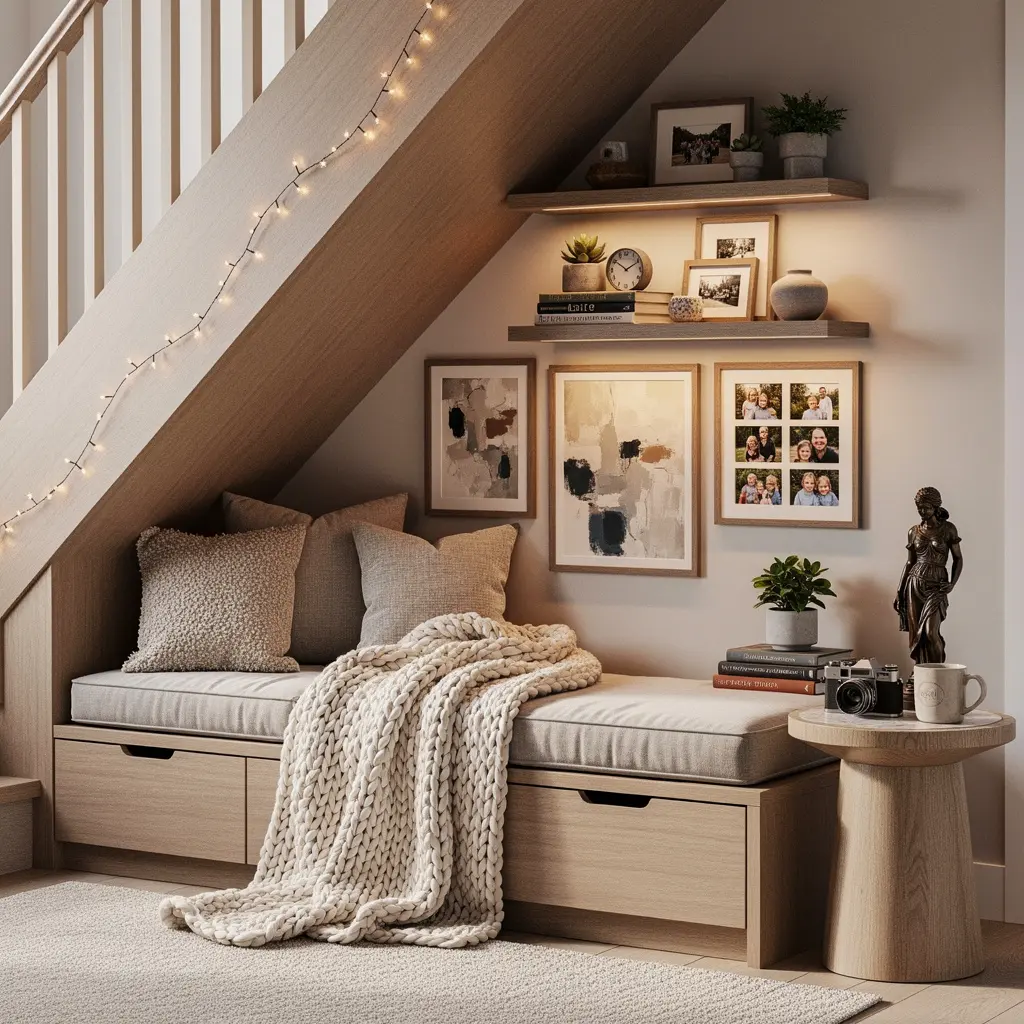
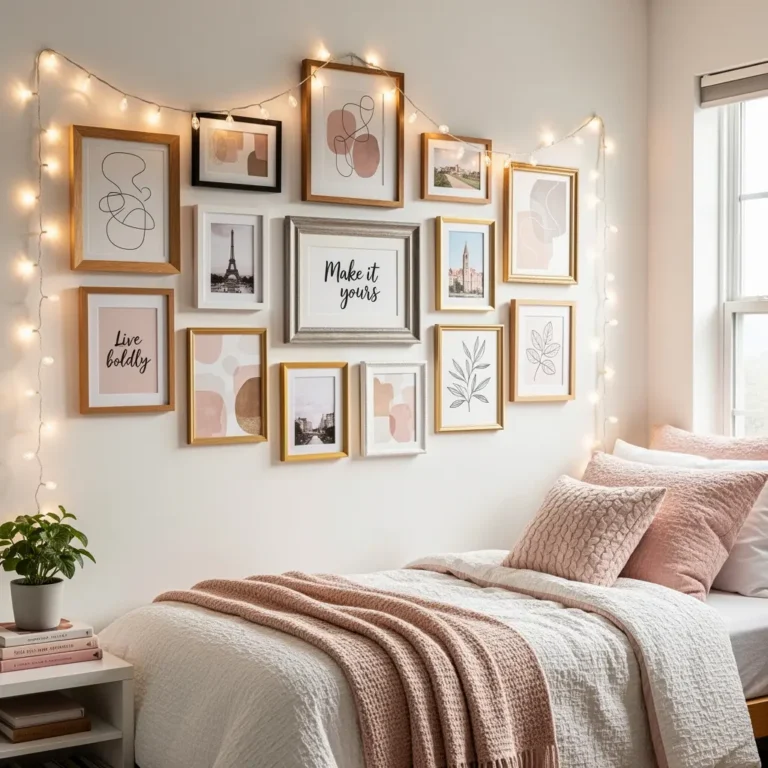
A small piece of art, a framed photo, or an object with real personal meaning gives the nook a sense of belonging to whoever actually uses it, rather than reading as a generic built in feature. These personal touches are often what turn a functional built out space into someone’s genuine favorite spot in the house, the same way a few well chosen objects make any other room feel lived in rather than staged.
10. Match the Nook’s Style to How You’ll Actually Use It
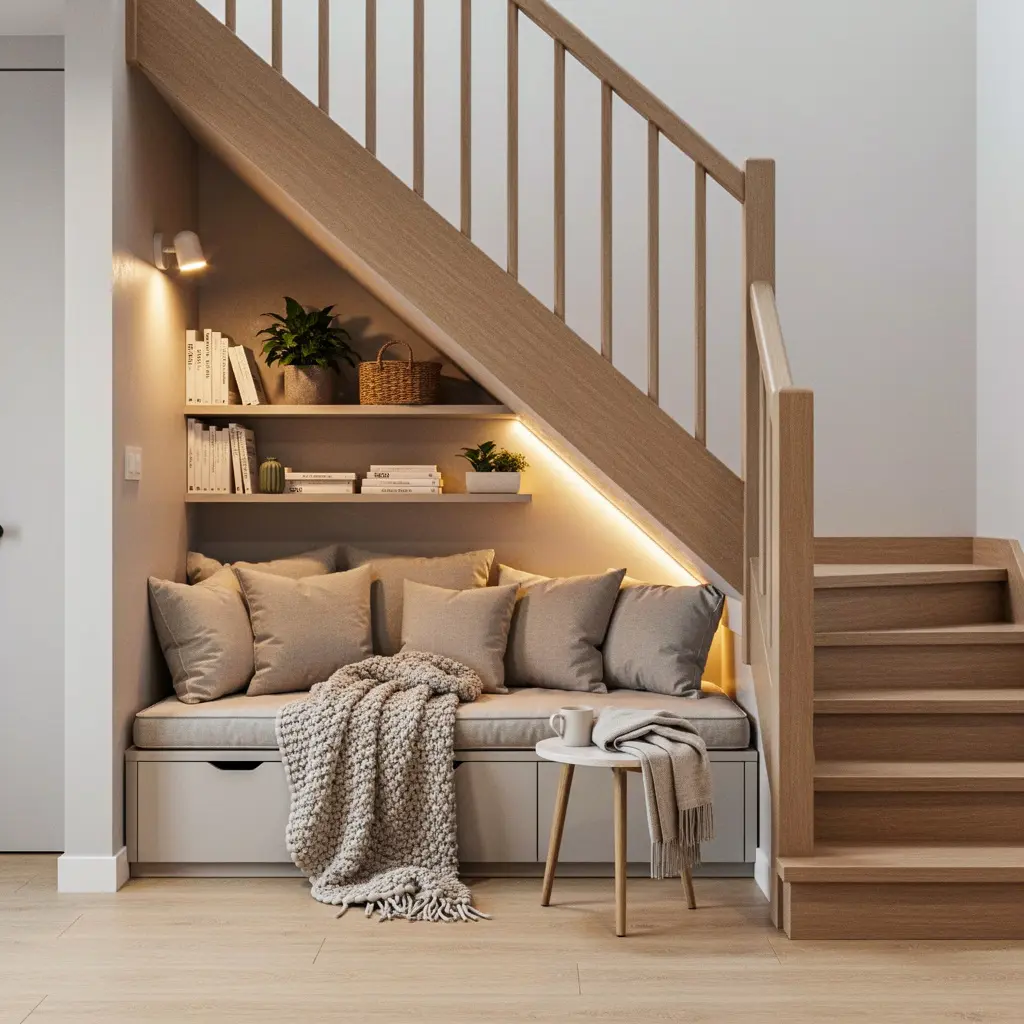
An under-stairs space built as a reading nook needs different furniture than one meant to work as a mini office or a kids’ play spot, so deciding on the actual use first shapes every other choice that follows. A reading nook wants a deep bench and warm lighting, while a small office needs a proper desk surface and task lighting positioned for actual work, not just relaxing. A kids’ play corner, by contrast, benefits more from durable, washable surfaces and open floor space than from a plush cushioned bench.
Mistakes to Avoid
- Buying or building furniture before measuring the nook’s actual, uneven dimensions at every point
- Choosing a hard, uncushioned bench that looks nice in photos but doesn’t actually get used
- Relying on the home’s general ambient light instead of adding a dedicated, focused light source
- Using freestanding furniture in a space better suited to custom built in shelving and storage
- Skipping a rug or curtain, which leaves the nook feeling like leftover space rather than a genuine room
- Building the nook without first deciding whether it’s meant for reading, working, or something else entirely
Frequently Asked Questions
What can an under-stairs nook actually be used for? Common uses include a reading nook, a small home office, a mudroom style storage bench, a kids’ play corner, or even a compact powder room, depending on the space’s size and shape.
How do I add lighting to a space with no natural light? A small reading lamp positioned to avoid glare, or a strip of warm LED lighting along built in shelving, both work well without requiring major electrical changes in most cases.
Should under-stairs storage be built in or freestanding? Built in storage generally makes much better use of the space’s unusual, sloped shape than freestanding furniture, which rarely fits the awkward corners well.
How much does it typically cost to build out an under-stairs nook? Costs vary widely depending on complexity, from a simple cushion and shelf setup for under $200 to a fully custom built bench and cabinetry running into the thousands. A middle ground option, a plywood bench with a custom cushion and open shelving, often lands somewhere in the $300 to $800 range.
Can a small under-stairs nook work as a genuine reading spot? Yes, and it’s one of the most common and successful uses for this kind of space, since the enclosed, cozy shape naturally suits quiet, focused activities like reading.
Conclusion
Under-stairs cozy nook ideas work best when the space’s unique, sloped shape gets treated as an asset rather than an obstacle. Measure carefully first, choose built in furniture over freestanding pieces, and layer in warm lighting and personal touches so the nook becomes somewhere you genuinely want to spend time rather than a corner you walk past every day without a second thought. Even a modest, well planned version of this space tends to get used far more than anyone expects once it’s actually finished.