
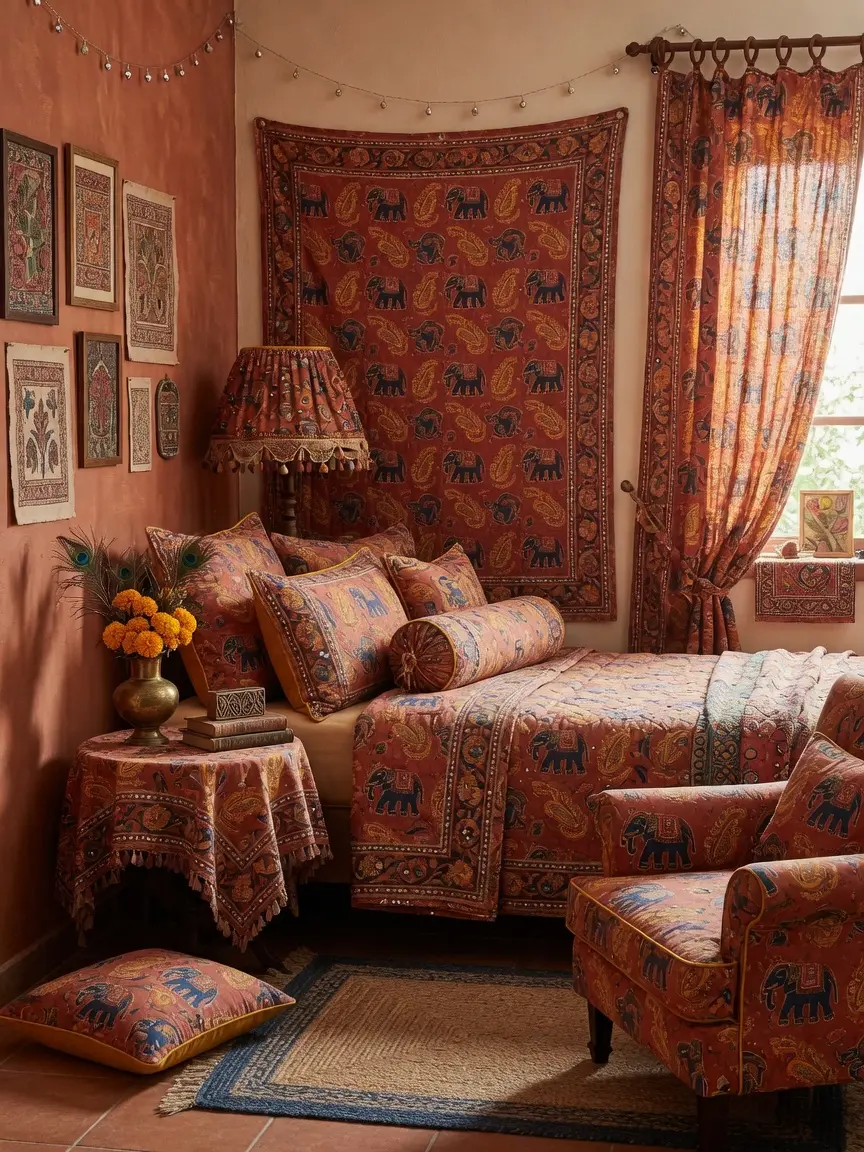
You’ve saved dozens of pictures of rooms you love, but every time you try to actually recreate that look in your own space, it ends up feeling like a pile of individually cute things instead of one cohesive room. That gap between a mood board and an actual finished space is exactly what trips most people up, and aesthetic room ideas that genuinely work come down to picking one clear direction and committing to it, rather than pulling a little bit from every trend you’ve ever saved. That single decision does more to close the gap between inspiration and reality than any individual purchase ever will.
1. Pick One Aesthetic Direction Before Buying Anything
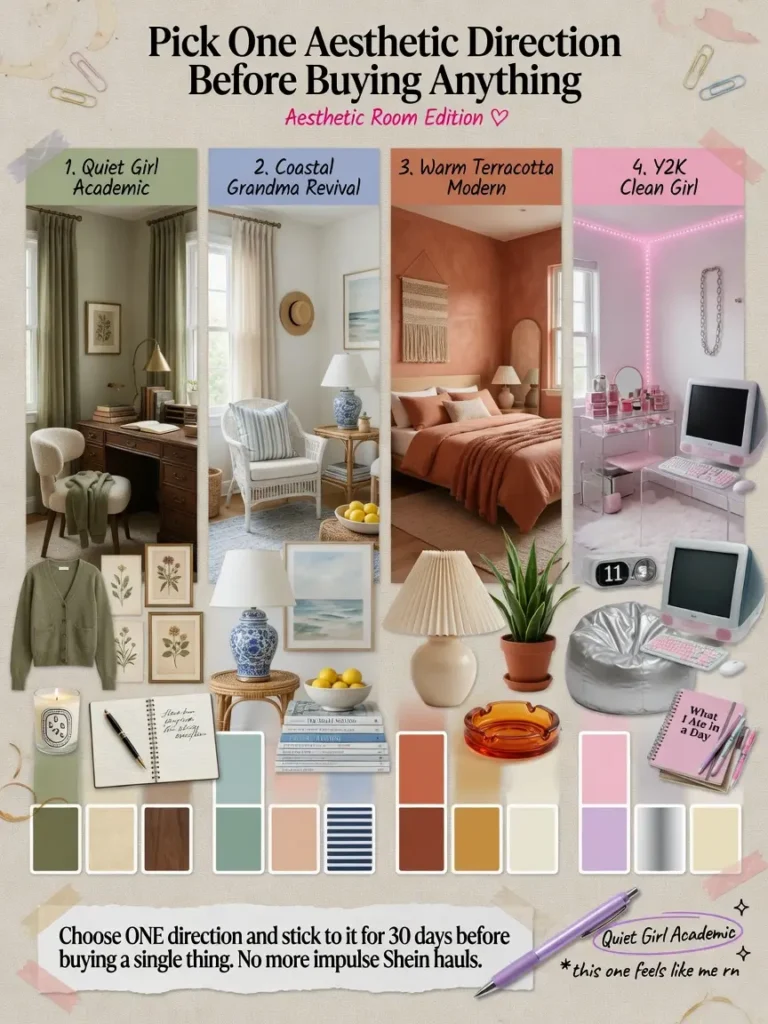
Trying to blend cottagecore, minimalist, and maximalist all in one room usually ends in a space that feels indecisive rather than eclectic. Choose one primary direction, whether that’s soft and romantic, clean and minimal, or warm and collected, and let that choice guide every purchase from here forward, even the small ones.
Why Committing Early Saves Money and Regret
Once you know your direction, you stop buying things that seemed cute in isolation but don’t actually belong in the room you’re building. This single decision, made early, prevents most of the mismatched clutter that keeps a room from feeling finished even after months of adding to it. It also makes shopping considerably faster, since you can rule out an entire category of tempting but unrelated pieces the moment you see them.
2. Build Around a Core Color Palette of Three to Five Tones
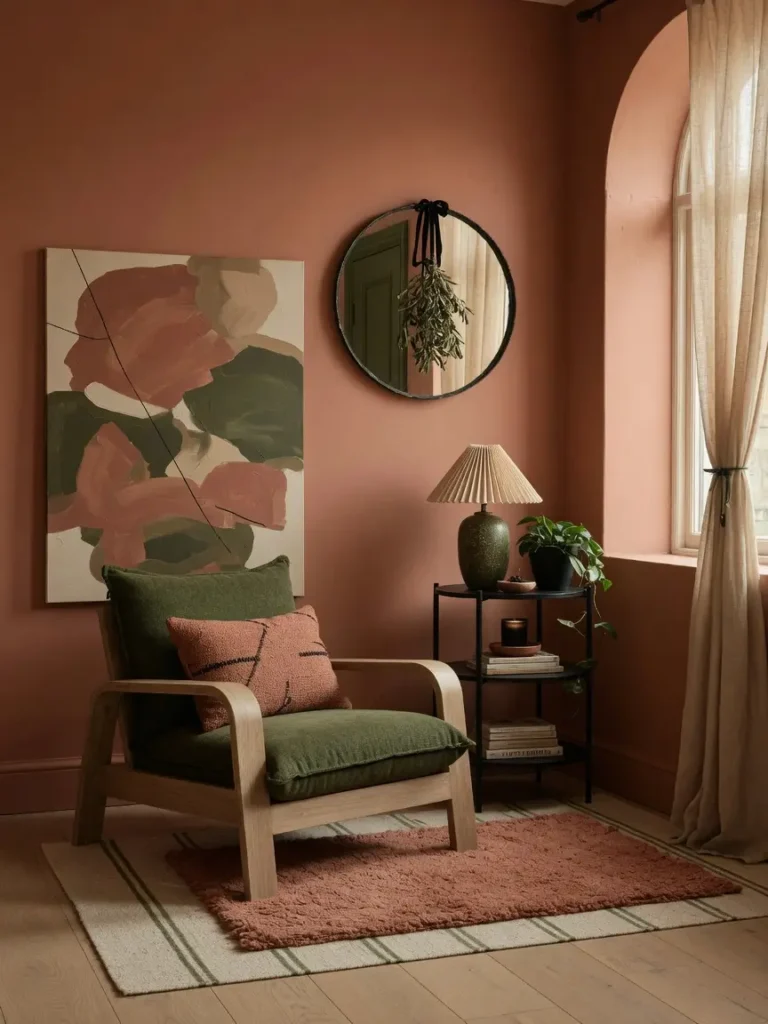
A genuinely cohesive room usually pulls from a tight palette, one dominant neutral, one or two accent colors, and maybe one deeper tone for contrast. Sticking to this same handful of colors across bedding, wall art, and smaller decor keeps a room feeling intentional even as you continue adding pieces over time, since anything new you bring in has an obvious place to slot into rather than needing its own separate justification.
3. Choose a Textile Story and Repeat It
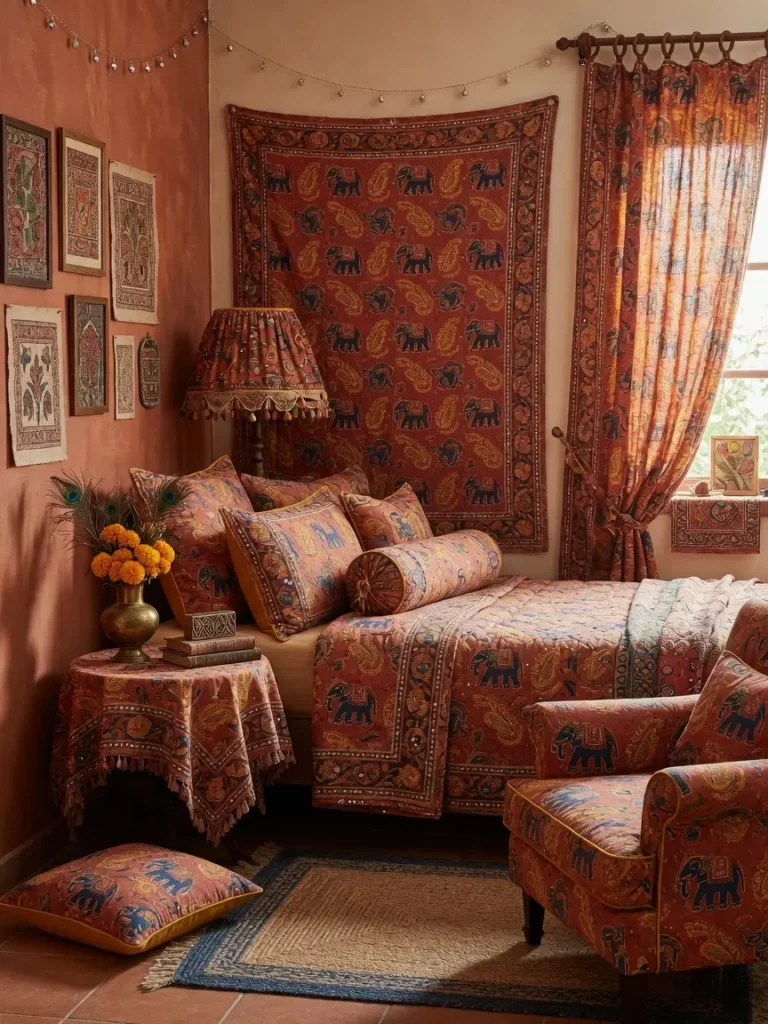
Whatever fabric texture defines your chosen aesthetic, chunky knits for a cozy look, smooth linen for a minimal one, velvet for something more romantic, should show up more than once in the room. A single textured throw pillow surrounded by everything else in a completely different texture reads as random rather than intentional.
4. Let Lighting Set the Mood, Not Just the Overhead Fixture
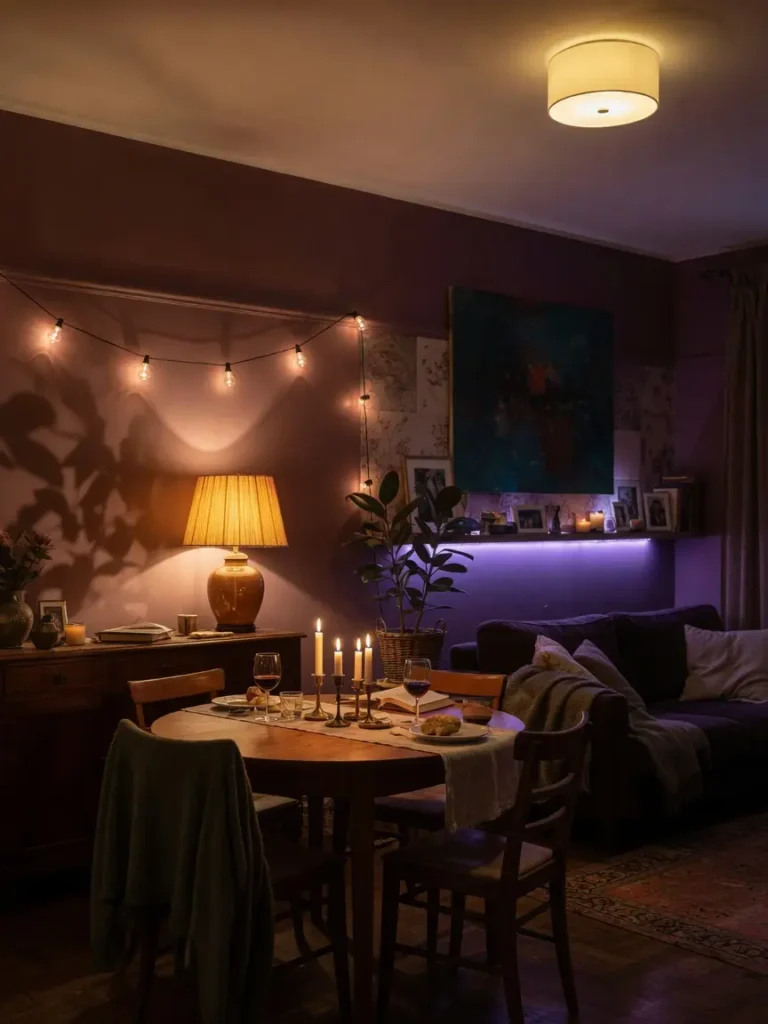
The lighting in a room does more to establish its aesthetic than almost any other single element. A warm, low glow from table lamps and string lights supports a cozy, romantic look, while brighter, more even lighting suits a clean, minimal aesthetic, and getting this wrong is one of the fastest ways to make an otherwise well planned room feel slightly off without being able to pinpoint exactly why. Match your lighting choices to the mood you’re actually going for rather than treating light purely as a functional afterthought.
Layering Multiple Light Sources at Different Heights
A floor lamp, a table lamp, and some smaller accent lighting like string lights or a small nightlight, placed at varying heights around the room, create the kind of depth that a single overhead fixture never can, regardless of which aesthetic you’re building toward.
5. Use One Statement Wall Instead of Decorating Every Surface
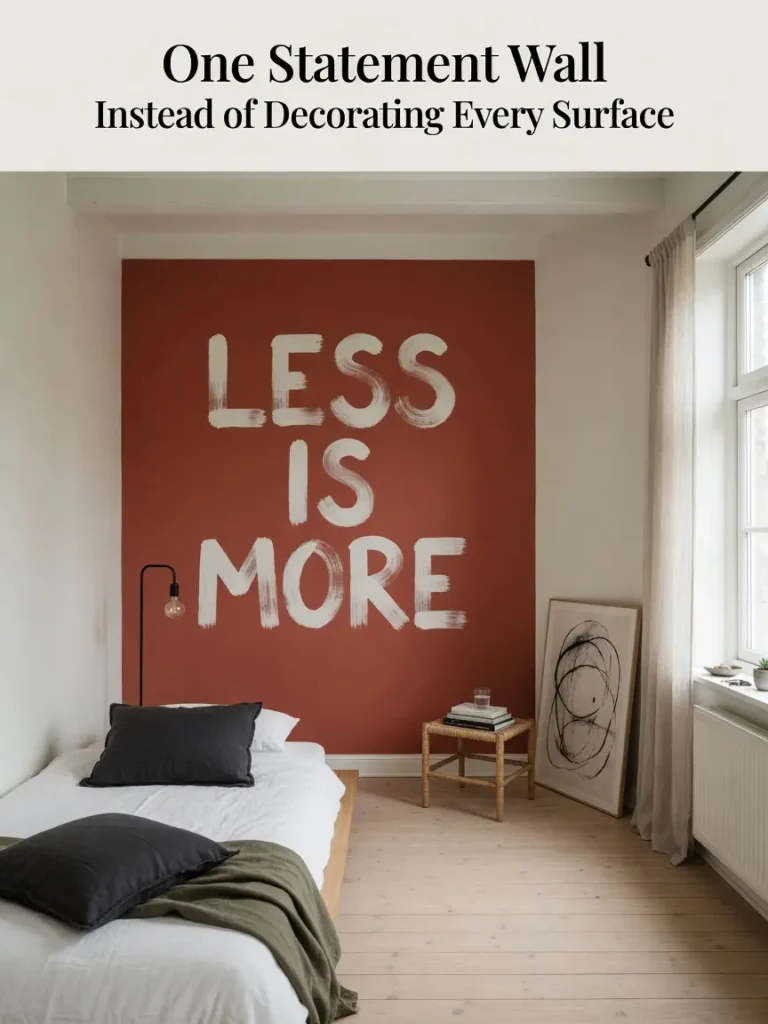
A gallery wall, a bold paint color, or a textured wallpaper on just one wall gives the room a clear focal point without requiring you to commit that same level of intensity to every surface. This is especially useful if you’re not ready to fully commit to a bold choice everywhere, since one wall is a lower risk way to test it out, and it’s also far easier to change your mind about later if the look doesn’t land the way you expected.
6. Choose Furniture Shapes That Match Your Aesthetic’s History
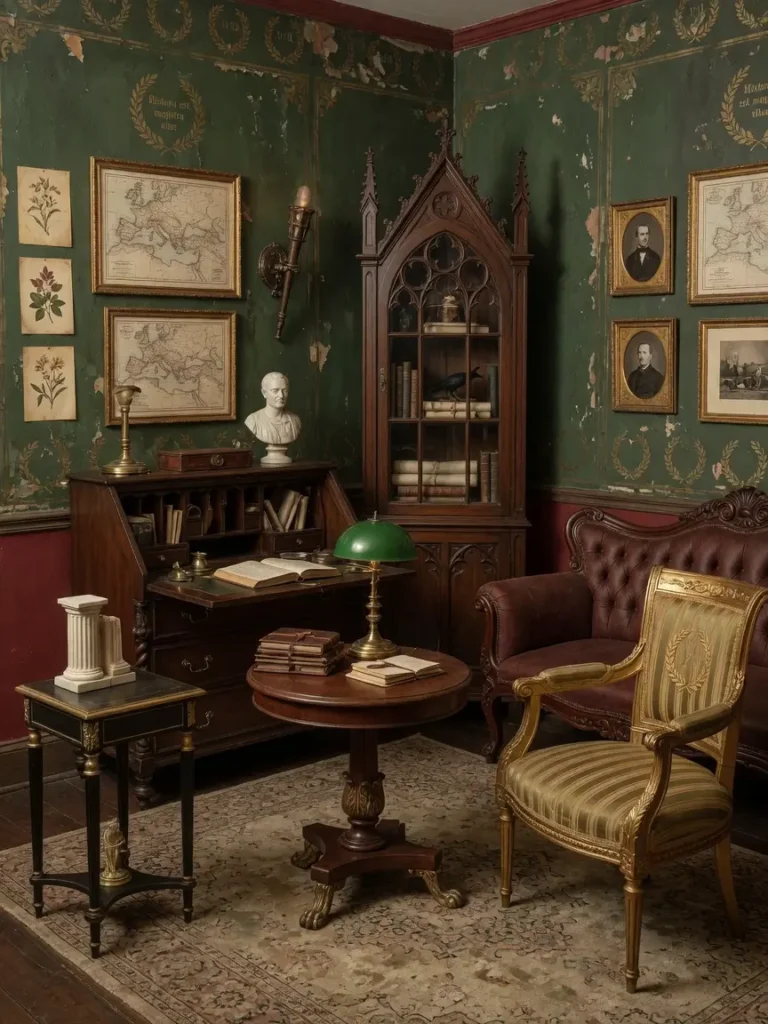
Every well known aesthetic has furniture silhouettes associated with it, curved and soft for something romantic, clean lined and simple for minimalist, ornate and vintage for a more collected look. Choosing furniture shapes that actually fit your direction, rather than whatever happens to be available or on sale, makes a much bigger difference than most people expect, since even the right color and fabric can look out of place on the wrong silhouette entirely.
7. Add Personal Objects That Still Fit the Palette
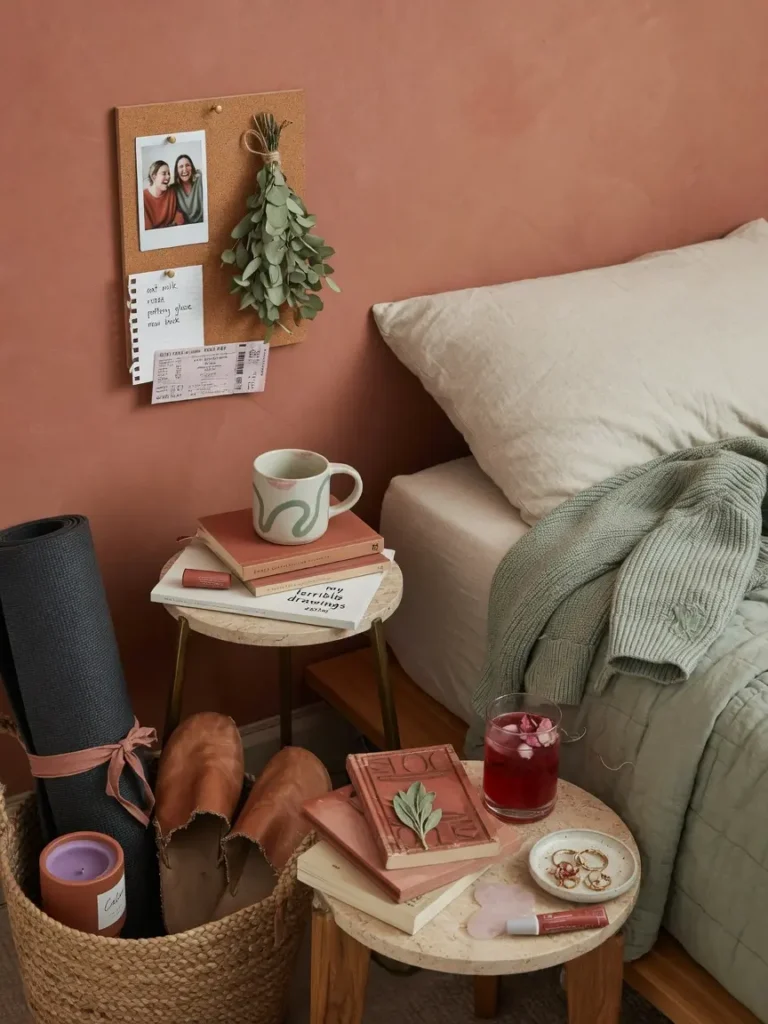
A room built purely from Pinterest inspiration without any personal objects in it can start to feel like a showroom rather than an actual bedroom, which is a common complaint from people who followed every design rule perfectly but still don’t feel at home in the finished space. Photos, souvenirs, or a specific collection you already own, whether it took years to build or just happened naturally over time, can absolutely be incorporated, as long as you’re thoughtful about how they’re displayed within your chosen color palette and overall look, rather than scattering them across every surface regardless of how they fit the rest of the room.
8. Layer Rugs and Textiles on the Floor, Not Just the Bed
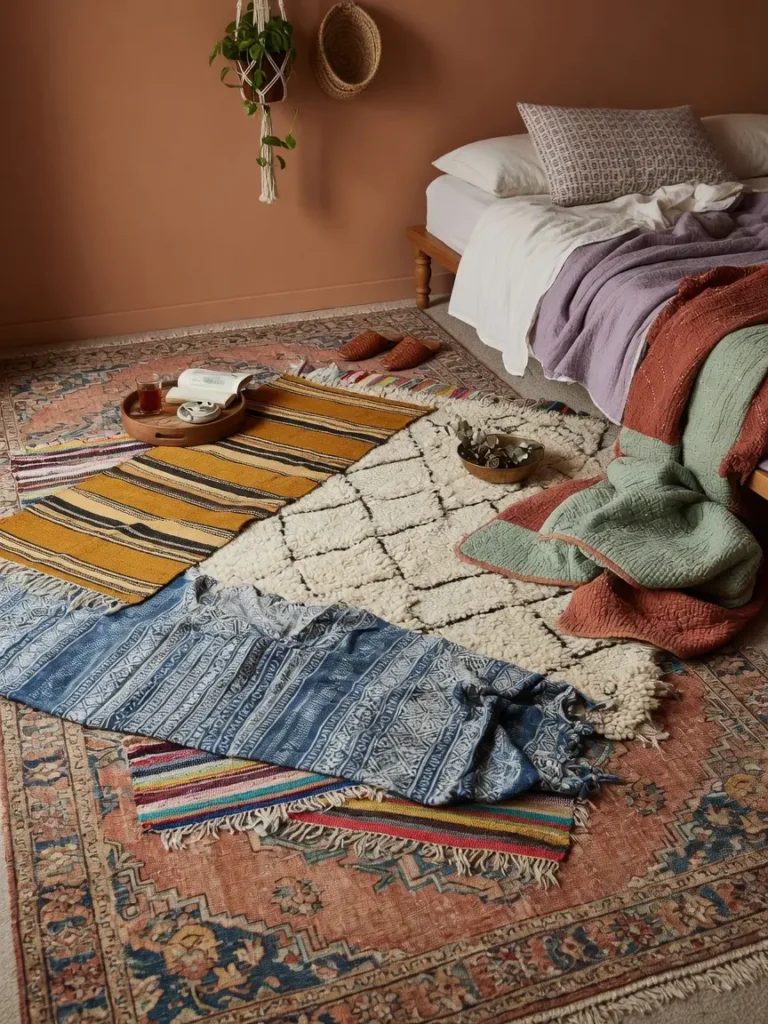
A room’s floor is often the most neglected surface when it comes to building out an aesthetic, with all the attention going toward bedding and walls instead. A textured rug, or even two layered rugs of different sizes and textures, extends the room’s look all the way to the floor and makes the whole space feel more finished, closing the gap between a room that looks great from the doorway and one that holds up from every angle.
9. Keep Storage Aligned With the Look, Not Just Functional
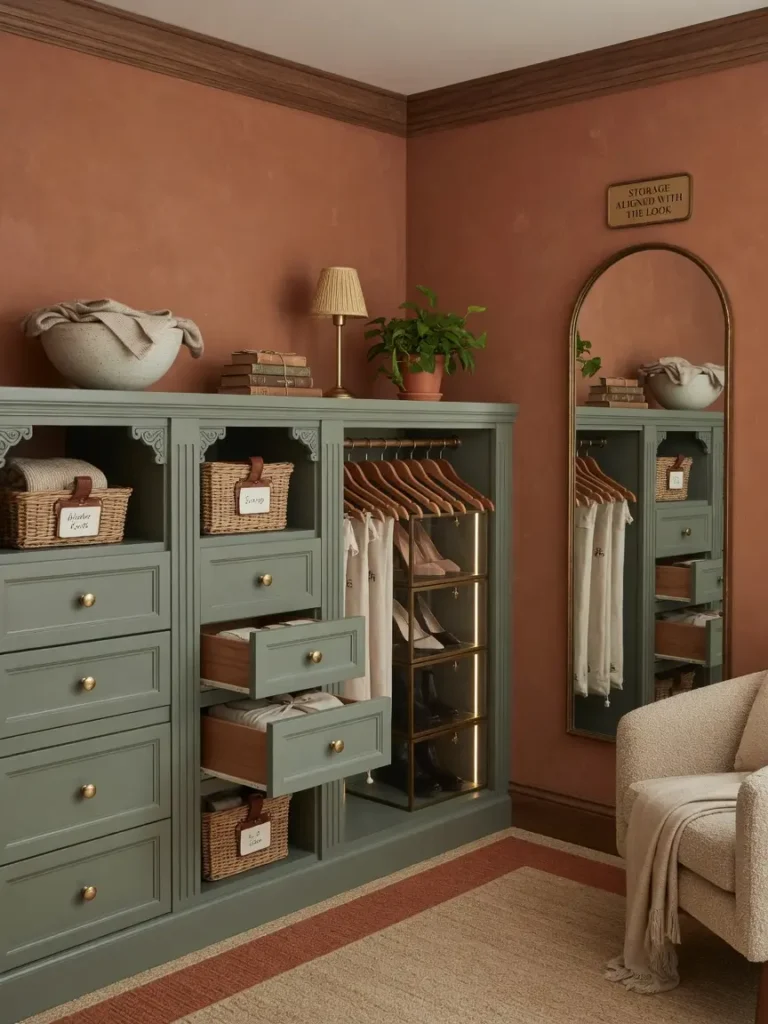
Storage bins, baskets, and organizers are often an afterthought bought purely for function, in whatever color or material happened to be cheapest. Choosing storage that actually fits your aesthetic, woven baskets for a natural look, sleek boxes for a minimal one, keeps the practical necessities from undercutting the room’s overall cohesion, and it usually costs very little extra to choose the version that actually fits rather than grabbing whatever’s cheapest at the store.
10. Edit Ruthlessly Once the Room Feels Finished
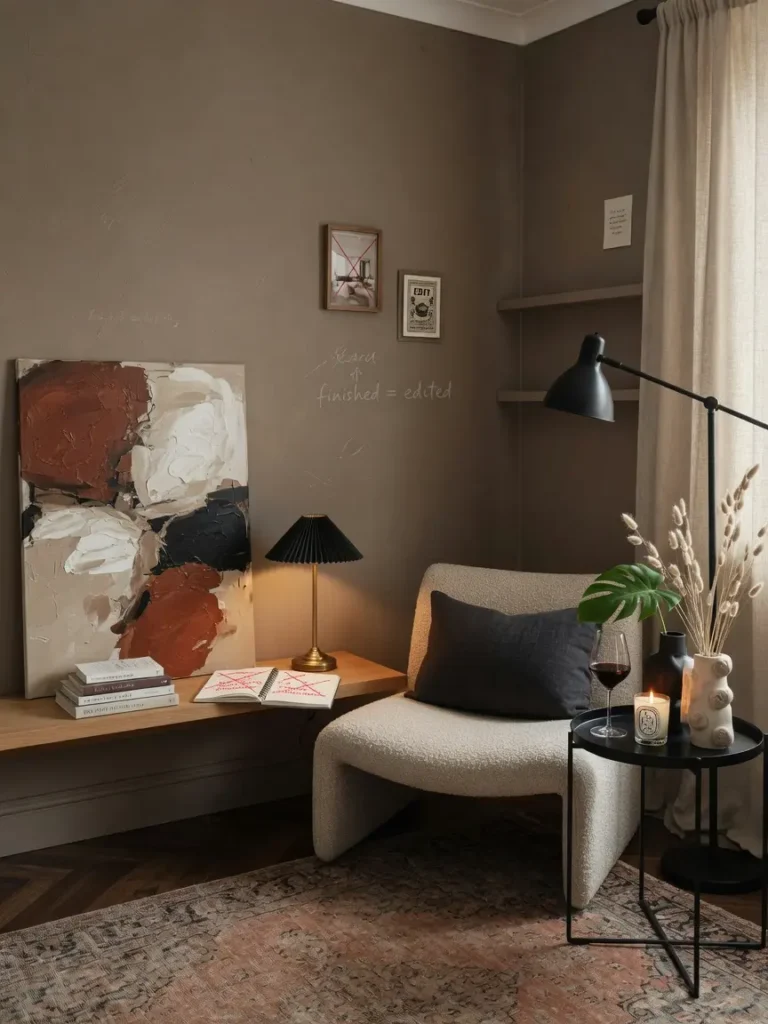
The rooms that read as most put together usually have fewer things in them than you’d expect, not more. Once your room starts feeling complete, resist the urge to keep adding just because you found one more cute item, since that instinct is exactly what turns a genuinely finished room back into an ongoing, never quite settled project. A slightly sparse, cohesive room almost always reads better than a fuller room where every piece is fighting for attention, and it also leaves you room to swap in something better later without the space feeling overcrowded in the meantime.
Mistakes to Avoid
- Mixing several unrelated aesthetics in one room instead of committing to a single clear direction
- Buying decor piece by piece with no shared color palette tying everything together
- Ignoring lighting as purely functional instead of using it to set the actual mood of the room
- Decorating every wall and surface equally instead of choosing one clear statement focal point
- Neglecting the floor entirely while focusing all your effort on the bed and walls
- Continuing to add decor indefinitely instead of recognizing when the room is actually finished
Frequently Asked Questions
How do I choose an aesthetic for my room if I like several different styles? Pick the one that feels most true to how you actually want to feel in the space day to day, and treat the others as inspiration for small accents rather than the room’s main direction.
How many colors should an aesthetic room’s palette include? Three to five tones is a reasonable range, usually one dominant neutral, one or two accent colors, and one deeper tone for contrast, repeated consistently across the room.
Do I need to buy all new furniture to achieve a specific aesthetic? Not necessarily. Existing furniture can often be reworked with new textiles, paint, or hardware to better fit your chosen direction before you consider a full replacement.
What’s the fastest way to make a room feel more cohesive? Committing to one lighting temperature and one core color palette across everything in the room usually creates the most immediate, noticeable improvement.
How do I know when my aesthetic room is actually finished? If you’re adding pieces just because you found something cute rather than because the room genuinely needs it, that’s usually a sign you’ve reached a good stopping point.
Conclusion
An aesthetic room comes together when you commit early to one clear direction and let that decision guide every choice from there, the color palette, the textures, the furniture shapes, the lighting. Resist the pull toward collecting every cute thing you’ve saved, and instead build slowly around a consistent core that actually reflects one specific feeling you want the room to have. A room built this way tends to hold up over time in a way a fast, all at once decorating spree rarely does.

Leave a Reply