10 Cozy Living Room Flooring Ideas for a Space You Never Want to Leave
Most households spend more time in the living room than anywhere else in the house, which means the floor underneath everything matters more here than in almost any other room. A cold, hard, or overly sleek floor can quietly undercut even the best furniture and decor, no matter how much money went into the sofa or the art on the walls. These cozy living room flooring ideas are about turning a functional floor into part of what actually makes the room feel like a place to relax, not just pass through on your way somewhere else.
Coziness comes from a few things working together. The base material and its color. How much texture and softness gets layered on top. Whether the finish reads as warm or clinical once the light hits it. Get these right and the whole room shifts, often more than any single piece of furniture could manage on its own, which is part of why flooring gets overlooked so often during a redecorating project.
1. Choose Warm Wood Tones Over Cool Gray Flooring
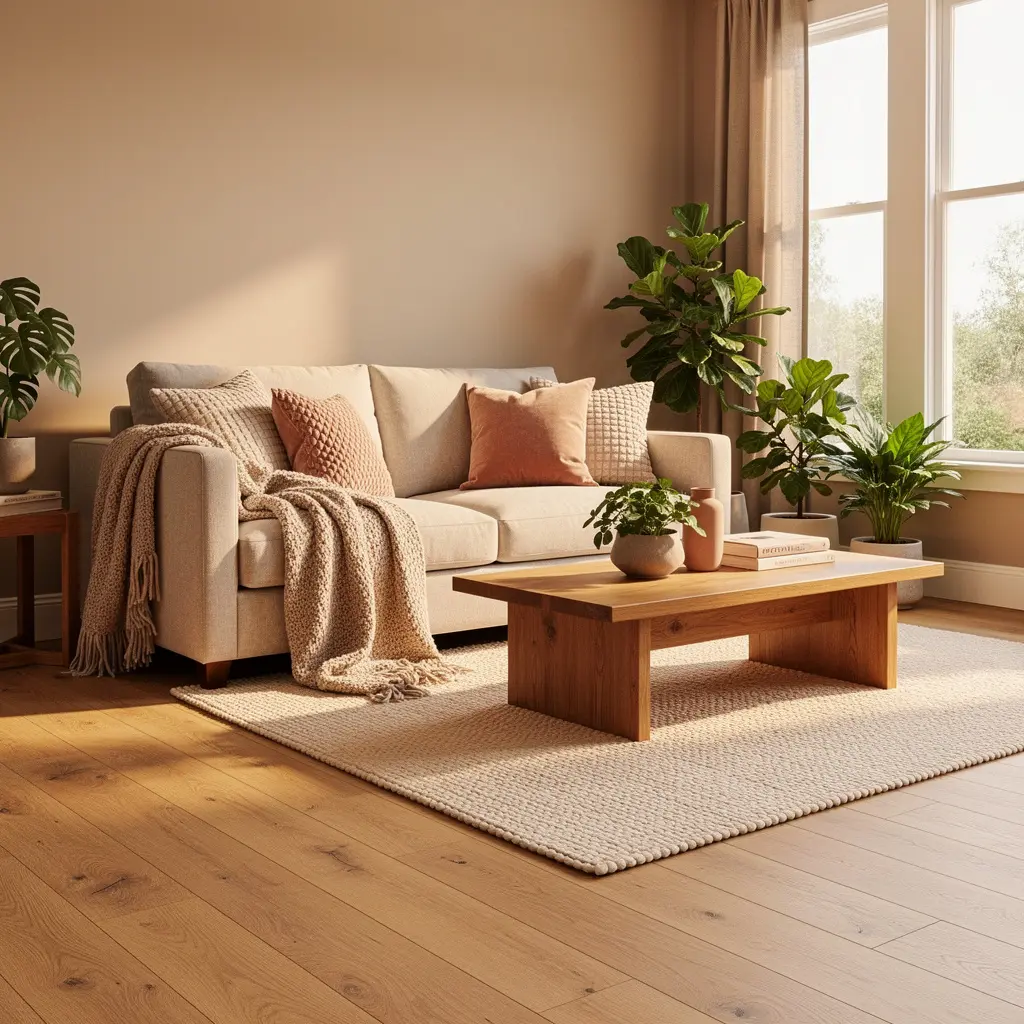
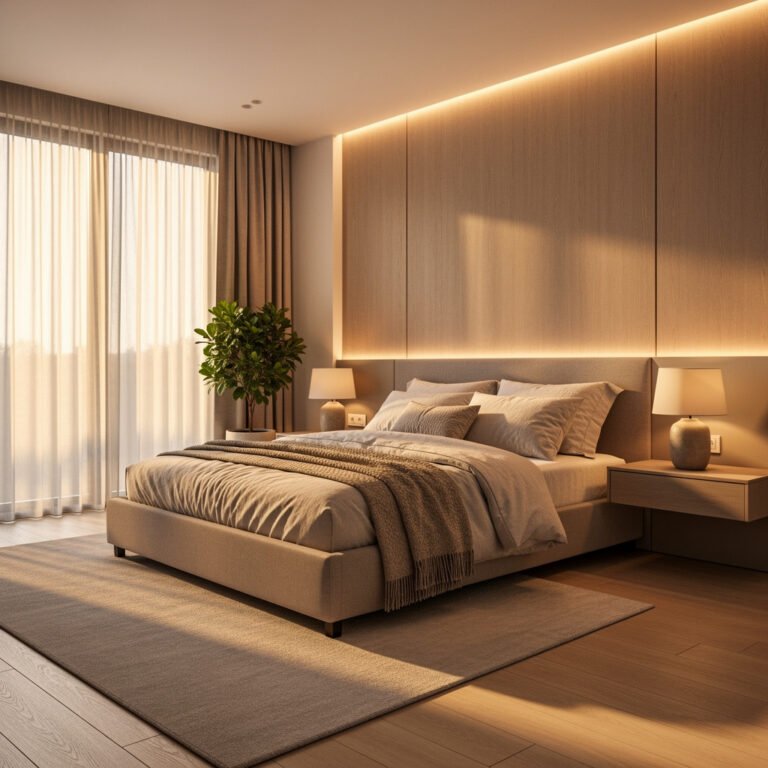
Gray flooring has been everywhere for years now. It looks modern, sure, but modern isn’t the same thing as cozy. Warm wood tones, real hardwood, engineered wood, or a wood look alternative, in honey oak or golden walnut or a weathered finish, shift a living room’s whole feeling almost immediately.
Hardwood pricing swings a lot based on species and finish, generally 6 to 22 dollars a square foot installed. Wood look vinyl or laminate costs considerably less while still delivering much of the same warm visual effect, if budget’s a concern.
2. Layer an Area Rug for Instant Softness and Warmth
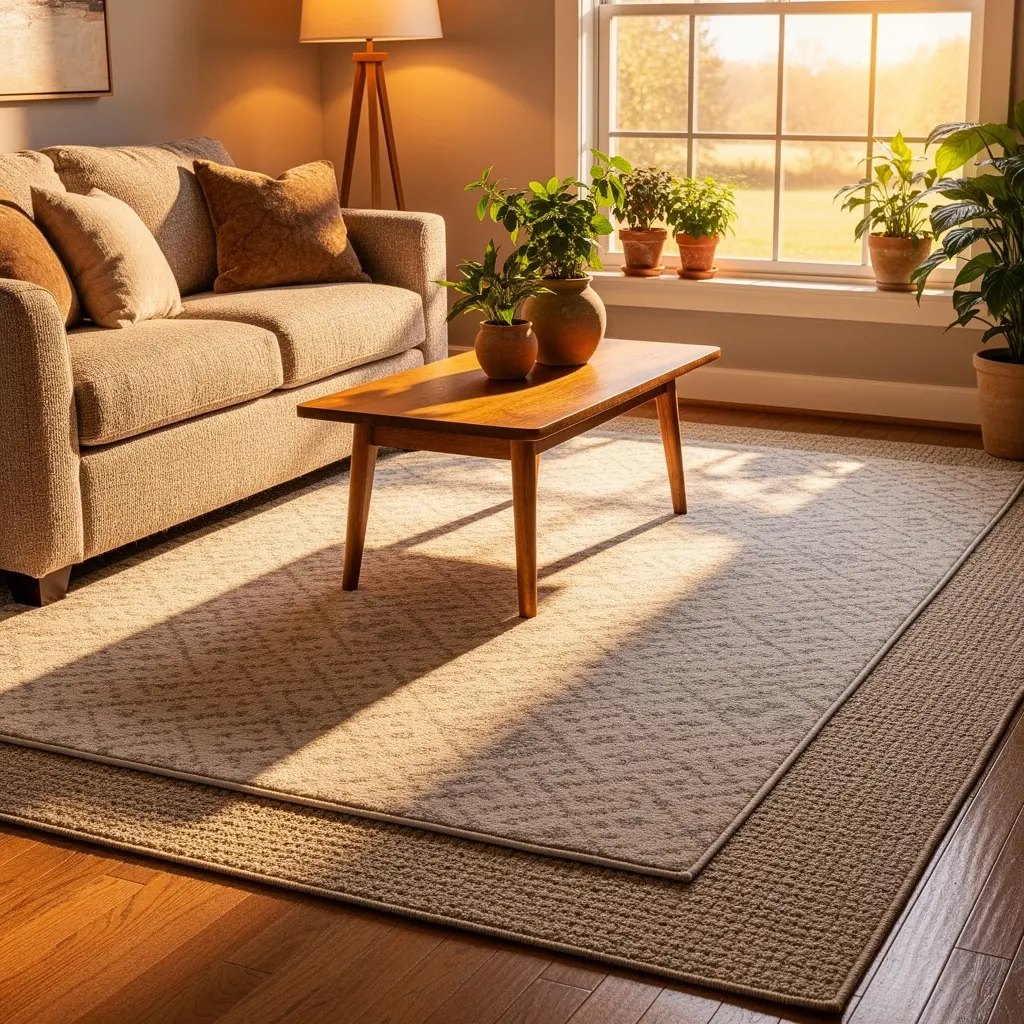
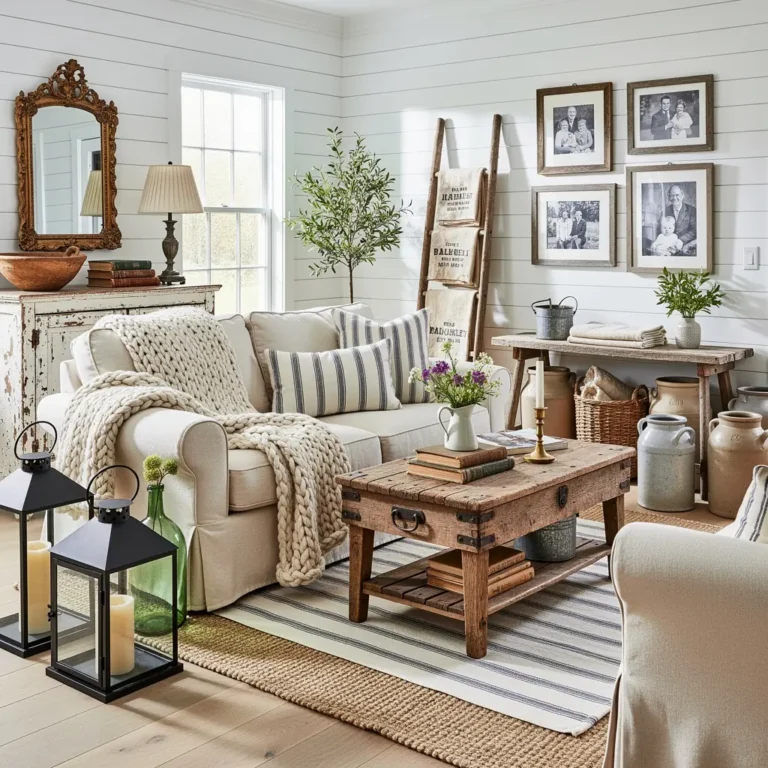
Even the warmest hard flooring is still, well, hard. A large area rug under the main seating area adds physical softness that no amount of warm coloring can replicate on its own. Wool or wool blend rugs, generally 200 to 800 dollars depending on size and quality, tend to feel the most substantial underfoot.
Sizing a Rug for Maximum Coziness
Too small a rug looks like it’s floating, awkward and disconnected from the furniture around it. A decent rule of thumb: size it so at least the front legs of every major piece of furniture rest on it. Looks more intentional, and it maximizes how much soft surface you’re actually walking and sitting on.
3. Consider Carpet or Carpet Tiles for Maximum Coziness
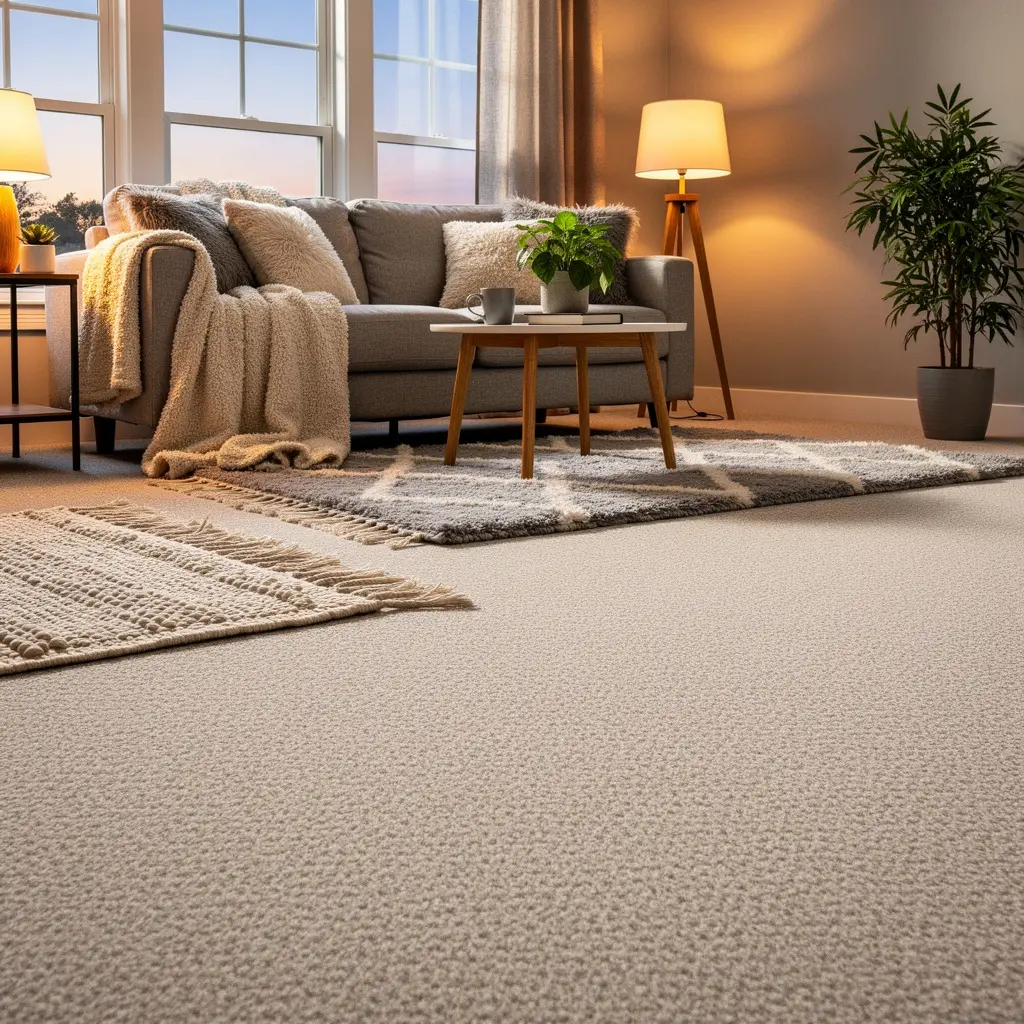
If softness matters more to you than the look of hard flooring, wall to wall carpet is still one of the coziest choices out there, especially in colder climates or in a household with young kids who spend a lot of time sitting on the floor. Carpet tiles offer more flexibility too, since you can swap out a worn or stained section without redoing the whole floor.
Plush, higher pile carpet feels cozier than a tight berber weave. But that tighter weave holds up better to furniture and heavy traffic over the years, so there’s a real trade off either way, and it usually comes down to whether you’re prioritizing how the room feels today or how it holds up five years from now.
4. Add a Rug Pad for Extra Cushion Underfoot
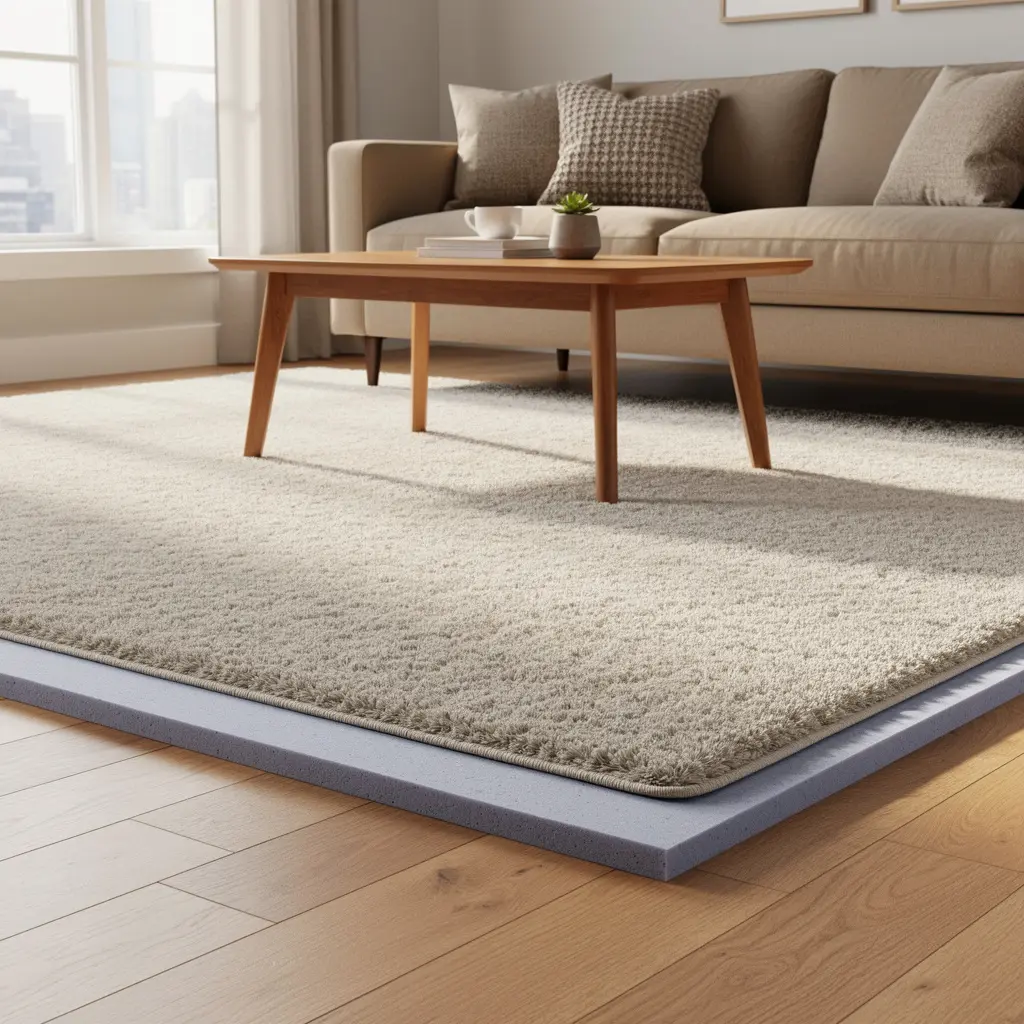
A rug pad underneath any area rug adds a layer of cushion that changes how the rug feels far more than most people expect. Pads run 20 to 60 dollars depending on size and thickness, and a thicker pad genuinely feels different than a thin, grip only version.
It’s not just about comfort either. A good pad protects both the rug and the floor underneath, so both last longer.
5. Choose Wide Plank Flooring for a More Grounded Feel
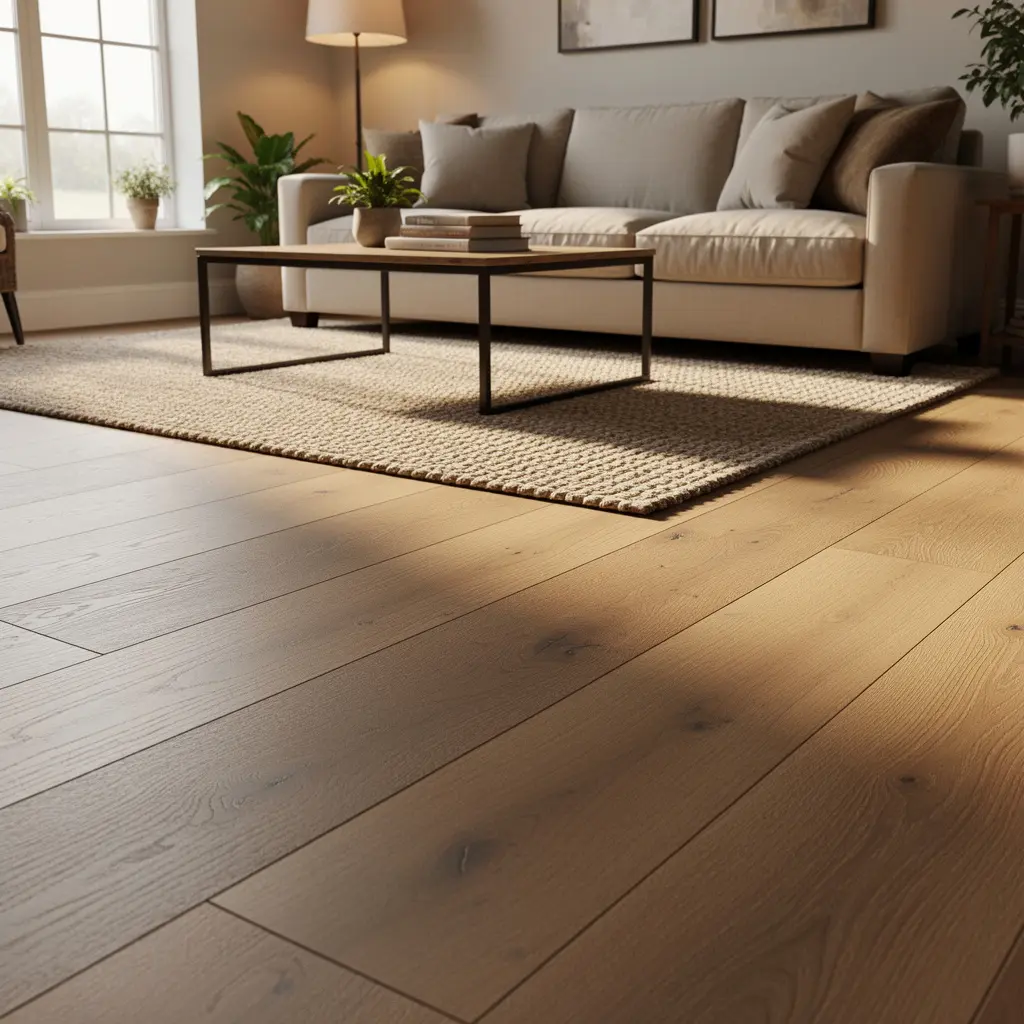
Narrow boards, under 5 inches, create more visual lines running across a room, which can feel busier than it needs to. Wide plank, 7 inches or more, cuts down on seams and just feels calmer and more substantial underfoot.
Why Fewer Seams Contribute to a Cozier Feeling
Fewer seams means fewer visual breaks as your eye moves across the room. And a room with fewer interruptions tends to feel calmer to sit in, even though the material itself hasn’t actually changed at all.
6. Use Warm Toned Vinyl or Laminate on a Budget
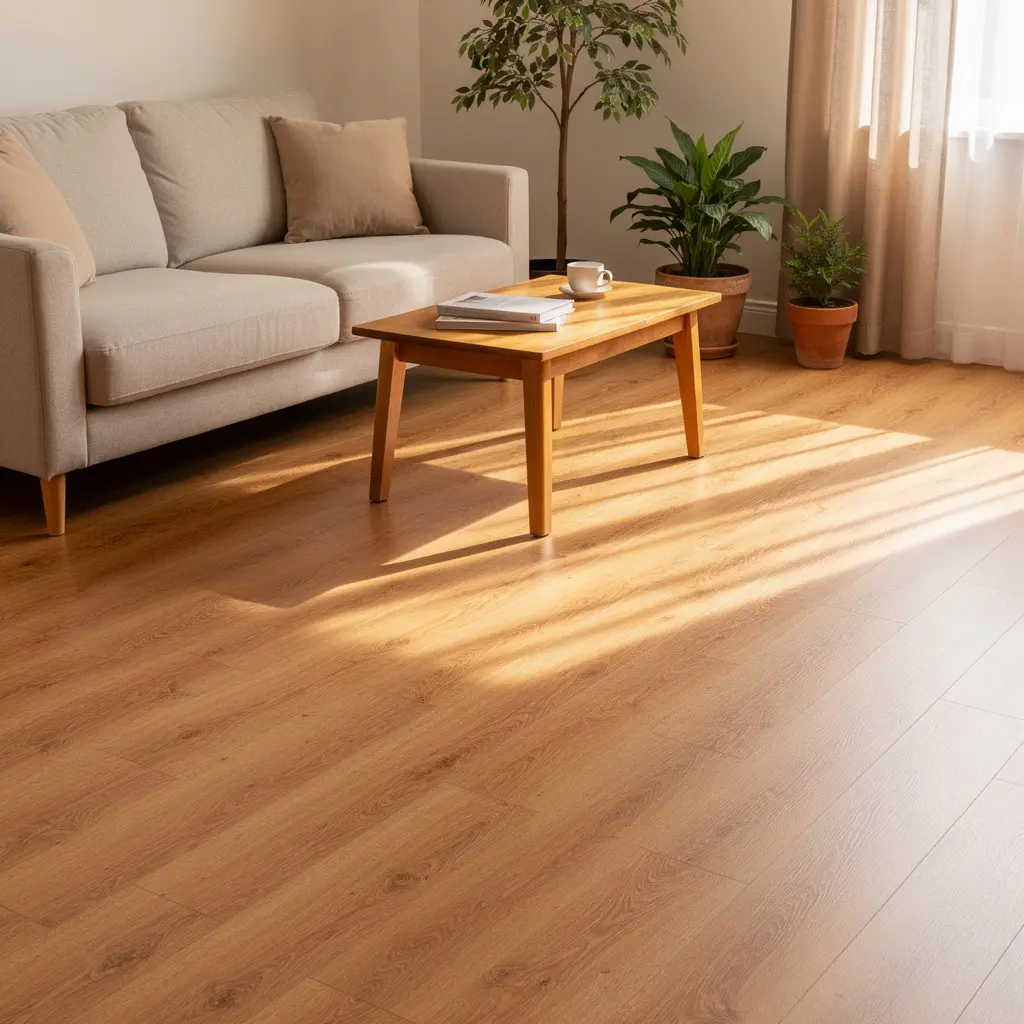
If the budget’s tight, wood look vinyl or laminate in warm tones gets you most of the coziness of real hardwood for a fraction of the cost. Vinyl generally runs 2 to 6 dollars a square foot, laminate a bit more, both delivering a warm look without the investment real hardwood asks for.
Go for a textured, embossed finish rather than something smooth and printed. It reads as more authentic, and honestly, it just feels better underfoot too.
7. Balance Hard Flooring With Soft Textiles Throughout the Room
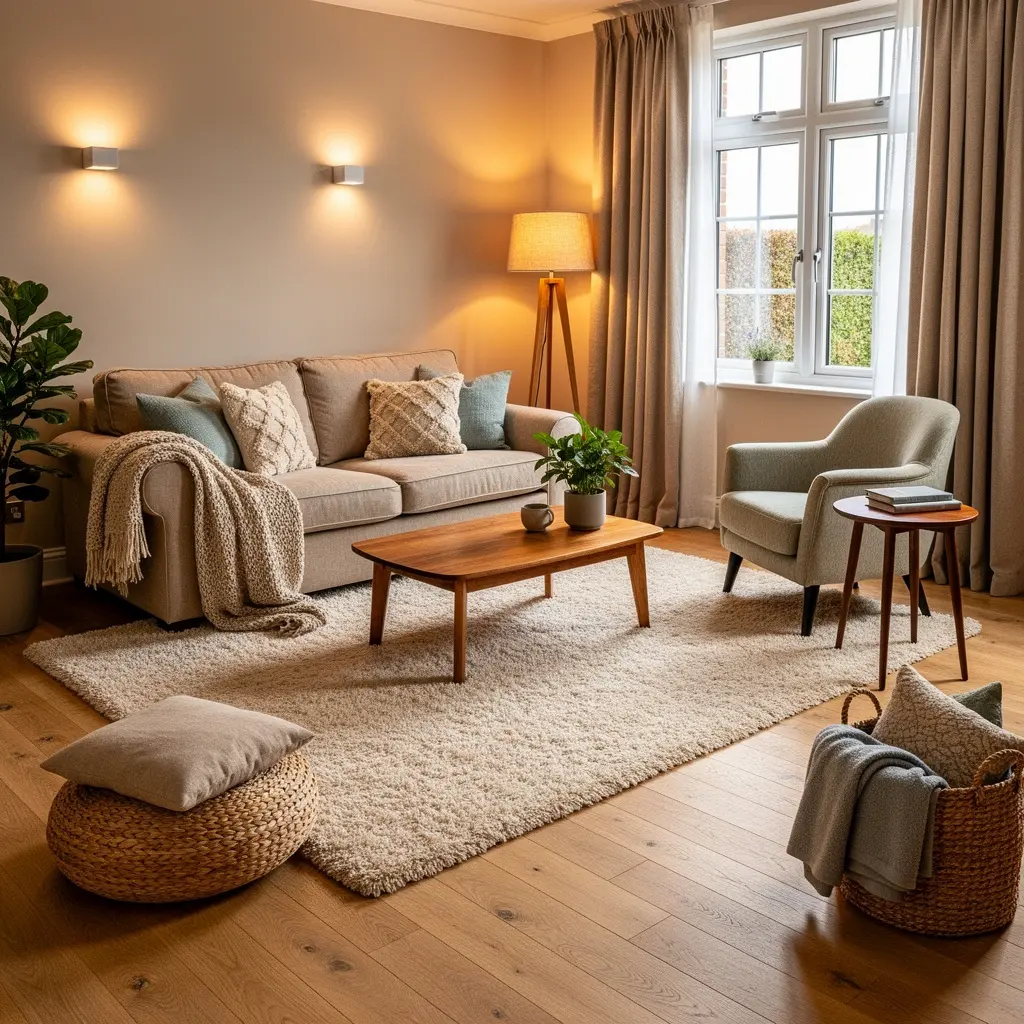
Curtains, throw blankets, upholstered furniture, all of it softens the hard edges a wood or wood look floor introduces. A room with only hard surfaces, even warm colored ones, can still feel a bit sparse without these extra layers, no matter how carefully the flooring itself was chosen.
This matters even more in open concept spaces, where the same flooring often runs straight into the kitchen or dining area. Layering textiles specifically in the living room helps it read as the coziest zone within that larger open footprint.
8. Add Radiant Heating for a Genuinely Cozy Floor
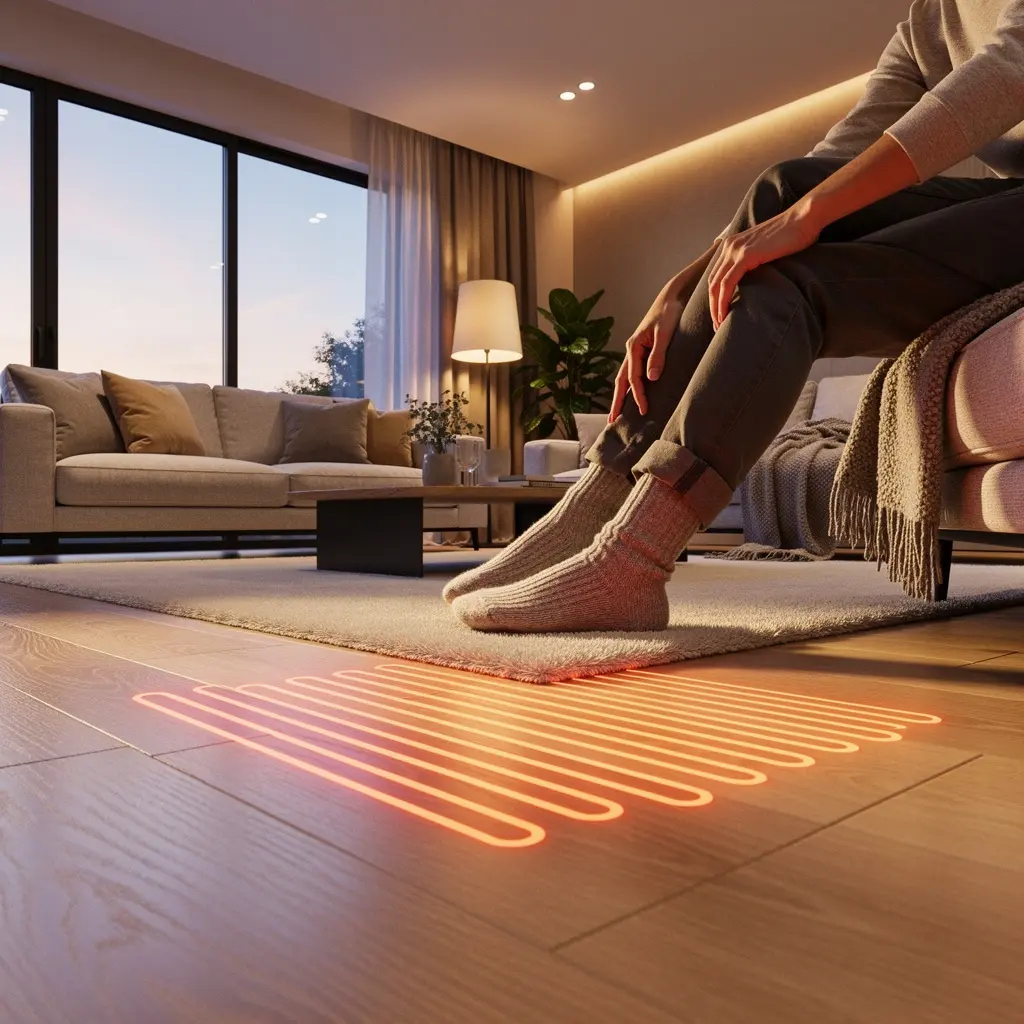
Radiant floor heating under hard flooring warms the floor itself, tackling cold feet head on instead of relying purely on visual tricks and textile layering. Particularly worth it in colder climates, or in a living room sitting above an unheated basement or crawl space, where the temperature difference is noticeable even through socks.
Costs depend on room size and project type. But a lot of homeowners say it changes how comfortable the living room feels during the colder months more than almost anything else they’ve done.
9. Pick a Matte Finish Over a High Gloss Floor
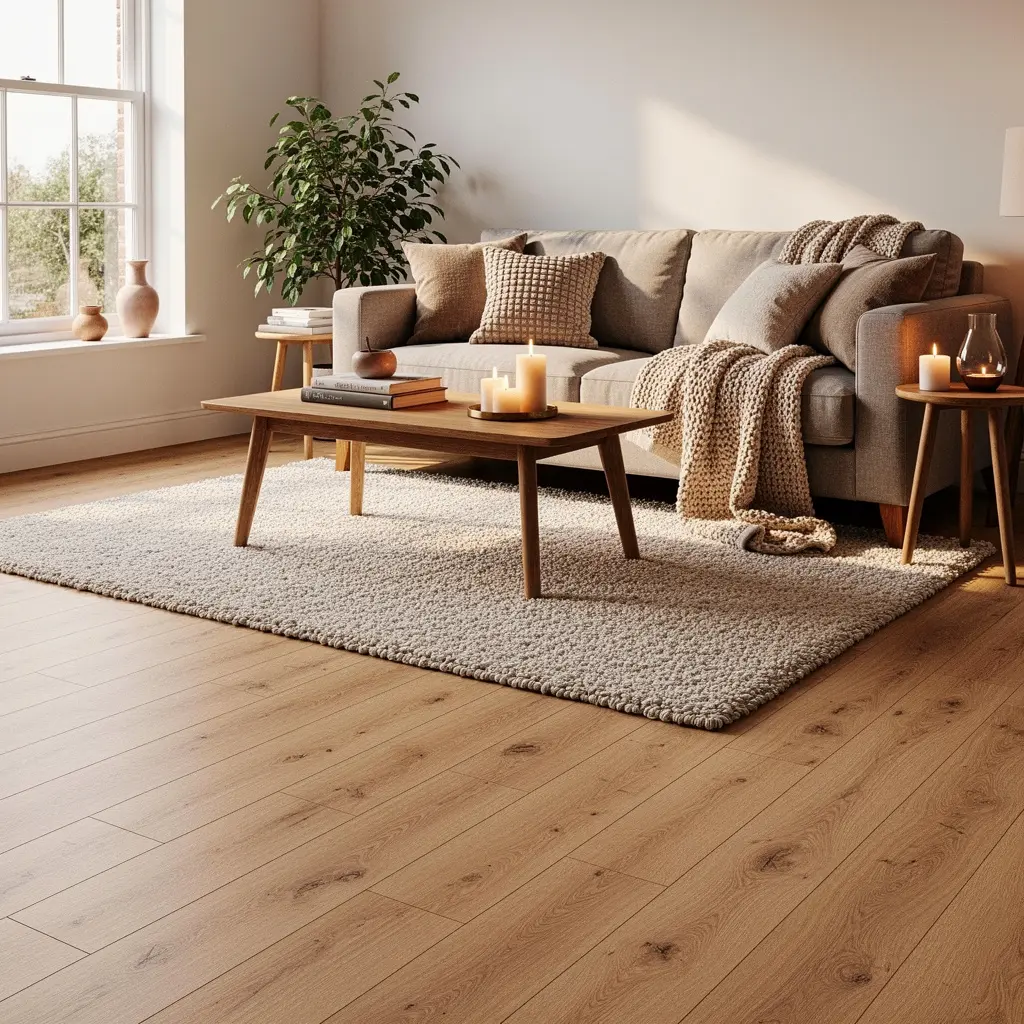
High gloss flooring reflects more light and looks sleek, no argument there. It also reads as more clinical, less warm, than a matte or satin finish, which absorbs light instead of bouncing it back at you.
This holds across hardwood, engineered wood, laminate, and vinyl. Finish is one of the more straightforward levers for shifting how a floor feels overall, without touching the wood tone or material at all.
10. Maintain Flooring So It Stays Looking and Feeling Warm
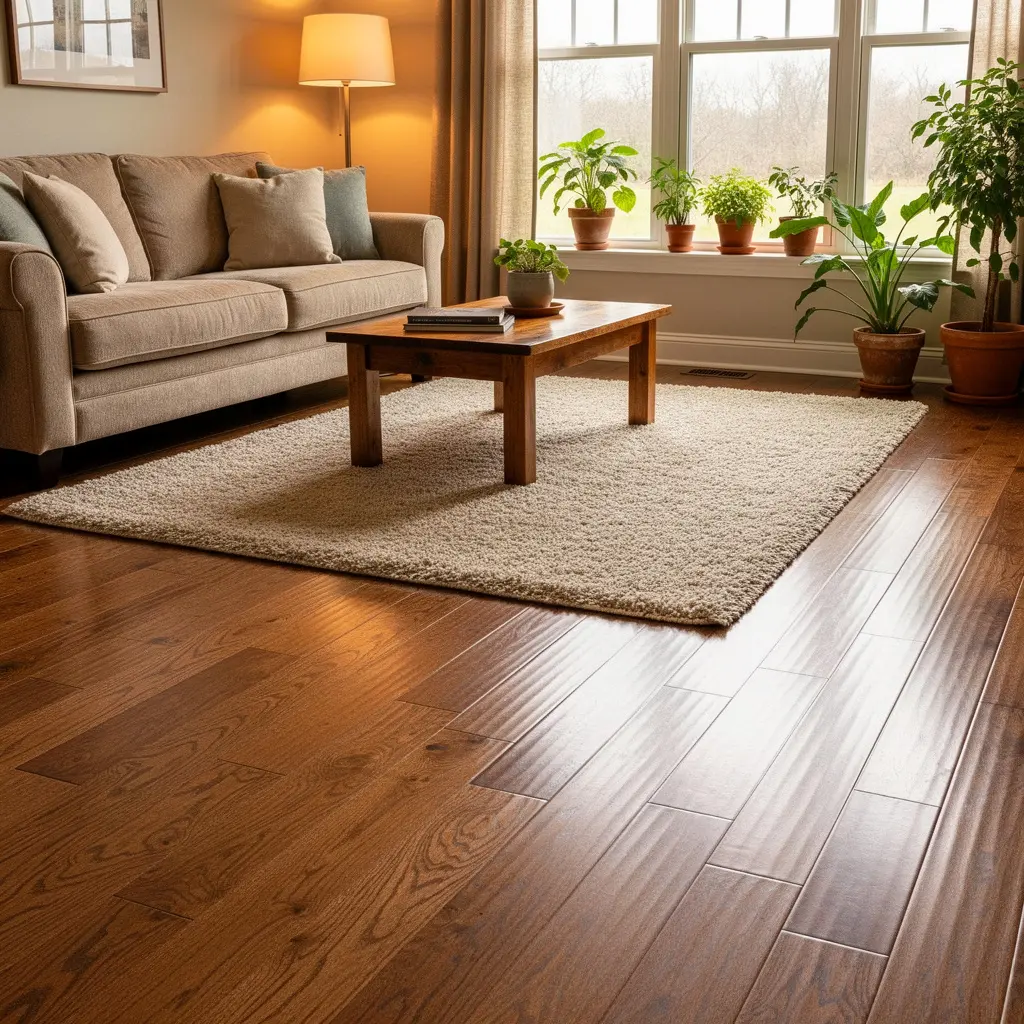
Regular sweeping, the right cleaning products for whatever material you’ve got, felt pads under furniture legs. That’s most of it. Rotating area rugs now and then also stops uneven fading and wear patterns that make a floor look tired before its time.
Handle scratches or wear promptly, whether that’s a touch up kit for wood or swapping a worn carpet tile section. Keeps the room looking cared for instead of gradually showing its age in patches that become harder to ignore the longer they sit there.
Mistakes to Avoid
- Choosing cool gray flooring when the goal is a genuinely warm, cozy living room
- Skipping a rug pad, which significantly affects how soft an area rug actually feels
- Sizing a rug too small for the seating arrangement it’s meant to anchor
- Selecting a high gloss finish when a matte or satin finish would read as warmer
- Relying entirely on hard flooring with no soft textiles layered throughout the room
- Neglecting regular maintenance, which allows scratches and wear to accumulate and dull the floor’s appearance
Frequently Asked Questions
What’s the coziest flooring material for a living room? Carpet, physically, gives you the most softness underfoot. Warm wood or wood look flooring paired with a large area rug gets you close, with more flexibility and durability over time.
How big should an area rug be in a living room? Big enough that the front legs of your major furniture pieces rest on it. That usually ends up larger than people expect the first time they measure it out.
Is wide plank flooring more expensive than narrow plank? Not necessarily. Pricing depends more on the material and brand than plank width itself, though some premium wide plank products carry a modest price bump.
Does radiant heating work under any type of living room flooring? No, compatibility varies by material and product. Check manufacturer guidelines before installing, especially with engineered wood, laminate, or vinyl.
How do I make an existing living room floor feel cozier without replacing it? A large area rug with a good pad, warmer lighting, and soft textiles like curtains and throws layered throughout. None of it requires touching the actual flooring.
Conclusion
A cozy living room floor comes down to warm tones, texture layered through rugs and textiles, and a matte finish over anything glossy. These choices work together across the whole room, not in isolation, and even a modest budget can get you real warmth if you prioritize a good rug and pad over ripping out and replacing the entire floor. Start there, live with it for a while, and decide later whether the floor itself needs to change.