
You’ve tried the stark, all white minimalist look, and instead of feeling calm, your home just feels cold and a little empty. Japandi home decor solves that exact problem by blending Japanese minimalism’s quiet restraint with Scandinavian design’s natural warmth, creating a space that feels genuinely peaceful rather than sparse. It’s not a passing look either. Pinterest search interest in Japandi has climbed sharply in recent years, and the style has matured from a trend into what many designers now consider a lasting philosophy for how people actually want to live. Here are ten ways to bring that calm, grounded feeling into your own home.
1. Start With a Neutral, Earthy Color Palette
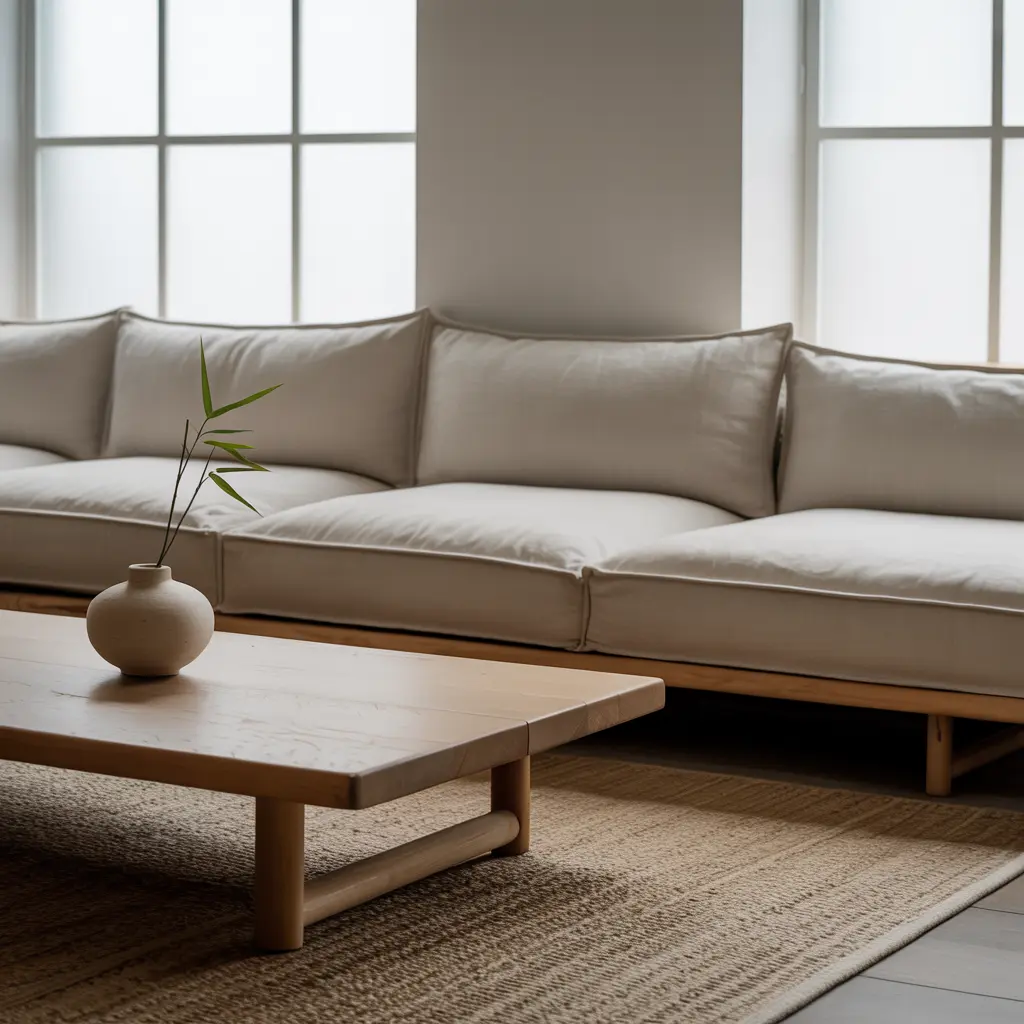
Japandi home decor relies on a restrained color palette that leans warmer and earthier than strict Western minimalism, avoiding the stark white and gray combinations that can feel clinical.
Building the Base Palette
Soft beige, warm taupe, and muted cream form the foundation, with deeper earthy accents like charcoal, cedar, or indigo layered in through furniture and textiles. This warmer palette is part of what separates Japandi from a colder, more sterile minimalism, since the goal is a room that feels grounded and calm rather than empty.
2. Choose Low, Honest Furniture With Visible Craftsmanship
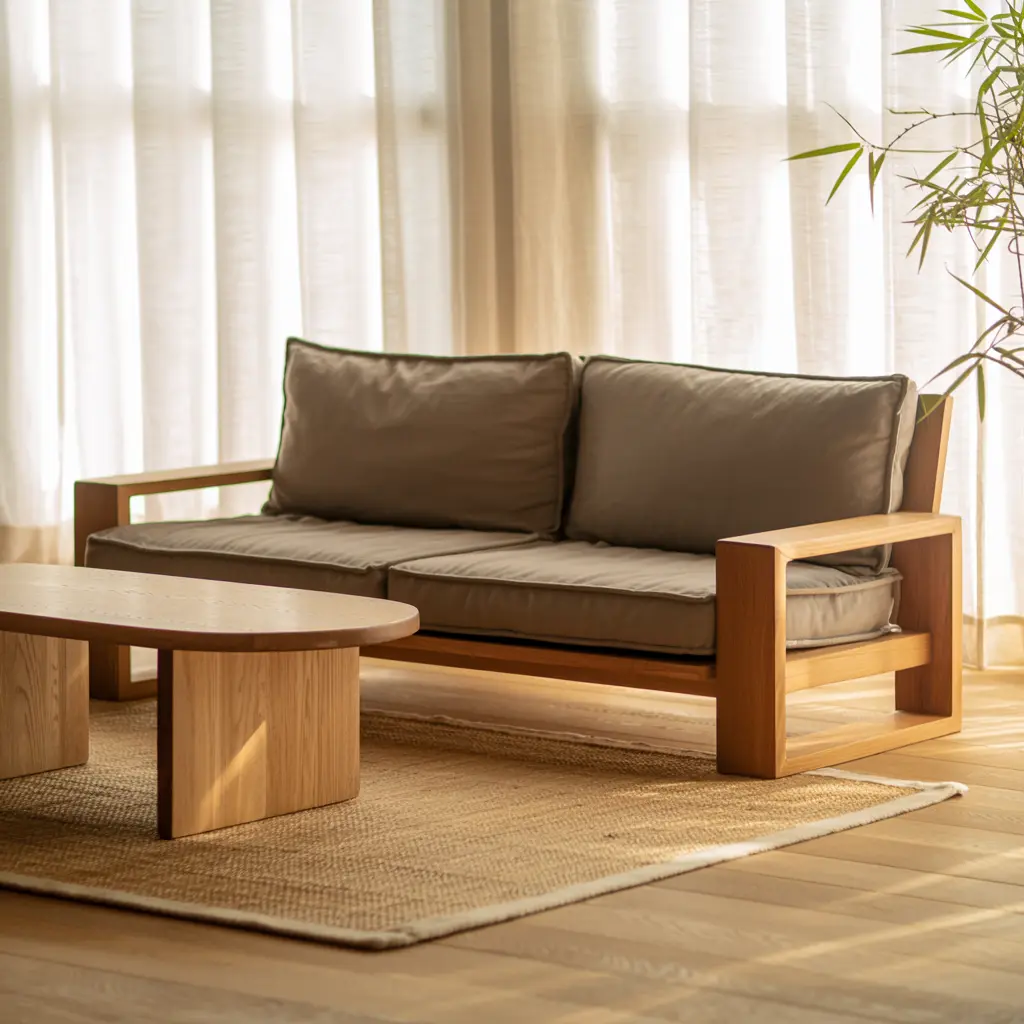
A defining feature of Japandi furniture is its low profile and simple, honest construction, pieces that don’t hide how they’re made, with joinery, grain, and material choices left visible rather than covered up.
A low sofa with an exposed oak frame, simple beige linen cushions, and a wishbone-style dining chair with a woven seat are the kind of staple pieces that read as Japandi immediately. This lower furniture height also has a practical effect on a room, drawing the eye toward windows and views rather than up toward the furniture itself, which can make ceilings feel taller and rooms feel more open.
3. Let Empty Space Do Real Design Work
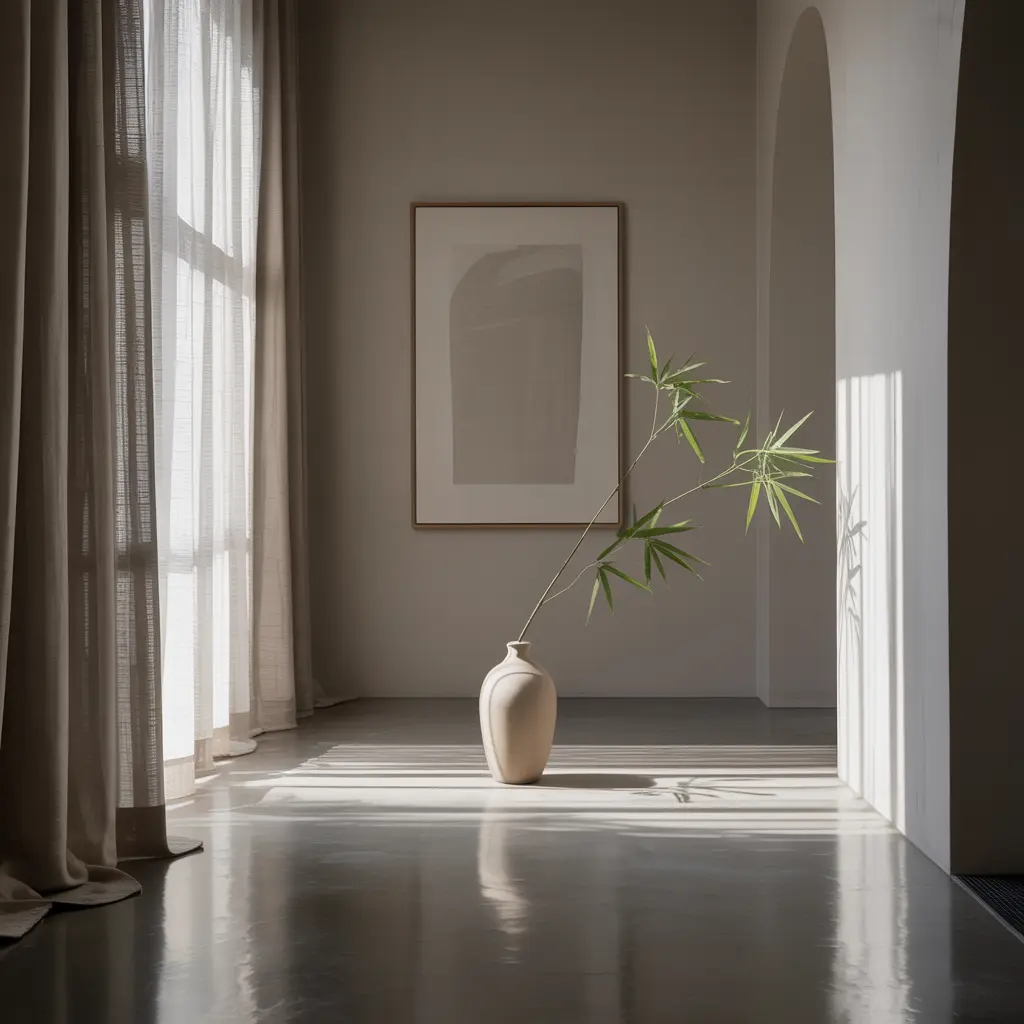
Japandi home decor treats empty space as an intentional design element rather than a gap to be filled, drawing on the Japanese concept of ma, the power of negative space, combined with Scandinavian functionalism’s preference for only what’s genuinely useful.
Practicing Restraint
This means resisting the instinct to fill every surface or wall. A single well chosen object on an otherwise clear shelf carries more visual weight than five smaller items crowded together. Before adding anything new to a room, it’s worth asking whether the piece earns its place through both function and genuine visual calm, rather than adding it simply because the space looks unfinished.
4. Embrace Wabi-Sabi Through Handmade, Imperfect Pieces
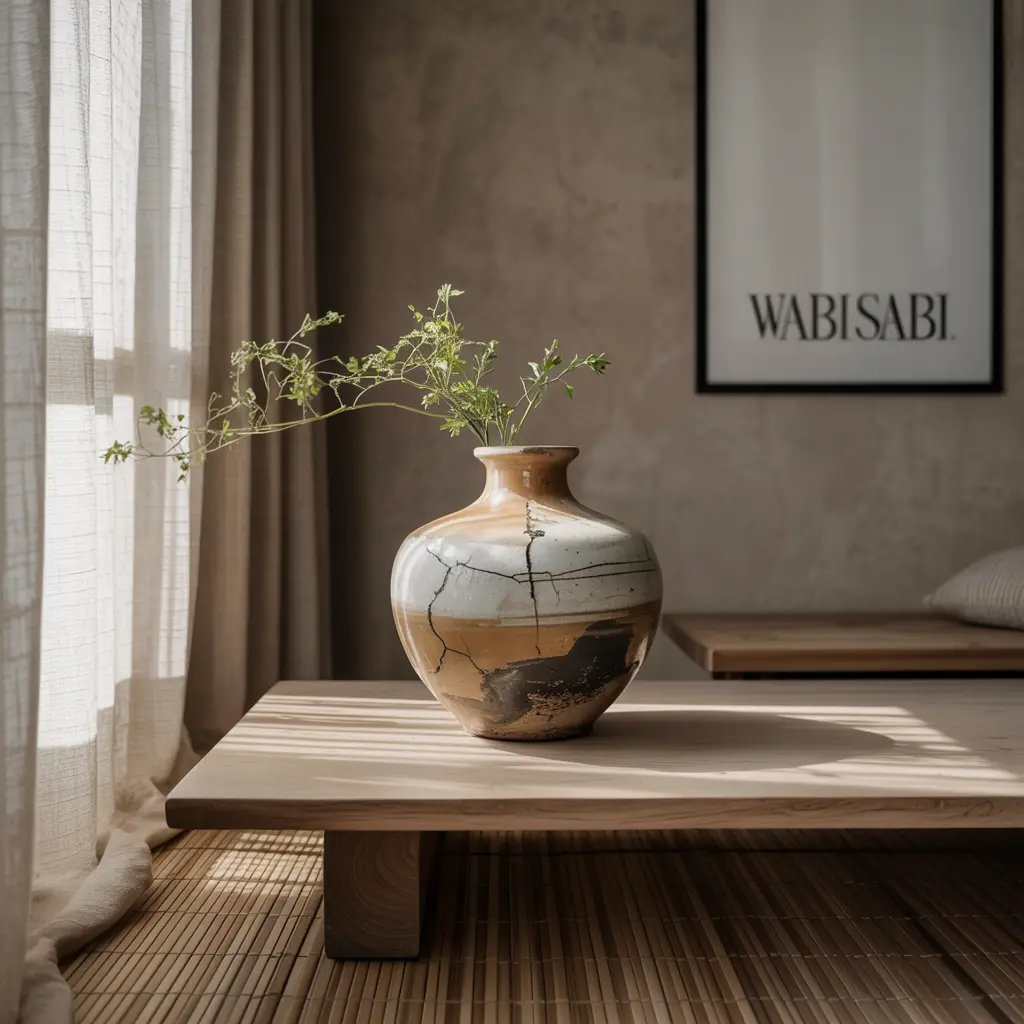
Wabi-sabi, the Japanese philosophy of finding beauty in imperfection, is central to what makes Japandi feel warmer than strict minimalism, and it shows up through handcrafted objects that carry visible texture, asymmetry, or the marks of being made by hand.
A hand thrown ceramic vase with a slightly uneven glaze, a woven basket with visible imperfections in its weave, or a piece of pottery with a small crack repaired rather than hidden, all bring this quality into a room. One genuinely handmade, imperfect object is generally worth more to a Japandi space than a shelf full of mass produced decor.
5. Use Natural Materials Throughout
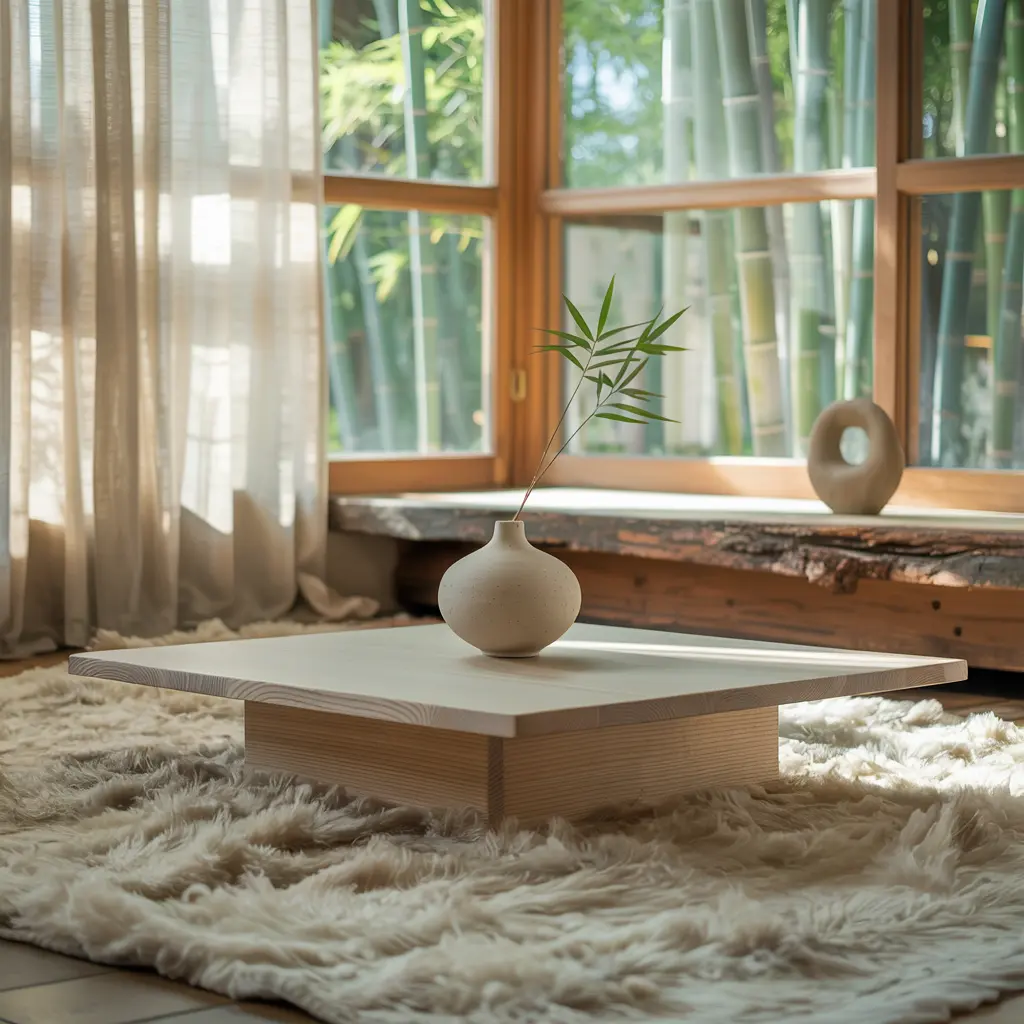
Wood, stone, linen, wool, rattan, and clay form the material backbone of Japandi home decor, chosen specifically because they age visibly and gracefully rather than staying artificially uniform over time.
Where Natural Materials Matter Most
Furniture frames in light oak or warm walnut, woven rattan chairs, linen bedding and curtains, and stoneware dishware all reinforce this natural material story. Avoiding synthetic materials wherever practical, in favor of pieces that will develop character with use, is part of what gives a Japandi home its sense of quiet permanence.
6. Add Soft, Diffused Lighting Instead of Harsh Overhead Light
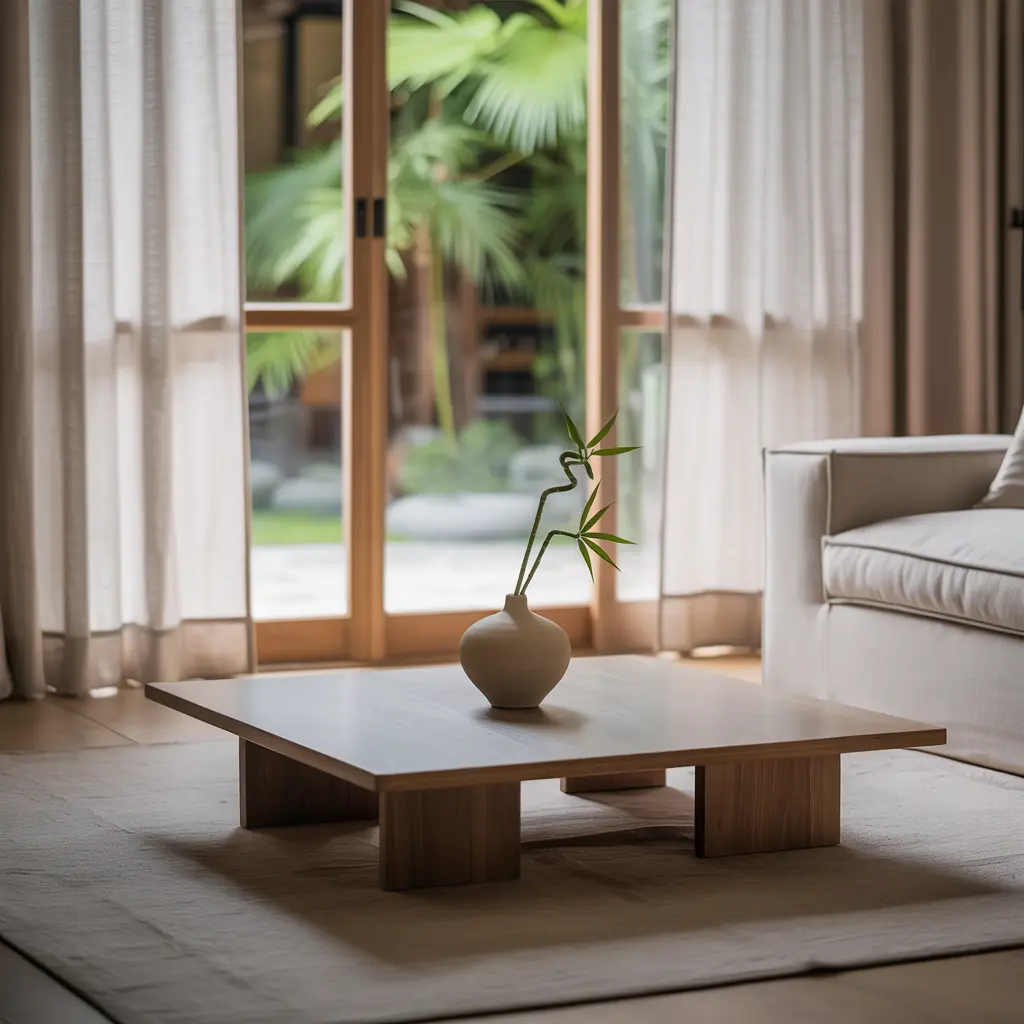
Lighting in a Japandi home tends toward soft, warm, and diffused rather than bright and direct, echoing both Japanese paper lantern traditions and Scandinavian design’s emphasis on cozy, layered light during darker months.
Paper or fabric shaded lamps, warm LED bulbs, and light sources placed at multiple heights around a room rather than relying on a single overhead fixture all support this softer atmosphere. This kind of lighting is also relatively affordable to implement, since it’s often a matter of swapping bulbs and adding one or two lamps rather than replacing existing fixtures.
7. Use Textile Room Dividers Instead of Walls
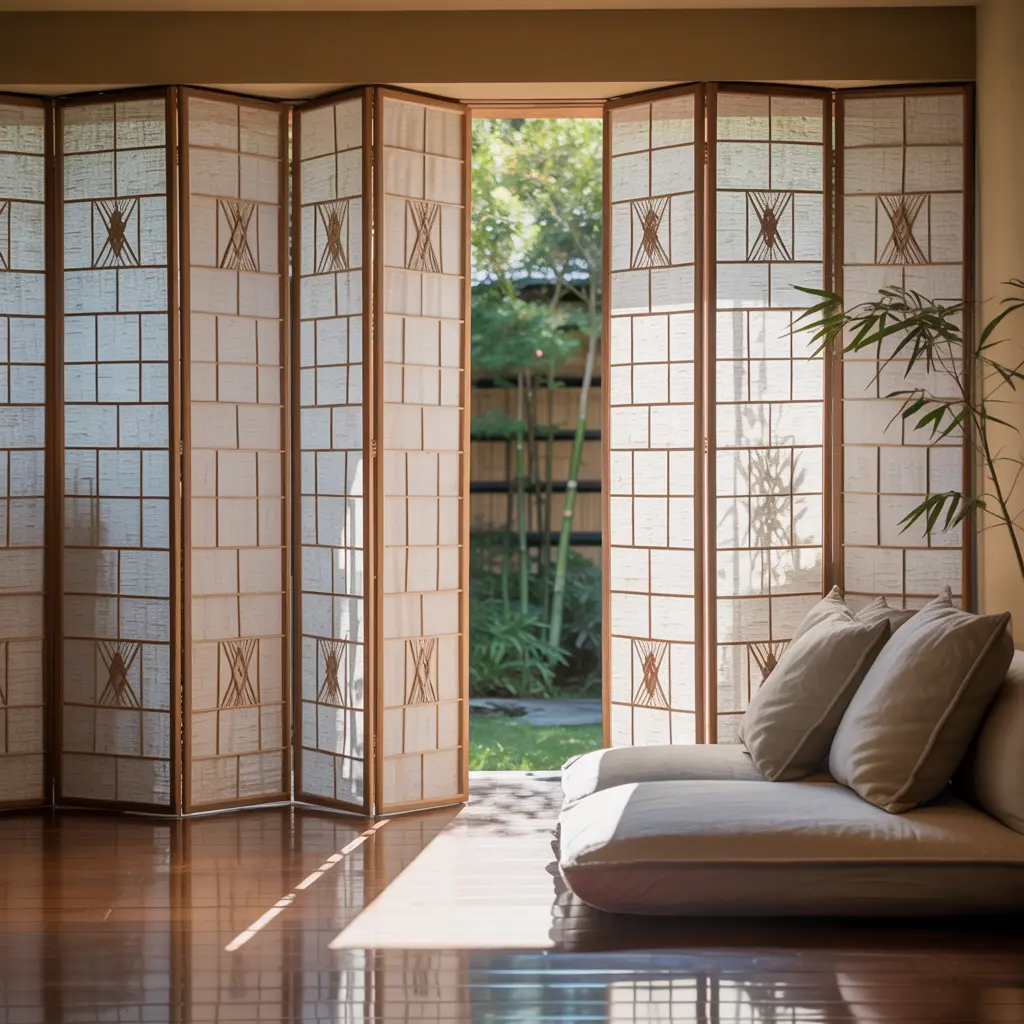
Noren, traditional Japanese fabric dividers typically hung in doorways, have become a popular tool in 2026 Japandi styling specifically for open concept homes, where defining separate zones without building actual walls is a common challenge.
How Noren Work in a Modern Home
A noren panel hung in a doorway or as a decorative divider allows light and airflow to pass through while still creating a soft visual boundary between spaces. Beyond their practical zoning function, these textile dividers add a layer of pattern and craftsmanship that a solid wall simply can’t offer, which fits neatly into Japandi’s broader appreciation for visible textile art.
8. Bring In Plants With a Light, Restrained Touch
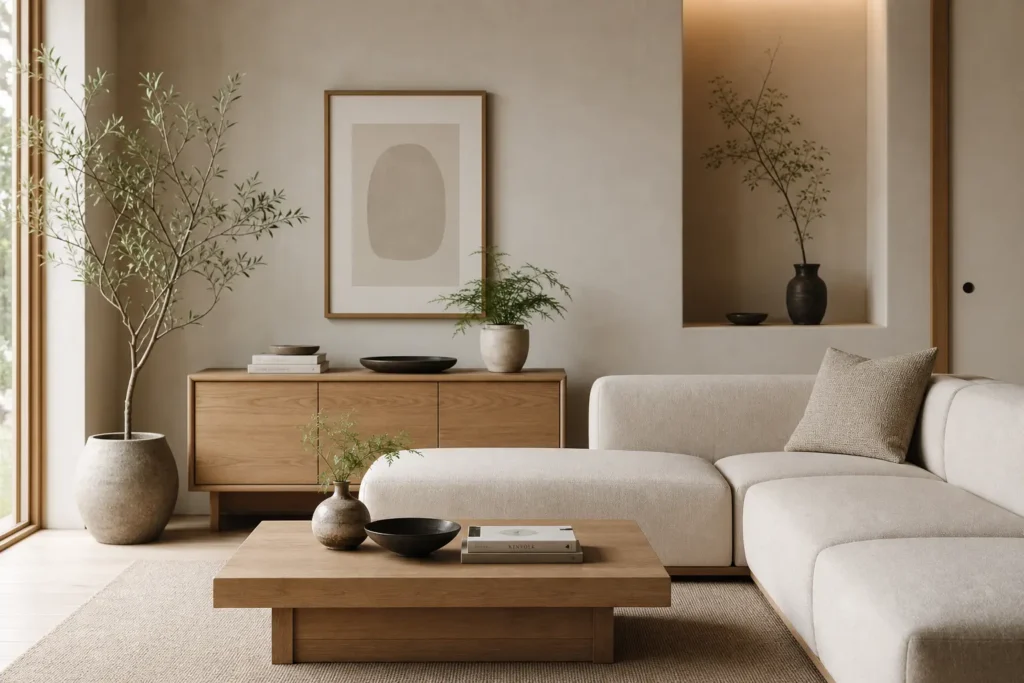
Greenery plays an important role in Japandi home decor, reinforcing the style’s connection to nature, but it’s used with the same restraint that governs the rest of the aesthetic rather than filling every corner.
One or two well placed plants, a single branch in a simple vase, or a small collection of similar pots grouped together tend to work better than scattering greenery throughout every room. This measured approach to plants is part of what keeps a Japandi space feeling calm rather than overgrown or cluttered.
9. Choose Functional Furniture That Also Provides Storage
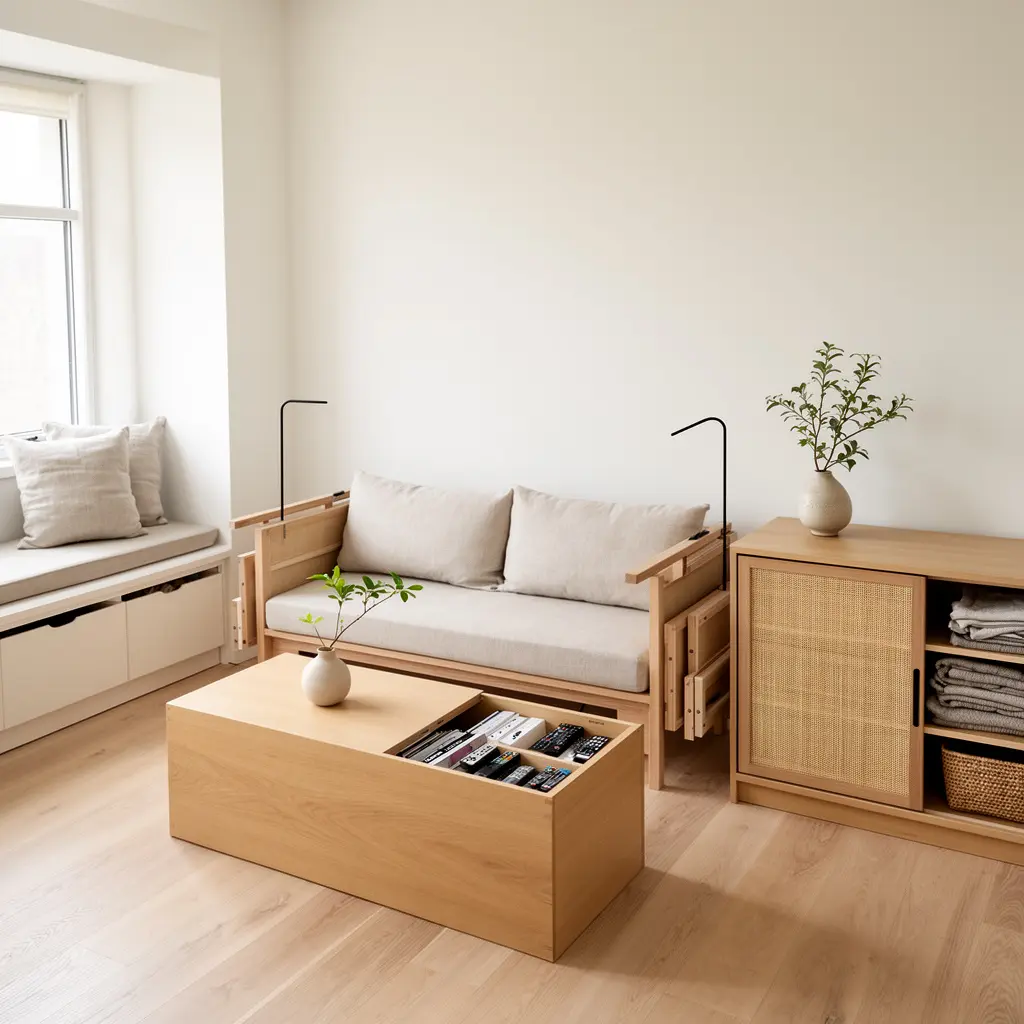
Scandinavian design’s practical, democratic approach to furniture shows up strongly in Japandi through pieces that combine clean lines with genuine everyday function, an entryway bench with hidden storage, a bedside table with simple drawers, a modular sofa that can adapt to different room layouts.
This isn’t just about aesthetics either. Choosing furniture that pulls double duty as storage helps maintain the uncluttered surfaces that Japandi home decor depends on, since it gives everyday items a place to live out of sight rather than accumulating on open shelving.
10. Layer Deeper, Earthier Tones for 2026’s Warmer Direction
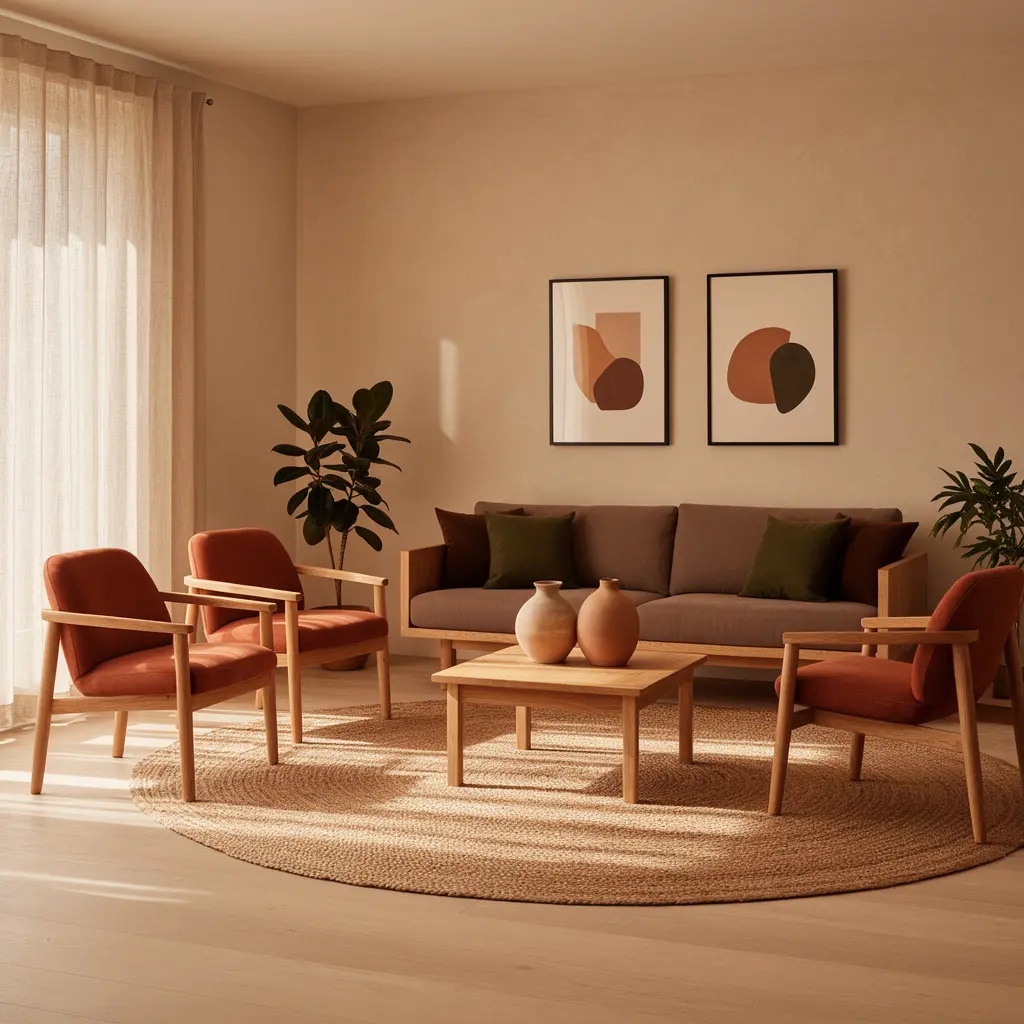
Japandi has been trending warmer and more tactile heading into 2026, moving slightly away from its earlier, cooler minimalist phase toward deeper earthy tones and more visible craftsmanship throughout the home.
What This Warmer Shift Looks Like
Deeper indigo, cedar, and charcoal accents layered against the lighter neutral base add richness without disrupting the style’s core restraint. Soft curved furniture silhouettes are also becoming more common within Japandi spaces, softening what was once a more rigid, straight lined aesthetic into something that feels a bit more relaxed and lived in.
Mistakes to Avoid
- Going too cold and sterile. Japandi is warmer than strict Western minimalism, so lean into natural materials and softer lighting rather than stark white and metal.
- Filling every surface. Empty space is a deliberate design choice in Japandi, not something that needs to be filled with more decor.
- Choosing only mass produced pieces. At least a few genuinely handmade or imperfect objects are what give the style its wabi-sabi warmth.
- Overdoing greenery. A few well placed plants read as intentional, while too many can push the look toward boho rather than Japandi.
- Skipping natural materials for synthetic alternatives. Wood, linen, and stoneware age and develop character in a way synthetic materials generally don’t.
- Relying on one bright overhead light. Layered, soft, diffused lighting is central to the calm atmosphere Japandi aims for.
Frequently Asked Questions
What’s the difference between Japandi and regular minimalism? Strict minimalism can feel cold and clinical, while Japandi adds Scandinavian warmth through wood tones and textiles, plus the Japanese wabi-sabi appreciation for handmade, imperfect, natural objects. The result feels calm and grounded rather than sparse and empty.
Do I need to buy all new furniture to achieve a Japandi look? Not necessarily. Starting with a few key pieces, a low profile sofa or bed frame, natural material accents, and softer lighting, can shift a room significantly without a full furniture replacement.
What colors work best for Japandi home decor? A neutral, earthy palette of beige, warm taupe, and cream forms the base, with deeper tones like charcoal, cedar, or indigo layered in through furniture, textiles, and accents.
Is Japandi a temporary trend or a lasting style? Design coverage increasingly treats Japandi as a mature, lasting philosophy rather than a short lived trend, since its emphasis on natural materials, function, and calm has held steady and continued evolving rather than fading.
How much greenery should I use in a Japandi space? Less than you might expect. A single branch in a simple vase or one or two well placed plants tend to fit the style’s restraint better than dense, layered greenery throughout every room.
Bringing It All Together
Japandi home decor doesn’t ask for a complete renovation to bring real calm into a space. Starting with a warm neutral palette, one or two low profile furniture pieces, and softer, layered lighting usually gets a room most of the way there. From there, a handmade ceramic, a well placed plant, and the discipline to leave some space genuinely empty are what turn a good foundation into a home that feels as peaceful as it looks.

Leave a Reply