
You spend an entire Saturday organizing the playroom, matching bins, labeled shelves, everything color coded and photographed for the effort, and by Tuesday it looks like nothing ever happened. This is the single most common complaint about playroom design, and it’s rarely about not trying hard enough. It’s about building a system that doesn’t actually match how kids play. Playroom decor ideas that hold up long term focus less on how the room photographs on day one and more on whether a five year old can realistically use and maintain the system without help. This article covers exactly what makes that difference, from storage height to color choices to how you handle the constant influx of new toys and art.
1. Why Most Playrooms Stay Messy No Matter How Organized You Start
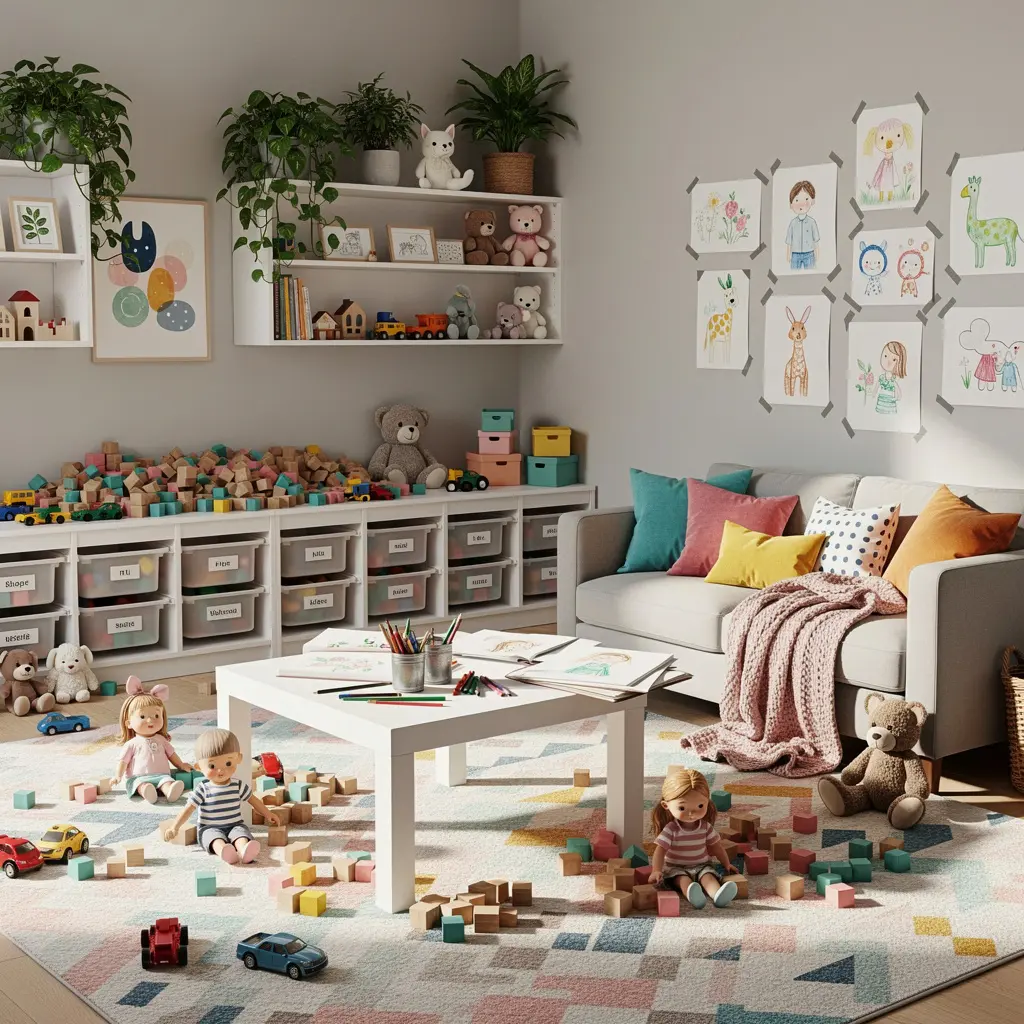
Here’s the pattern that trips up most well intentioned playroom setups. The storage looks great, but it requires more steps than a kid is willing or able to do consistently. A lidded bin on a high shelf, a drawer that sticks, a system that only makes sense to the adult who set it up. All of these create just enough friction that toys end up on the floor instead of back where they belong. The playrooms that actually stay organized are the ones built around what’s realistically achievable for the kids actually using the room, not an idealized version of tidiness.
The Real Test for Any Playroom System
Watch how your kid actually cleans up, or tries to, before assuming a storage solution will work long term. If putting something away takes more effort than leaving it on the floor, the floor wins nearly every time.
2. Open Bins Beat Lidded Boxes Almost Every Time
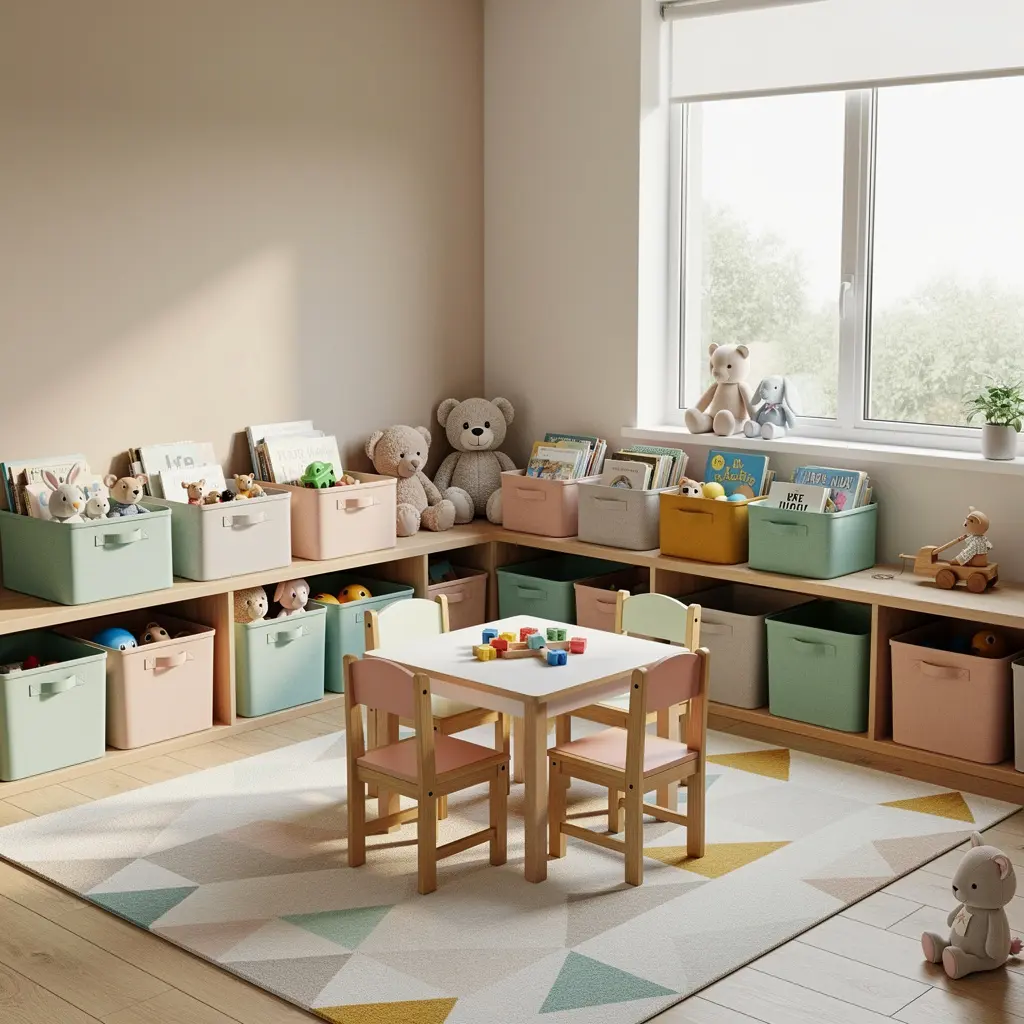
A lid adds one more step between a toy and its home, and that single extra step is often the difference between a bin that gets used and one that gets ignored. Open top bins or baskets, sized for specific toy categories, blocks, dolls, cars, get used far more consistently by kids under about eight than anything requiring a lid to be removed and replaced. Clear bins help too, since kids can see what’s inside without opening anything at all, which matters a lot for younger children who aren’t reading labels yet.
3. Shelf Height Determines Whether Kids Actually Use the System
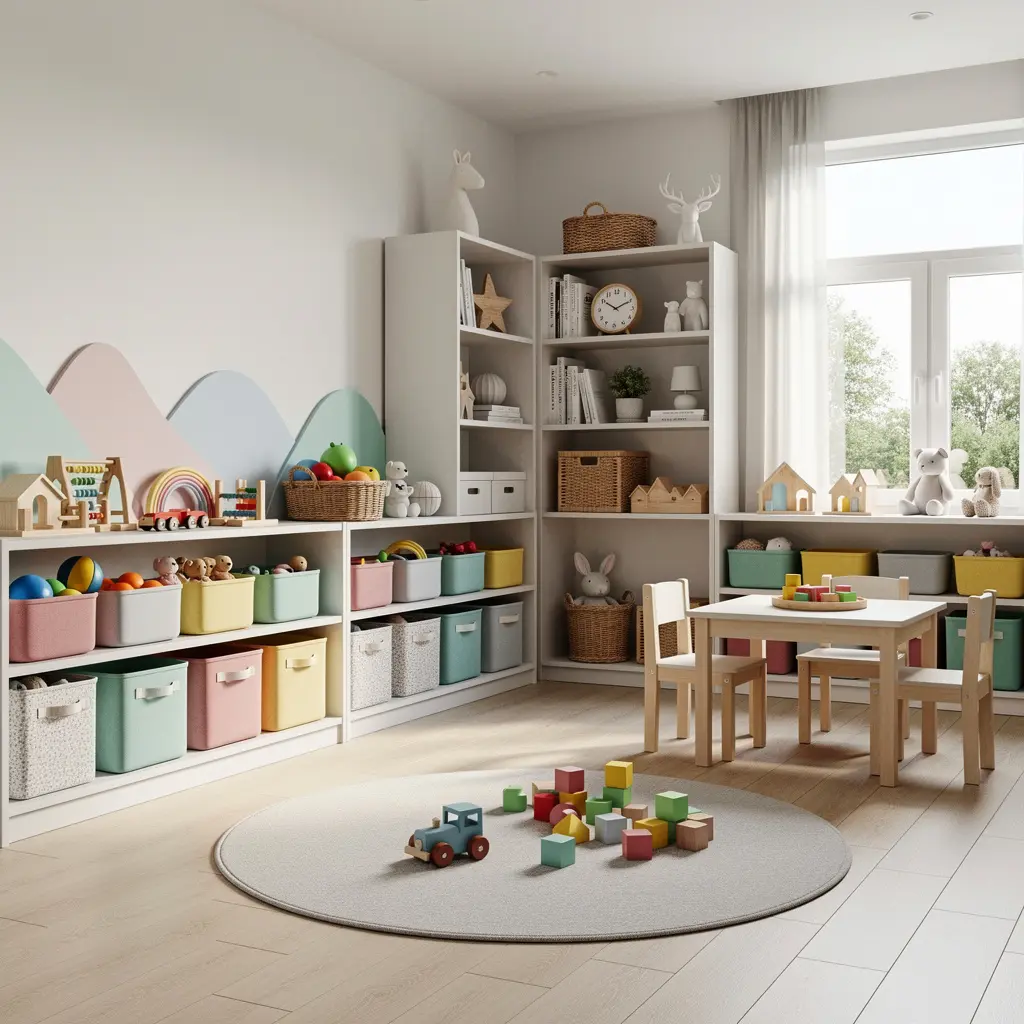
A shelf a child can’t reach without help is a shelf that won’t get used for independent cleanup, no matter how well organized it looks. Keep frequently used toys on shelves at or below a child’s eye level, generally under 36 inches for younger kids, and reserve higher shelves for items that need adult supervision or aren’t in regular rotation. A low, open shelving unit, rather than a tall cabinet, puts the whole system within a kid’s actual physical reach, which matters more for long term success than almost any other single decision in this room.
A storage system a child can use without adult help gets maintained consistently, while a beautifully organized system that requires assistance gets abandoned within weeks.
4. Zoning the Room by Activity, Not by Toy Type
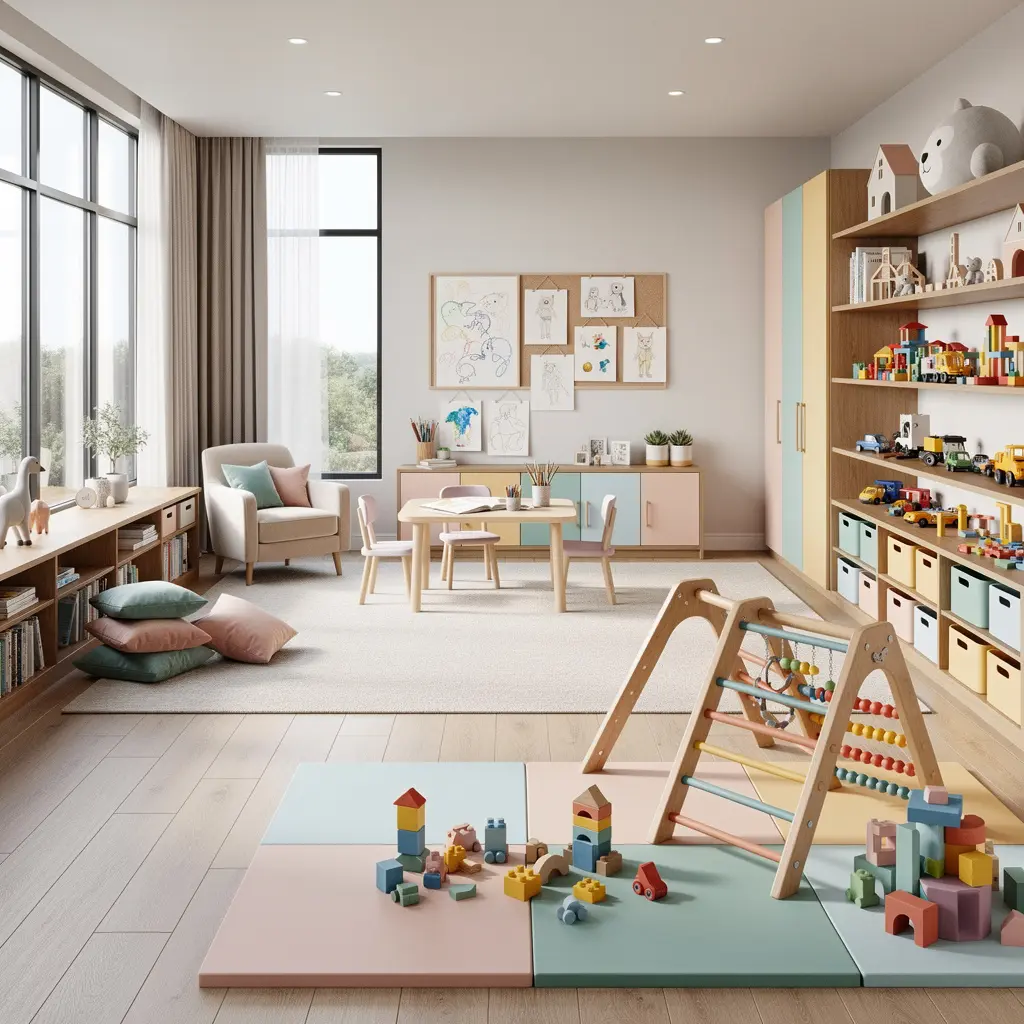
Rather than organizing purely by toy category, blocks here, dolls there, consider zoning the room by activity instead. A quiet corner for reading and puzzles, an open floor area for building and active play, a small table for art and crafts. This structure helps kids understand what kind of play happens where, which tends to reduce the chaotic, everything mixed together mess that makes cleanup feel so overwhelming. A rug or a piece of furniture can mark each zone’s boundary without needing any actual walls or dividers.
5. Color Choices That Stay Calm Even With Colorful Toys Everywhere
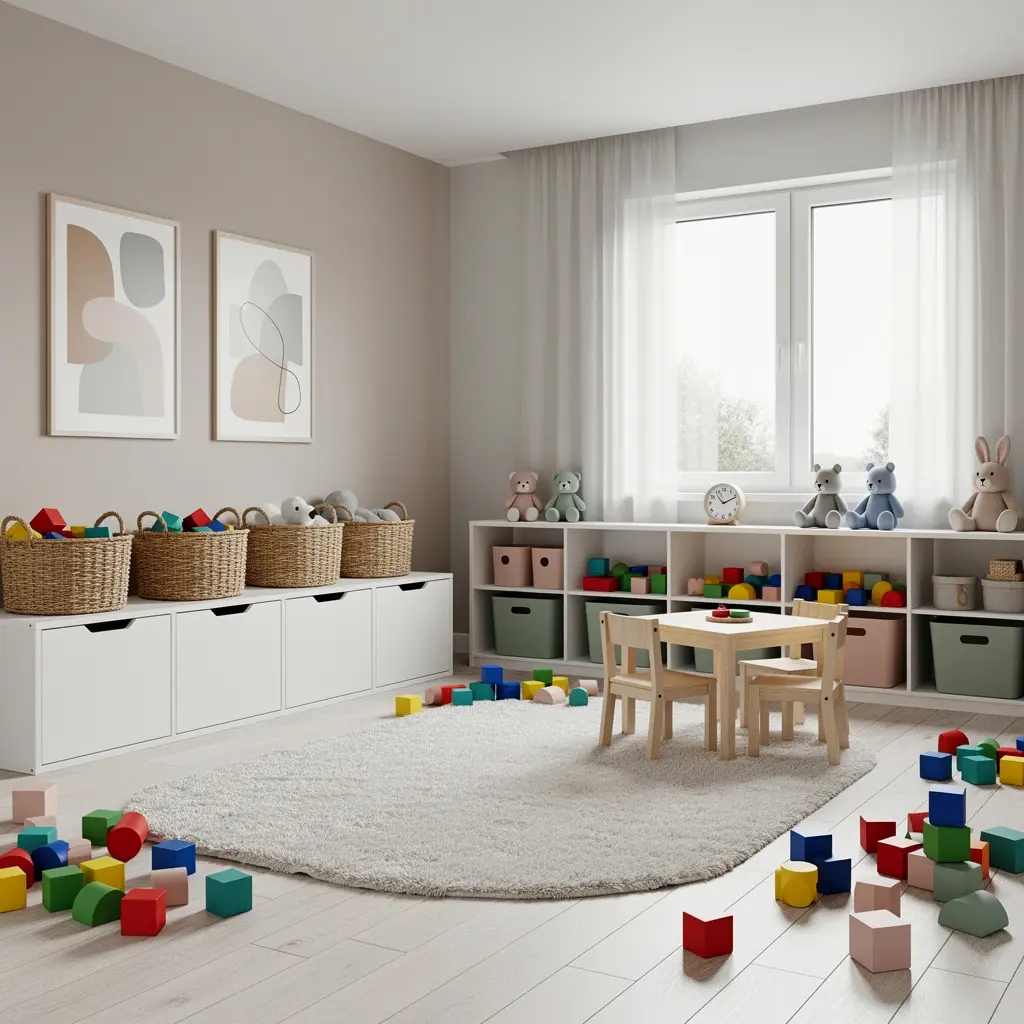
Toys themselves bring a huge amount of color and visual noise into a room on their own, so the walls, floor, and larger furniture pieces benefit from staying relatively calm and neutral. A soft, warm white or a muted pastel wall color gives the toys somewhere to visually stand out rather than competing with an already busy backdrop. Save bolder color for smaller, easily changed elements, a rug, a few storage bins, some wall art, so the room can evolve as your kids’ interests change without requiring a repaint every couple of years.
6. A Rug Does More Work Than People Expect
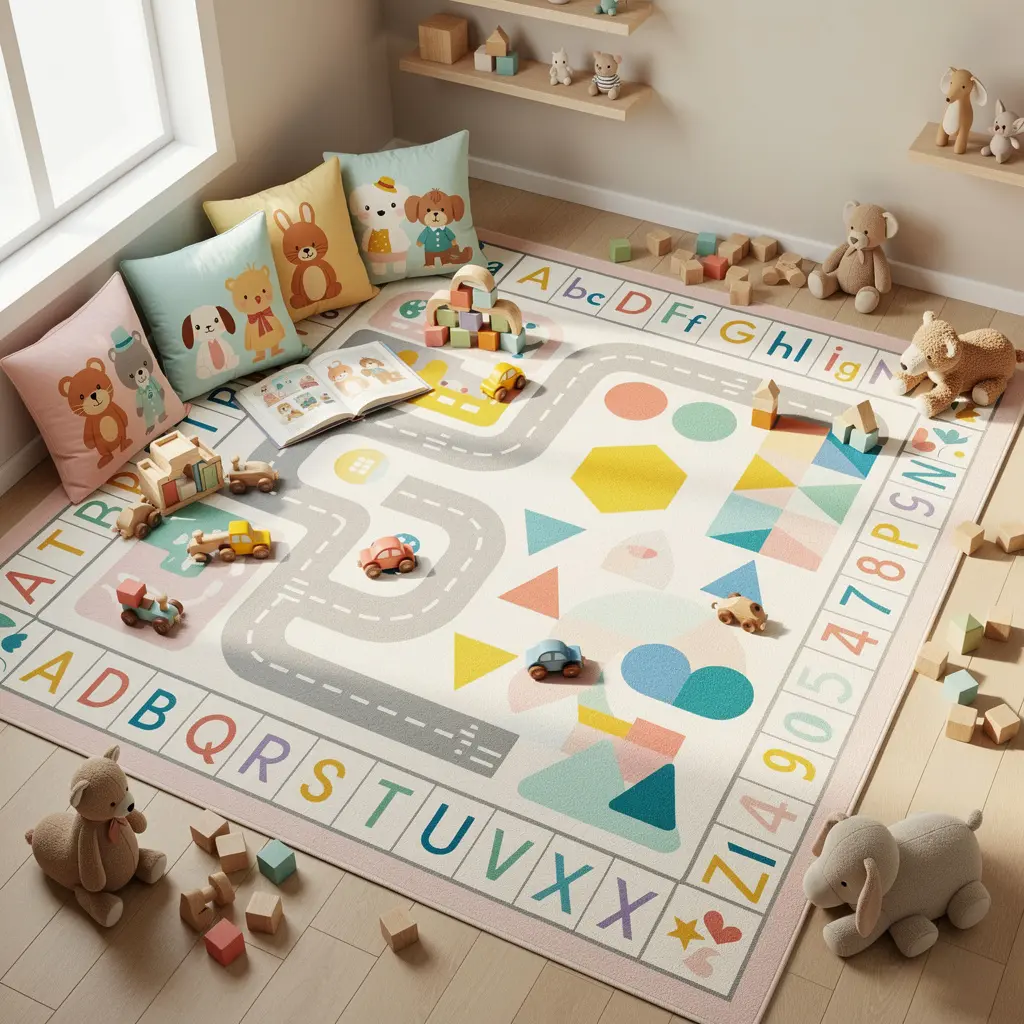
A soft, durable rug defines the main play area, gives kids a comfortable surface for floor based play, and helps absorb some of the noise that comes with active play in a room with hard flooring. Look for a low pile, easy to clean material, since spills and crafts are inevitable in this room regardless of how careful everyone tries to be. Sizing the rug generously, covering most of the open floor area rather than a small central square, gives kids more usable space for building and imaginative play without needing to worry about staying within a small boundary.
Cleaning Considerations Worth Planning For
A rug with a busy pattern hides stains far better day to day than a solid, light colored one, which is worth factoring in even if a plain rug initially looks more appealing in photos.
7. Rotating Toys Instead of Storing Everything at Once
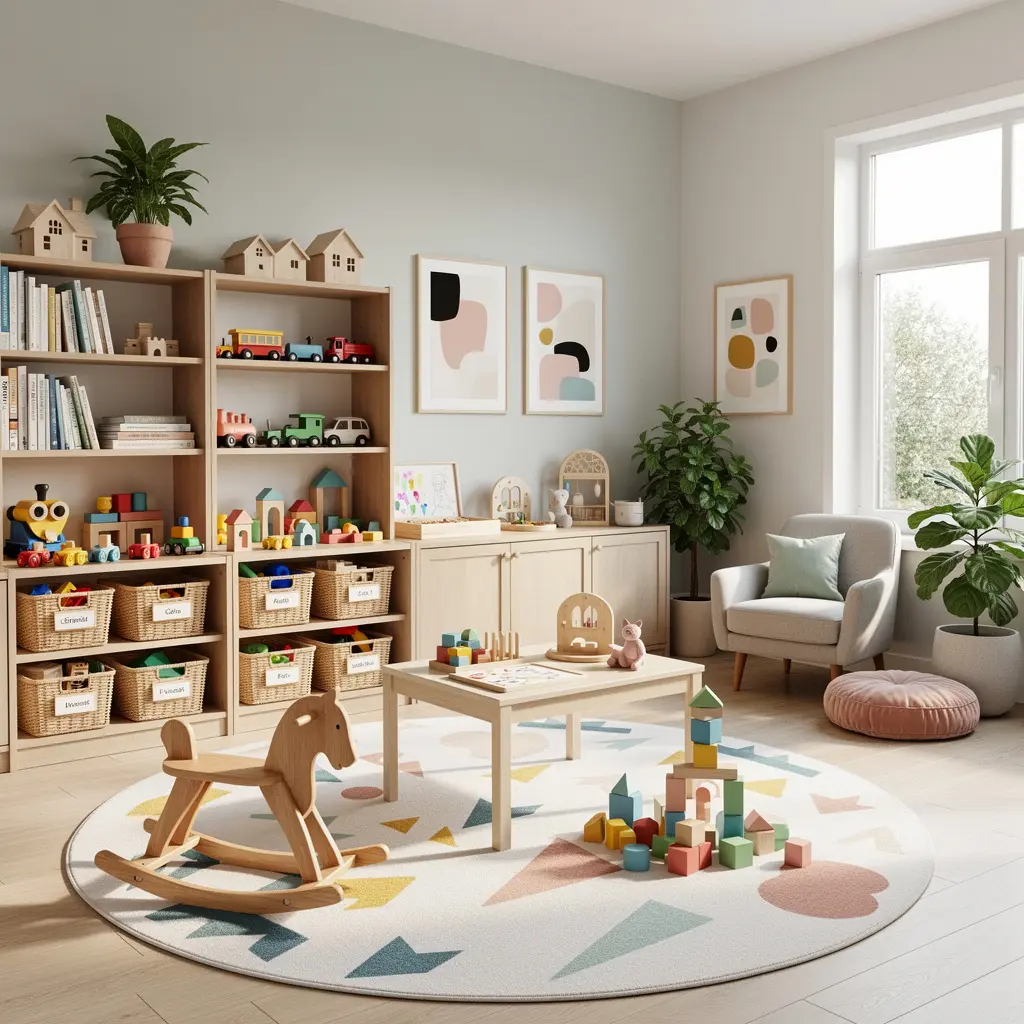
Trying to keep every toy a child owns accessible at all times usually overwhelms both the room and the child, making it harder to actually engage deeply with any single toy or set. Storing a portion of toys out of sight, in a closet or bin elsewhere in the house, and rotating them in every few weeks keeps the playroom from feeling overstuffed while also making rotated toys feel fresh and interesting again when they reappear. This approach also makes daily cleanup faster, since there’s simply less out at any given time to put away.
8. Displaying Kids’ Art Without It Taking Over the Walls
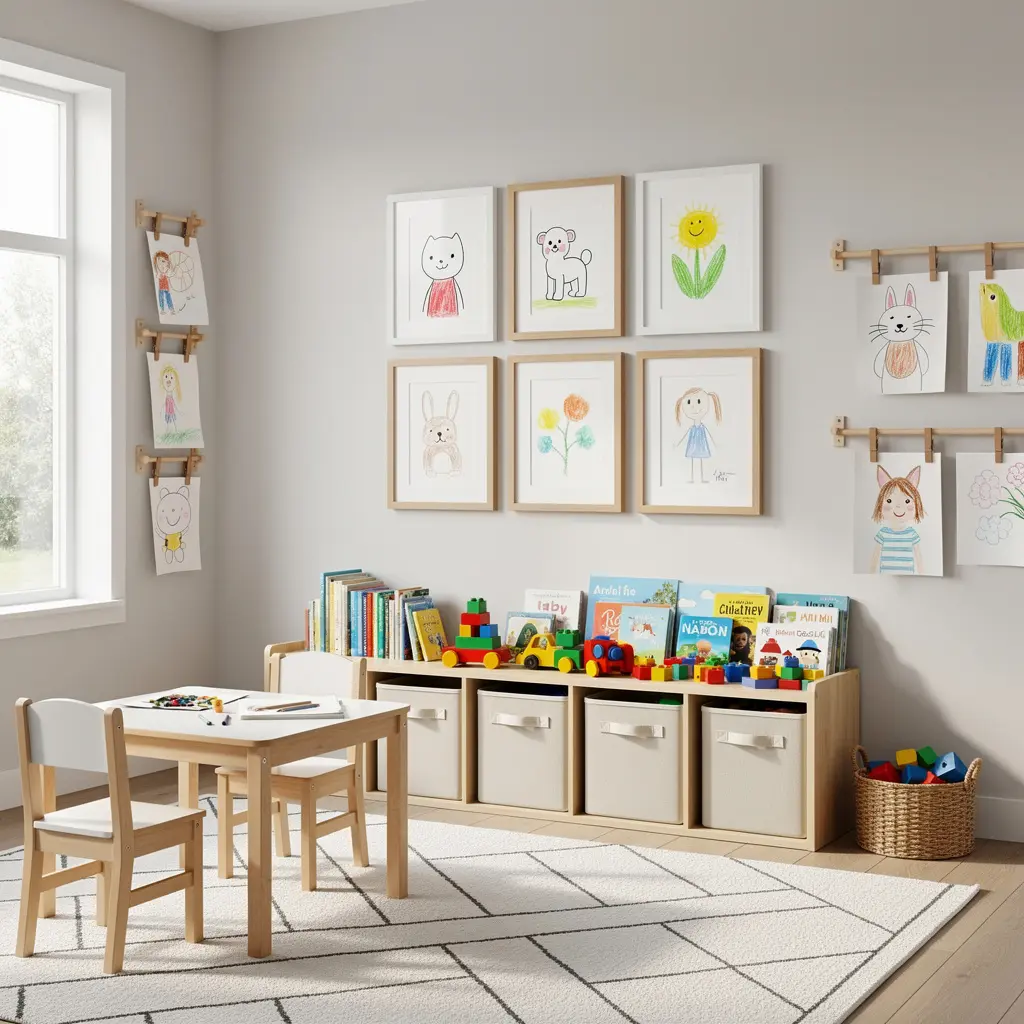
A dedicated art display area, a wire and clip system, a cork board, or even a section of wall with washi tape, gives kids’ art a proper home instead of it accumulating in random piles around the house. Rotating what’s displayed every few weeks keeps the wall from becoming overwhelming while still celebrating current work. Photographing pieces before they’re eventually recycled lets you keep a digital record without needing to physically store every single drawing a child ever makes.
9. A Reading Corner That Actually Gets Used
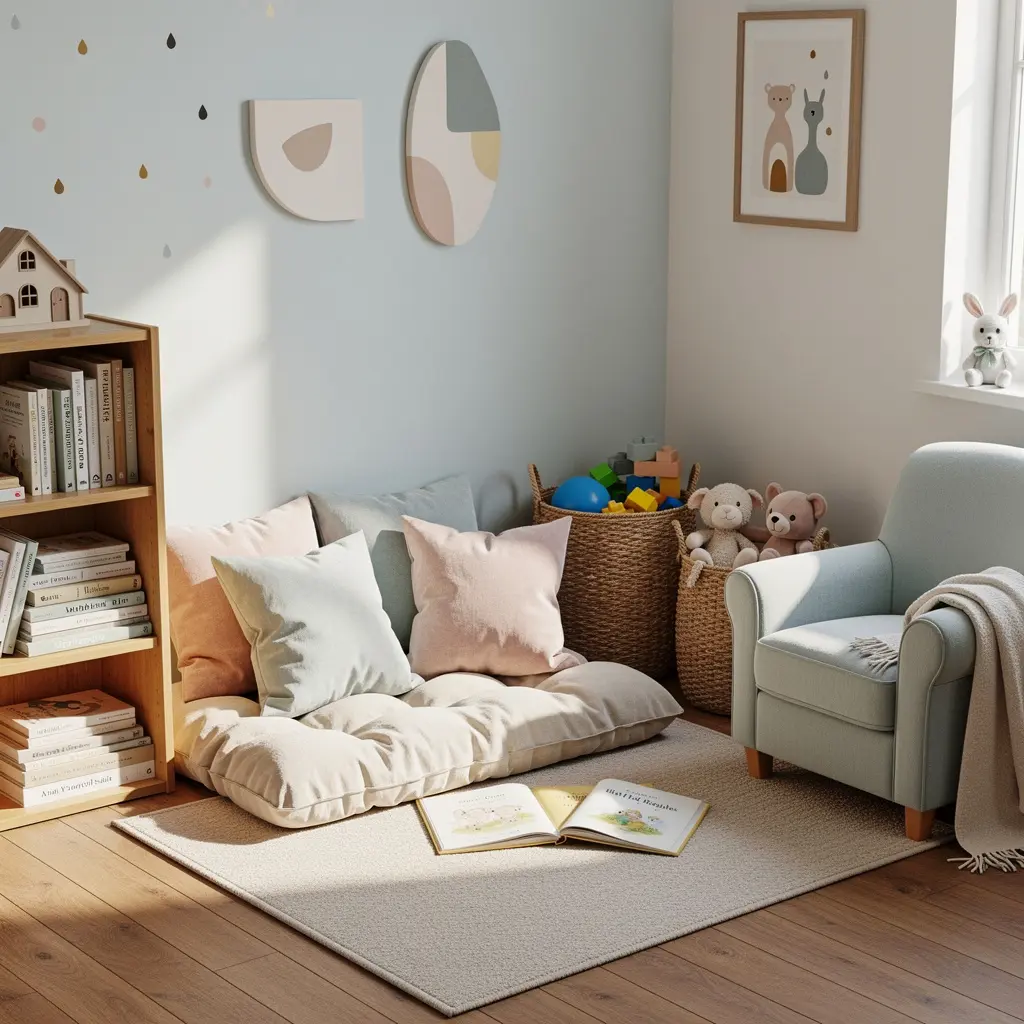
A small, cozy corner with floor cushions or a low bean bag, paired with a low shelf or a basket holding a rotating selection of books, encourages quieter play alongside the more active parts of the room. Positioning this corner slightly apart from the main play zone, even just angled differently or defined by its own small rug, helps signal that it’s a calmer space without needing an actual wall to separate it. A soft reading lamp, rather than relying only on the room’s main overhead lighting, makes the corner feel more intentional and inviting.
10. Making Cleanup Something Kids Can Do Themselves
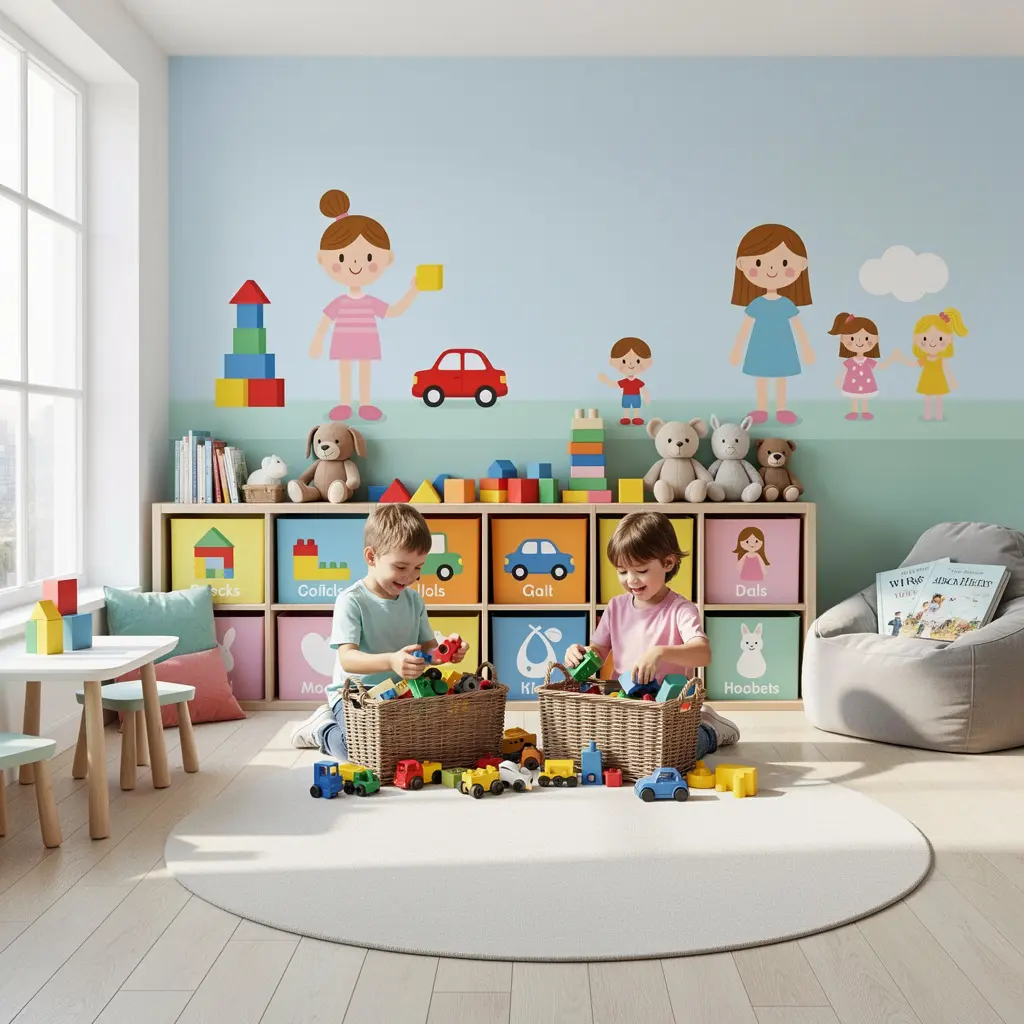
Picture labels on bins, alongside or instead of text, let even nonreaders identify where something belongs without needing an adult to walk them through it every time. A simple, consistent routine, like a five minute cleanup before dinner or before switching activities, builds the habit more effectively than sporadic, inconsistent reminders. Involving kids in setting up their own system, even letting them help choose bin colors or where certain toys live, tends to increase their investment in actually maintaining it going forward.
Mistakes to Avoid
- Using lidded bins or high shelves that require adult help for every cleanup
- Organizing purely by toy type instead of by activity zone
- Choosing bold, busy wall colors that compete with already colorful toys
- Keeping every toy accessible at once instead of rotating a portion out of sight
- Letting kids’ art pile up randomly instead of creating a dedicated display spot
- Skipping picture labels, which makes the system harder for nonreaders to use independently
Frequently Asked Questions
What age can kids start doing independent cleanup in a playroom? Many kids can start participating in simple cleanup routines around age two or three, especially with open bins, picture labels, and a consistent daily routine.
Should I organize toys by type or by how my child actually plays? Zoning by activity, quiet play, active play, art, tends to hold up better long term than strict organization by toy category alone.
How often should I rotate toys in and out of the playroom? Every few weeks works well for most households, though this can flex based on how many toys you’re working with and how much storage space is available elsewhere.
What’s the most durable rug material for a playroom? A low pile synthetic or wool blend rug in a busy pattern tends to hide stains and hold up to daily wear better than a plain, light colored option.
How do I keep a playroom from looking cluttered even when it’s technically organized? Rotating toys, using open storage kids can maintain themselves, and keeping wall and floor colors relatively calm all help the room feel organized even with an active family using it daily.
A Playroom Built for How Kids Actually Play
Playroom decor ideas that actually last focus on what a child can realistically maintain, not just how the room looks on the first day. Prioritize open, reachable storage and activity based zoning, then layer in color, a good rug, and a dedicated art display once the functional system is in place. A playroom built this way stays genuinely usable week after week, not just for the photo taken right after the big organizing day.

Leave a Reply