
You want your apartment to actually feel like home, but every time you pick up a hammer you think about that security deposit and put it right back down. Rental friendly decor solves that exact problem, giving you a genuinely styled, personal space using nothing that leaves a hole, a stain, or a claim on your move-out inspection. None of this means settling for bare walls either. Current renter decor trends for 2026 lean into removable wallpaper, adhesive hooks rated for real weight, and leaning decor that skips wall mounting entirely, all of which look intentional rather than like a compromise. Here are ten ways to make your rental feel like yours without risking a dime of your deposit.
1. Use Weight-Rated Adhesive Strips Instead of Nails
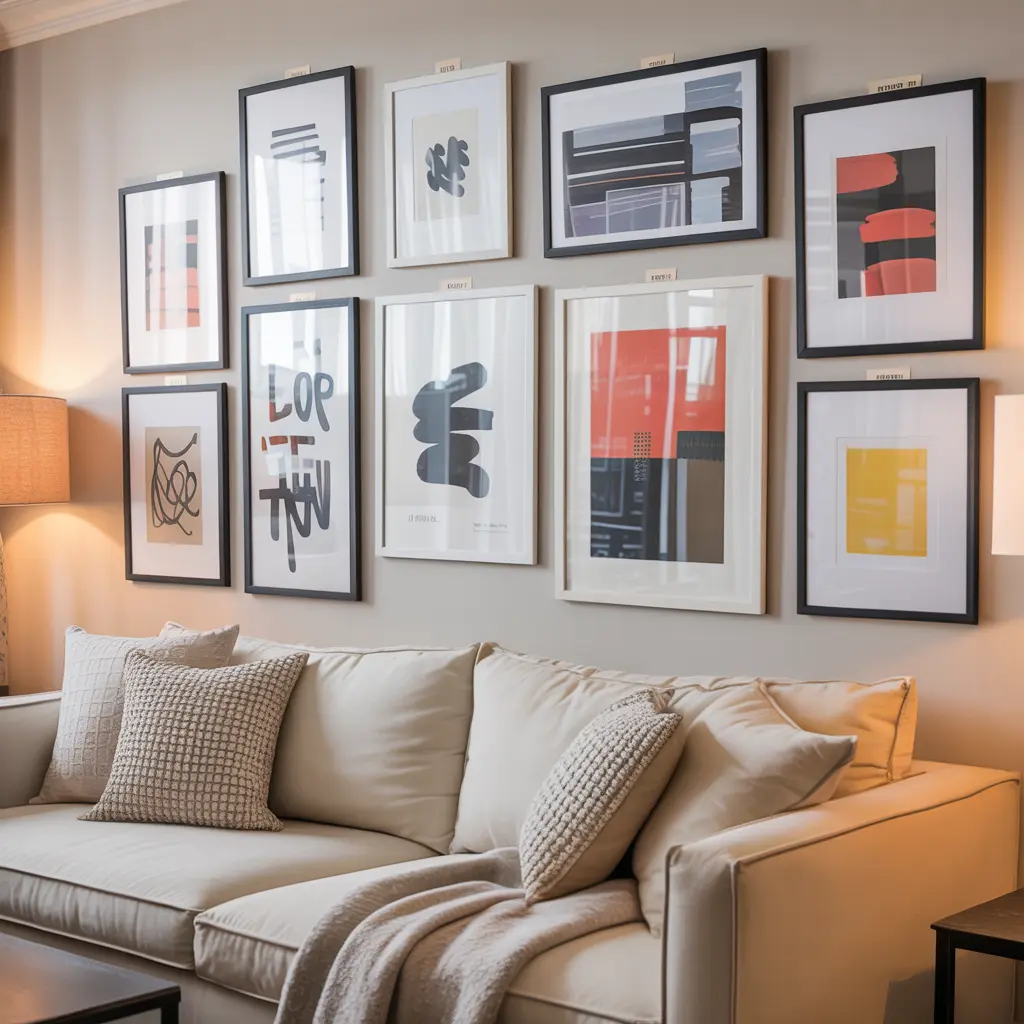
Adhesive picture hanging strips and hooks, the kind rated for a specific weight capacity, have become the standard damage-free alternative to nails, and they hold up better than most renters expect.
How to Actually Get This Right
Check the weight rating on the package and match it to your actual frame or mirror, since undersized strips are the most common reason these fail. Always clean the wall surface first and let it dry completely before applying, and when it’s time to remove them, pull slowly at a 180 degree angle flat against the wall rather than straight out, which is what actually prevents paint damage. Testing the adhesive in a small, inconspicuous spot first is worth the extra two minutes, especially on textured or recently painted walls.
2. Try Peel and Stick Wallpaper for a Real Style Change
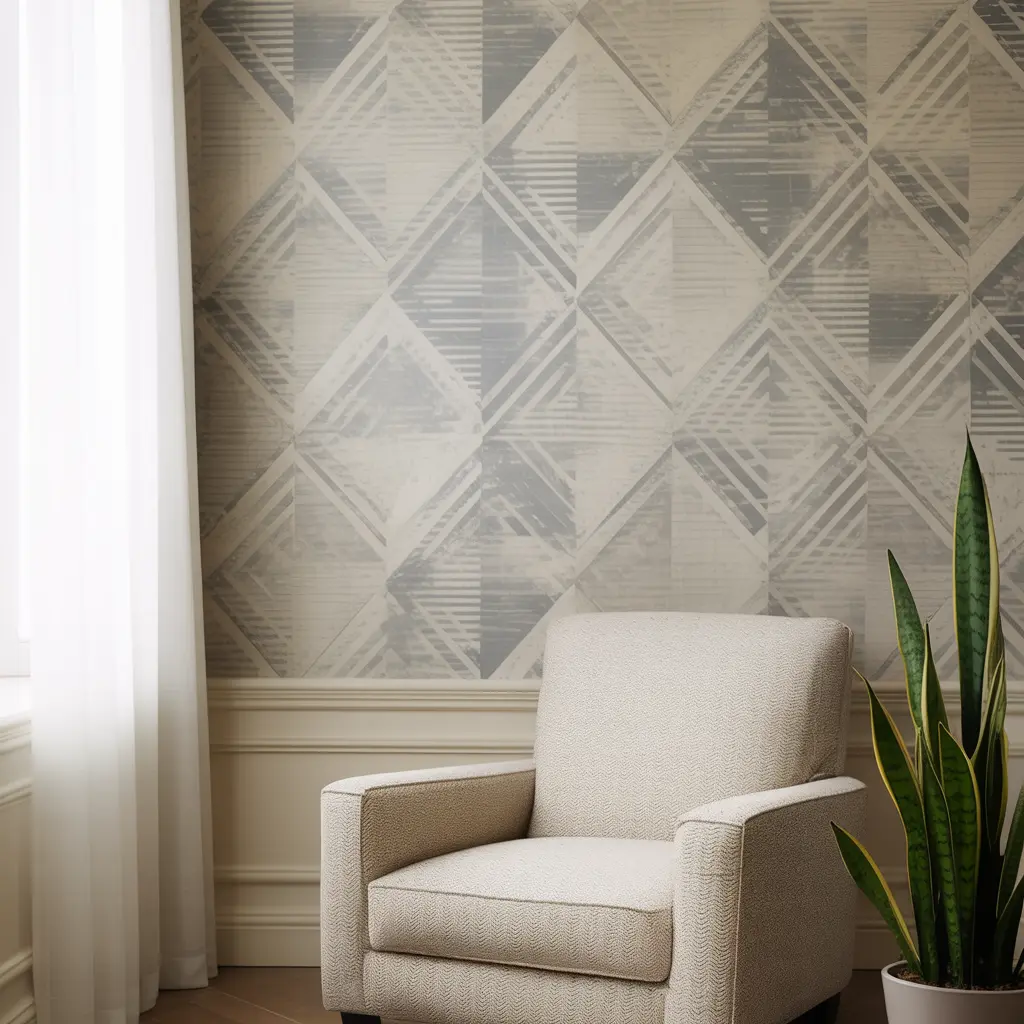
Removable wallpaper has moved well past the flimsy, bubble-prone versions from a few years ago, and quality peel and stick options now genuinely transform a room without violating a standard no-paint lease clause.
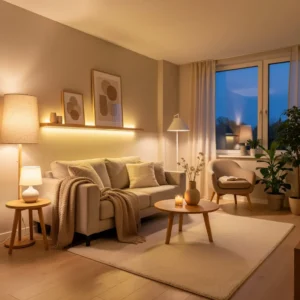
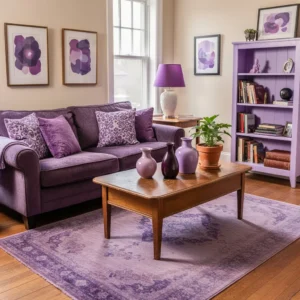
Results depend heavily on wall condition and paint type though, so testing a small section in a low visibility spot, like inside a closet, before committing to a full wall is a smart first step. An accent wall behind a bed or in an entryway is usually the highest impact, lowest risk place to start, since it’s a contained area that’s easy to fully commit to or easy to walk back if it doesn’t work out.
3. Lean Large Mirrors and Art Instead of Hanging Everything
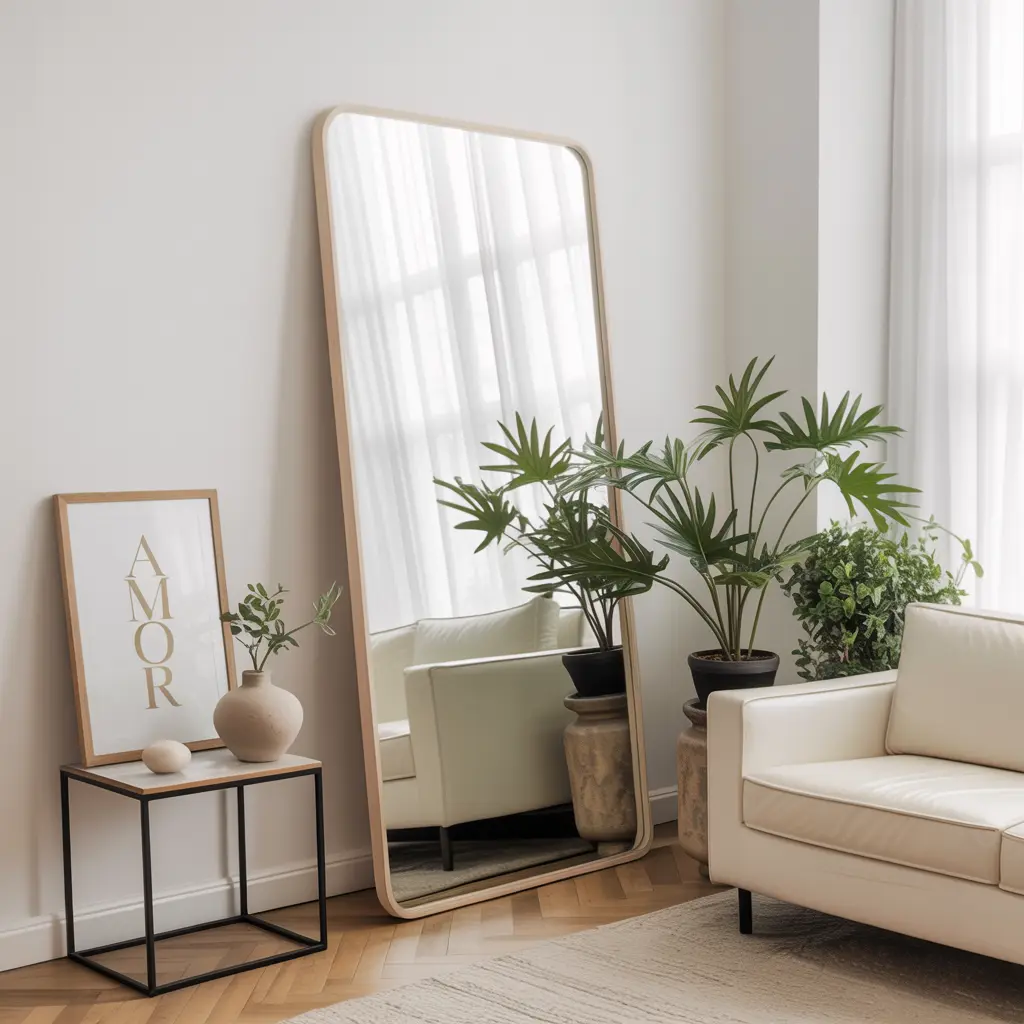
Leaning a large mirror or a piece of art against the wall, rather than mounting it, has become a genuinely popular styling choice, not just a renter workaround, since it creates a relaxed, collected look that a perfectly hung gallery wall doesn’t.
Where This Works Best
A large leaning mirror behind a console table or dresser adds light and depth to a room with zero wall attachment required. Stacking smaller framed pieces at different heights against a wall, rather than lining them up in a straight row, adds visual interest and reads as intentional styling rather than an unfinished gallery wall.
4. Use Tension Rods for Curtains and Room Dividers
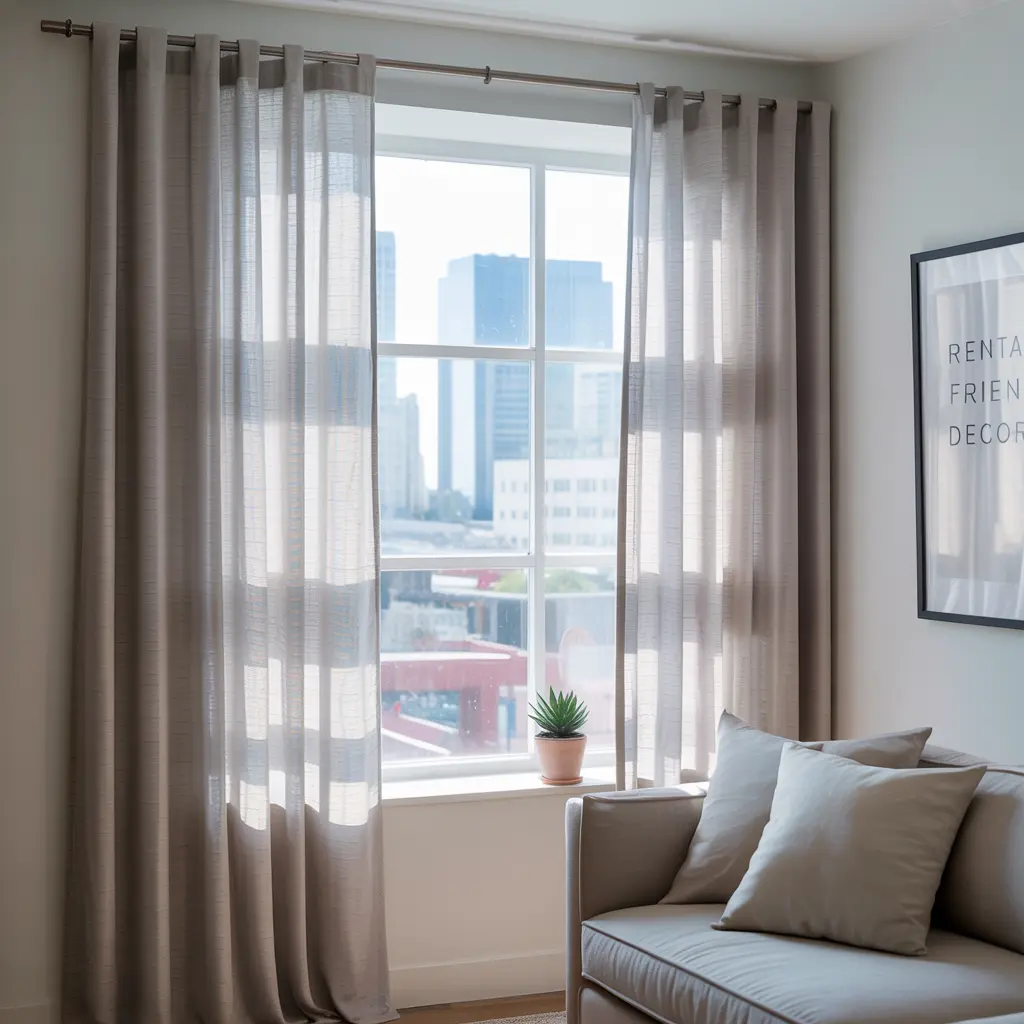
Tension rods require no drilling at all, and they’re sturdy enough to hold real curtains, room dividers, or even lightweight fabric wall panels, making them one of the most versatile tools in a rental friendly decor toolkit.
Beyond standard window curtains, a tension rod can section off part of an open studio layout with a lightweight curtain, creating a defined sleeping or work zone without any construction. This is especially useful in studio apartments, where visually dividing space matters more than in a home with separate rooms already built in.
5. Bring In Plants as Living, Damage-Free Decor
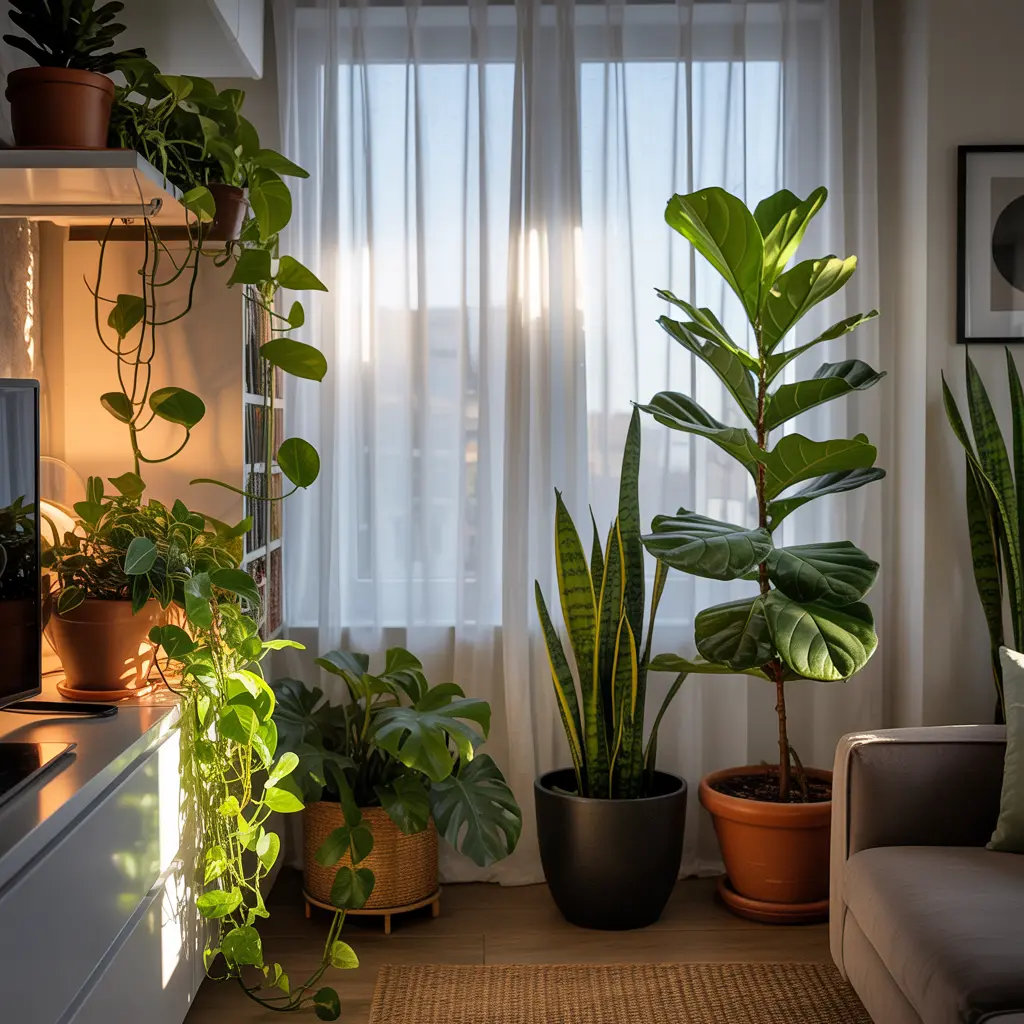
Plants double as wall and shelf decor without ever touching a wall directly, and they add a layer of life and color that flat decor simply can’t replicate.
Damage-Free Plant Styling
Hanging planters on a freestanding plant stand, a vertical shelving unit, or a tension rod mounted plant hanger all bring greenery into a room without drilling anything. A cluster of plants at varying heights on open shelving or a windowsill fills visual space the way wall art would, at a fraction of the commitment and cost.
6. Add Adhesive LED Strips or String Lights for Instant Mood
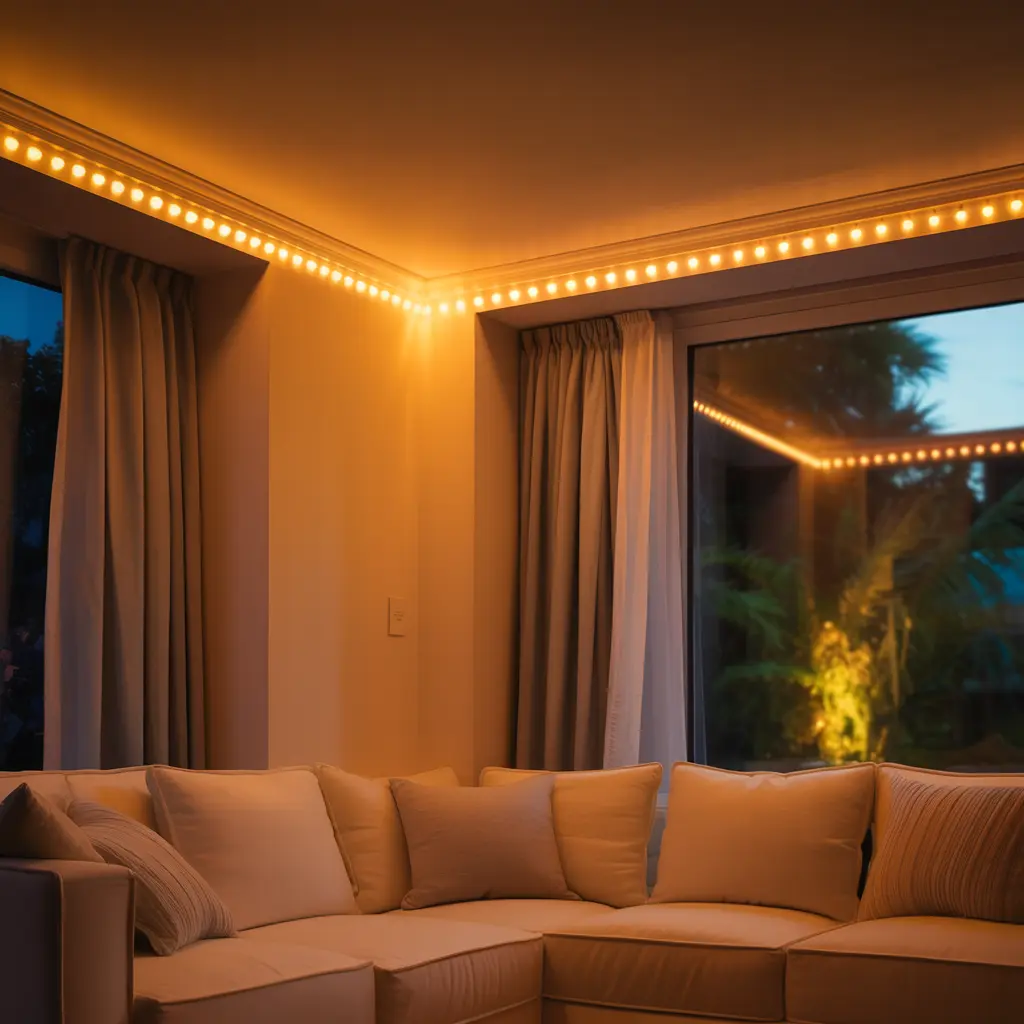
Lighting changes a room’s entire feel faster than almost any other update, and adhesive backed LED strips, along with plug-in string lights, do this without a single tool or wall anchor.
Adhesive LED strips work well behind a headboard, under open shelving, or along the top of a bookcase, adding a warm glow without any wiring or electrician needed. Because these are plug-in solutions, they’re also fully reversible if you move or simply want to change the setup later, unlike hardwired lighting changes a landlord would likely reject anyway.
7. Use Rugs to Cover Flooring and Add Color
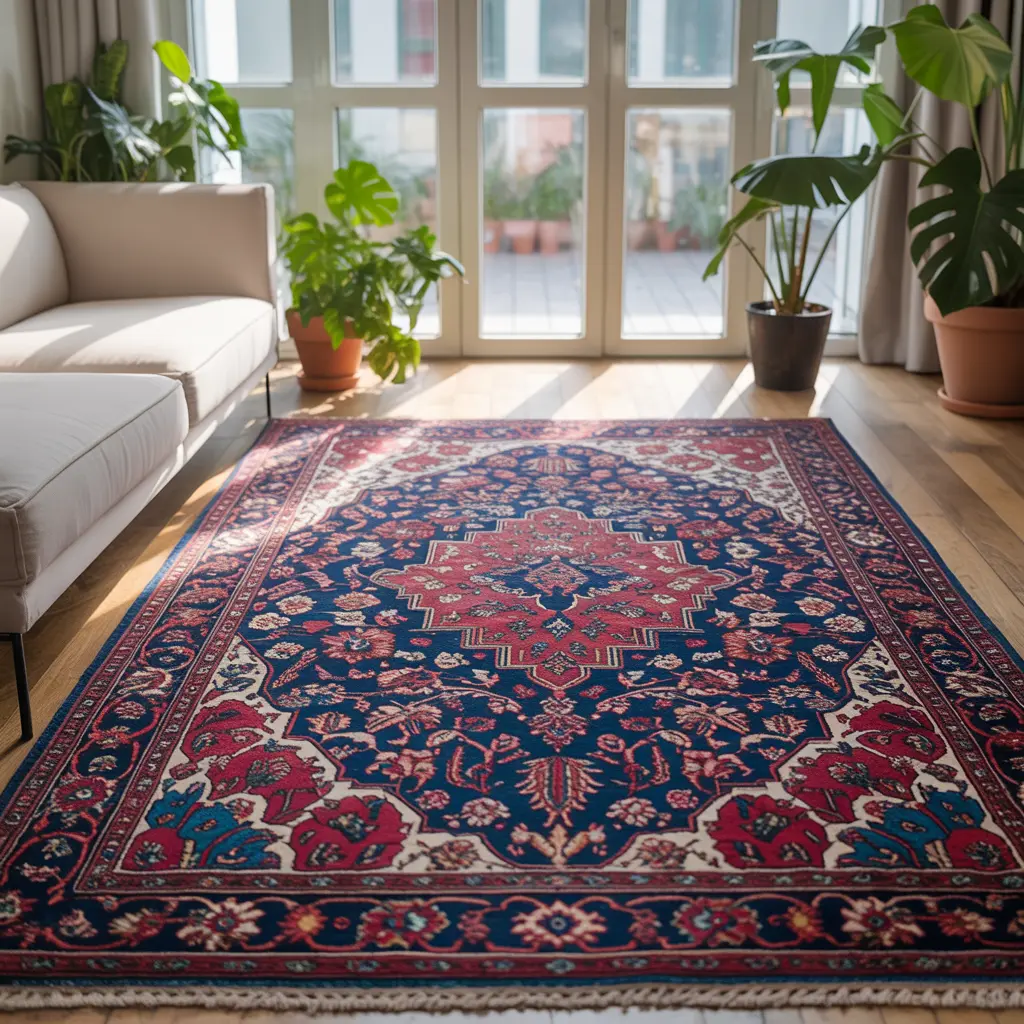
An area rug is one of the simplest, lowest risk ways to transform a rental space, since it addresses outdated or worn flooring while adding color and softness, all without a single permanent change.
Choosing a washable rug for high traffic areas keeps maintenance simple, and layering two rugs, a larger jute or neutral base topped with a smaller patterned accent rug, adds visual depth affordably. If your rental has flooring you’d like to update further, peel and stick floor tiles are an option too, though checking your lease and testing a small area first matters just as much with flooring as it does with walls.
8. Use Fabric Panels and Tapestries for Wall Coverage Without Damage
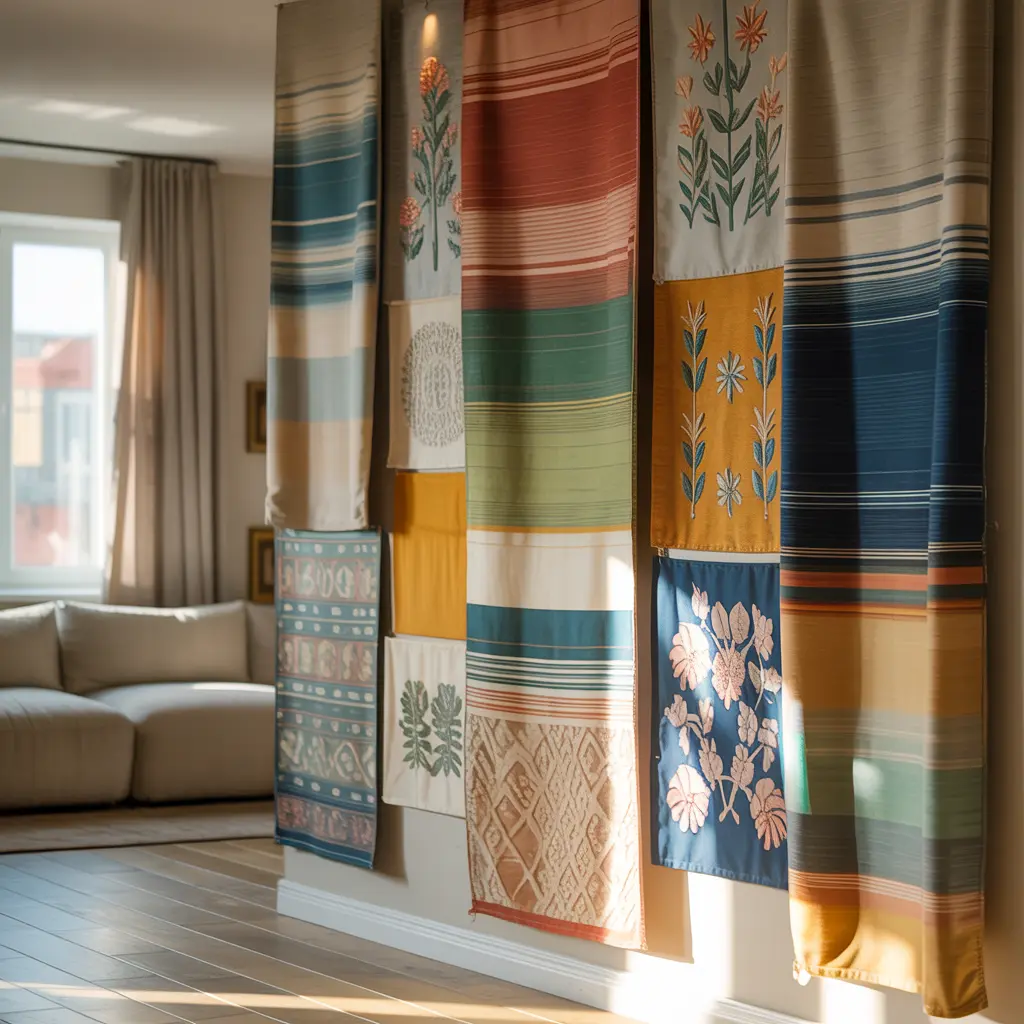
Fabric panels, tapestries, and even lightweight curtains hung as wall accents cover significant wall space and change a room’s entire mood, all while hanging from removable hooks or a tension rod rather than anything permanent.
Where Textiles Add the Most Impact
A tapestry behind a bed functions like an oversized headboard accent. Fabric panels in a bathroom or kitchen area can create a temporary backsplash-like effect. Because textiles are lightweight, they’re some of the easiest rental decor to hang securely with adhesive hooks rated for a fraction of what a framed piece would need.
9. Try DIY Projects That Cost Under $10 and Leave No Trace
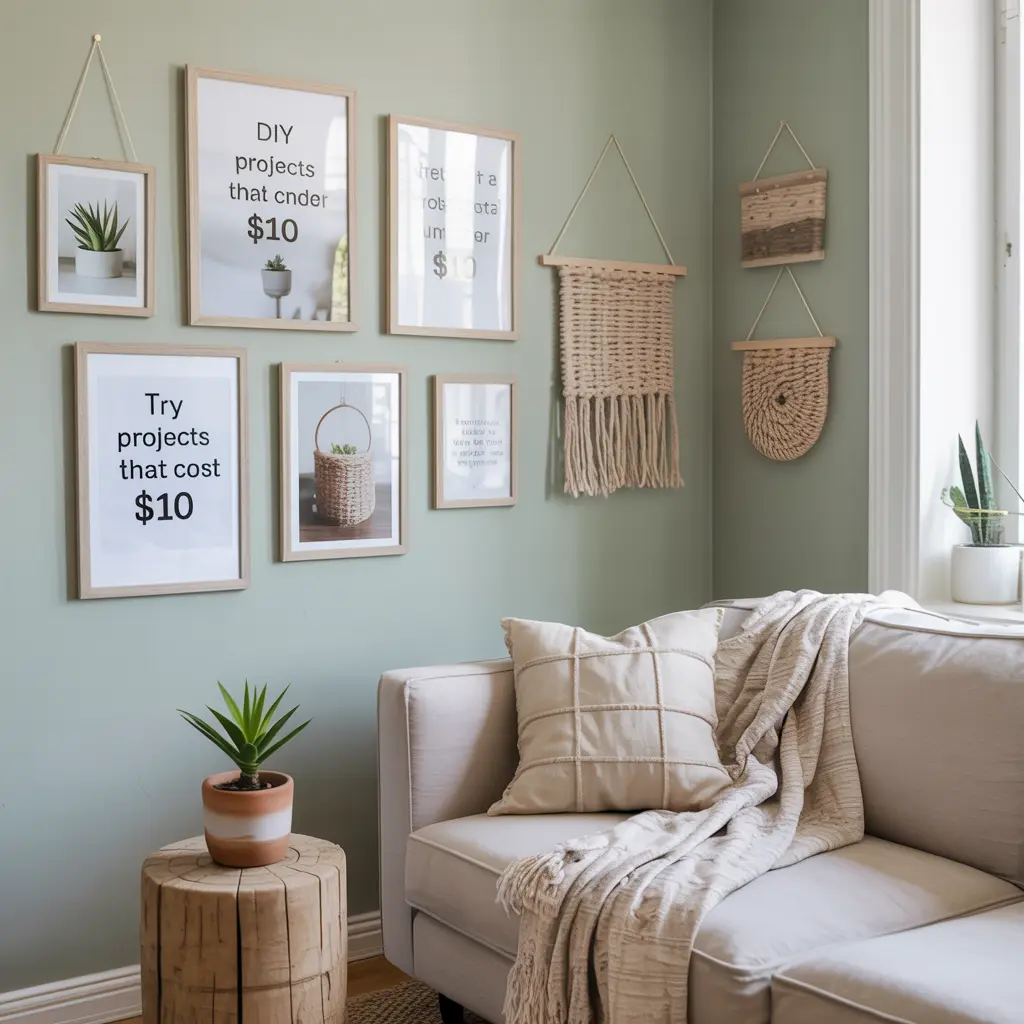
Some of the most effective rental friendly decor updates are also the cheapest, using materials like washi tape, fabric scraps, and basic craft supplies rather than anything requiring tools or wall penetration.
A washi tape calendar or grid pattern on a wall adds graphic interest and removes cleanly, since washi tape is specifically designed to lift without residue. Fabric covered foam panels, simply fabric wrapped around lightweight foam board and leaned or adhesive-hung, add texture and color for very little cost and can be swapped out seasonally.
10. Choose Moisture-Resistant Options for Bathrooms and Kitchens
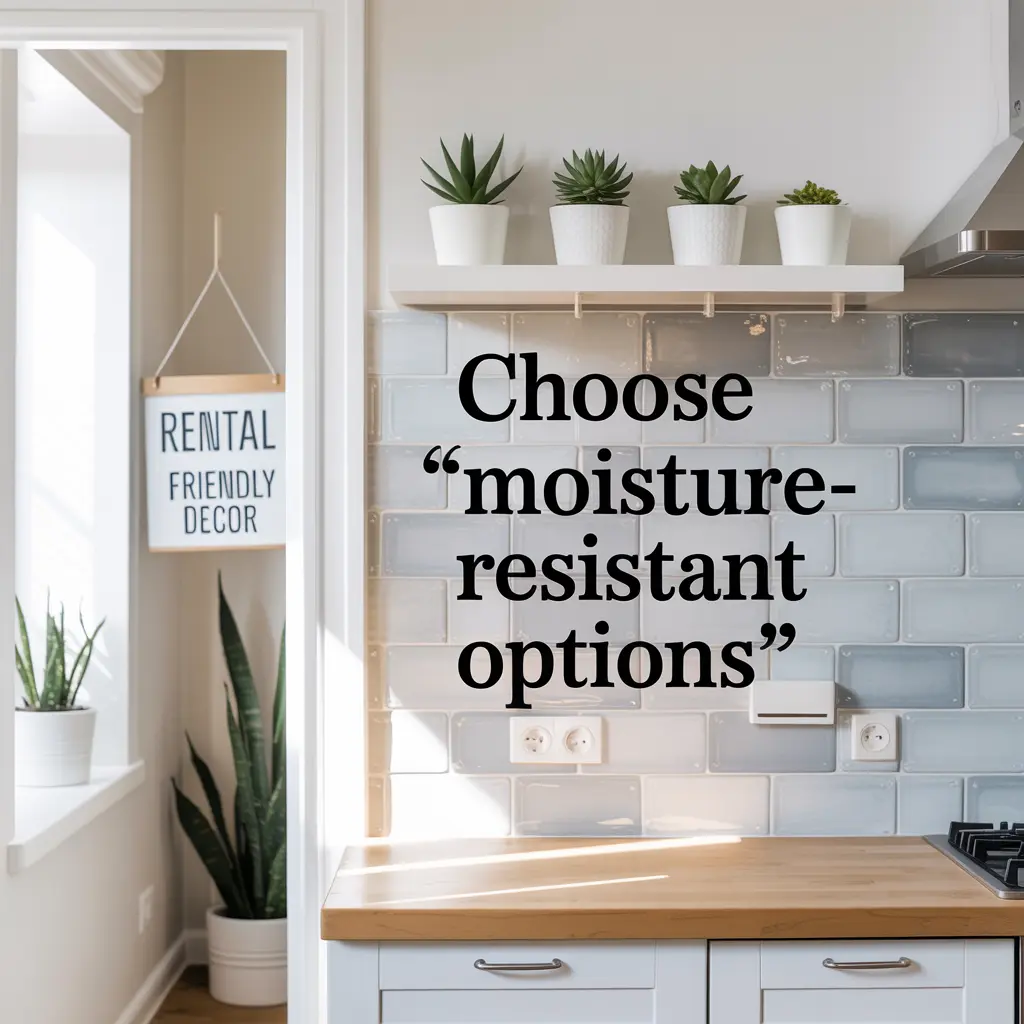
Standard adhesive strips and decals don’t always hold up in humid, moisture-heavy spaces, so bathrooms and kitchens need a slightly different approach to stay both damage-free and actually secure.
Waterproof wall decals and silicone based caulk strips are designed to seal and remove cleanly even with regular exposure to steam and moisture, unlike standard paper-backed adhesives that can peel or warp. Avoiding heavy, non-waterproof decor items in these rooms also matters, since anything that absorbs moisture is more likely to fail and potentially damage the surface underneath it.
Mistakes to Avoid
- Skipping the weight rating check. Using an adhesive hook rated for less than your frame’s actual weight is the most common reason rental decor fails and falls.
- Removing strips or hooks the wrong way. Pulling straight out instead of slowly at a 180 degree angle is what actually causes paint damage on removal.
- Not testing wallpaper or decals first. Wall condition and paint type vary, so a small test patch in a hidden spot avoids a costly surprise on a full wall.
- Using standard adhesives in bathrooms or kitchens. Moisture-heavy rooms need waterproof or silicone based options specifically designed for humidity.
- Painting without written landlord permission. Most leases prohibit it, and if allowed, you’re often required to return the wall to its original color before moving out.
- Overloading a single wall with heavy leaning pieces. Stacked or leaning decor still needs a stable, wide enough surface, so balance matters even without wall mounting.
Frequently Asked Questions
Will Command strips or adhesive hooks really not damage rental walls? When used correctly, weight-rated adhesive strips are designed to remove cleanly. The key factors are matching the weight rating to your item, cleaning the wall first, and removing the strip slowly at a 180 degree angle rather than pulling straight out.
Is removable wallpaper actually removable, or does it damage paint? Quality peel and stick wallpaper is designed for clean removal, but results depend on your wall’s paint type and condition. Testing a small section in a low visibility area before committing to a full wall is the safest way to confirm it will work in your specific rental.
Can I decorate a rental bathroom without risking damage from moisture? Yes, but standard adhesive decor isn’t always the right choice there. Waterproof decals and silicone based caulk strips are specifically designed to handle humidity and steam without peeling or damaging surfaces.
What’s the easiest rental friendly decor update to start with? A large leaning mirror or a well chosen area rug are both high impact, zero risk updates that require no adhesive, no tools, and no landlord approval at all.
Do I need my landlord’s permission for peel and stick decor? Most standard leases don’t require permission for genuinely removable products like adhesive hooks or peel and stick decals, but it’s worth checking your specific lease, especially before committing to a larger project like an accent wall.
Bringing It All Together
Rental friendly decor doesn’t mean settling for bare walls and boring beige everything. Starting with a large leaning mirror, a well placed area rug, and a few weight-rated adhesive hooks for lighter art usually transforms a space significantly with zero risk to your deposit. From there, a peel and stick accent wall, some plants, and a bit of warm lighting are what turn a rental into a home that actually feels like yours, all without a single nail hole to patch when you move out.

Leave a Reply