
You step out onto your balcony with a cup of coffee, and there’s nowhere to actually put it down. Maybe there’s a rusty railing, a concrete floor that traps heat, and just enough room to stand but not sit. This is the reality for a lot of apartment dwellers with small balcony decor needs. The good news is that a tiny balcony doesn’t have to stay an unusable slab of concrete. With the right layout, a few smart furniture picks, and some greenery that actually survives outdoor conditions, even a balcony under 40 square feet can become a spot you want to spend time in.
This guide walks through ten specific, apartment friendly ways to transform a small balcony, from furniture sizing to lighting to what to avoid entirely if you want your deposit back.
1. Measure Before You Buy Anything
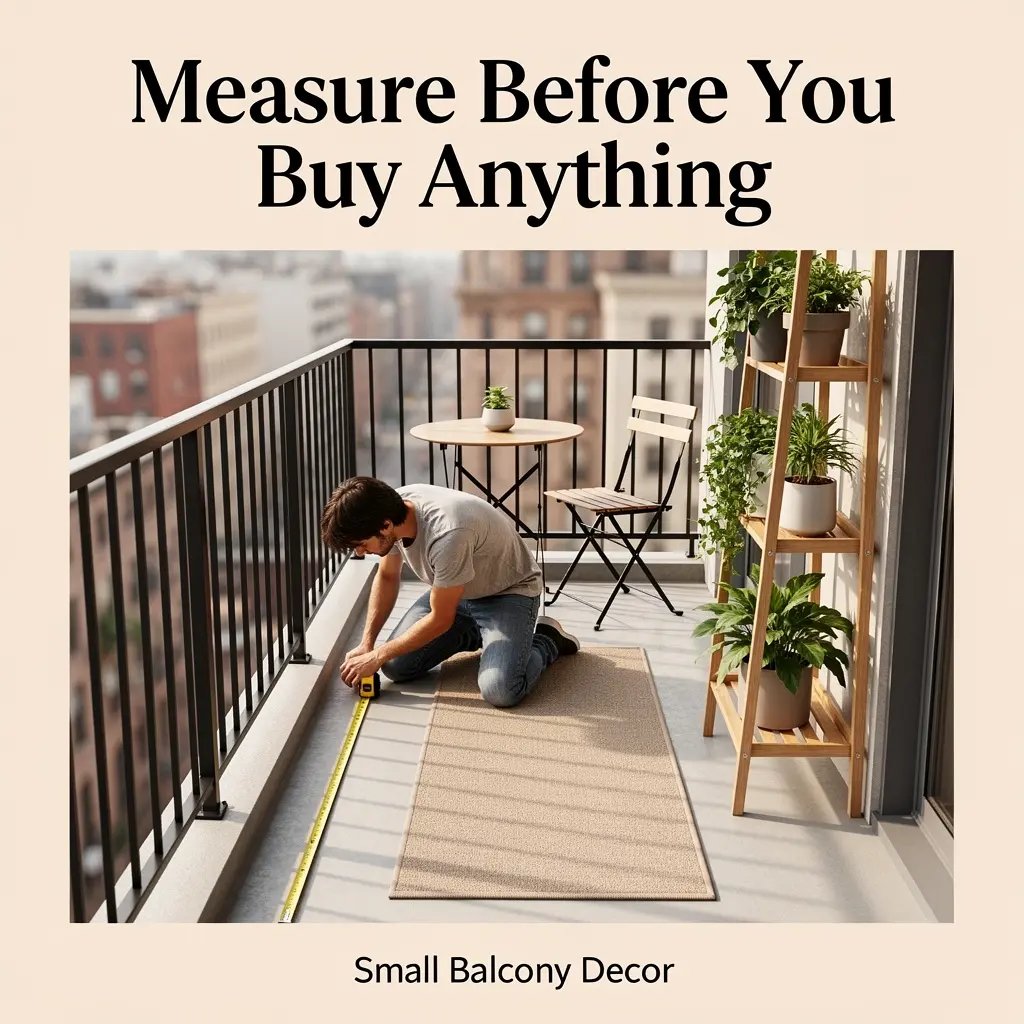
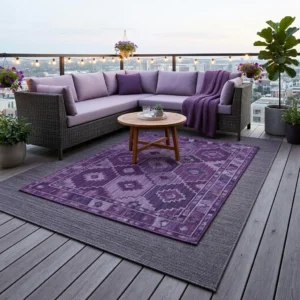
This sounds obvious, but it’s the step most people skip, and it’s the reason so many balcony furniture returns happen. Grab a tape measure and note the exact width and depth of your space, then subtract at least 24 inches for a walking path. A balcony that’s 6 feet by 4 feet only has real usable furniture space of about 4 feet by 2 feet once you account for the door swing and railing clearance.
Why This Matters More Outdoors
Indoors, a slightly oversized chair just means a tight squeeze. Outdoors, an oversized piece can block your door from opening fully or create a tripping hazard near the railing. Write your measurements down and keep them on your phone before you start browsing furniture sites, because it’s easy to eyeball a photo and misjudge scale by a foot or more.
2. Choose Furniture That Folds or Stacks
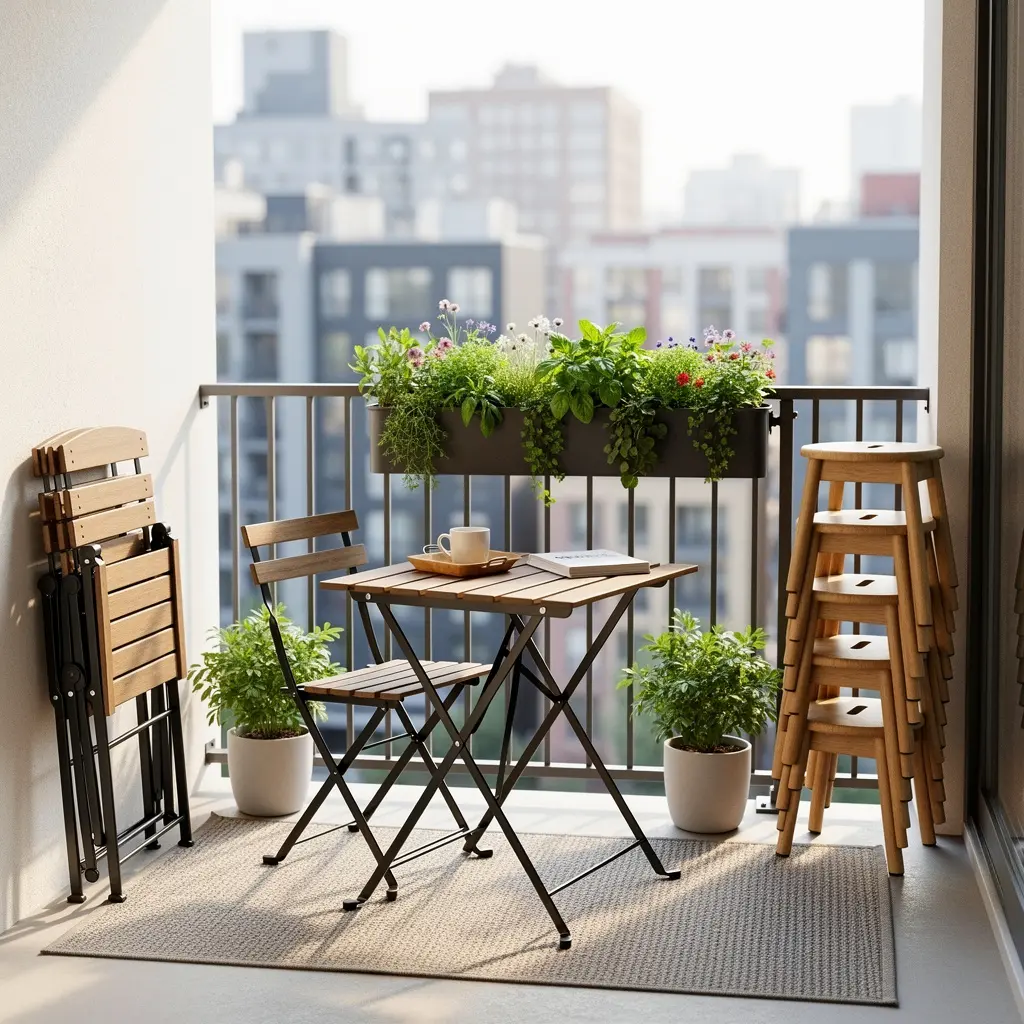
For any balcony under 50 square feet, folding bistro sets are usually the better call over fixed patio furniture. A folding two chair bistro set with a small round table typically runs somewhere in the 80 to 200 dollar range depending on material, and it lets you reclaim the floor space when you’re not using it. Stackable chairs work well too, especially if you want to seat more than two people occasionally without permanent clutter.
Look for powder coated steel or resin frames rather than untreated wood, since wood needs more maintenance against rain and UV exposure. If your building doesn’t allow drilling into railings or walls, stick to freestanding pieces entirely, since anything wall mounted may need landlord approval anyway.
3. Add a Vertical Garden Instead of Ground Planters
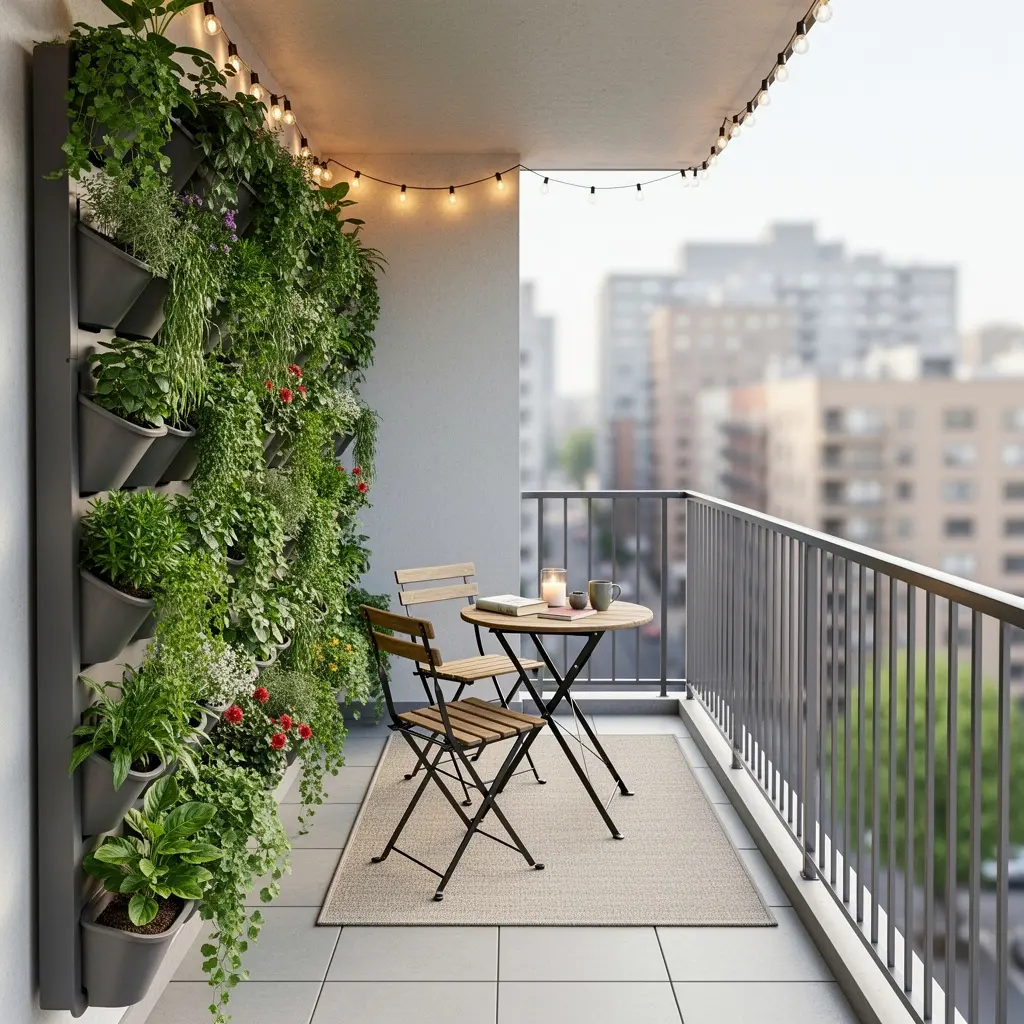
Floor space is the scarcest resource on a small balcony, so moving your plants upward solves two problems at once. A railing planter box, which typically clips onto a standard railing without drilling, can hold three to five small pots of herbs or flowers while taking up zero floor space. Vertical wall mounted pocket planters do something similar against a solid balcony wall.
What Actually Survives on a Balcony
Not every plant handles balcony conditions well, since balconies often get more wind and more direct heat off concrete than a ground level garden does. Herbs like rosemary, thyme, and mint tend to do fine in partial sun. Succulents handle heat and irregular watering better than leafy greens. If your balcony faces north or gets less than four hours of direct light, ferns and shade tolerant plants will outlast anything that needs full sun.
4. Use an Outdoor Rug to Define the Space
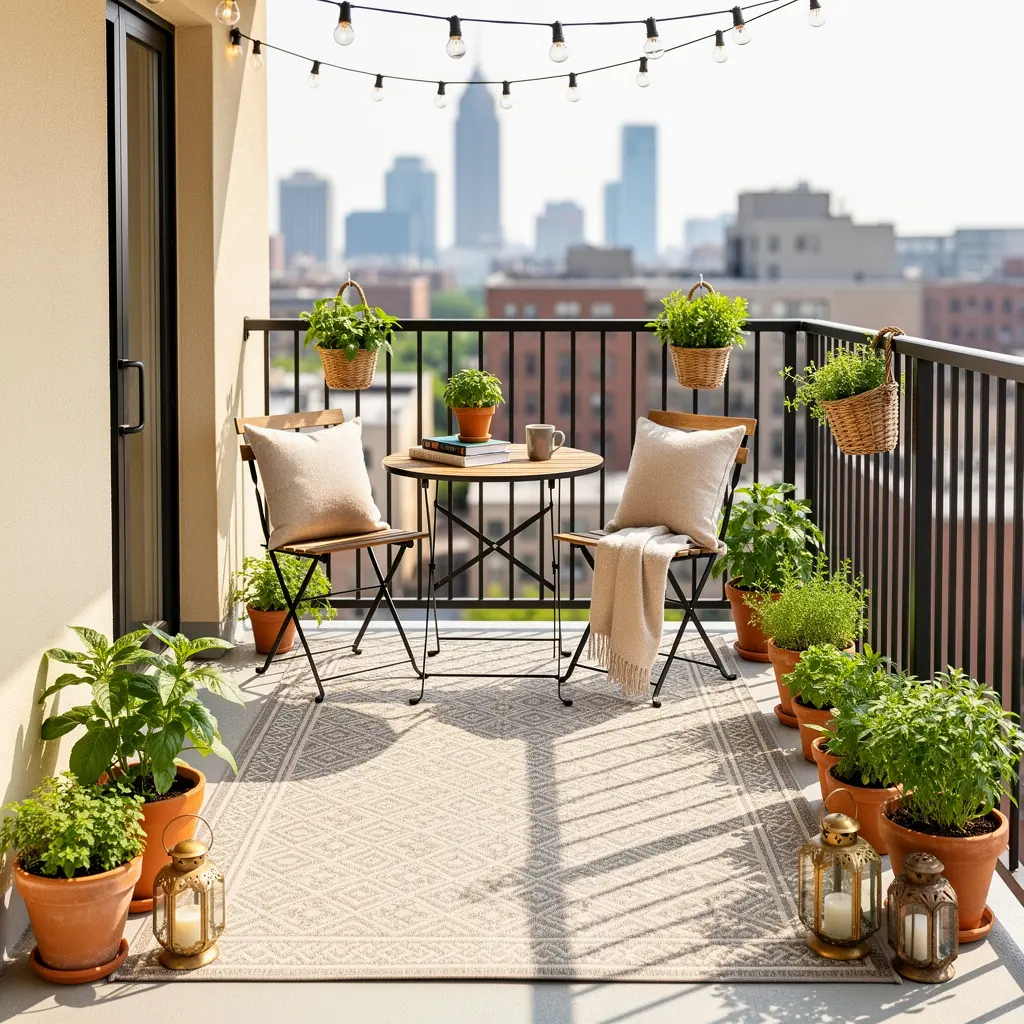
A plain concrete or composite floor reads as unfinished no matter what furniture sits on it. A weather resistant outdoor rug, usually made of polypropylene so it can handle rain without mildewing, instantly makes the space feel intentional. For a balcony in the 4 by 6 foot range, a rug sized around 3 by 5 feet leaves a border of visible floor, which actually looks more proportional than covering the entire surface edge to edge.
Stick to darker colors or busy patterns if your balcony doesn’t have covered shelter, since a light colored rug will show dirt and stains within a few weeks of exposure.
5. Install String Lights or a Solar Lantern
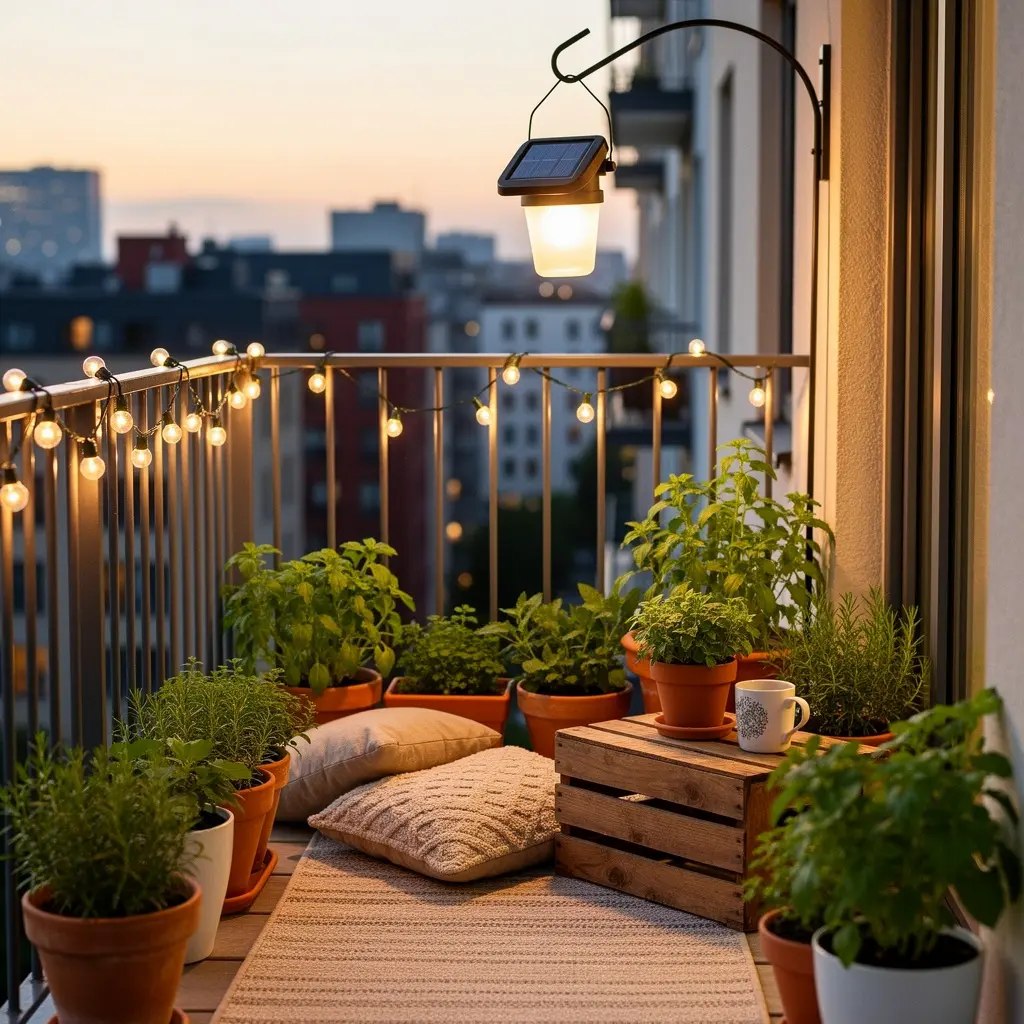
Balconies rarely have great built in lighting, and relying on the glow from your living room through a sliding door isn’t enough once the sun goes down. Solar powered string lights solve this without needing an outdoor outlet, which many apartment balconies don’t have. Look for warm white LED strings rated for outdoor use, and run them along the railing or under a small pergola if you have one.
Battery Powered Alternatives
If your balcony doesn’t get much direct sun during the day, a solar option might not charge fully. In that case, battery operated LED lanterns with a timer function are a reliable backup, since you can place them anywhere without worrying about wiring or sun exposure.
6. Go Vertical With a Wall Mounted Shelf
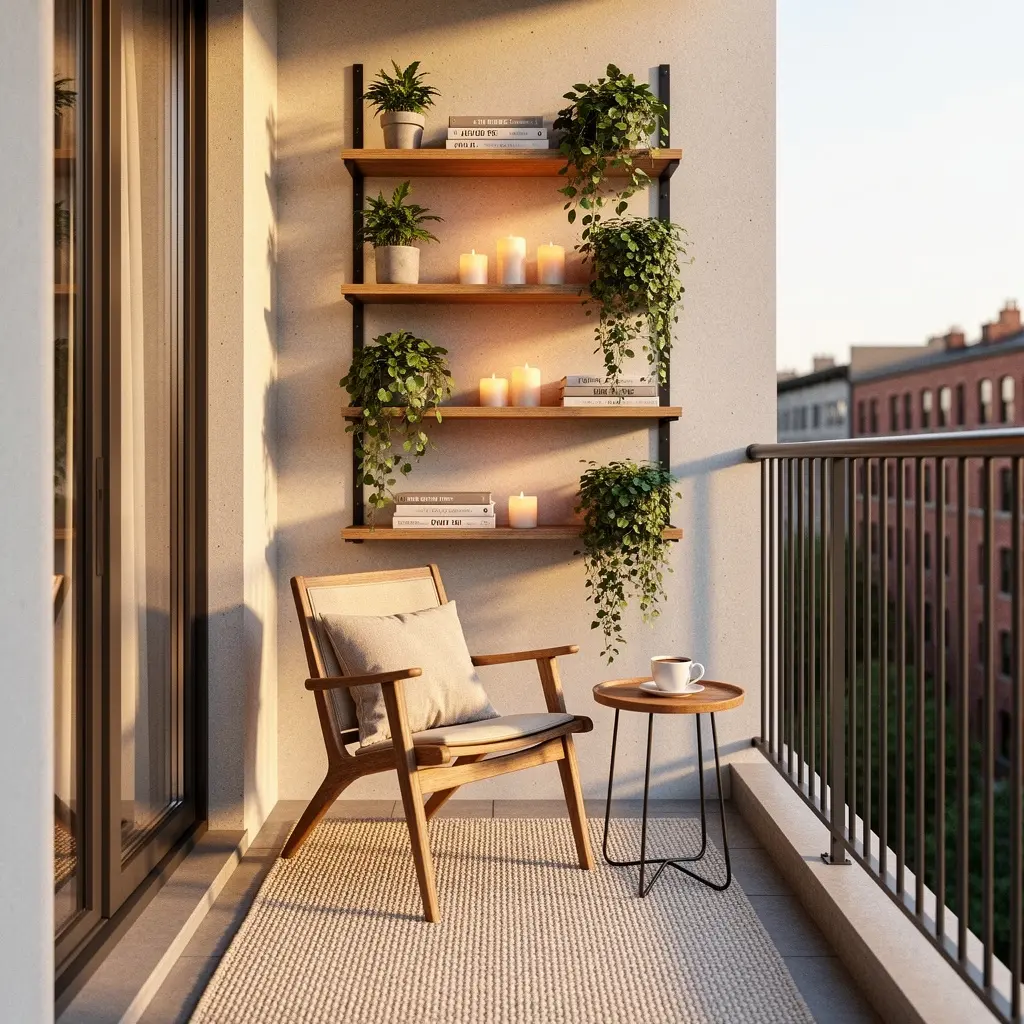
A single narrow shelf, even one only 6 to 8 inches deep, gives you a spot for a small potted plant, a citronella candle, or a drink without needing a side table that eats into your walking path. Look for shelves rated for outdoor use, since indoor grade particleboard will warp within a season of rain exposure.
If drilling isn’t allowed, tension mounted shelving units that wedge between the floor and the ceiling of a covered balcony are a solid workaround, and they don’t leave any permanent marks.
7. Pick a Color Scheme That Makes the Space Feel Bigger
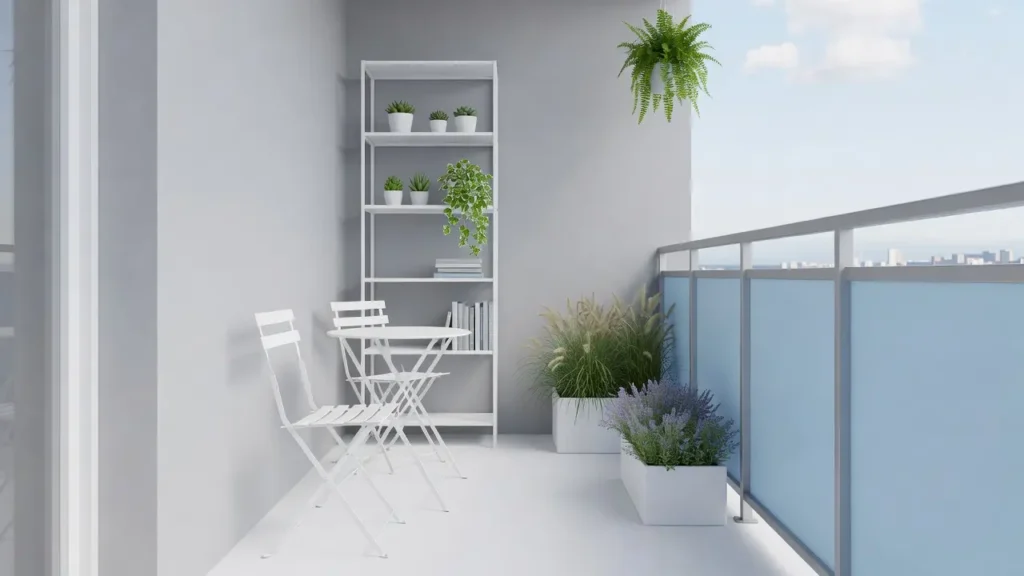
Dark, saturated colors tend to visually shrink a small area, while whites, light grays, and soft pastels bounce more light around and make a cramped balcony feel a bit more open. This doesn’t mean everything has to be white. One or two accent pieces, like a bright orange cushion or a patterned lantern, in an otherwise neutral palette actually reads as more curated than an all one color approach.
The Container Color Trick
If you’re using terracotta or plastic planters, painting them a single unifying color, even a basic white or sage green, makes a mismatched collection of pots look like a deliberate set instead of a random accumulation.
8. Add Privacy Without Blocking Airflow
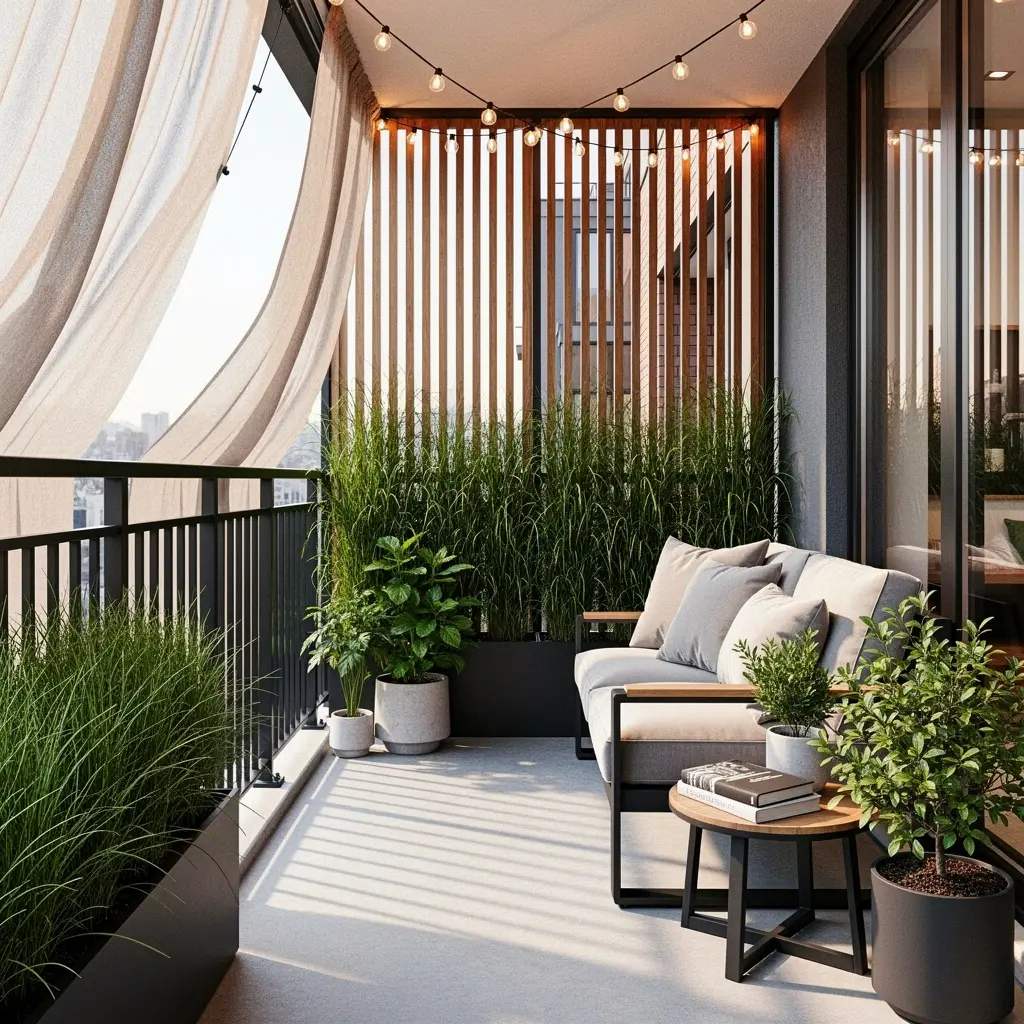
Ground floor and lower unit balconies often face directly into a neighbor’s window or a busy walkway, which makes the space feel exposed rather than relaxing. A bamboo or reed privacy screen that clips onto the railing blocks sightlines while still letting air circulate, unlike a solid panel that can make a small space feel stuffy. These typically run in the 20 to 50 dollar range for a standard railing length.
Outdoor curtains hung from a tension rod under a covered balcony overhang are another option, and they add a softness that a rigid screen doesn’t.
9. Bring in a Small Side Table That Multitasks
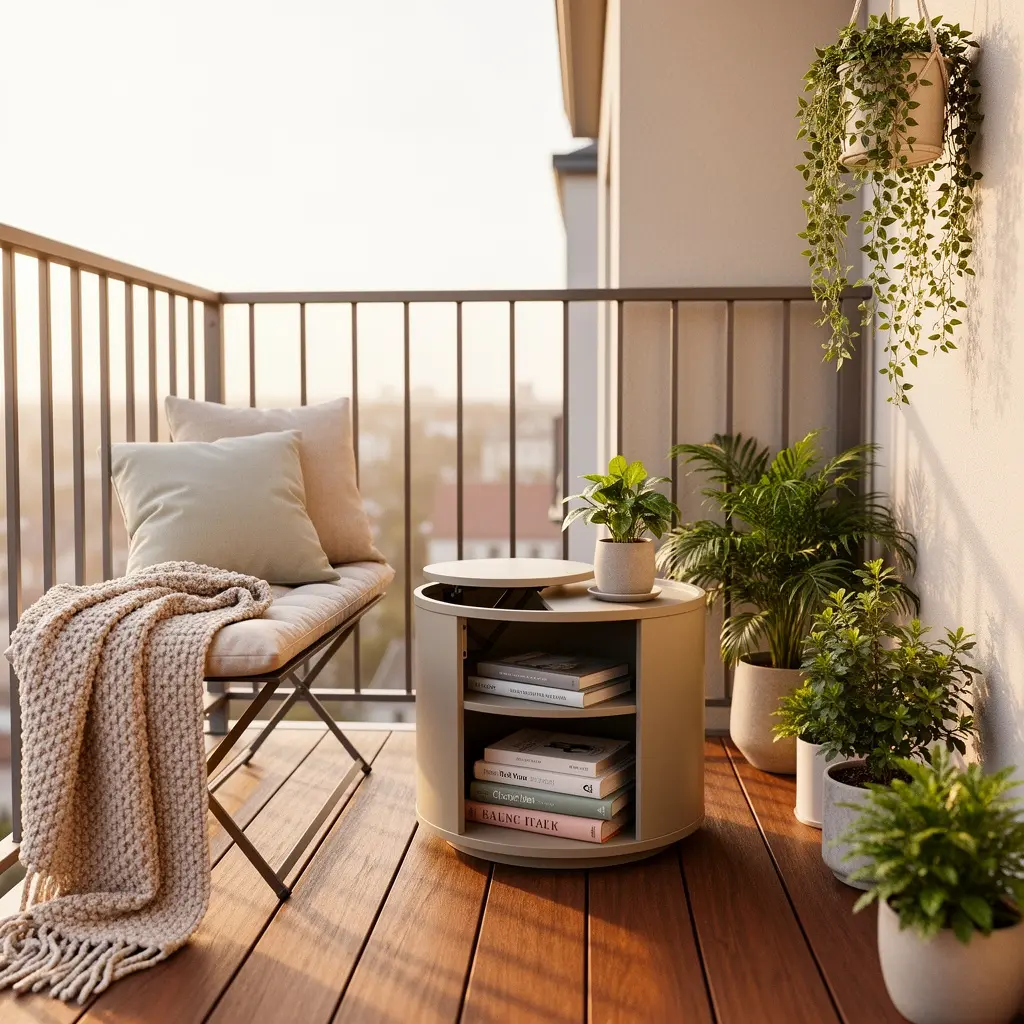
A side table that’s too large just becomes another obstacle, but skipping a table entirely means balancing drinks and books on your lap. A folding TV tray style table or a small stool that doubles as a table solves this without committing permanent floor space. Look for a table under 18 inches in diameter for balconies smaller than 30 square feet.
If you want the table to also hold potted plants when you’re not using it for drinks, choose a material like metal or resin that won’t stain from water rings.
10. Layer in Textiles for Comfort
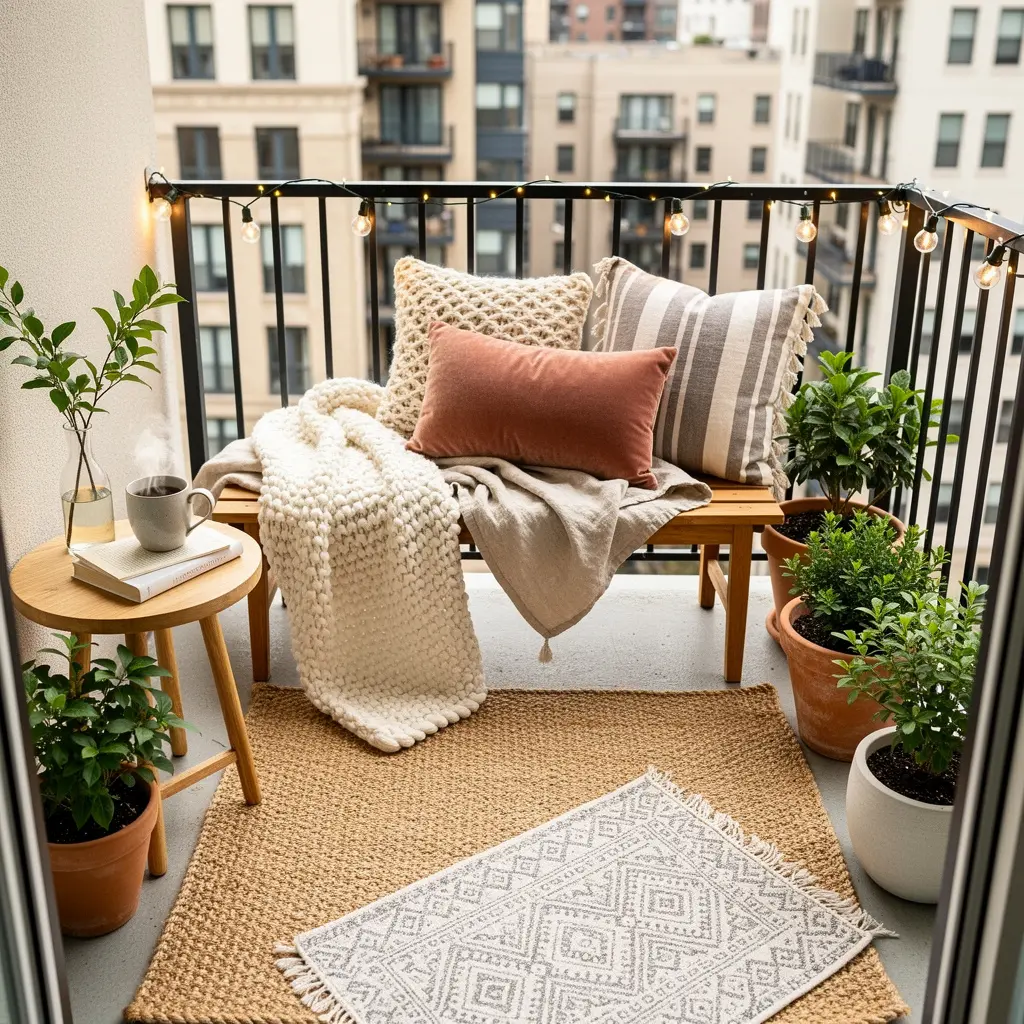
Metal and resin balcony furniture is durable, but it’s rarely comfortable without help. Weather resistant outdoor cushions, usually filled with quick dry foam and covered in solution dyed acrylic fabric, hold up to occasional rain far better than indoor cushion fabric. A couple of throw pillows and a lightweight outdoor throw blanket for cooler evenings turn a purely functional chair into somewhere you’d actually choose to sit.
Bring cushions inside during heavy rain or store them in a small weatherproof bin if your balcony doesn’t have any overhead cover, since even outdoor rated fabric will mildew with constant soaking.
Mistakes to Avoid
- Buying furniture based on a photo without measuring your actual space first
- Choosing heavy ceramic planters that are difficult to move and can crack in freezing temperatures
- Drilling into railings or walls without checking your lease or getting landlord approval
- Overcrowding the space with too many small decor pieces, which makes a small balcony feel cluttered instead of cozy
- Ignoring your balcony’s sun exposure and picking plants that need conditions it can’t provide
- Skipping weatherproofing on textiles and furniture, leading to mildew or fading within one season
Frequently Asked Questions
Do I need landlord permission to decorate my balcony? It depends on your lease. Freestanding furniture and planters are usually fine, but drilling into railings, walls, or ceilings for shelving or lighting often requires approval. Check your lease terms or ask your property manager before making any permanent changes.
What’s the best flooring option for a concrete balcony? Interlocking outdoor deck tiles, often made of composite wood or plastic, snap together without adhesive and can be removed when you move out. They’re a good middle ground between a bare rug and a permanent flooring installation.
Can I use regular indoor furniture on a balcony? It’s not recommended for anything left outside long term, since untreated wood, indoor fabric, and non weather rated finishes will warp, fade, or mildew much faster than furniture built for outdoor exposure.
How do I keep my balcony plants alive if I travel often? Self watering planters, which hold a water reservoir that releases moisture gradually, can keep most plants alive for one to two weeks without attention. Succulents and drought tolerant herbs are also a safer choice if you’re away frequently.
What size balcony is too small to decorate? There’s no real minimum. Even a balcony under 20 square feet can hold a single folding chair, a railing planter, and a string of lights. The key is choosing fewer, well chosen pieces rather than trying to fit a full furniture set into a space that can’t support it.
Conclusion
A small balcony doesn’t need a big budget or a major renovation to feel like an actual extension of your apartment. The real shift comes from treating it as a small room with real constraints, measuring first, choosing furniture that folds or multitasks, and adding light and greenery in ways that don’t eat up your limited floor space. Start with one or two changes, like a folding chair and a railing planter, and build from there once you see how the space actually gets used.

Leave a Reply