10 Cozy Patio Ideas That Turn a Plain Slab Into a Real Living Space
You have a patio, but right now it’s basically just a concrete rectangle with a grill and maybe a couple of folding chairs nobody actually relaxes in. Cozy patio ideas exist specifically to close that gap, treating the space with the same intention you’d give an indoor room so it becomes somewhere people naturally want to sit rather than a stop on the way to the yard.
1. Define the Space With a Rug Before Anything Else
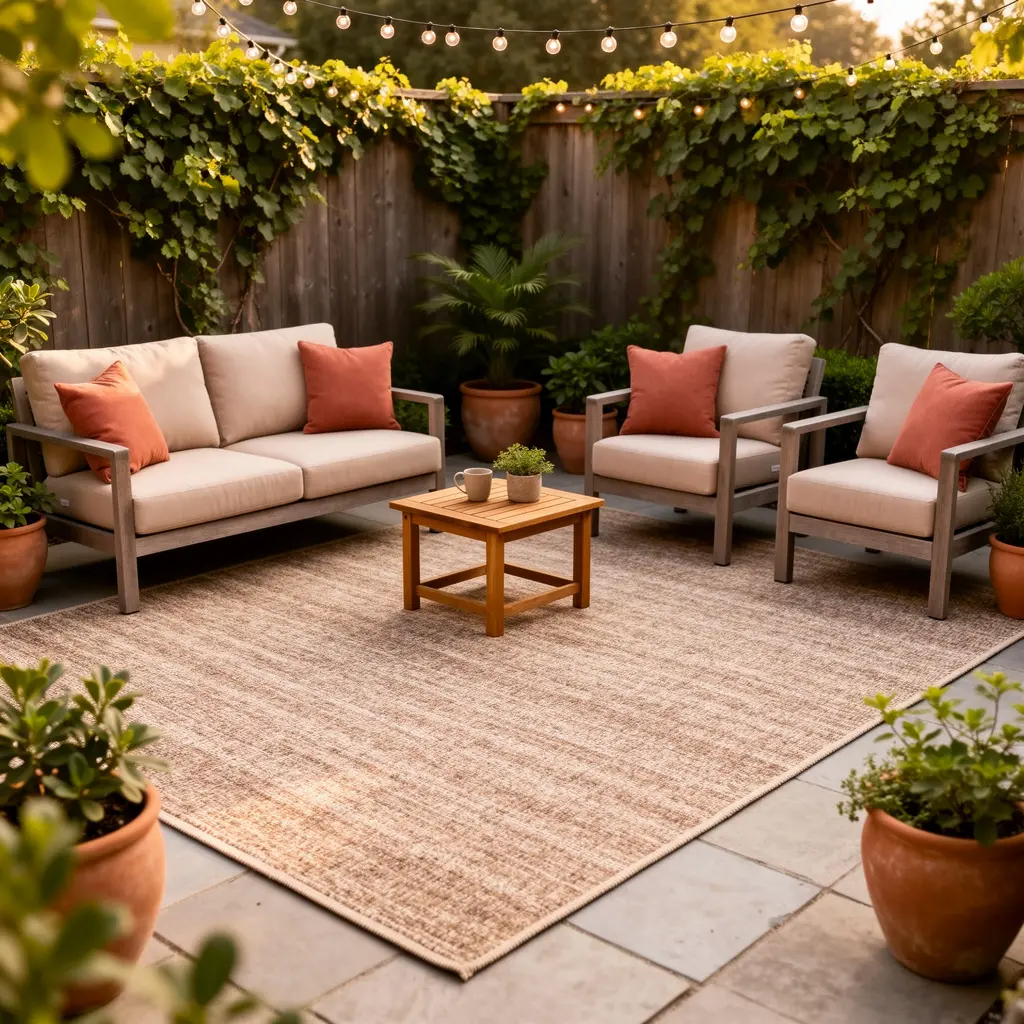
A patio with no rug tends to feel like an open slab with furniture scattered on top of it. An outdoor rated rug placed under the main seating area gives the patio clear visual boundaries and instantly makes it read as an intentional room rather than an afterthought.
Why This Step Comes Before Furniture Shopping
Once you know the rug’s size and placement, it becomes much easier to figure out how much furniture actually fits comfortably around it. Working backward from furniture alone often results in pieces that don’t leave room for a rug at all.
2. Choose Deep, Genuinely Comfortable Seating
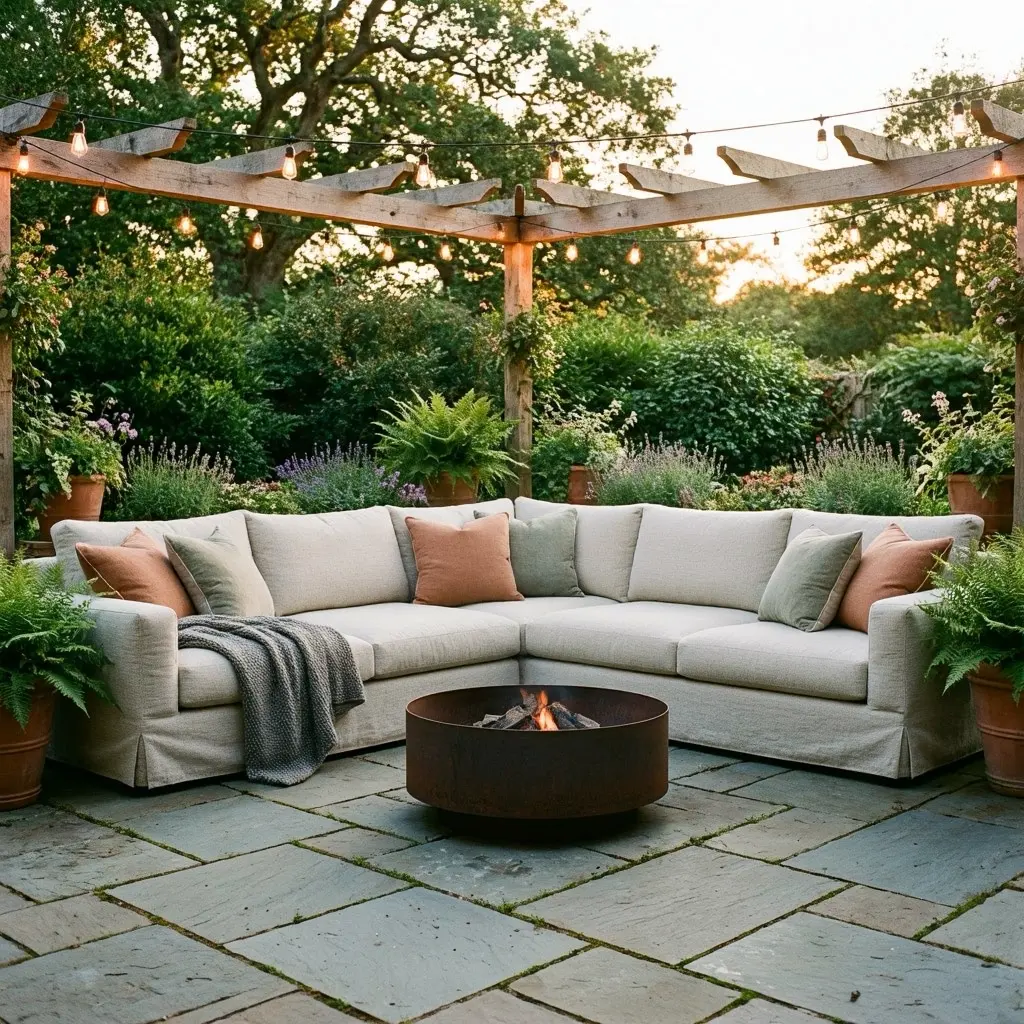
A lot of patio furniture prioritizes durability over comfort, resulting in seating that looks fine in a catalog photo but that nobody actually wants to sit in for more than a few minutes. Look for cushions at least four inches thick if comfort is the priority. Deep seat cushions and a frame with real lounge proportions matter more here than most people expect. Comfort, more than style, is what actually gets people to stay outside instead of drifting back in after ten minutes.
3. Add Shade for Daytime Comfort
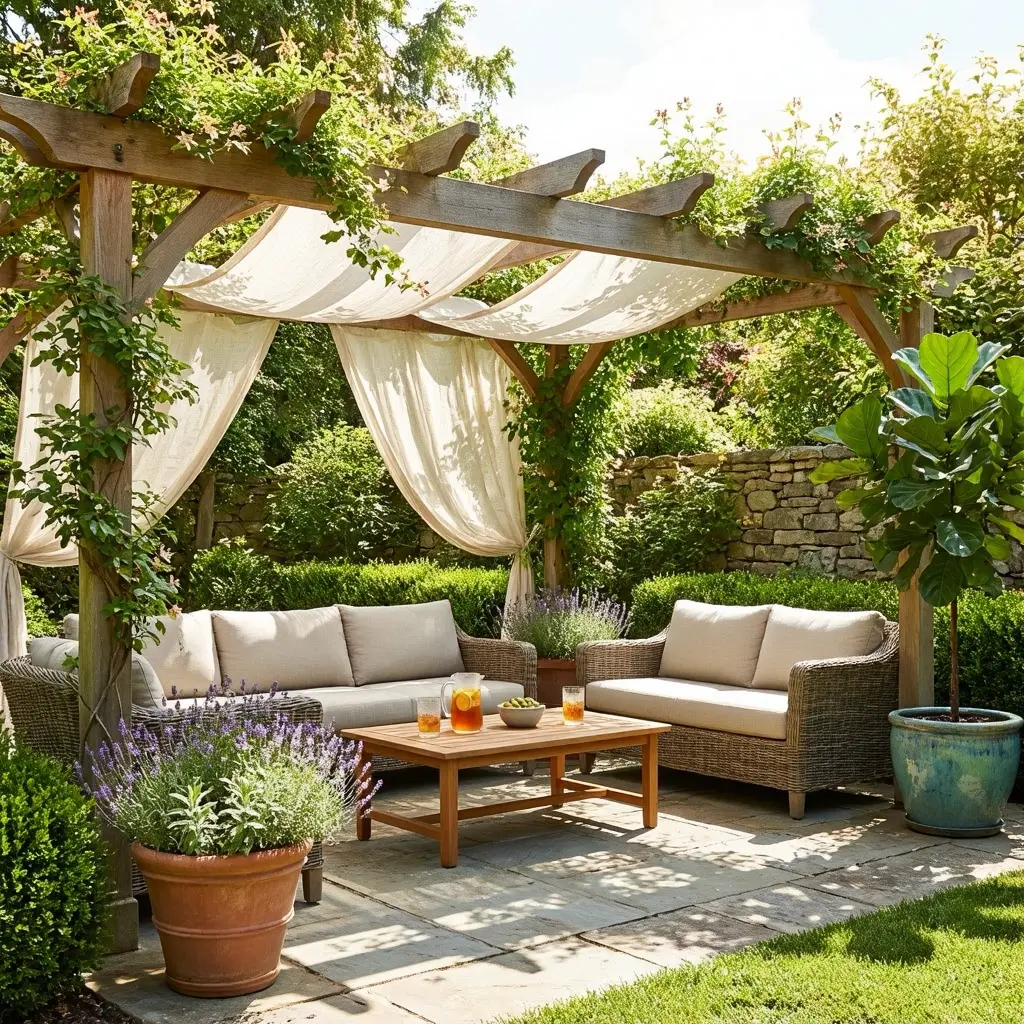
A large umbrella, a retractable awning, or a simple pergola makes a patio usable during the hottest parts of the day, not just in the evening. Without some kind of shade, a beautifully furnished patio can end up sitting empty during exactly the hours people would otherwise want to use it.
4. Layer Warm Lighting for Evening Use
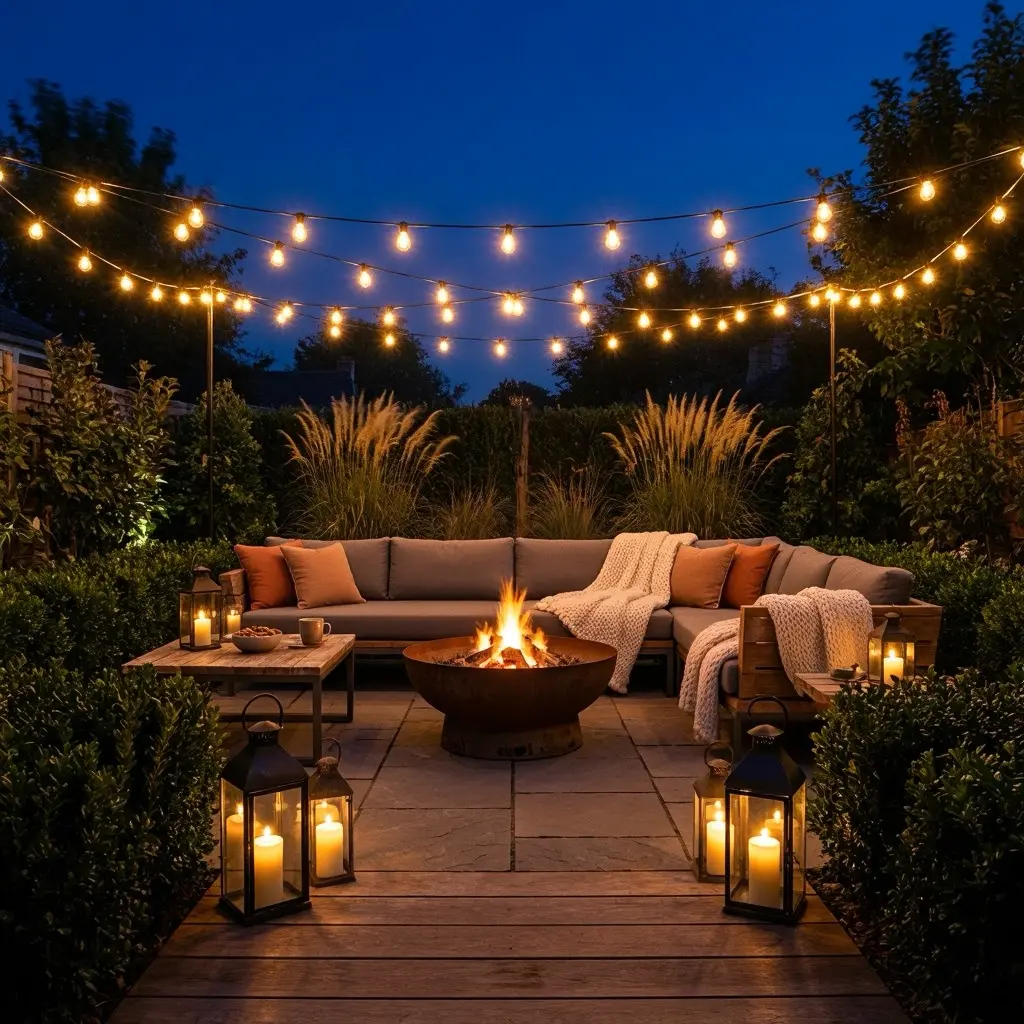
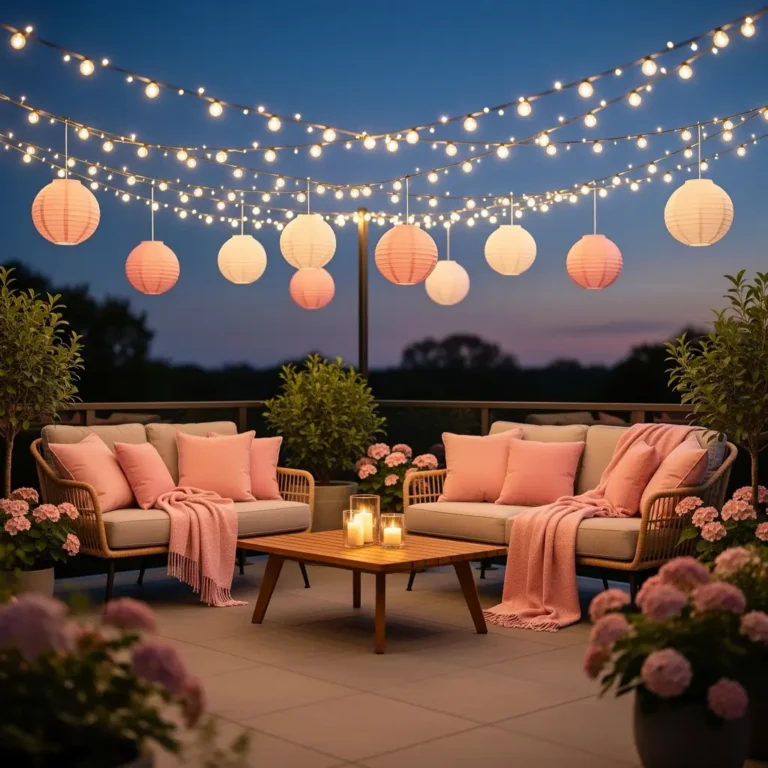
A single bright floodlight makes a patio feel more like a parking lot than a place to relax. String lights, a couple of lanterns, or a small table lamp rated for outdoor use create a softer, more varied glow that extends the patio’s usability well into the evening. A basic outdoor string light set runs about $20 to $30 and covers a decent sized patio.
Choosing a Light Temperature That Feels Relaxing
Warm white lighting, generally in the 2700K to 3000K range, reads as considerably cozier outdoors than a cooler, bluer light, which can feel closer to security lighting than ambiance.
5. Add a Fire Feature for Warmth and a Natural Gathering Point
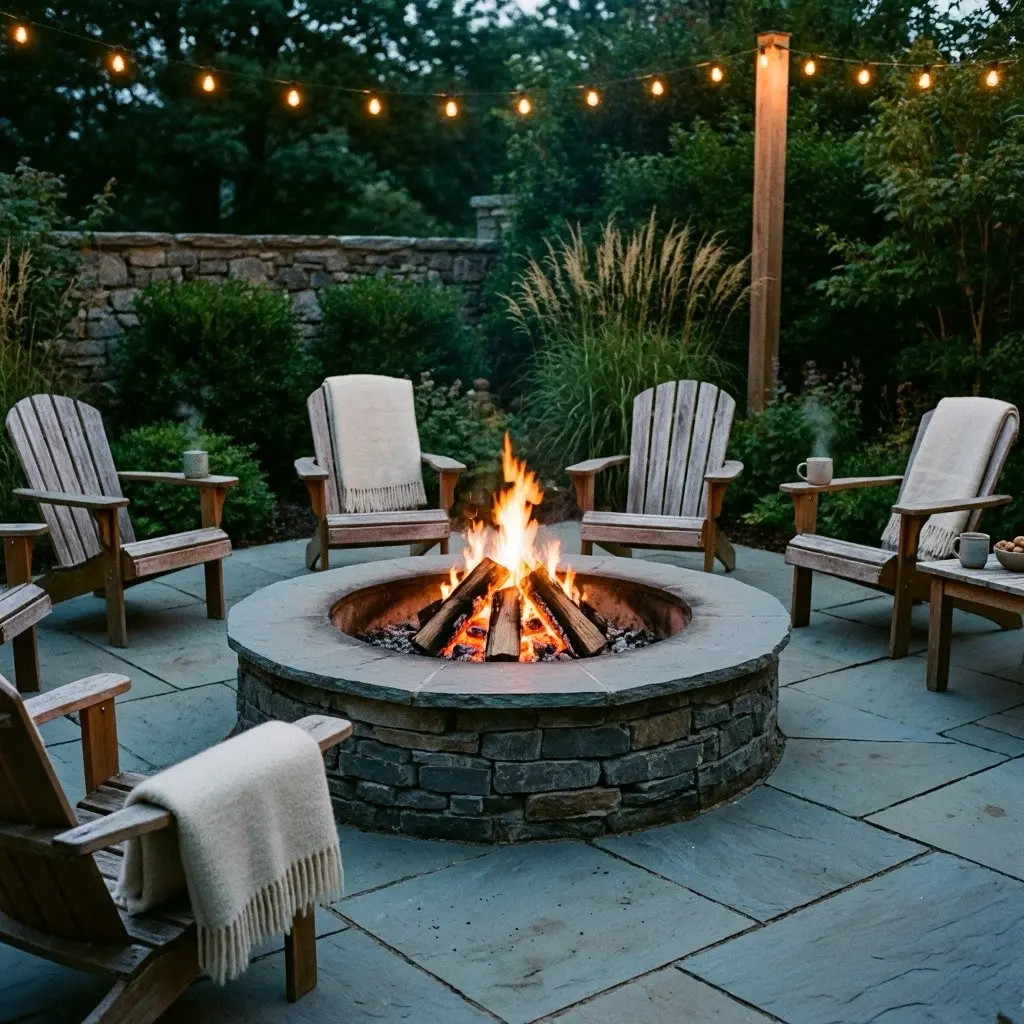
A fire pit, whether wood burning or a simpler gas option, extends a patio’s usable season and gives the space a natural point that draws people to sit closer together. A basic portable option runs $60 to $150 and needs no permanent installation. Always check local regulations on open flame before installing one, since rules vary considerably by location.
6. Use Potted Plants to Soften Hard Surfaces
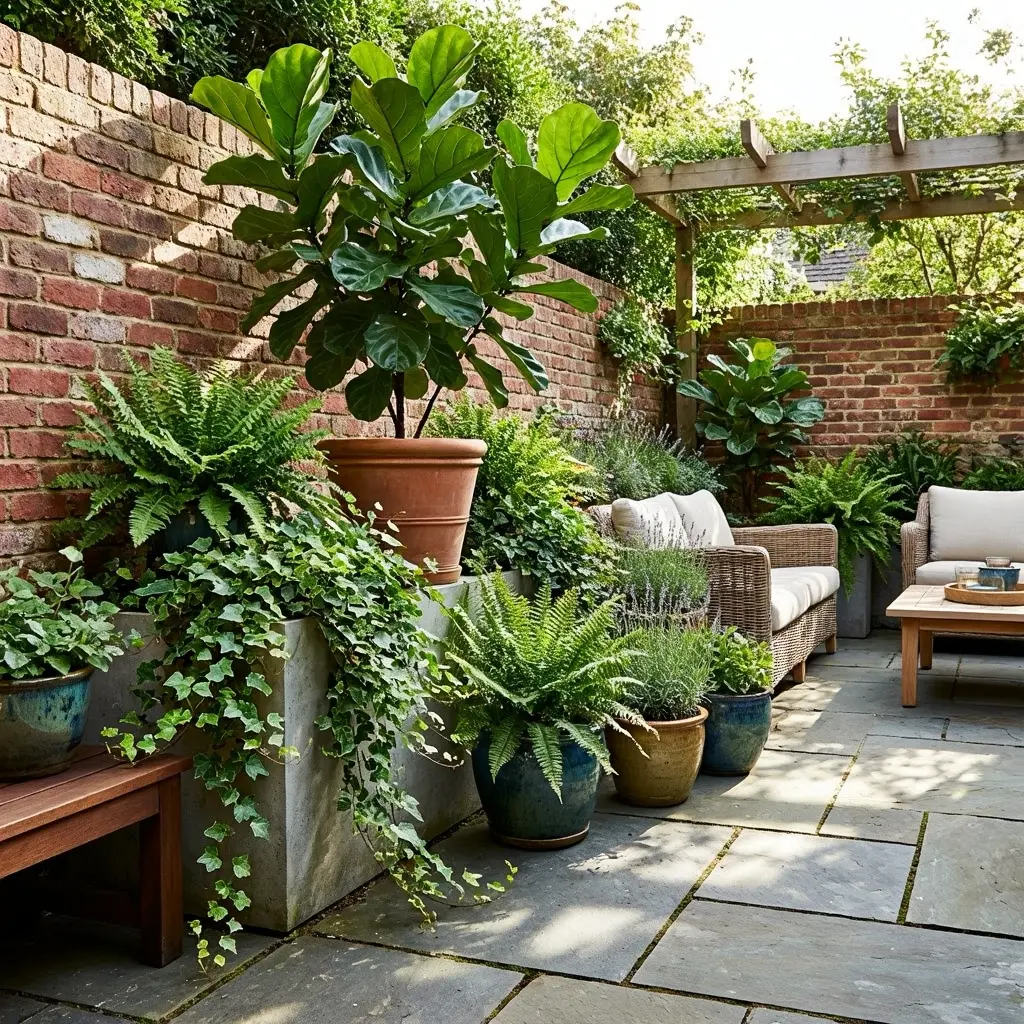
A patio is often surrounded by hard materials, concrete, brick, stone, so potted plants at varying heights soften those surfaces and add a genuine living element. A mix of one tall plant and two or three smaller ones usually covers this well without crowding the seating area. Taller plants also add privacy from neighbors or a street facing yard, which matters more than people expect once the patio actually gets used regularly.
7. Choose a Coffee Table or Ottoman for Practical Function
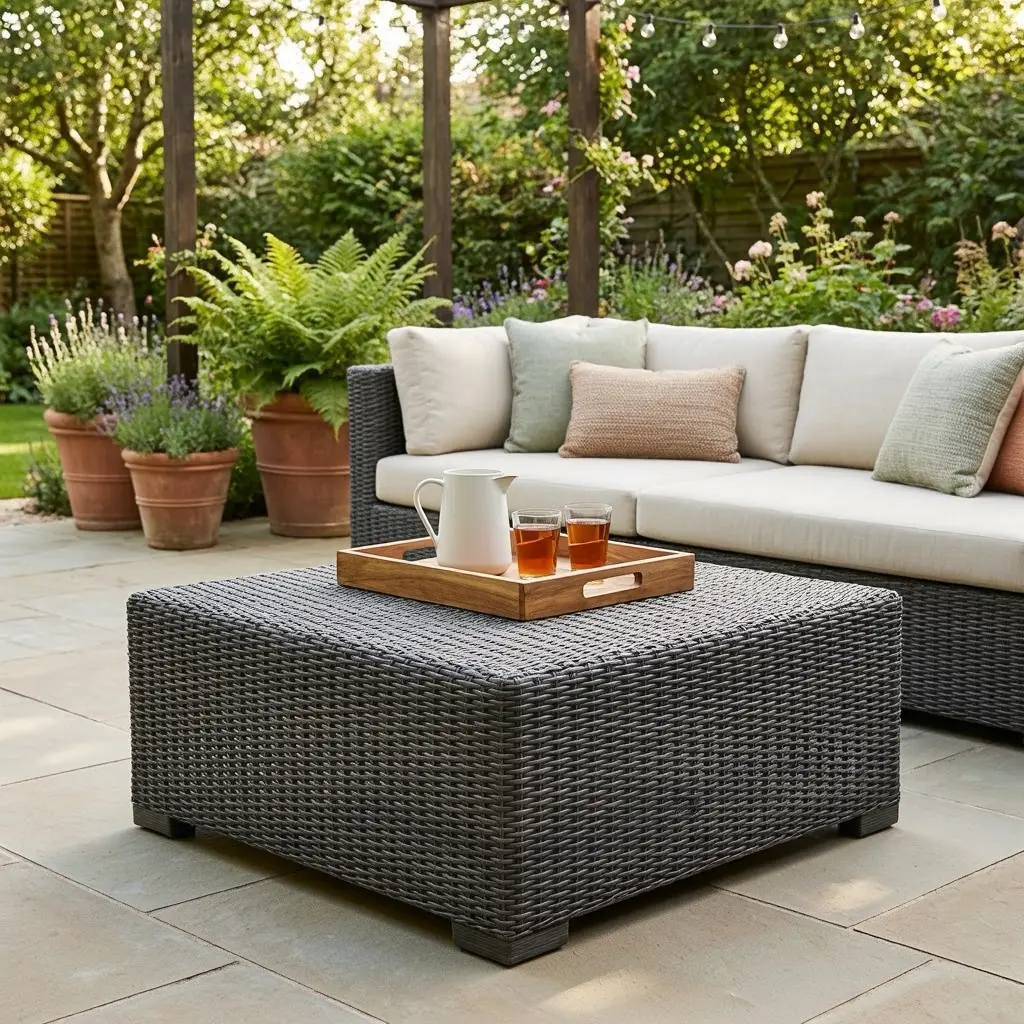
A place to set a drink, a book, or your feet up matters as much outdoors as it does inside. A storage ottoman in the $80 to $150 range doubles as both a table and a spot to tuck away cushions when it rains. Skipping this piece of furniture means guests end up balancing everything on the arm of a chair, which undercuts the whole relaxed feeling a patio is supposed to have.
8. Layer Outdoor Rated Textiles Generously
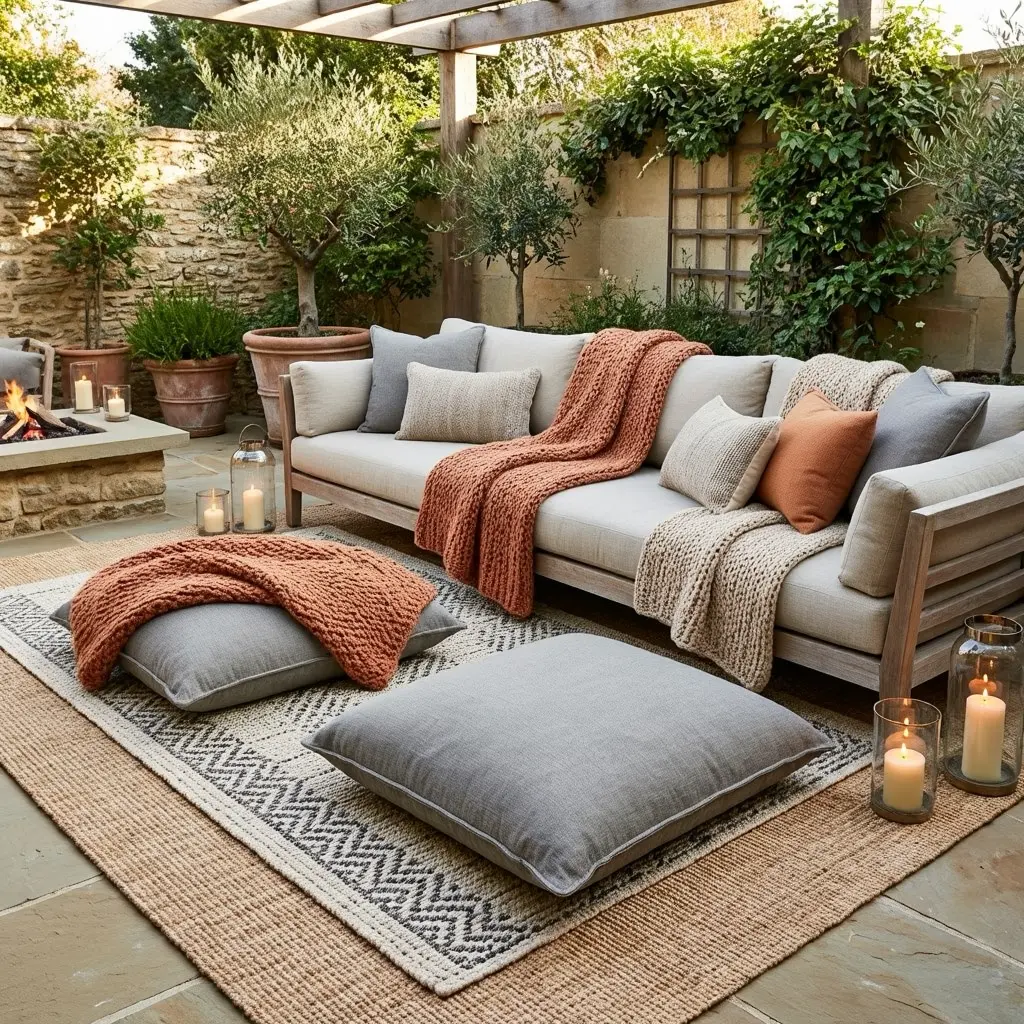
Throw pillows, a woven blanket, and textured cushions bring the same layered coziness outdoors that you’d expect indoors. Two or three pillows per seat is usually enough without making the furniture feel overstuffed. Choose fabric specifically rated for outdoor use, since it resists fading and moisture damage far better than indoor textiles brought outside as a temporary fix.
9. Add a Dining Zone Separate From the Lounge Area
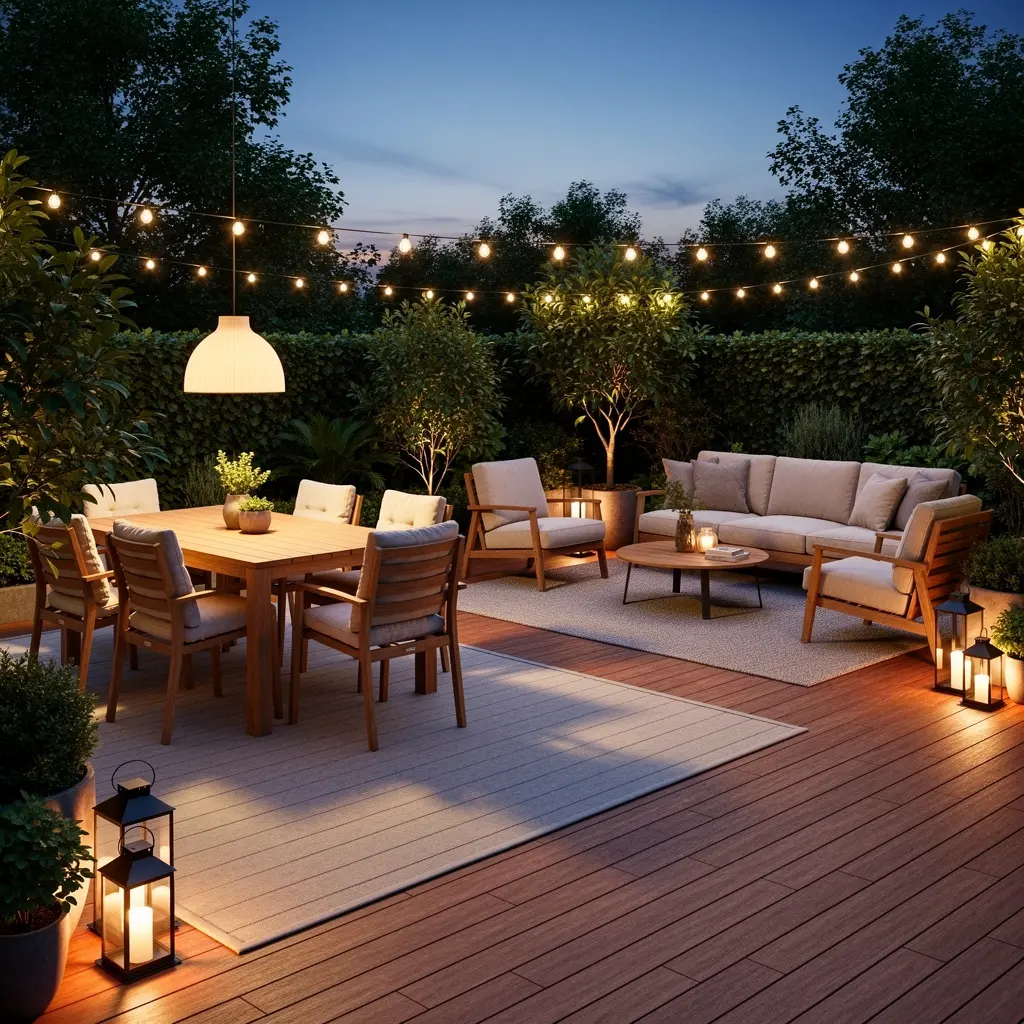
If the patio is large enough, separating a dining space from the lounge seating with a second rug or a slight change in furniture style gives the patio more than one function without the two zones blending into one another. This matters especially if the patio regularly hosts both quiet evenings and larger gatherings.
10. Personalize With Outdoor Art or Sculptural Accents
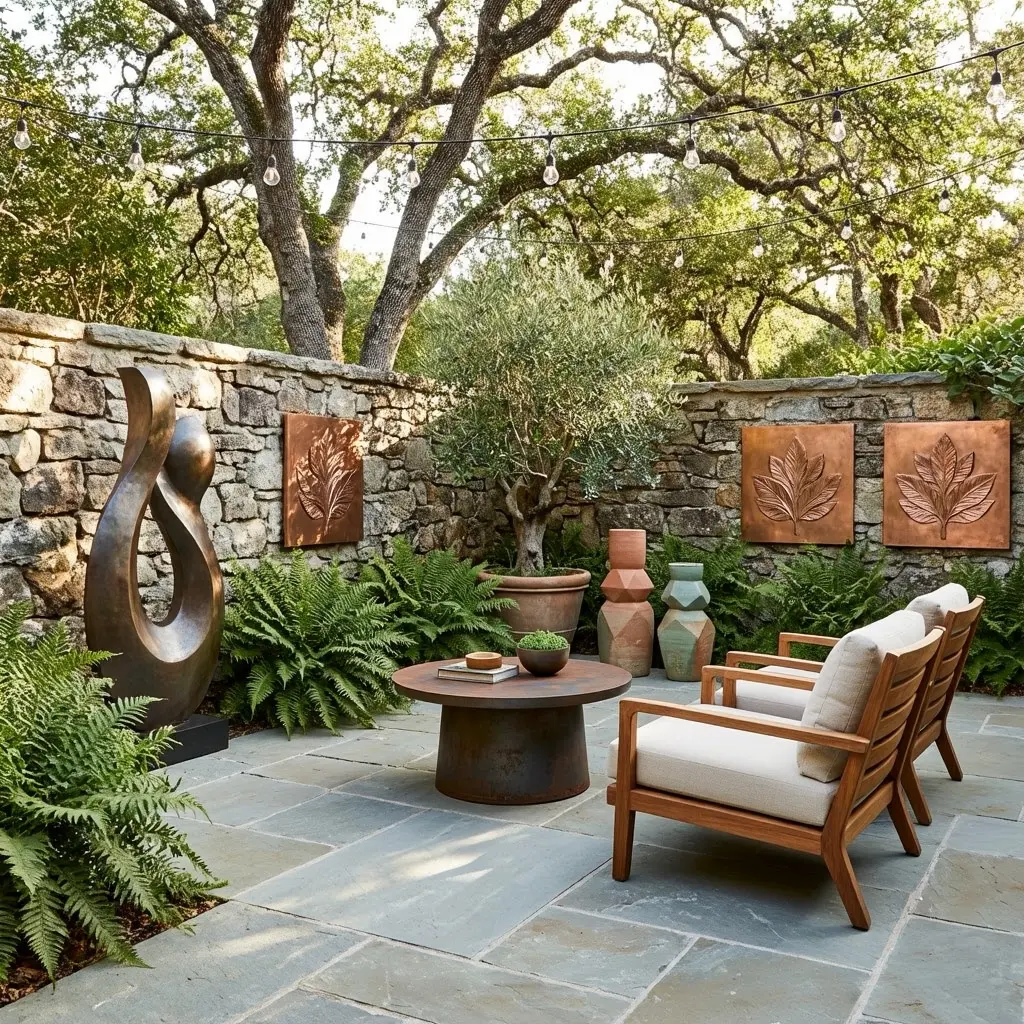
A piece of weather resistant art, a decorative lantern, or a sculptural planter gives the patio personality beyond just furniture and lighting. One well chosen piece, placed where it naturally catches the eye, does more for the space than several smaller scattered accents.
Mistakes to Avoid
- Buying furniture before measuring for a rug, which often leaves no room for one at all
- Choosing patio furniture based purely on durability instead of prioritizing genuine seating comfort
- Skipping shade entirely, which leaves the space unusable during the hottest parts of the day
- Relying on a single bright floodlight instead of layering in warm string lights and lanterns
- Leaving the patio without a coffee table or ottoman, forcing guests to balance drinks precariously
- Installing a fire feature without first checking local regulations on open flame
Frequently Asked Questions
What’s the first thing I should do when styling a patio? Start with an outdoor rated rug to define the seating area’s boundaries before buying furniture, since it’s much easier to shop for pieces that fit around a rug than the other way around.
Do I need a fire pit to make a patio feel cozy? No, though a fire feature does extend the usable season considerably and gives the space a natural gathering point, so it’s worth considering if local regulations allow it.
How do I make a patio usable during the day, not just in the evening? Add shade through a large umbrella, a retractable awning, or a pergola, since a patio without any shade often sits empty during the hottest parts of the day regardless of how nice the furniture is.
What’s a good way to add privacy to a patio facing a street or neighbor? Taller potted plants arranged around the seating area’s perimeter add a natural sense of privacy without requiring a permanent fence or structure.
Can a small patio have both a dining area and a lounge area? Yes, especially if the two zones are separated with a second rug or a slight change in furniture style, which keeps the patio functional for both quiet evenings and larger gatherings.
Conclusion
Cozy patio ideas work when the space gets treated with the same intention as an indoor room: a rug to define the boundaries, genuinely comfortable seating, shade for the day, and warm layered lighting for the evening. Start with the rug and seating, since those two choices affect the whole feel of the space the most, then build outward with shade, plants, and personal touches as the patio comes together.