
Your living room is small enough that fitting in a sofa already feels like an achievement, so cozy has ended up taking a back seat to simply functional. But a genuinely warm small living room isn’t about adding more, it’s about choosing the right scale of furniture and layering in texture and light with intention. Cozy small living room decor ideas focus on exactly that, working with a compact footprint instead of fighting it, so the room feels welcoming rather than like a waiting area. This article covers the specific, practical changes that make a small living room feel like somewhere you actually want to spend an evening.
1. Choose A Properly Scaled Sofa
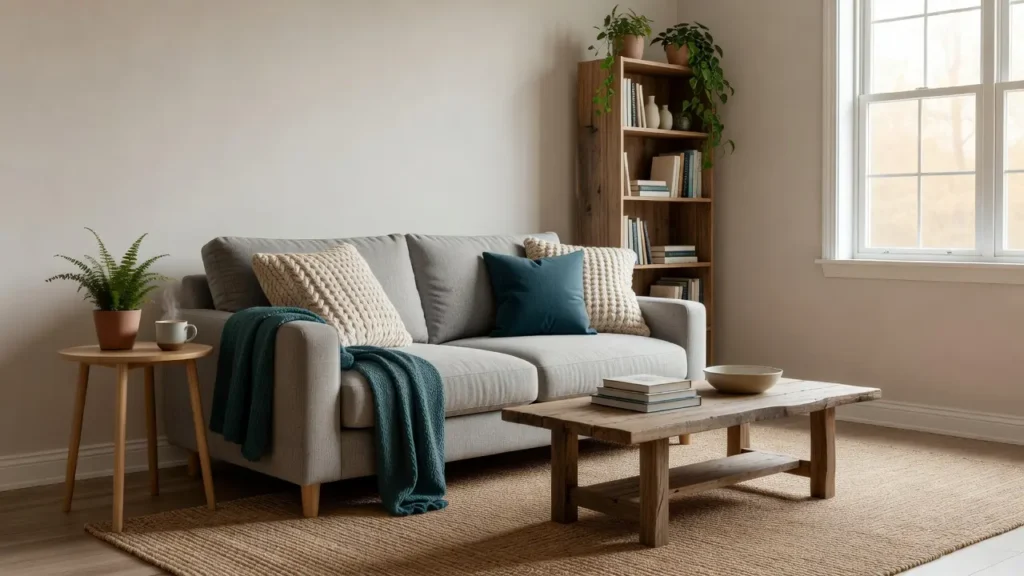
An oversized sofa is one of the most common reasons a small living room feels cramped rather than cozy. Most small living rooms work best with a sofa in the 65 to 80 inch range, or a petite sectional with a short side, since anything larger tends to block walkways and dominate the room’s proportions. Leaving at least 24 to 30 inches of clear walking space around the main seating keeps the room functional as well as visually calm, and it’s worth measuring this clearance before finalizing any layout rather than assuming it after the furniture arrives.
Measuring Before You Buy
Tape out the sofa’s footprint on your actual floor before ordering, and double check doorway and hallway widths too, since a sofa that fits the room on paper can still be impossible to actually get inside.
2. Use A Warm, Cohesive Color Palette
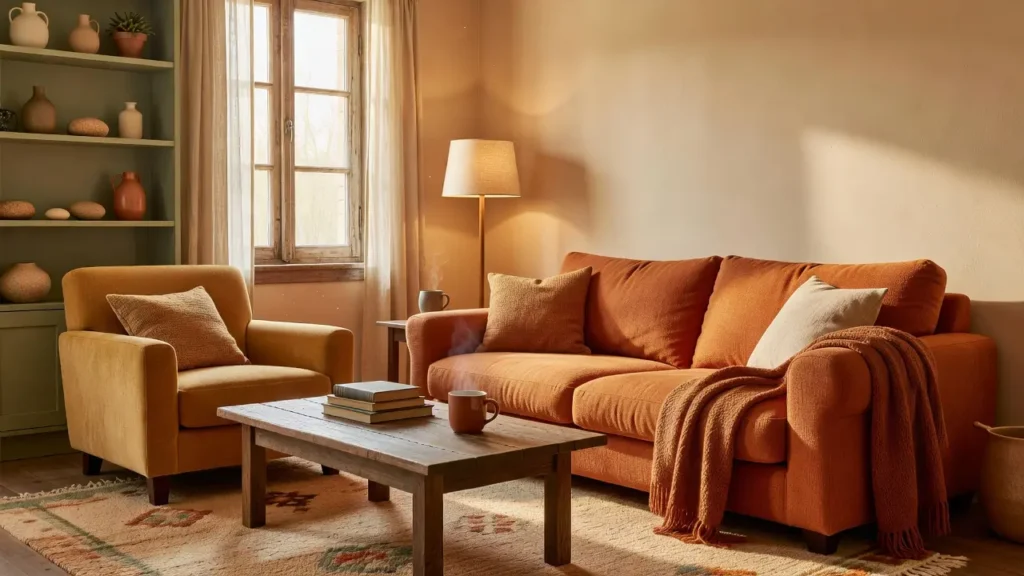
Cool grays and stark whites have given way to warmer, more comforting neutrals in recent design trends, and that shift matters even more in a small room where every surface is close together visually. Shades like warm white, oatmeal, soft taupe, or mushroom create a calm foundation that feels brighter during the day and cozier once the lights are on in the evening. These tones also pair naturally with the wood and textile choices covered later in this guide, which matters in a small room where every material is visually close together.
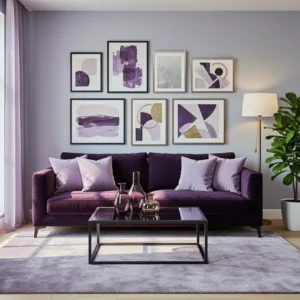
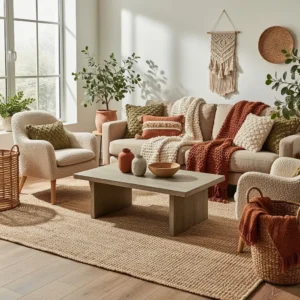
A Simple Palette To Start With
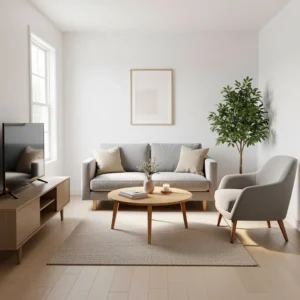
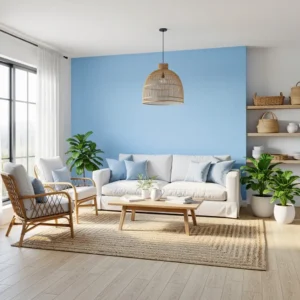
Warm white walls, an oatmeal or sand toned sofa, and a rug with a subtle pattern border is a reliable, layered combination that reads as considered rather than plain.
3. Mix Wood Tones Instead Of Matching Everything
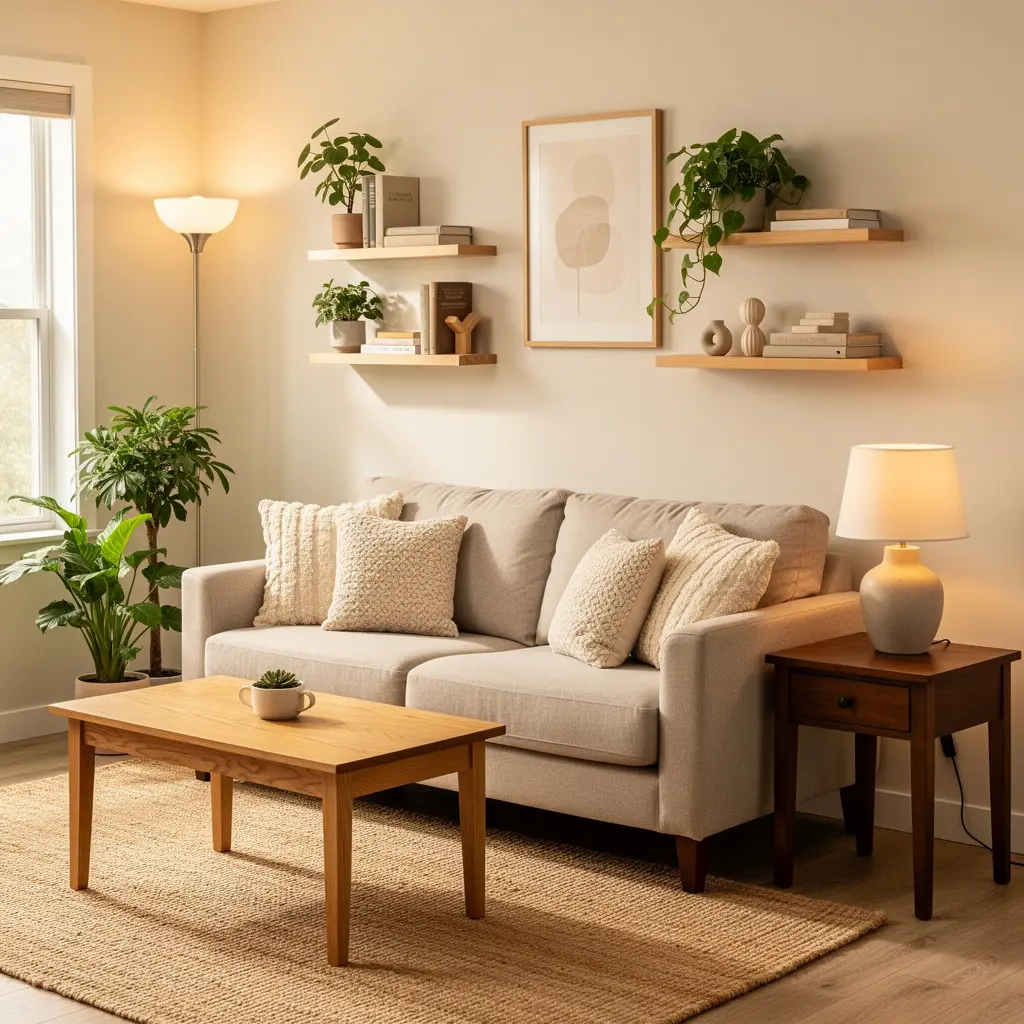
A small living room with every wood surface in the exact same finish can start to feel flat. Combining a lighter wood, like oak, with a warmer tone like walnut, adds depth and a collected, lived in character that a fully matched room doesn’t have. This mixing approach works especially well in small spaces since it adds visual interest without requiring any additional furniture, and it also makes it easier to introduce a new piece later without needing to match an existing finish exactly.
4. Layer In Ambient, Warm Lighting
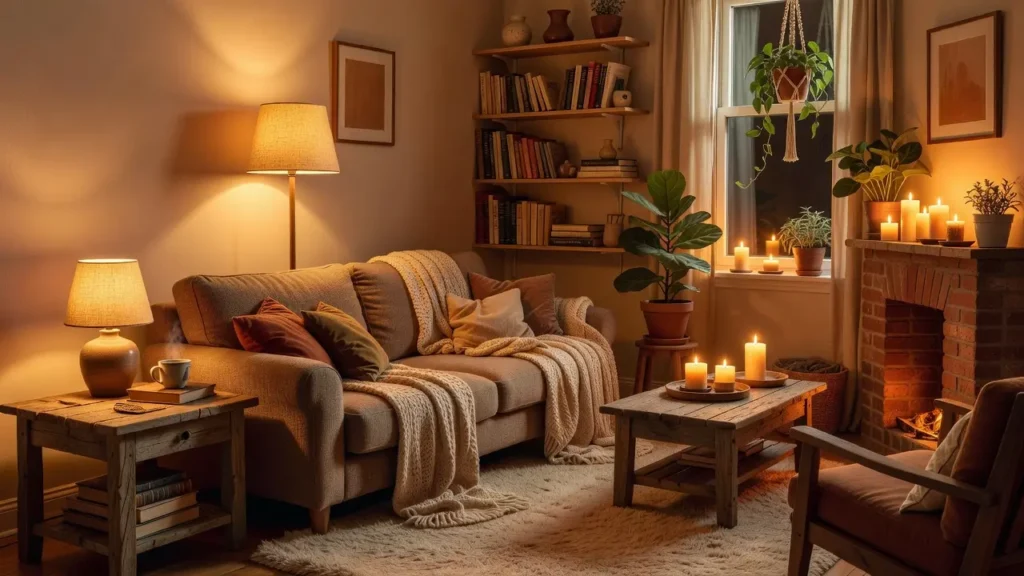
A single overhead fixture leaves a small living room feeling flat, especially in the evening. Layering in table lamps and a floor lamp, using warm bulbs in the 2700K to 3000K range, creates the soft, relaxing atmosphere that a cozy living room depends on. Multiple smaller light sources, rather than one bright one, is consistently one of the most effective changes for making a compact room feel genuinely inviting.
Where To Place Lamps In A Small Room
A floor lamp beside the sofa’s open end and a table lamp on a console or side table cover both reading and ambient light without needing an overhead fixture running at full brightness every evening. Dimmable bulbs add one more layer of control, letting you adjust the mood from bright enough for hosting to soft enough for a quiet night in.
5. Choose A Multifunctional TV Console
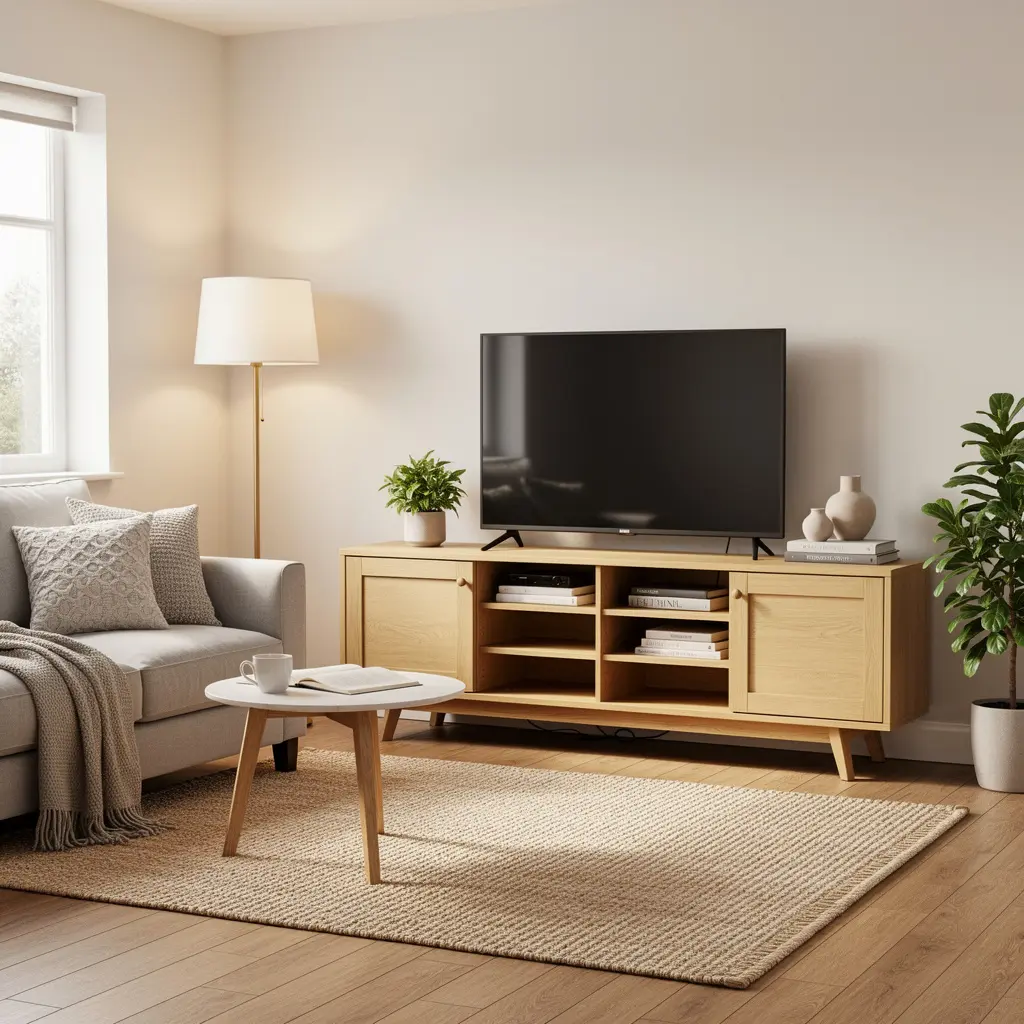
A TV console with closed cabinets for cables and remotes, plus a couple of open shelves for books or decor, keeps a small living room organized without extra furniture pieces. Mounting the television slightly above eye level when seated, rather than centering it low, also frees up console space for storage instead of screen clearance. A slim console under about 14 inches deep can still hold a router, a streaming device, and a stack of books without crowding the walking path in front of it.
6. Layer Two Rugs For Texture
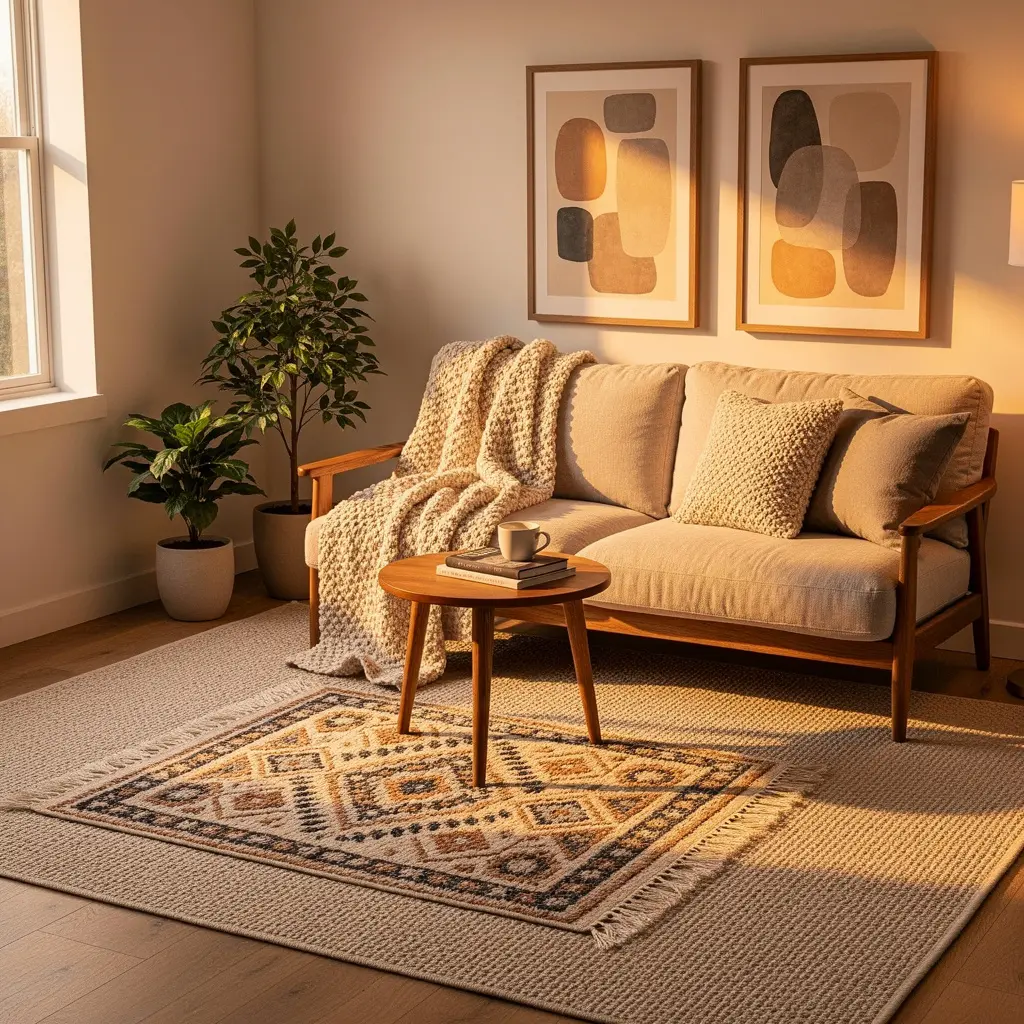
Placing a large neutral rug under the sofa, then layering a smaller patterned or textured rug on top near the seating area, adds visual depth and makes a small living room feel more collected than a single flat rug would. This layering technique is a low cost way to bring in pattern without committing to it across a large surface like a wall or a sofa.
7. Display Personal Collections Instead Of Generic Decor
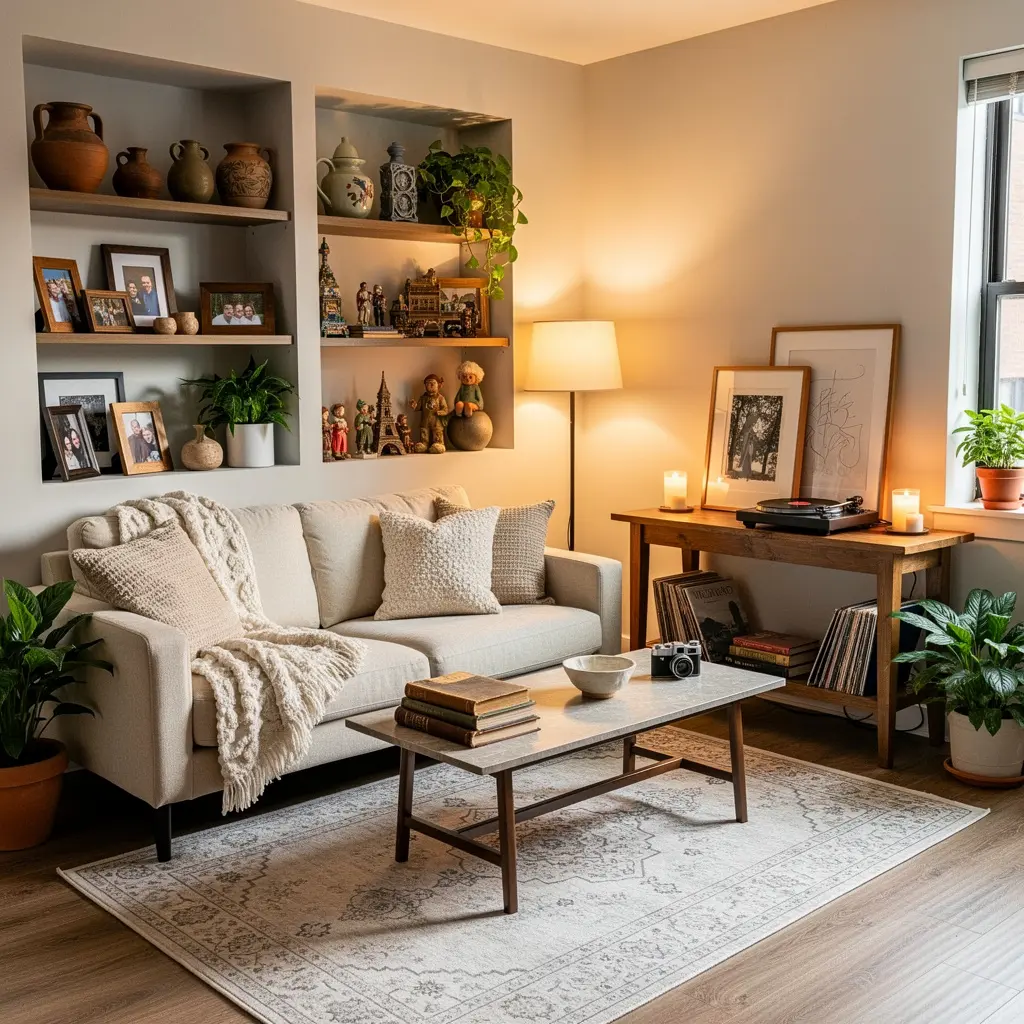
Books, travel souvenirs, and meaningful art make a small living room feel personal rather than staged, and this collected, lived in approach has become one of the defining shifts in current interior design. A room filled with items you actually love, rather than purely trend driven decor, tends to feel warmer and more genuinely cozy to spend time in, and it also ages better since it isn’t tied to a single passing style.
Styling A Small Shelf With Personal Items
Group items by color or material rather than spreading them evenly, since visual clusters read as more intentional than items scattered one per shelf.
8. Choose Slim, Leggy Furniture
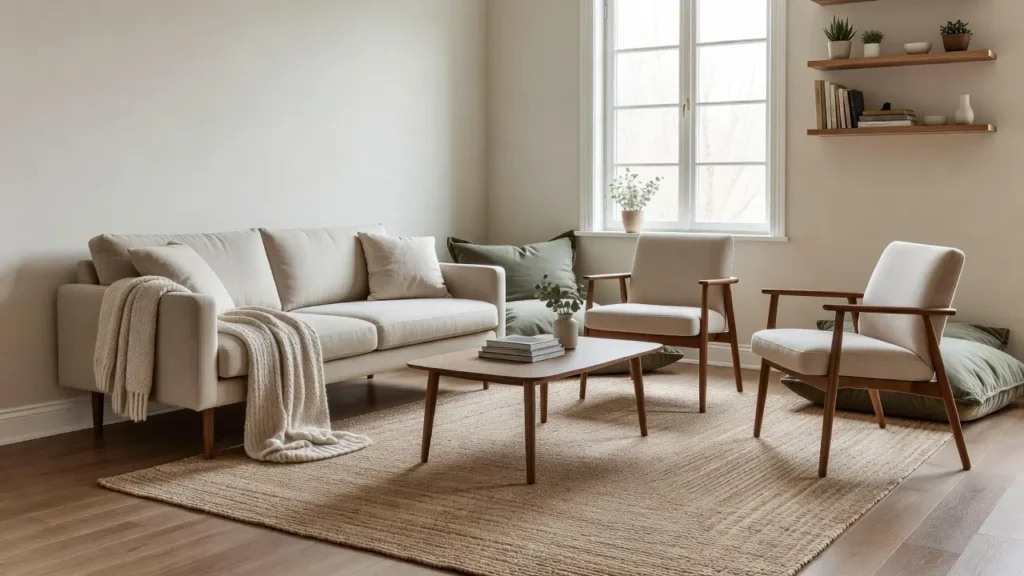
Furniture raised on visible legs, rather than pieces that sit flush to the floor, lets light pass underneath and makes a small living room feel more open. A slim accent chair or a coffee table with thin metal or wood legs reads as lighter and less bulky than a boxy, floor hugging equivalent, even at a similar overall size.
9. Add A Reflective Surface To Bounce Light
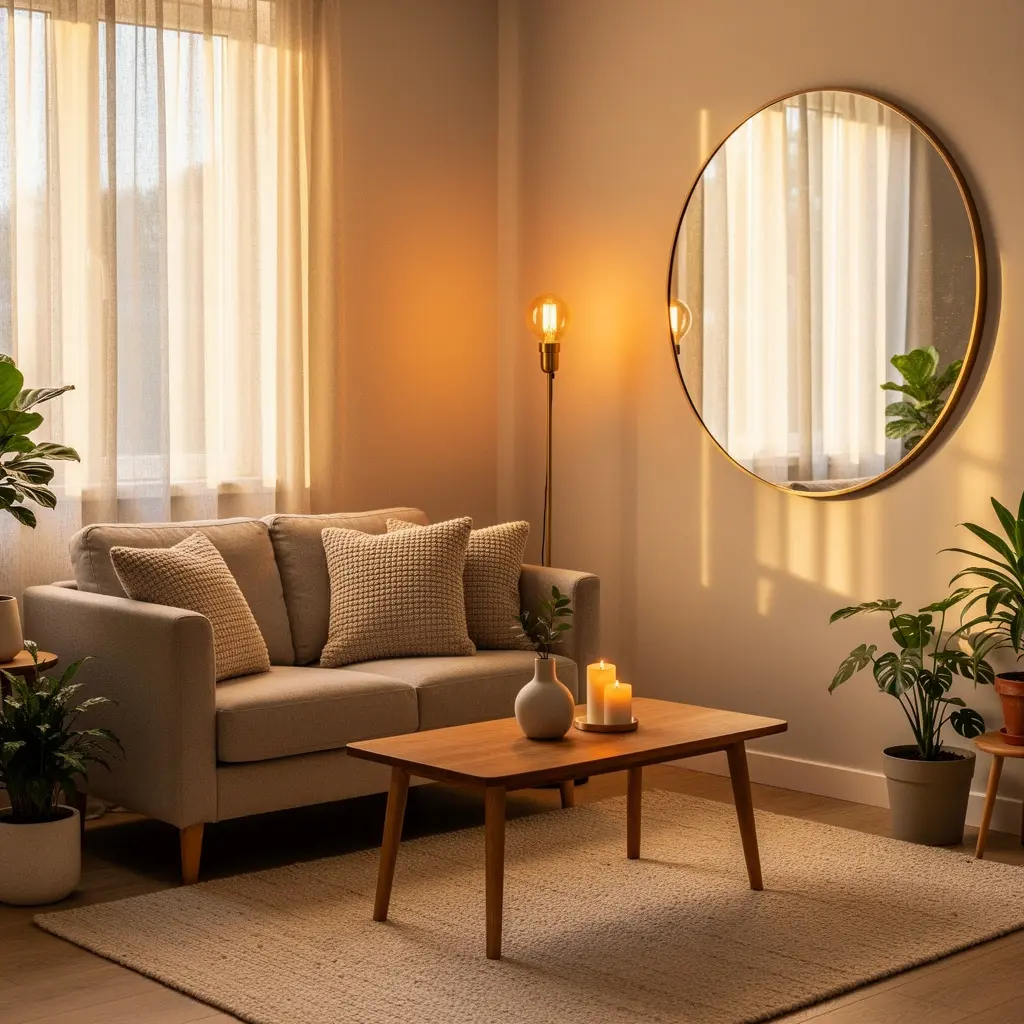
A mirror, a glass coffee table, or a mirrored console panel bounces available light around a small living room and adds a sense of depth that solid, opaque surfaces don’t provide. Positioning a mirror to reflect a window or a lamp maximizes the effect, since it’s reflecting an actual light source rather than a blank wall, and a mirror hung slightly above standard eye level can also make a low ceiling feel a bit taller.
10. Keep Decorative Objects Few And Intentional
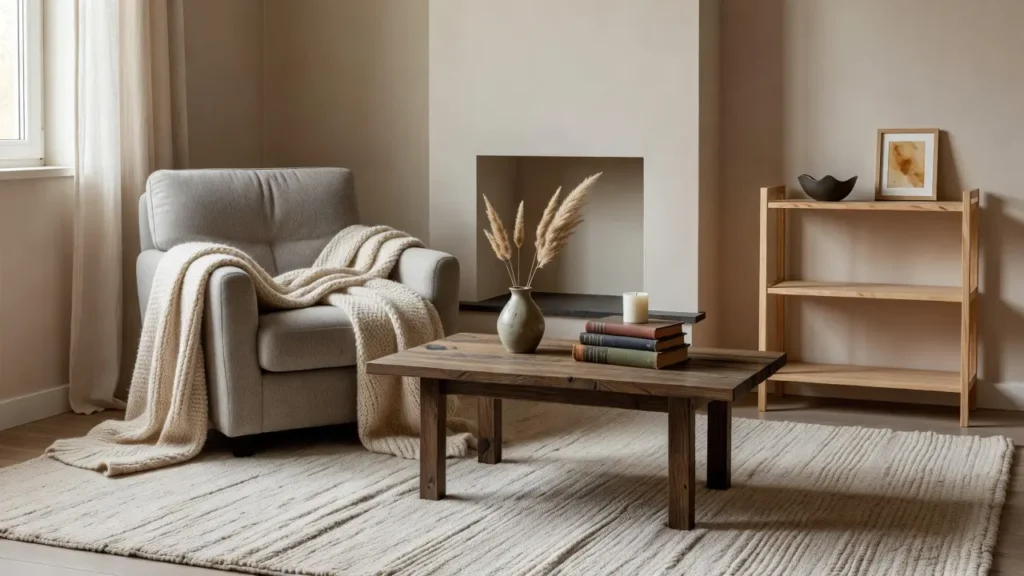
A small living room crowded with decorative objects reads as busy rather than cozy, no matter how nice each individual piece is. Keeping decor to one plant, a small stack of books, and a single framed piece on any given surface reads as far more put together than a shelf filled with a dozen smaller items competing for attention.
Mistakes to Avoid
- Choosing a sofa too large for the room’s actual footprint, which blocks walkways and dominates the space
- Relying only on overhead lighting instead of layering in table and floor lamps
- Matching every wood tone exactly instead of mixing lighter and darker finishes for depth
- Overcrowding shelves and surfaces with too many small decorative objects
- Skipping a rug or using one that’s too small for the furniture arrangement
- Choosing cool gray or stark white tones that can feel flat rather than inviting in a small space
Frequently Asked Questions
What size sofa works best in a small living room? Most small living rooms work well with a sofa between 65 and 80 inches wide, or a petite L shaped sectional under about 80 inches on the long side, while leaving at least 24 to 30 inches of clear walking space around it.
What color palette makes a small living room feel the coziest? Warm neutrals, like warm white, oatmeal, soft taupe, or mushroom, tend to feel more inviting than cool grays or stark whites, both during the day and in the evening once lamps take over from natural light.
Do I need a big budget to make a small living room feel cozy? No. Layering in warm bulb lighting, adding a second smaller rug, and displaying a few personal items you already own are all low cost changes that make a noticeable difference without a full furniture overhaul.
How many light sources should a small living room have? At least two or three beyond any overhead fixture, such as a floor lamp and a table lamp, since layered lighting tends to feel more relaxing and intentional than relying on a single bright source.
Is it better to match all my furniture, or mix different styles? Mixing wood tones and furniture styles slightly, rather than matching everything exactly, tends to read as more collected and personal, which is part of why fully matched furniture sets have fallen out of favor in recent design trends.
A Genuinely Useful Takeaway
A cozy small living room comes down to scale, layered lighting, and a few personal touches, not square footage. Choose furniture sized appropriately for the room, layer in warm light from multiple sources, and let a few meaningful objects tell the room’s story instead of filling every surface. Handled this way, even a genuinely small living room can feel like the most inviting room in the house.

Leave a Reply