
You measure the room again, hoping you miscounted the first time, but no, it’s still ten by ten with a closet door that swings into the only open floor space. Small rooms come with real limitations, and most generic decorating advice just says “declutter” and moves on, which doesn’t actually solve much. Room inspo ideas for small rooms need to go further than that, addressing color, furniture scale, and layout specifically, since a small space responds differently to design choices than a larger one does. This article covers exactly what works, with real reasoning behind each choice, so you’re not just guessing at what might help.
1. Small Doesn’t Have to Mean Cramped
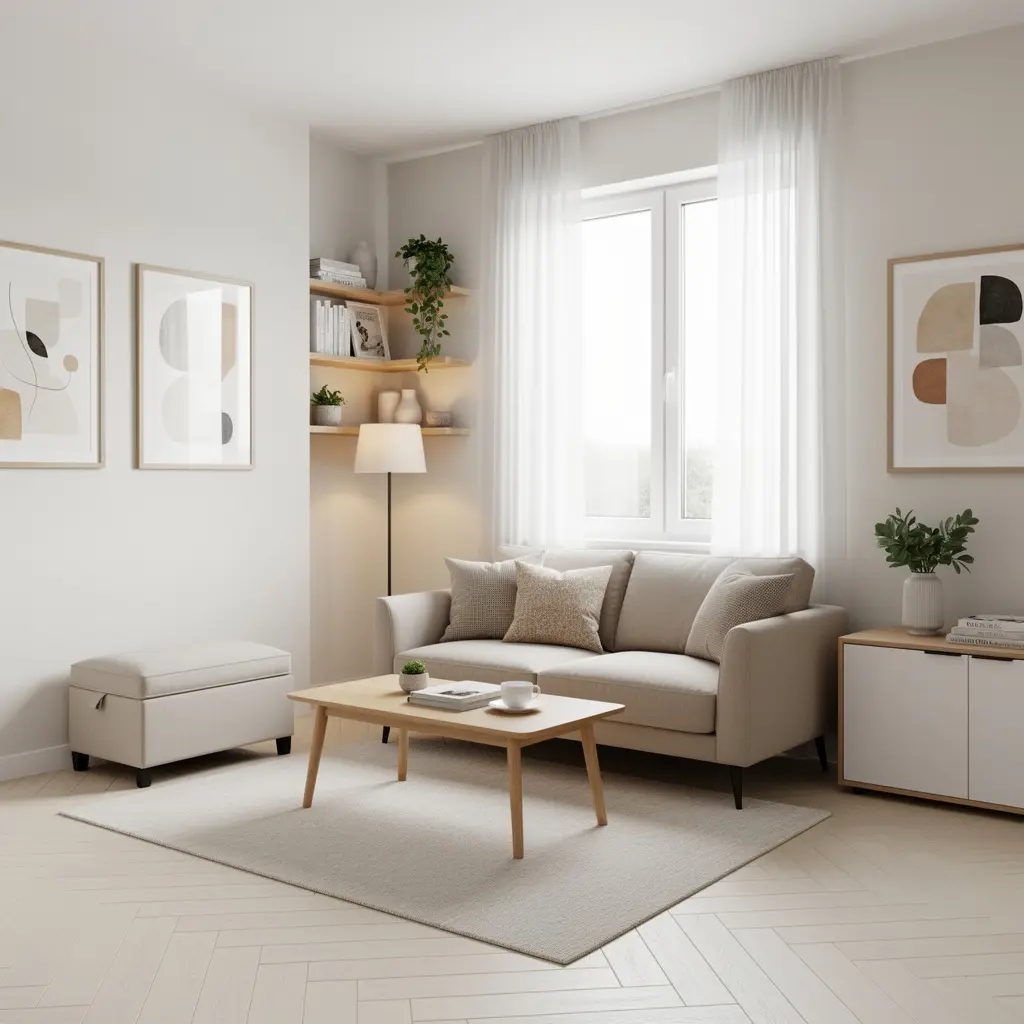
Here’s the distinction that matters most. A small room feels cramped when it’s fighting itself, oversized furniture, too many colors, no clear pathway through the space. The same room, styled with intention, can feel cozy and complete instead. Square footage is fixed. How the room reads to your eye isn’t, and that’s really the whole opportunity here. A handful of specific choices, covered through the rest of this guide, consistently make the difference between a room that feels stuck and one that feels styled on purpose.
Why Generic Advice Falls Short
Most small room articles list ten tips without explaining why any of them work. Understanding the actual mechanics, why a mirror helps, why rug size matters, means you can apply the same logic to your specific layout instead of just copying a photo that doesn’t match your room.
2. Color Choices That Actually Open Up a Room
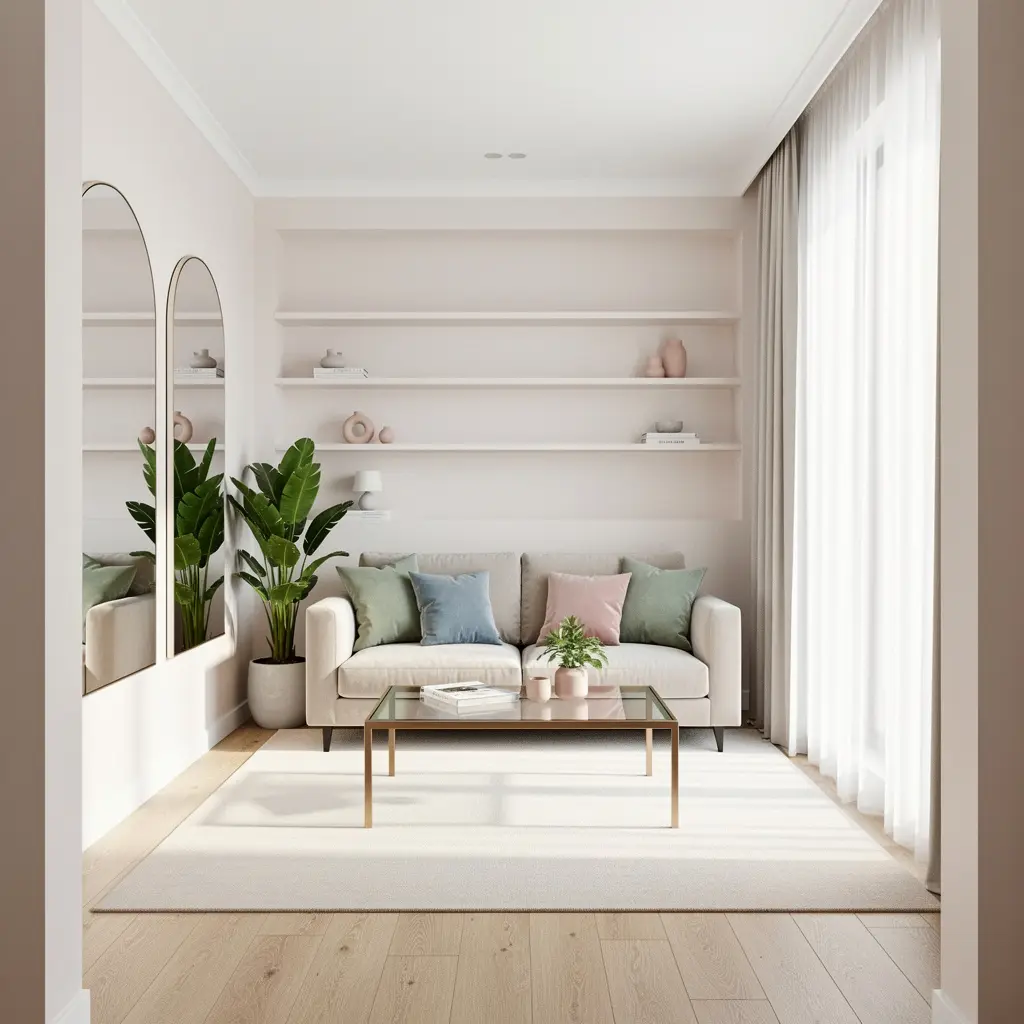
Light, warm whites and soft neutrals reflect more available light than deep, saturated colors, which genuinely does make a small room read as larger. That said, an all white room can feel sterile and flat if you don’t layer in any warmth. A single wall in a slightly deeper tone, or a color used only on trim and one accent piece, adds depth without shrinking the perceived space the way four fully saturated walls would. Sticking to one dominant color family throughout the room, rather than introducing several unrelated colors, keeps the eye from having to constantly recalibrate as it moves around a tight space.
3. Furniture Scale Matters More Than Furniture Count
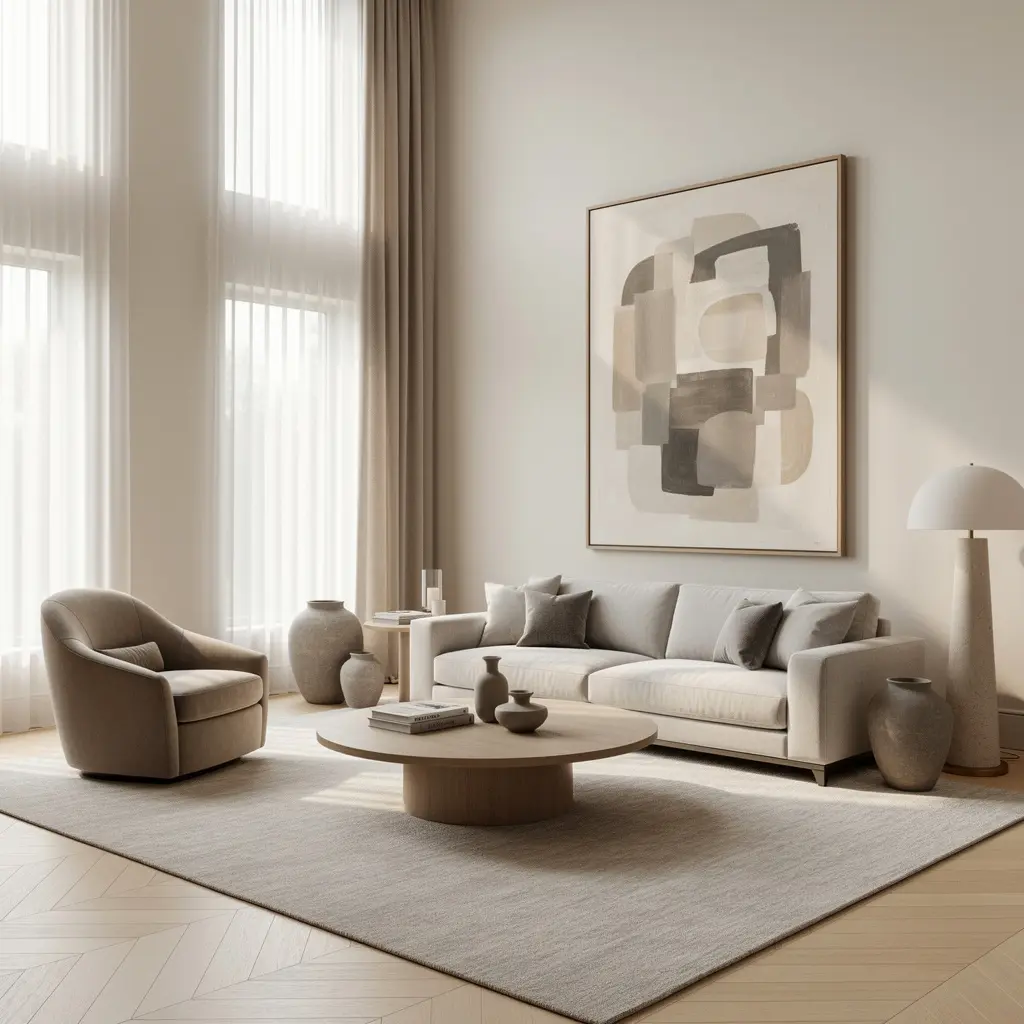
A single oversized dresser will make a small room feel more cramped than three smaller, well chosen pieces ever would. Measure your room before buying anything, and look for furniture scaled specifically for smaller spaces rather than assuming a “compact” label on a product page actually means compact. A platform bed without a tall headboard, for instance, keeps sightlines open across the room in a way a four poster frame simply can’t in tight quarters. Leave at least 24 to 30 inches of walking space around major furniture pieces wherever possible, since a room you have to squeeze through never reads as intentional, no matter how nice the individual pieces are.
4. Mirrors Are Doing More Than You Think
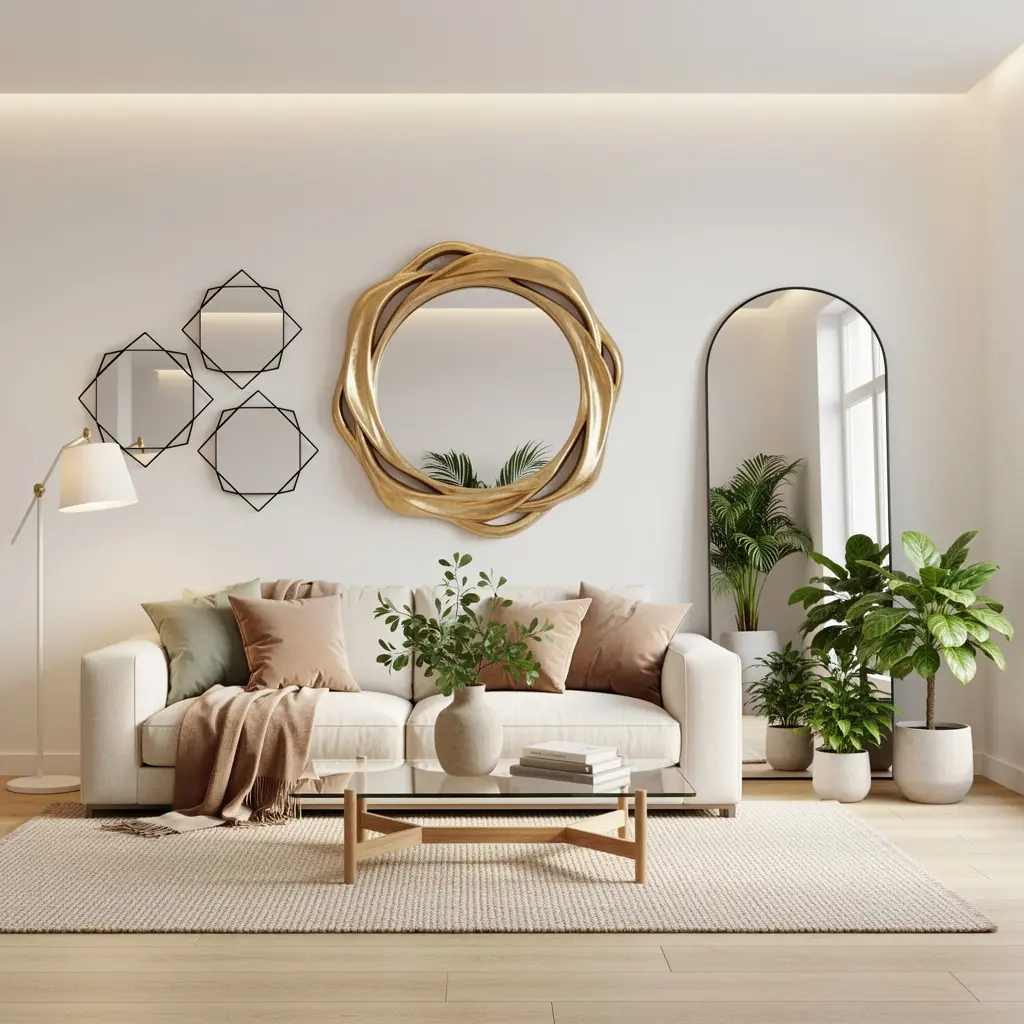
A large mirror, positioned to reflect either a window or the room’s main light source, genuinely doubles the sense of depth in a small space, and it’s one of the cheapest tricks on this entire list relative to its impact. Leaning a floor mirror against a wall, rather than mounting it, adds height and an intentional, styled look without needing to drill anything, which also helps if you’re renting. Avoid placing a mirror directly across from clutter or a messy closet, since it’ll just reflect and double whatever’s already working against the room.
A single well placed mirror consistently does more to open up a small room than several smaller decorative pieces combined, simply because it’s reflecting existing light and space rather than adding more objects to track visually.
5. Vertical Storage Frees Up the Floor
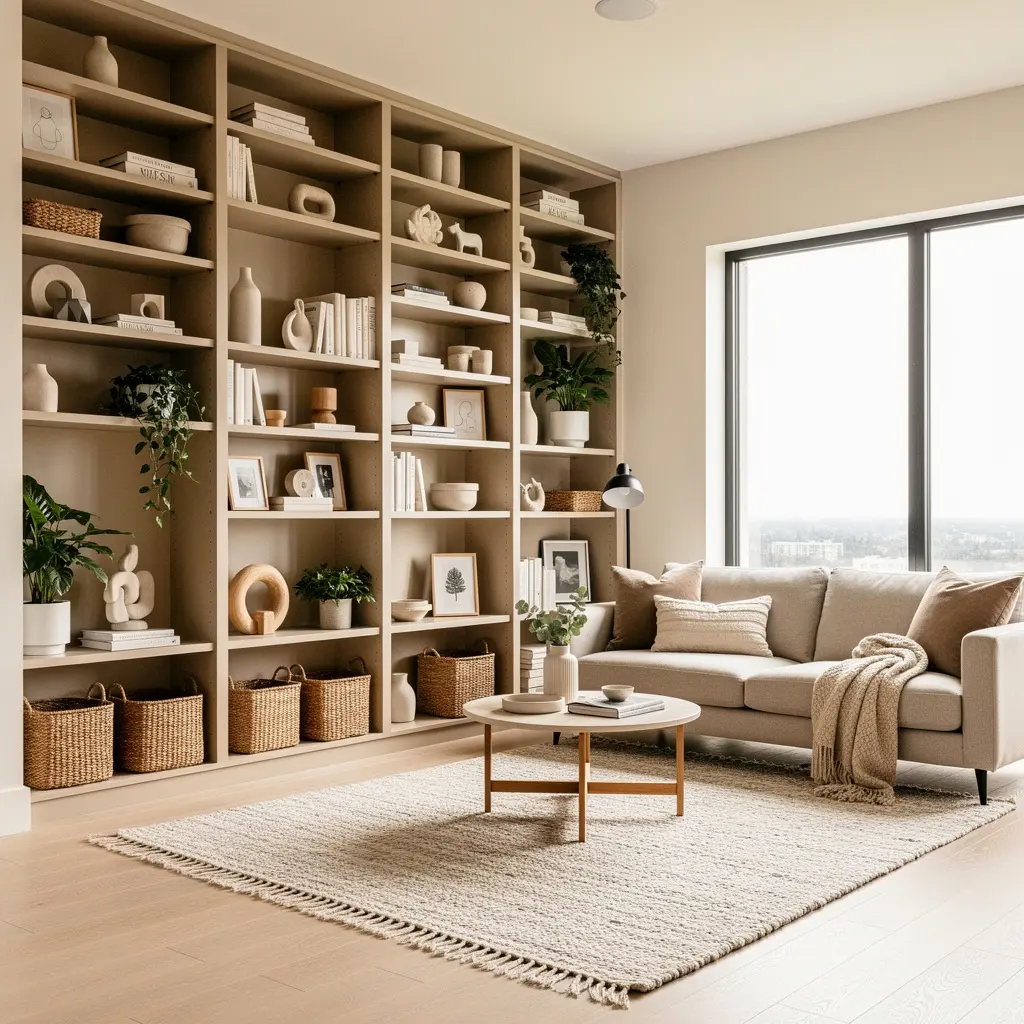
Floor space is the scarcest resource in a small room, so anything that gets storage up off the ground and onto the wall is worth prioritizing. Floating shelves, a wall mounted desk, even hooks instead of a full coat rack, all keep the actual floor clear for walking and for the room to breathe visually. Tall, narrow bookshelves use vertical space efficiently without eating into the footprint the way a wide, low dresser would. Look up, quite literally, before deciding you don’t have room for more storage.
6. Multipurpose Furniture for Rooms That Do Double Duty
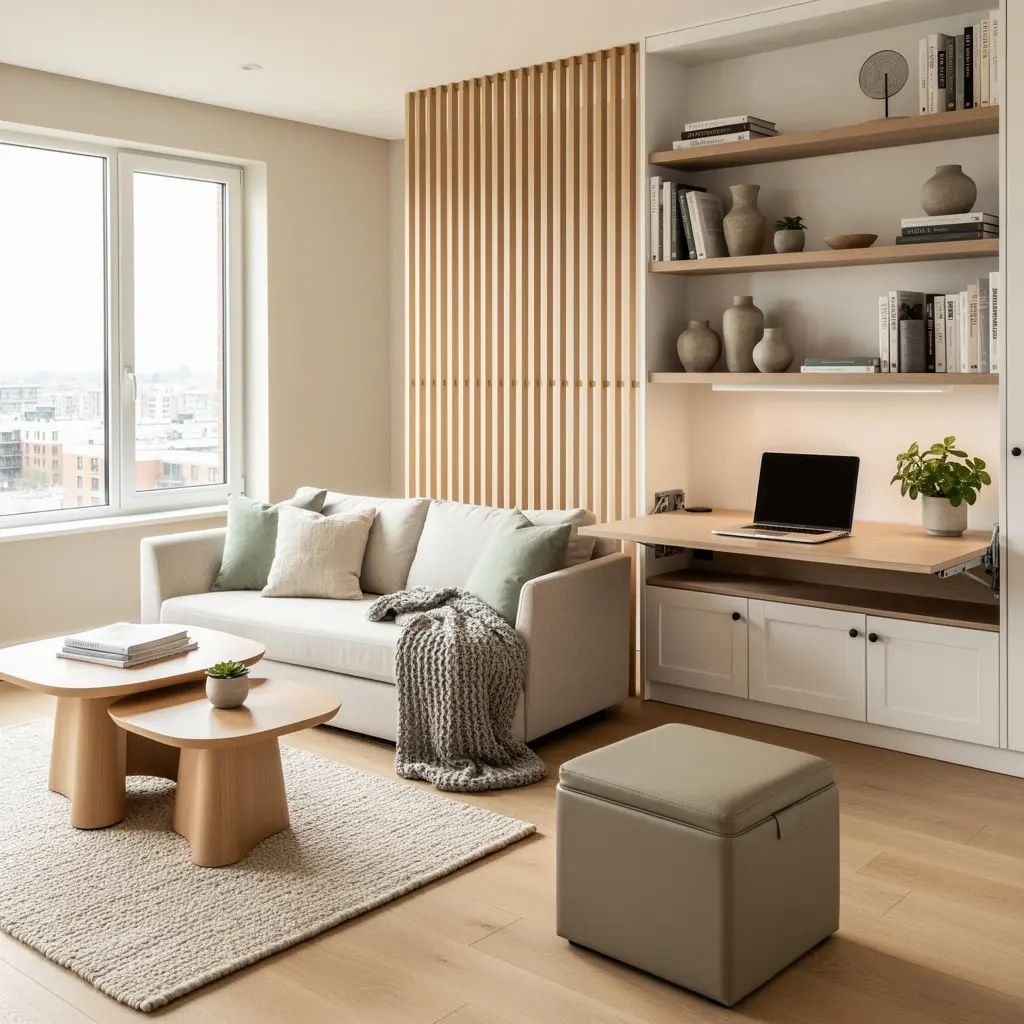
A small room often has to be a bedroom and an office, or a bedroom and a guest space, all at once, which means furniture needs to work harder than in a larger home. A daybed that functions as both seating and a guest bed, or a storage ottoman that doubles as a nightstand, solves two problems with one purchase. A folding desk that mounts to the wall and tucks away when not in use reclaims real floor space on the days you’re not working from home. Prioritize pieces with built in storage, drawers under a bed frame or a bench with a lift top seat, since every inch of hidden storage is an inch you don’t need to find elsewhere.
Testing Before You Commit
Before buying multipurpose furniture, map out how you’ll actually use both functions on a normal day. A piece that’s technically multipurpose but awkward to switch between the two uses often ends up serving only one of them in practice.
7. Rug Size Rules Nobody Explains Properly
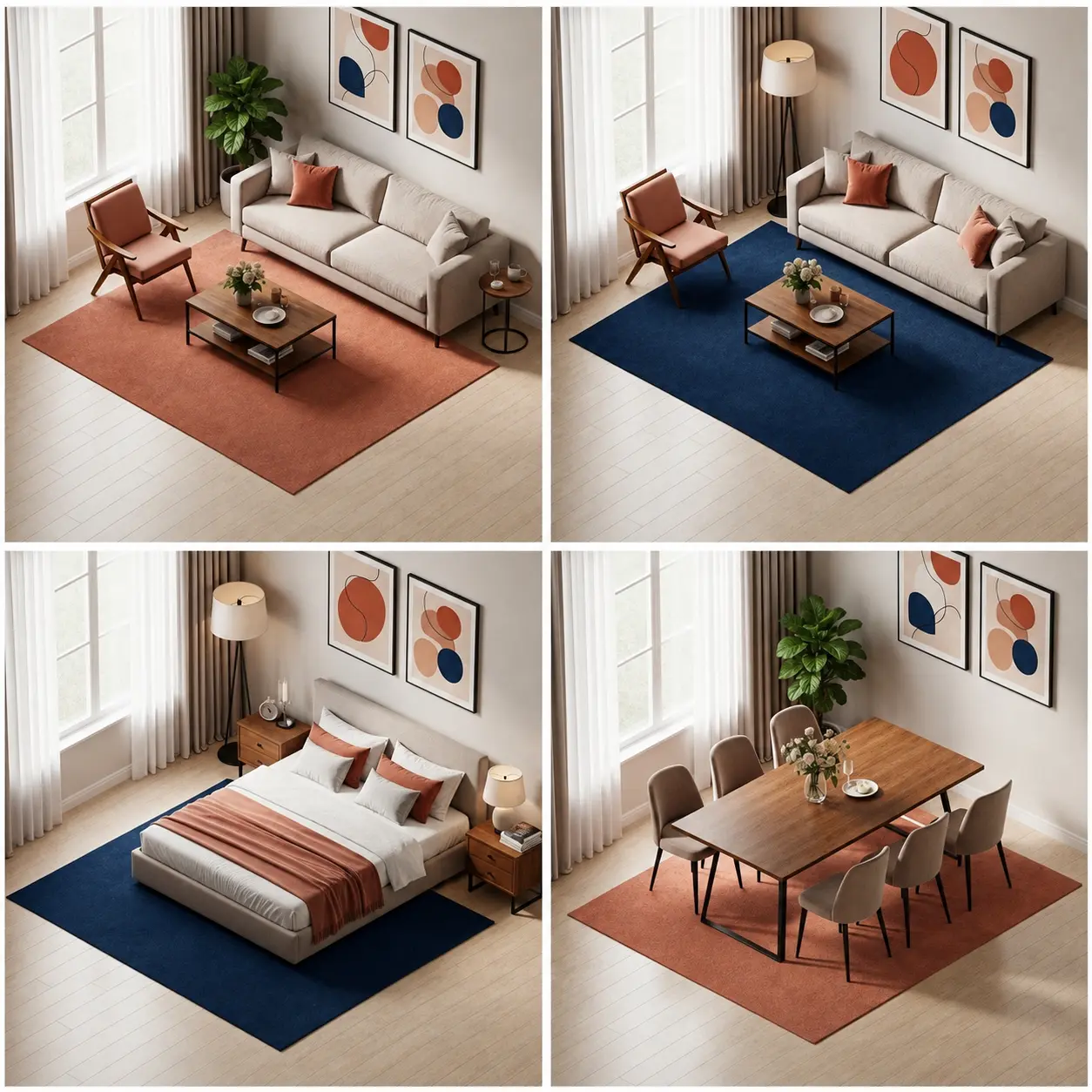
A rug that’s too small for the room actually makes the space look smaller, not bigger, since it visually chops the floor into disconnected sections instead of reading as one continuous area. In a small bedroom, size the rug so it extends at least a few inches beyond the sides of the bed, ideally reaching close to the walls on at least two sides. A patterned rug in a tight color range, rather than something with high contrast, keeps the floor feeling calm instead of adding visual noise to an already busy small space.
8. Lighting Tricks for a Windowless or Dim Room
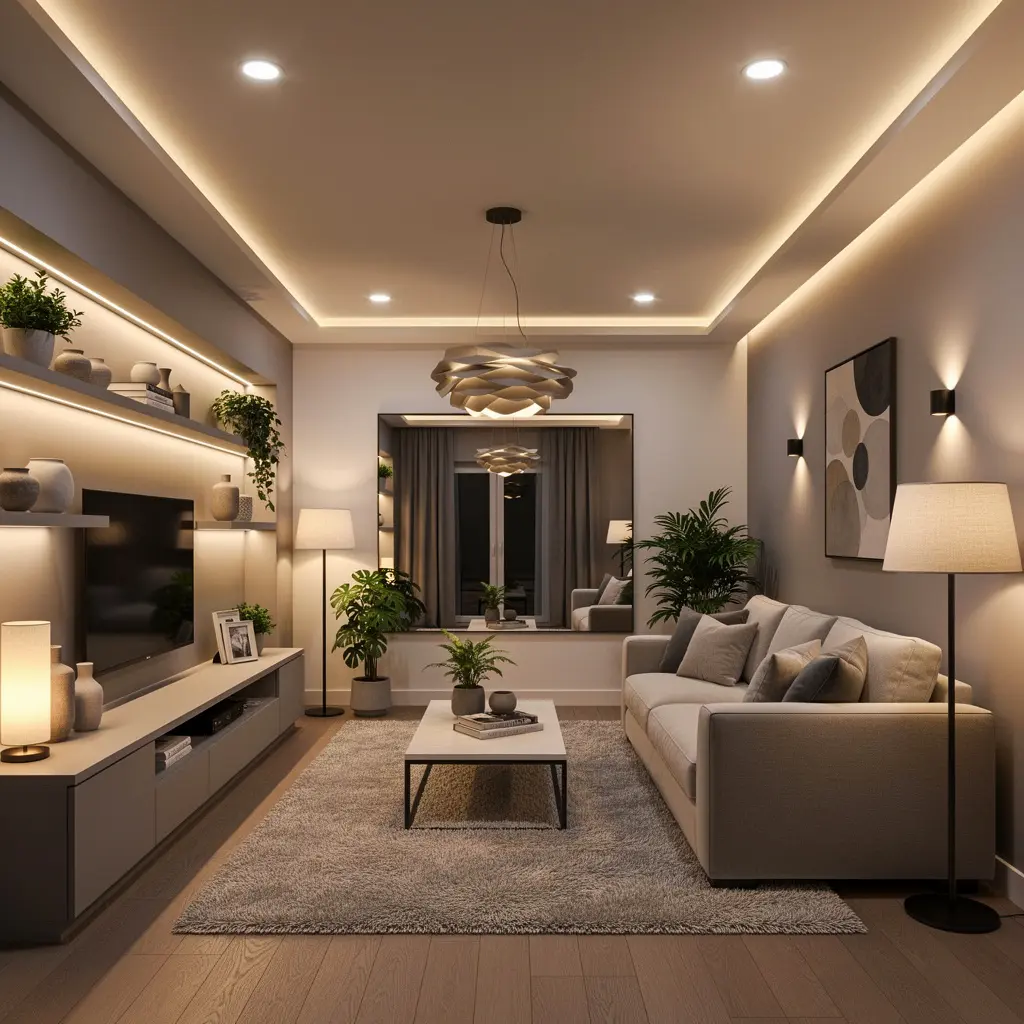
A small room with limited natural light needs layered artificial lighting to avoid feeling flat and closed in. A single overhead fixture rarely does the job alone. Add a floor lamp in a corner and a smaller accent lamp on a nightstand or shelf, both in warm white bulbs, to bring light down to human height instead of leaving it stuck at ceiling level. Uplighting, a floor lamp angled toward the ceiling or a wall, bounces light around the room and makes it feel taller than it actually is.
9. Curtains and Window Treatments That Add Height
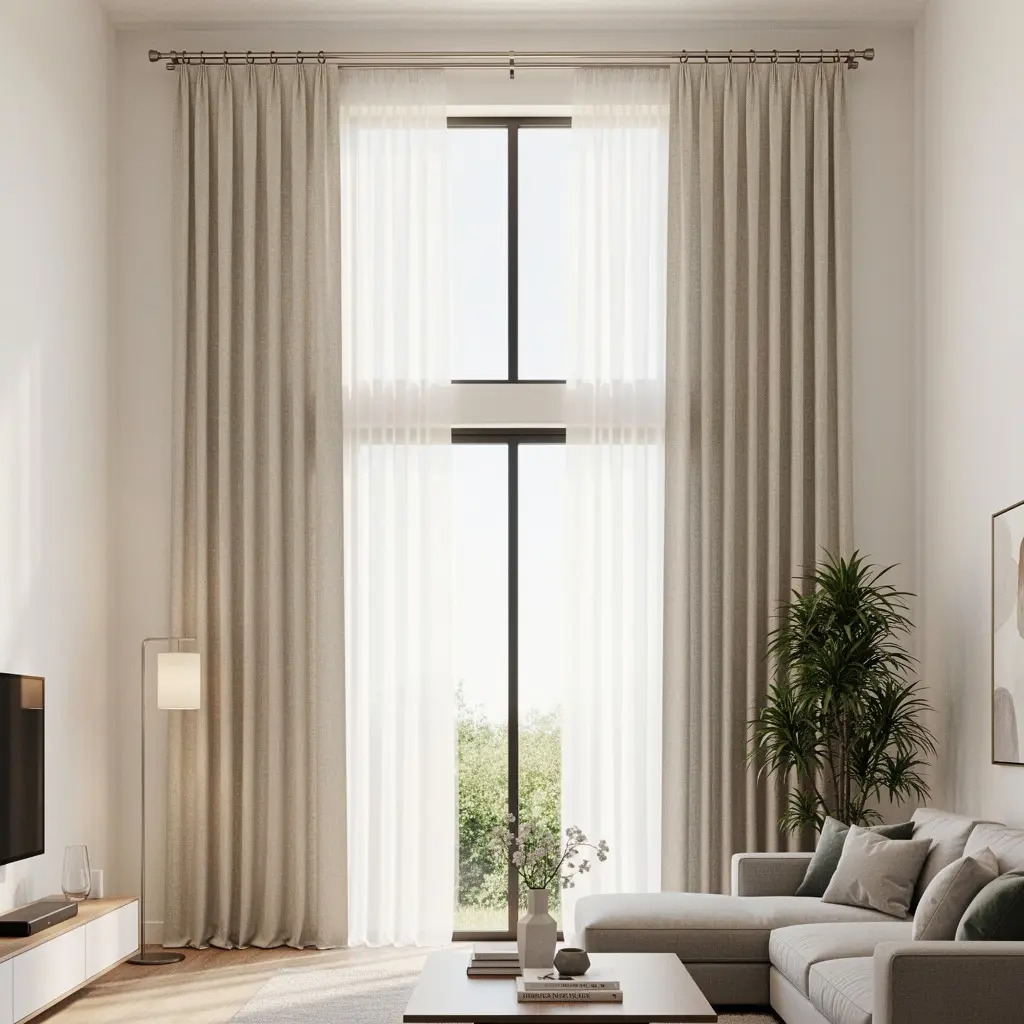
Mounting curtain rods higher than the actual window frame, generally 4 to 6 inches above it, and letting the curtains run floor length, draws the eye upward and makes the ceiling feel taller than it is. Lighter, sheer fabrics let in more daylight than heavy, opaque curtains, which matters even more in a small room that needs every bit of natural light it can get. If privacy is a concern, a sheer layer paired with a light blackout panel behind it gives you both function and the airy look without sacrificing one for the other.
10. Keeping a Small Room From Feeling Cluttered Long Term
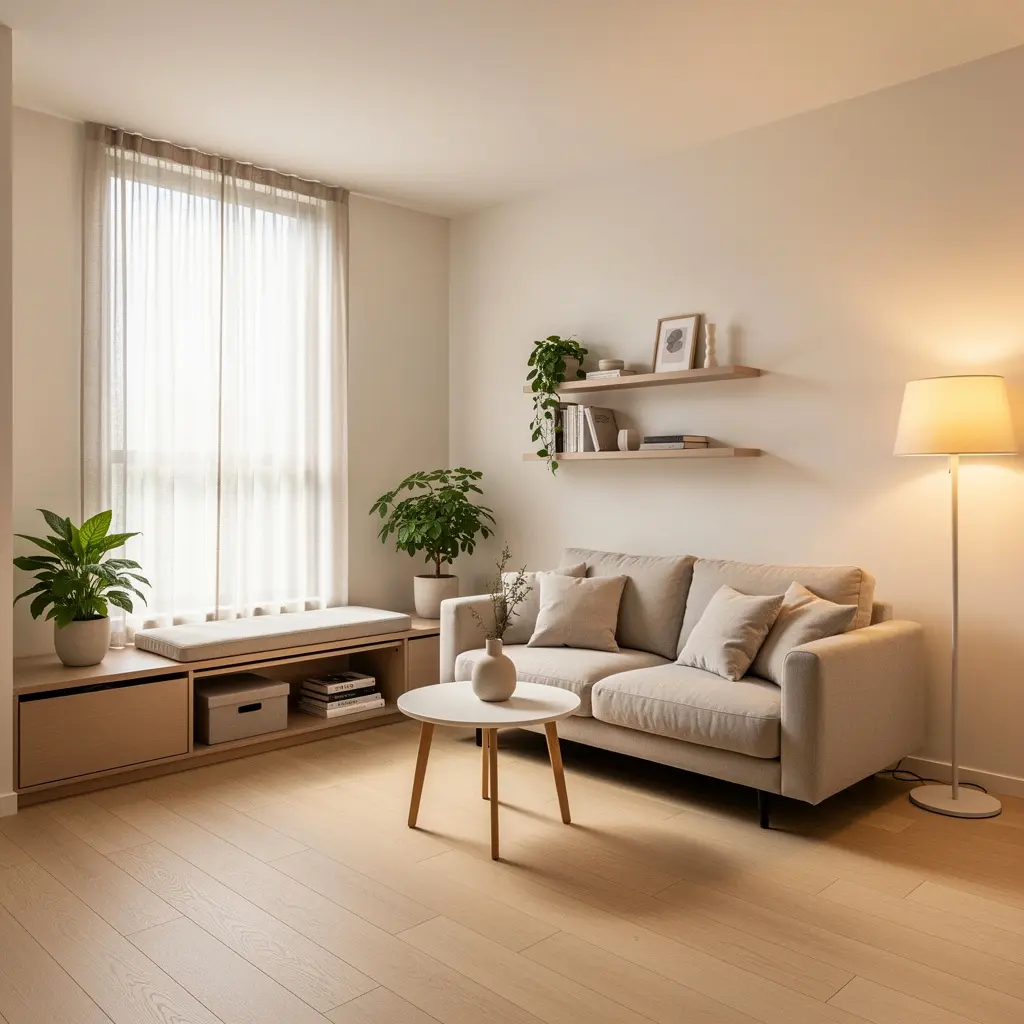
A small room shows clutter faster and more obviously than a large one, so a quick daily reset matters more here than almost anywhere else in the house. Designated spots for everything, a specific hook, a specific shelf, a specific drawer, reduce the number of things left sitting out on visible surfaces. Revisiting what’s actually in the room every few months, and removing anything that’s not earning its limited floor or shelf space, keeps a small room feeling intentional rather than slowly filling back up with things that don’t belong.
Mistakes to Avoid
- Buying furniture sized for an average room instead of measuring for the actual small space
- Choosing a rug too small for the room, which chops up the floor visually
- Relying on one overhead light instead of layering in lamps at different heights
- Mounting curtains at the window frame instead of higher, which shortens the perceived ceiling
- Placing a mirror across from clutter instead of a window or clean sightline
- Letting flat surfaces accumulate loose items instead of assigning everything a specific spot
Frequently Asked Questions
What’s the single biggest change I can make in a small room? A large, well placed mirror tends to have the most noticeable impact relative to cost and effort, since it reflects existing light and space rather than adding anything new to the room.
Should I avoid dark colors entirely in a small room? Not entirely. A single deeper accent wall or trim color adds depth without shrinking the room the way four fully saturated dark walls would.
Is it worth buying multipurpose furniture for a small room? Yes, especially for a room that serves more than one function, like a bedroom that’s also a home office, since it solves two space problems with a single purchase.
How do I make a small room feel taller? Mount curtains higher than the window frame, use vertical storage, and consider extending a wall color onto the ceiling to visually stretch the room upward.
What size rug works best in a small bedroom? Size it to extend a few inches beyond the bed on the sides, ideally reaching close to the walls on at least two sides, rather than choosing something that floats small in the middle of the floor.
A Small Room That Finally Feels Right
Room inspo ideas for small rooms come down to working with the space rather than against it, choosing scaled furniture, layered lighting, and a few key tricks like mirrors and proper rug sizing instead of just buying less stuff and hoping for the best. Start with furniture scale and a mirror, since those two changes tend to make the biggest visible difference, then layer in lighting and storage once the basics are handled.

Leave a Reply