
You finally landed the loft with the exposed brick, the concrete ceilings, and the huge windows you’d been hoping for, and now you’re standing in the middle of it realizing that all that raw, open space can feel a little cold and cavernous if you don’t actually do something with it. Beautiful loft interior design ideas exist specifically to solve this. The goal isn’t covering up what makes a loft a loft, it’s softening it just enough that the space feels lived in rather than like an unfinished warehouse someone forgot to insulate. The character that made you fall for the space in the first place should stay fully intact.
1. Warm Up the Palette Instead of Leaning Into Cool Grey
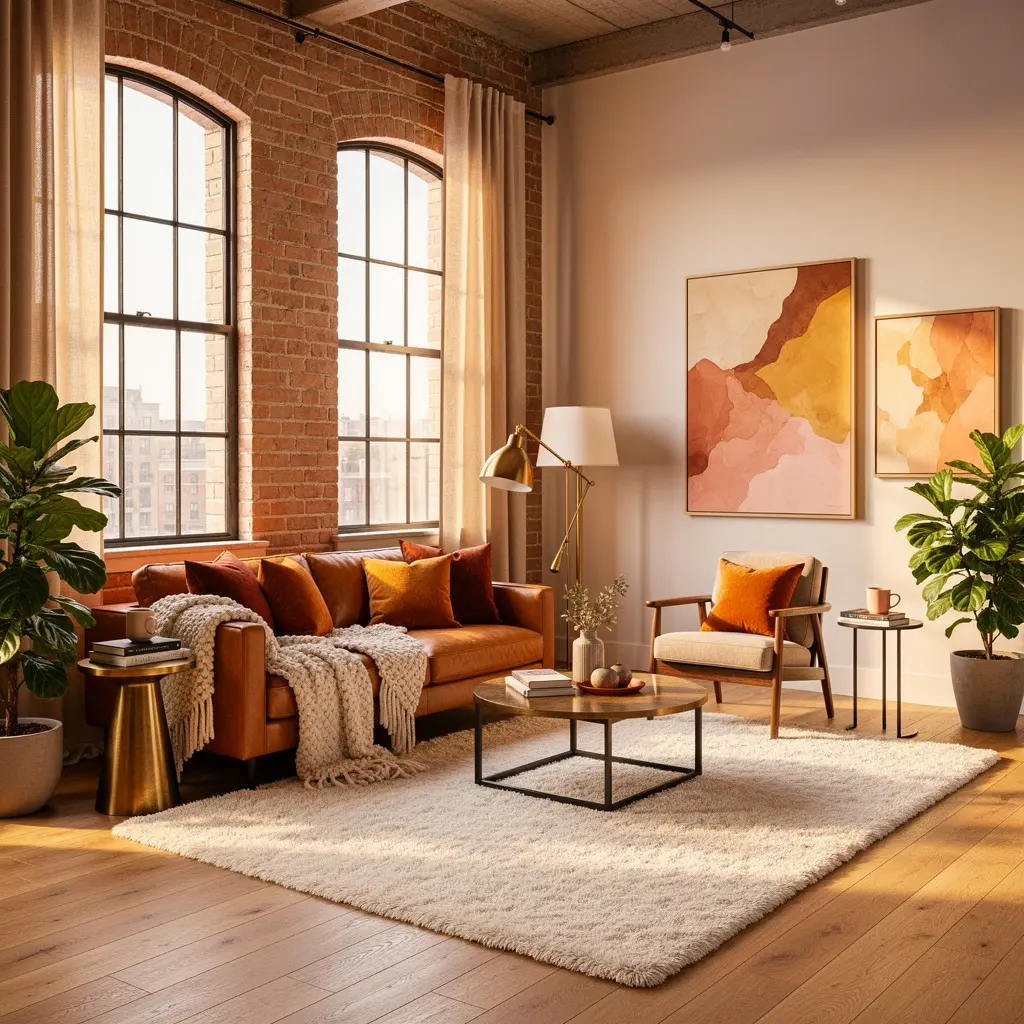
Cool grey used to be the default loft color, but a lot of current loft styling has moved toward warmer greige and plaster tones with a hint of yellow or red underneath. This single shift does more to make raw concrete and exposed brick feel inviting than almost any other change, since a warmer wall color counteracts the inherent coolness of all that hard, industrial surface, and it does so without requiring you to cover up a single brick or beam.
Why Undertone Matters So Much Against Concrete
Concrete and steel already read as cool and a little unforgiving on their own. A warm undertone in your paint or plaster, rather than a true cool grey, gives the eye something to balance against, so the finished space feels grounded instead of sterile, and it makes the room genuinely more comfortable to spend long stretches of time in, not just nicer to look at in photos.
2. Break Up Hard Lines With Curved, Oversized Furniture
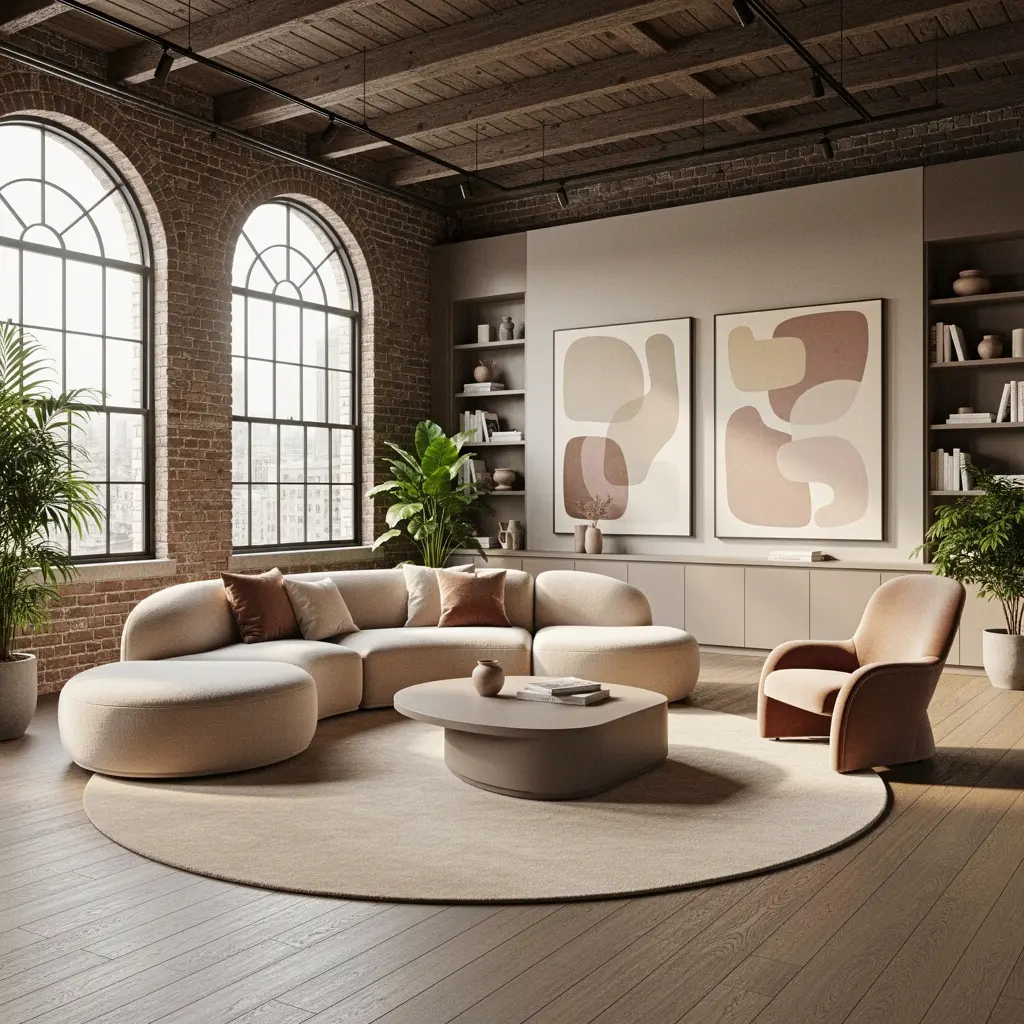
Loft architecture is inherently linear, exposed beams, straight brick lines, tall rectangular windows, so furniture with soft, rounded silhouettes creates a deliberate contrast that keeps the whole room from feeling rigid. An oversized, curved sofa or a rounded armchair reads as considerably more comfortable sitting against a backdrop of concrete floors and steel beams than a furniture set with equally sharp lines would, and it also just feels better to actually sink into after a long day, which matters more than the visual contrast alone.
3. Add Tactile Wall Treatments Alongside Exposed Brick
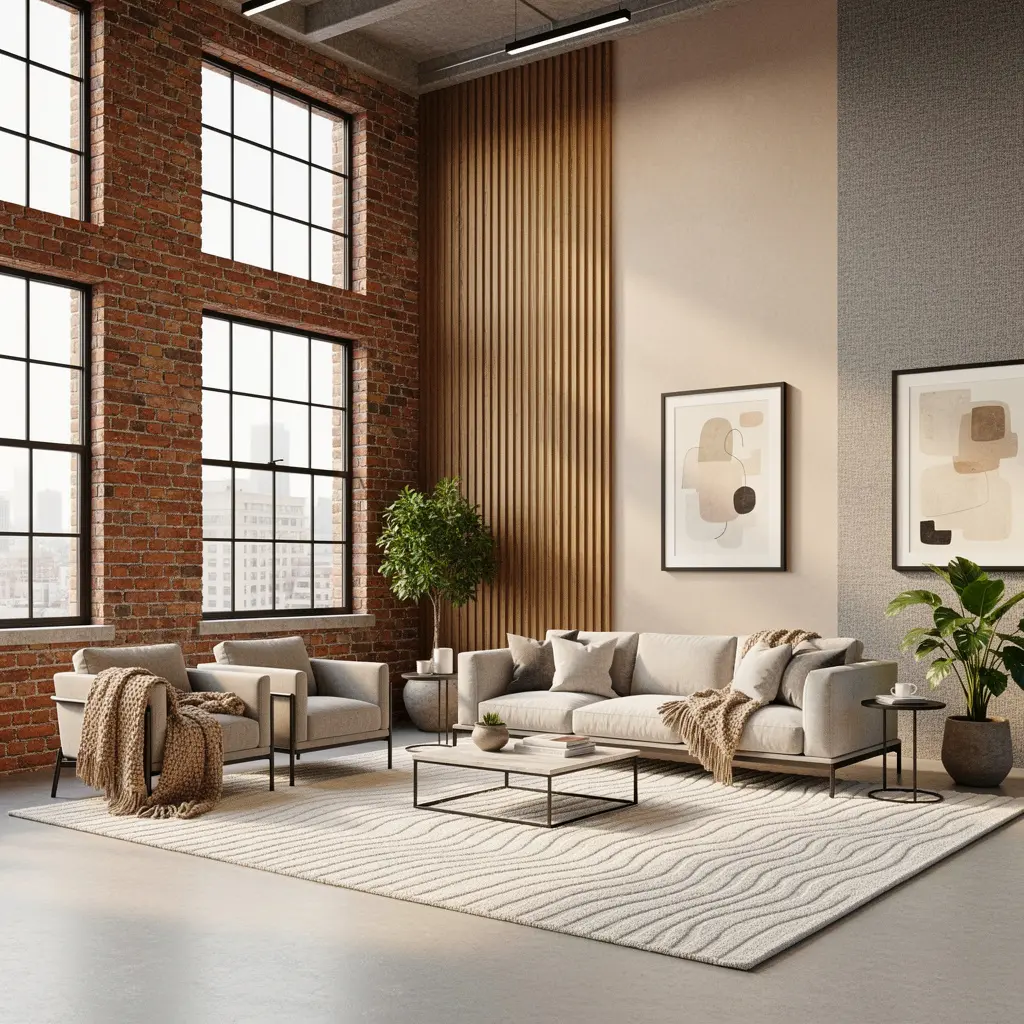
Exposed brick is a classic loft feature, but pairing it with a softer tactile finish elsewhere, a limewash or plaster treatment on an adjacent wall, adds movement and texture that keeps the whole space from feeling like one uniform hard surface. This combination of rough and smooth textures is what gives a lot of current loft interiors their layered, considered feel, rather than one uniform surface that reads as flat no matter how nice the material actually is.
Choosing Where to Apply the Softer Finish
A limewash or plaster wall works particularly well near a seating area or bedroom nook, somewhere you want the room to feel a little calmer than the more industrial, open zones like the kitchen or entry.
4. Use Layered Lighting Since Overhead Fixtures Get Lost in the Height
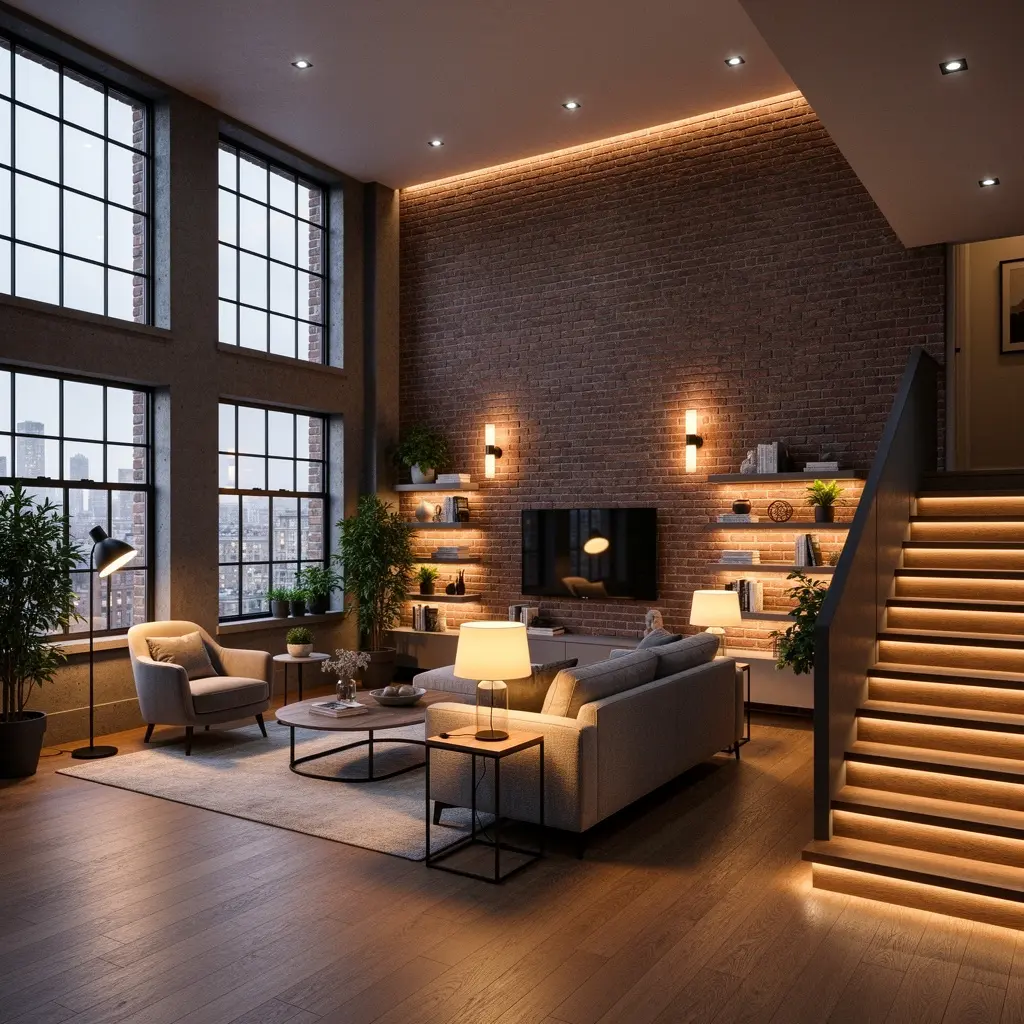
Loft ceilings are often too high for a single overhead fixture to do much for the mood of the room. Floor lamps, table lamps, and wall sconces at a human scale bring the light down to where people actually are, rather than leaving it floating somewhere near the ceiling where it barely reaches the seating area below.
5. Define Zones With Rugs Instead of Walls
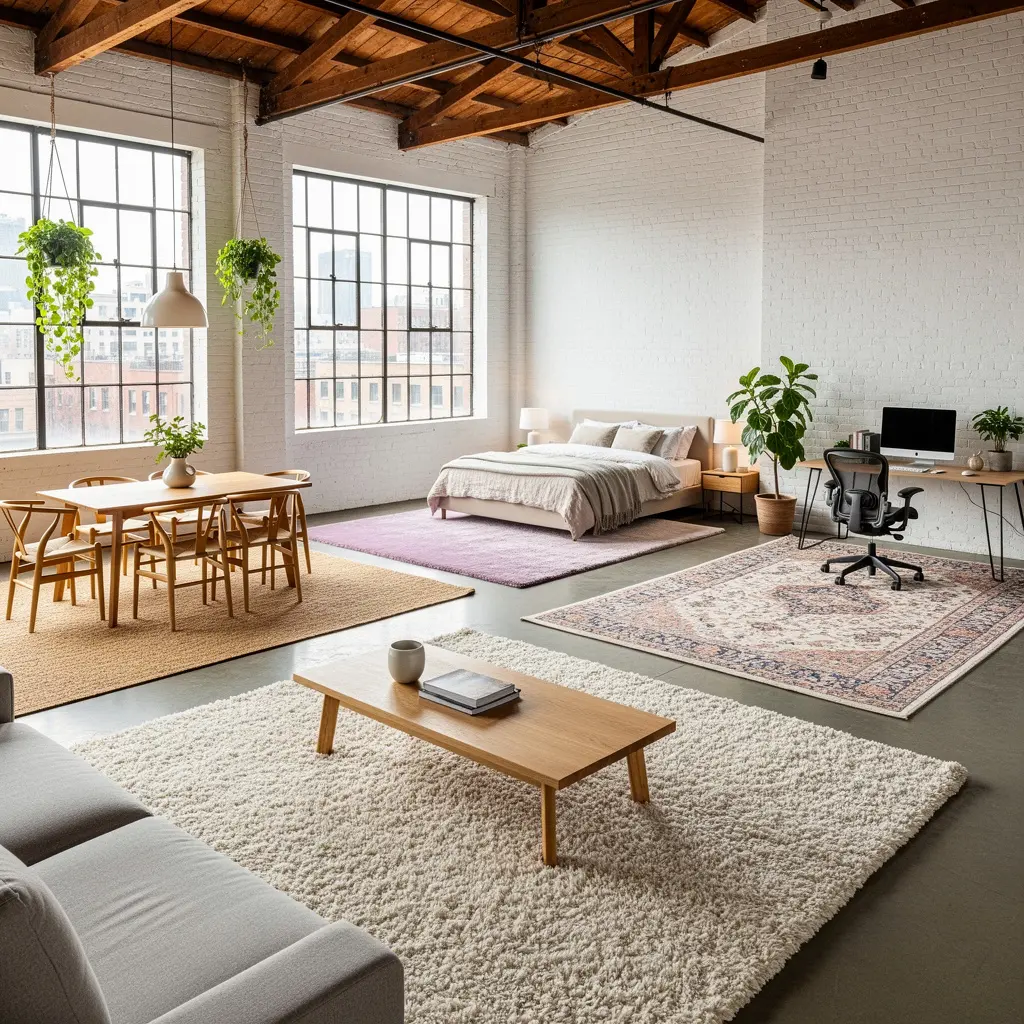
Open floor plans are the whole point of a loft, but that openness can leave a room feeling like one undefined blob of space if nothing marks where the living area ends and the dining area begins. A large rug under the sofa, and a separate one under the dining table, visually separates these zones without requiring an actual wall, which would defeat the purpose of the open layout in the first place, and a rug also does a lot to soften the acoustics in a space full of hard, echoing surfaces.
6. Bring in Natural Wood to Contrast the Industrial Materials
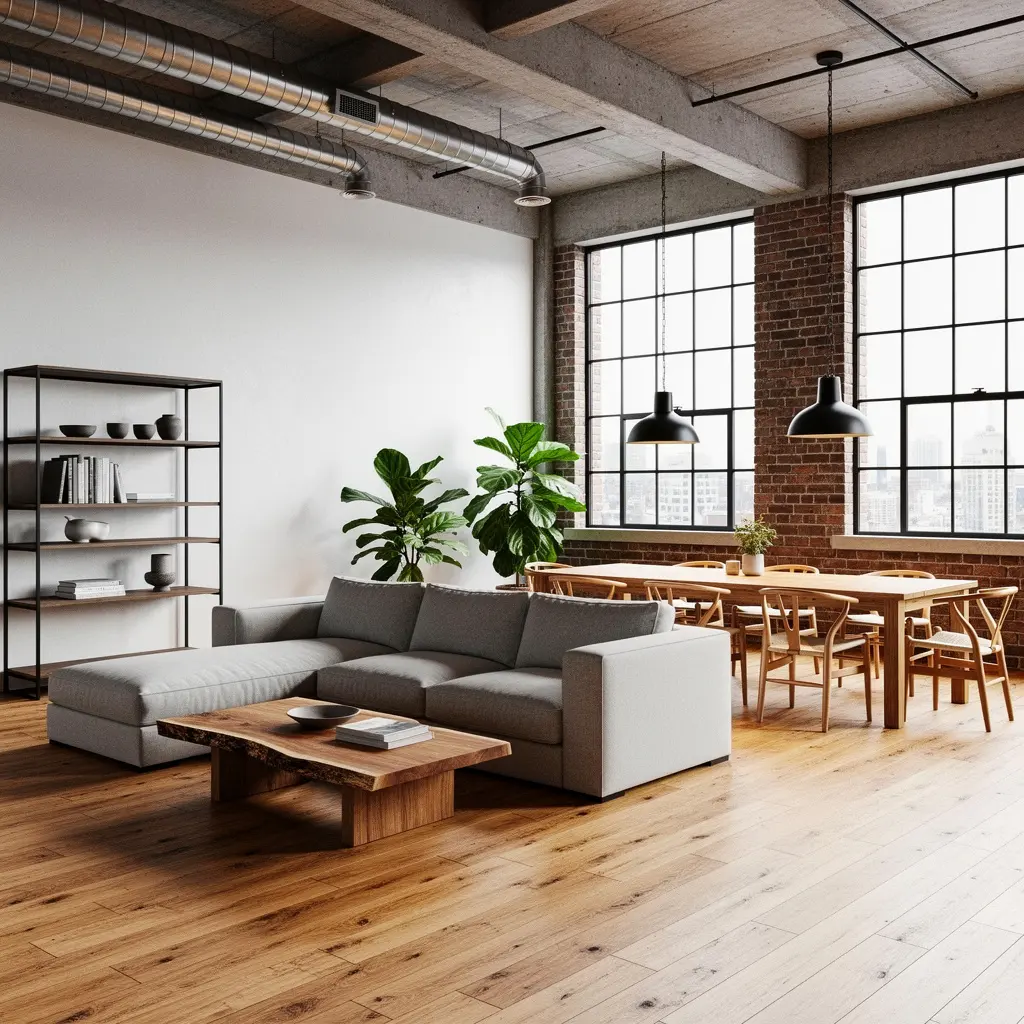
Wood furniture, whether it’s a dining table, open shelving, or simply a wood framed mirror, warms up a room dominated by concrete, brick, and steel in a way that’s hard to achieve any other way. A wood coffee table or a set of wood dining chairs does a lot of visual work against an otherwise industrial backdrop, softening the space without hiding the architecture underneath it, and older, slightly worn wood pieces tend to fit even better here than anything brand new and glossy.
7. Add Greenery That Can Handle a Loft’s Light Conditions
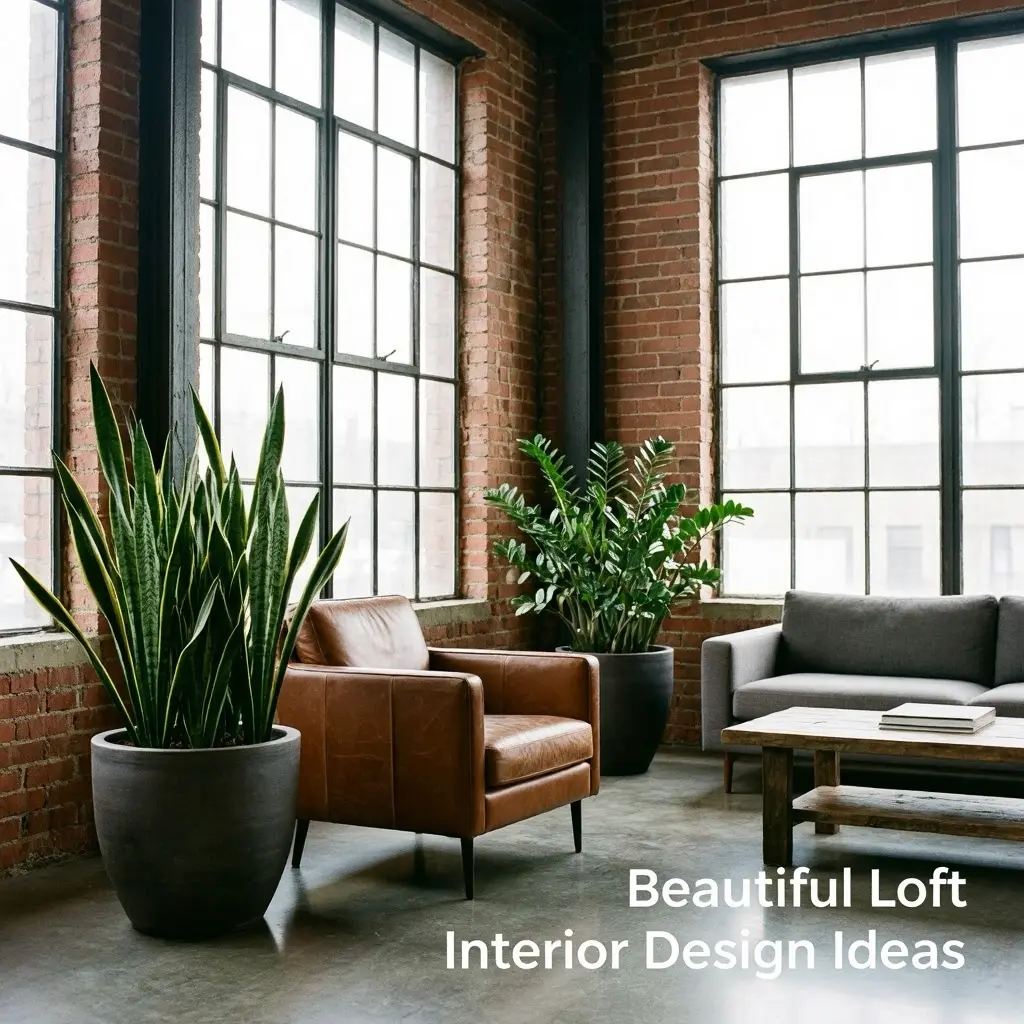
Lofts often have huge windows on one side and much darker interior zones elsewhere, so choosing plants suited to your actual light conditions matters more here than in a typical room. A large leafy plant near a window does real visual work in an open loft, filling vertical space in a way that smaller decor simply can’t at this scale.
8. Keep Some Imperfection Intentional Rather Than Erasing It
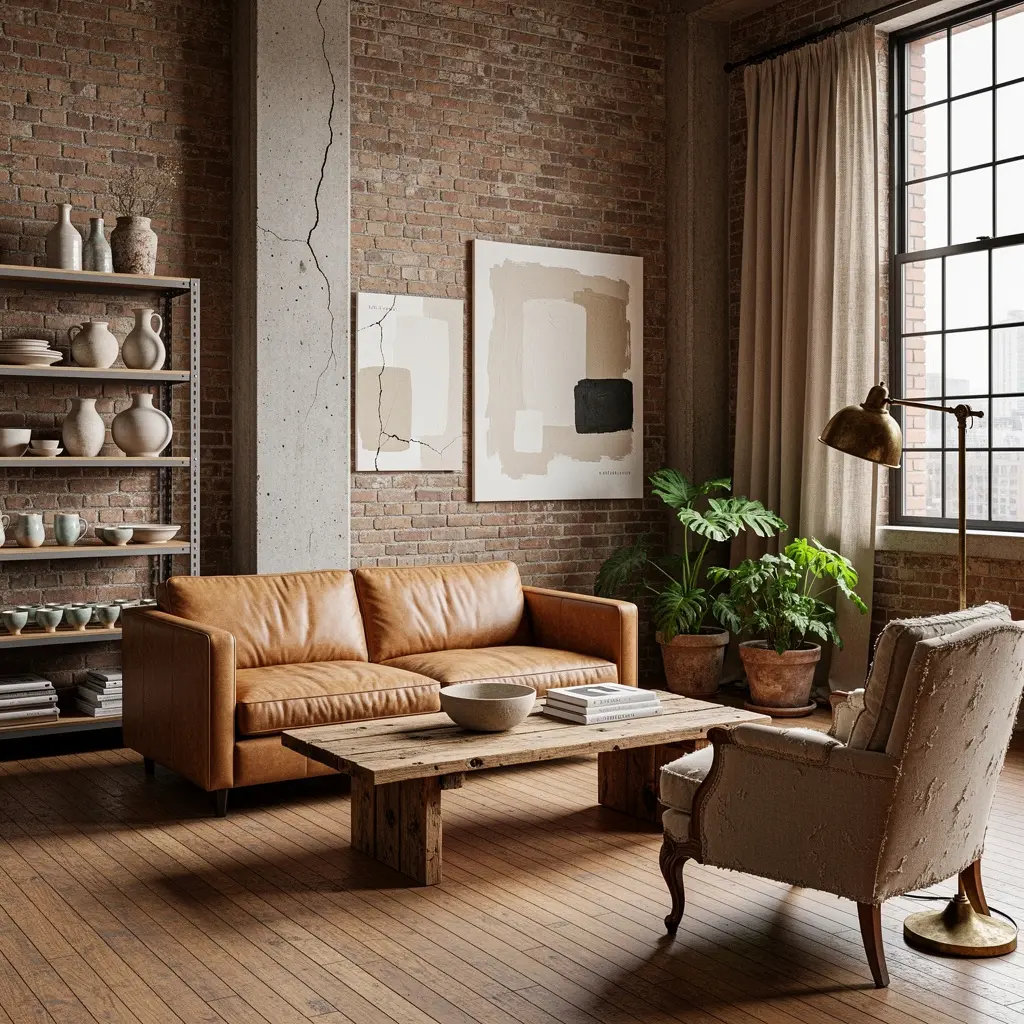
A lot of current loft styling leans into a curated, slightly imperfect look, a rug with an irregular edge, a stone table with a raw finish, rather than polishing every surface to a flawless shine. This “unfinished” aesthetic works well in a loft specifically because it echoes the building’s original industrial character instead of fighting against it.
9. Layer Vintage and Personal Objects for Warmth
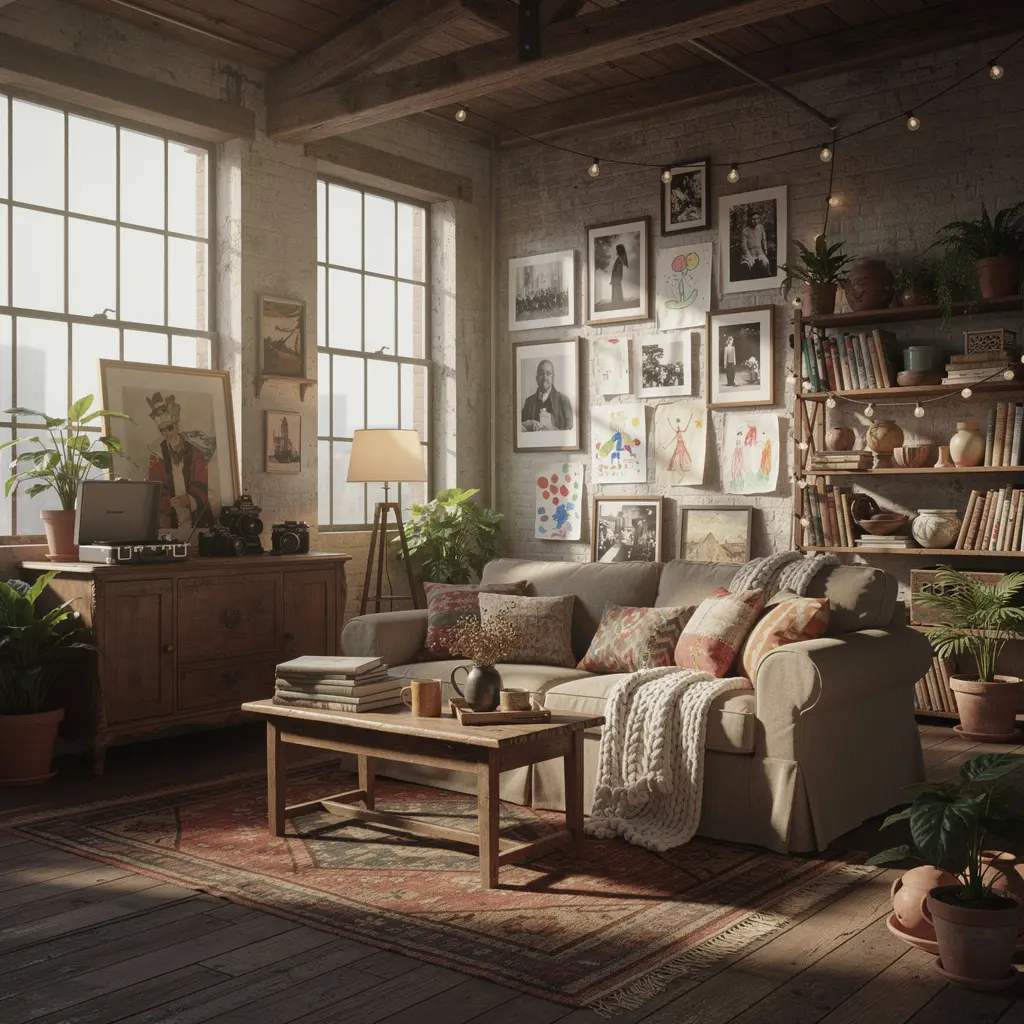
Books, personal photographs, and collected objects displayed thoughtfully throughout a loft counter the feeling of sterile perfection that a large, open industrial space can sometimes fall into. These personal touches are what turn a beautifully renovated space into somewhere that actually feels like home rather than a showroom apartment.
Where Personal Objects Read Best in an Open Layout
Open shelving near a seating area, or a small gallery wall on one of the loft’s more sheltered walls, gives these personal pieces a defined home instead of scattering them across open surfaces where they can get visually lost in all the square footage.
10. Use Furniture Placement to Create a Sense of Enclosure
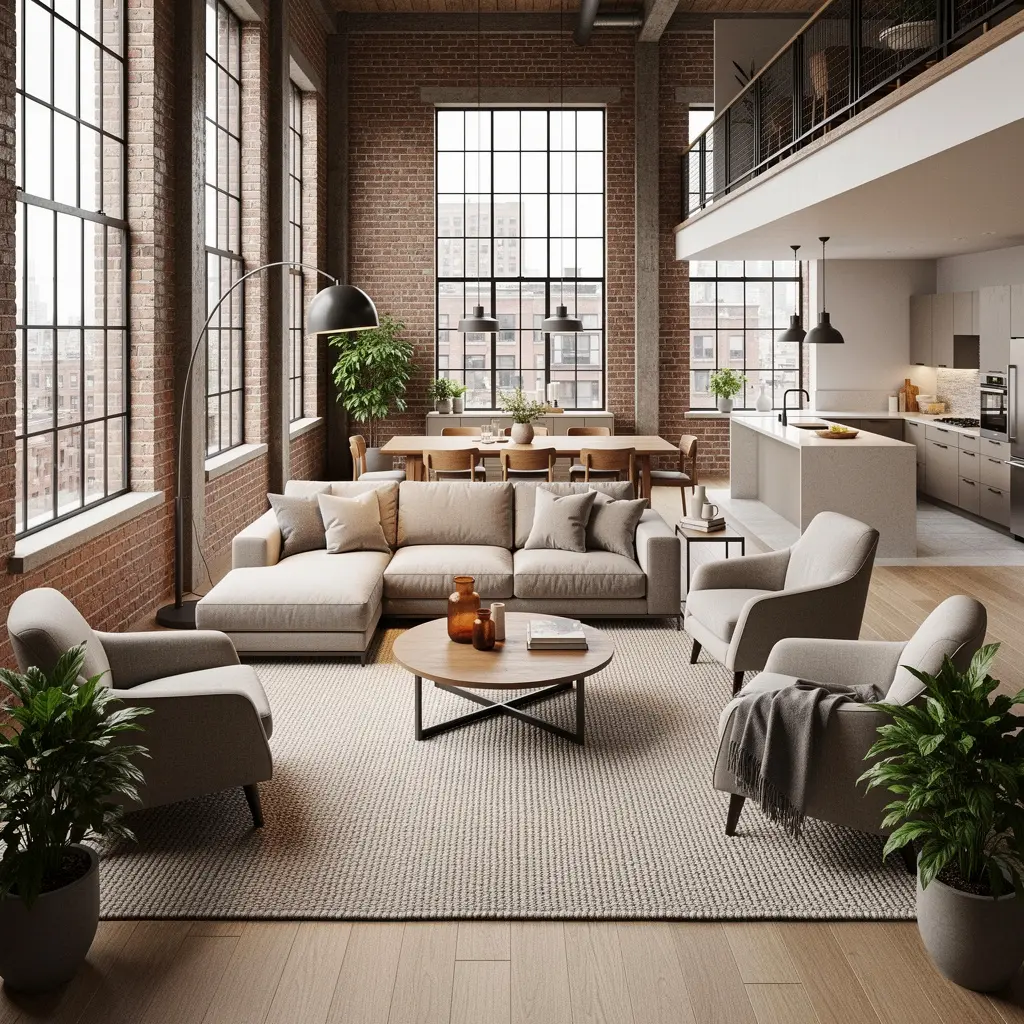
A completely open loft can feel a little exposed without some furniture arranged to create a sense of enclosure around key areas, particularly a bedroom nook or a reading corner. A tall bookshelf, a curtain, or simply the back of a sofa positioned to partially separate one zone from the rest of the room gives you pockets of coziness within the larger open space.
Mistakes to Avoid
- Sticking with cool grey tones throughout instead of shifting toward warmer greige and plaster finishes
- Filling the space with furniture that mirrors the same sharp, linear lines as the architecture itself
- Relying on a single overhead fixture in a space with high ceilings instead of layering in lamps and sconces
- Leaving an open floor plan completely undefined instead of using rugs to mark separate zones
- Polishing every surface to a flawless finish instead of allowing some intentional texture and imperfection
- Skipping personal objects and vintage touches entirely, which can leave a large loft feeling more like a showroom than a home
Frequently Asked Questions
What color palette works best for a loft in 2026? Warm greige, plaster white, espresso brown, and deep sage or olive green are current favorites, all chosen specifically to counteract the natural coolness of concrete and exposed brick.
How do I keep a loft from feeling cold and industrial? Warm up your color palette, add curved furniture to contrast the architecture’s straight lines, and layer in wood tones and personal objects rather than leaving every surface hard and uniform.
Do I need walls to define separate zones in an open loft? No. Large area rugs are usually enough to visually separate a living area from a dining area or workspace without sacrificing the open layout that makes a loft feel spacious in the first place.
What kind of lighting works best in a loft with high ceilings? Layered lighting at human height, floor lamps, table lamps, and wall sconces, does more for the mood of the room than a single overhead fixture, which tends to get visually lost in a tall, open space.
Is exposed brick still a good look for a loft in 2026? Yes, and it’s often paired with a softer tactile finish like limewash or plaster elsewhere in the room to create textural contrast rather than being replaced entirely.
Conclusion
Beautiful loft interior design comes down to balancing what the architecture already gives you, height, openness, industrial texture, with warmth you have to actively add: a softer color palette, curved furniture, layered lighting, and personal touches that keep the space from feeling like an unfinished shell. Start with your wall color and lighting, since those two changes affect how the whole space feels most immediately, then layer in furniture, textiles, and personal objects as the room comes together. The industrial bones are already doing half the work. Your job is just making sure the other half actually feels like home.

Leave a Reply