
You picked grey for your bedroom because it seemed like the safe, versatile choice, and now the room feels a little flat and hotel-like instead of the calm retreat you were actually picturing. That gap is one of the most common complaints about grey bedrooms, and it almost always comes down to lighting, texture, and undertone rather than grey being the wrong color choice in the first place. Grey bedroom ideas that actually feel warm and lived in lean on a few specific decisions that separate a cozy grey room from a cold one, and none of them require abandoning grey as your base color to get there.
1. Choose a Warm Undertone Grey Over a True Cool Grey
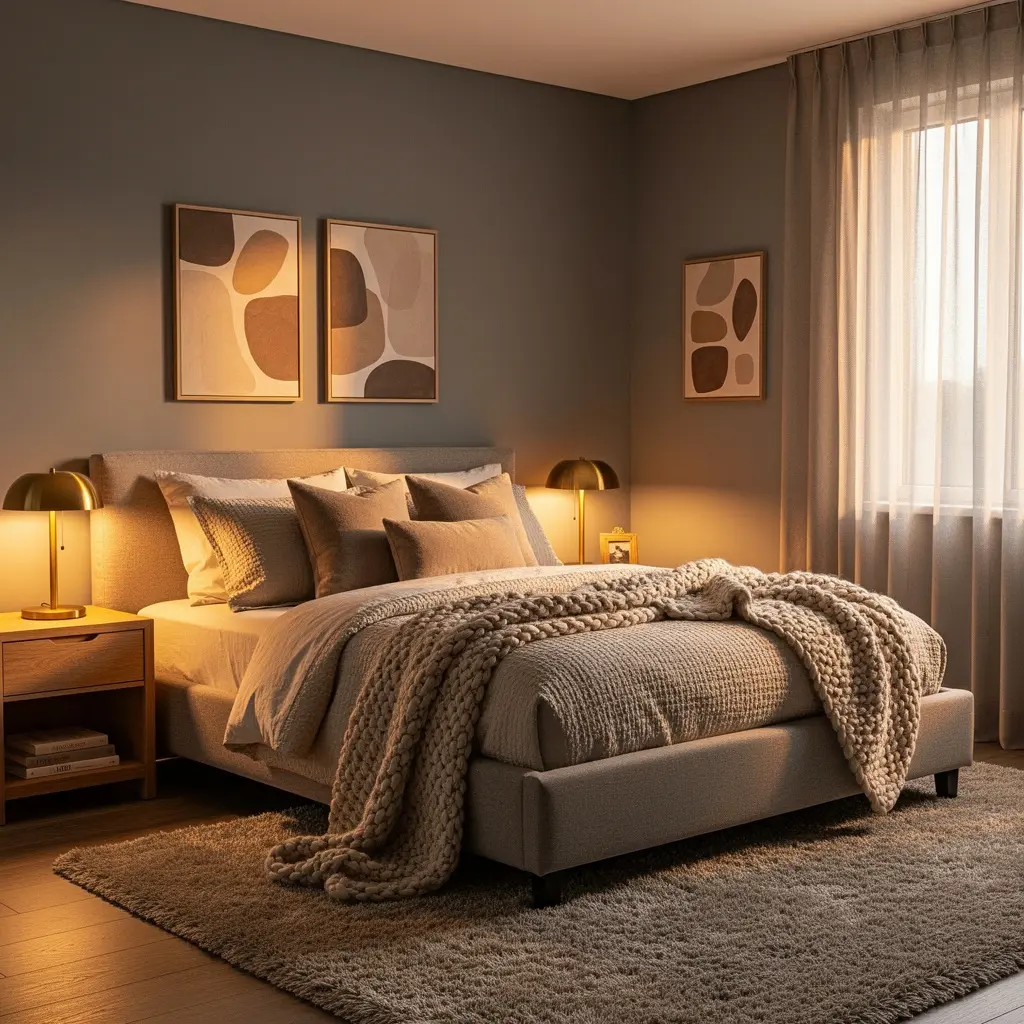
Not all greys behave the same way on a wall. A grey with a slight warm undertone, sometimes called a greige, reads as considerably cozier than a true, cool toned grey, especially in a room without a lot of natural light. Testing paint samples on your actual bedroom wall at different times of day matters here, since a grey that looks warm in a paint store can shift noticeably cooler once it’s up in your specific lighting.
Why Grey Shifts So Much Depending on the Light
Grey is one of the more light reactive colors you can choose for a wall. Soft morning light can make it feel airy and open, while the same wall under warm evening lamp light can read as moody and cocooning. This sensitivity is actually an advantage once you understand it, since it means a grey bedroom can genuinely shift mood throughout the day rather than looking flat and static all the time, going from calm and airy in the morning to something considerably more intimate once the lamps come on at night.
2. Layer Warm Lighting and Use Dimmers
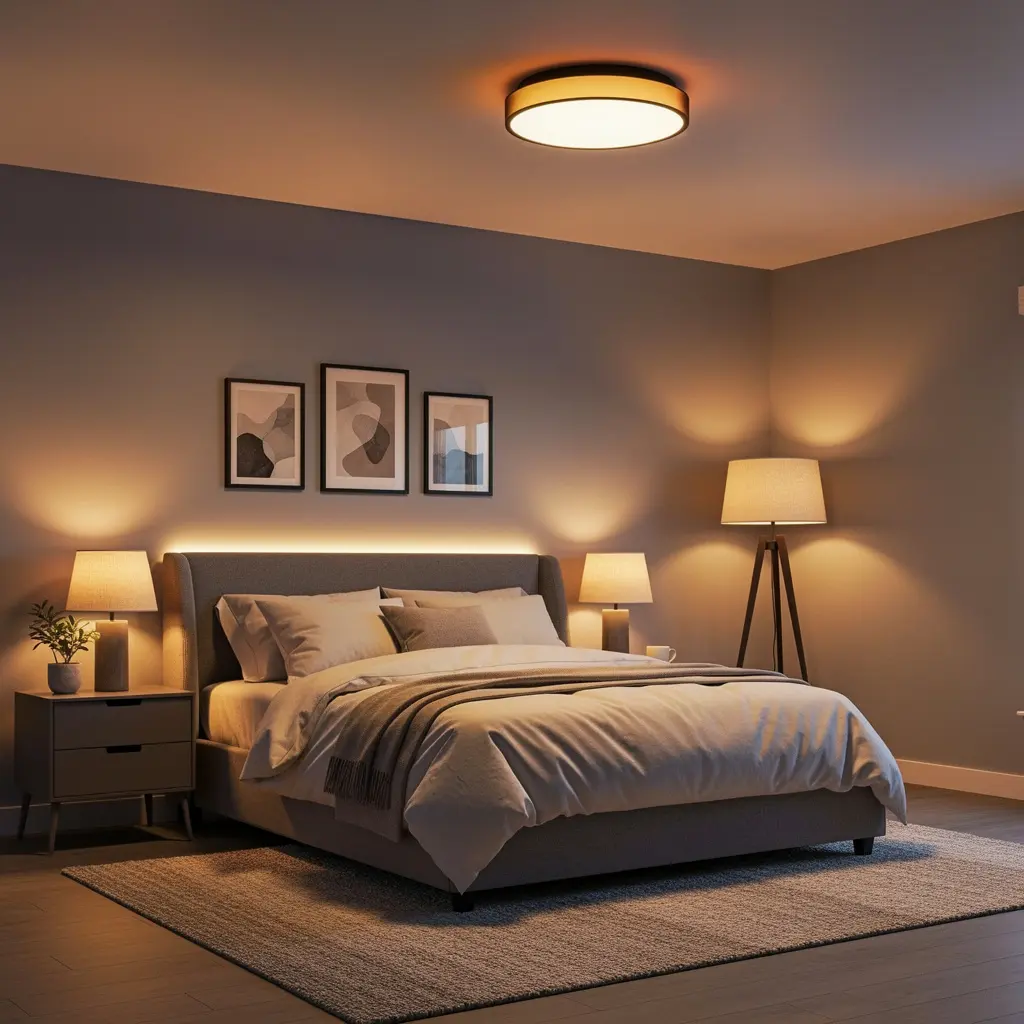
Cool LED bulbs are one of the fastest ways to make a grey bedroom feel institutional rather than restful. Sticking to warm white bulbs, generally in the 2700K to 3000K range, keeps grey feeling cozy rather than cold, and adding dimmers lets you shift the room’s mood from bright and functional during the day to soft and relaxed at night, which matters more in a grey room than almost any other color since grey is especially sensitive to the temperature and intensity of whatever light happens to be hitting it.
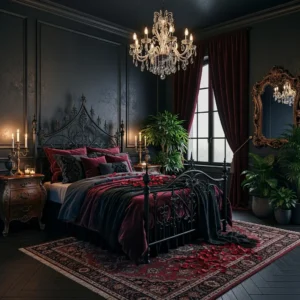

3. Bring In Cream and White Textiles to Soften the Contrast
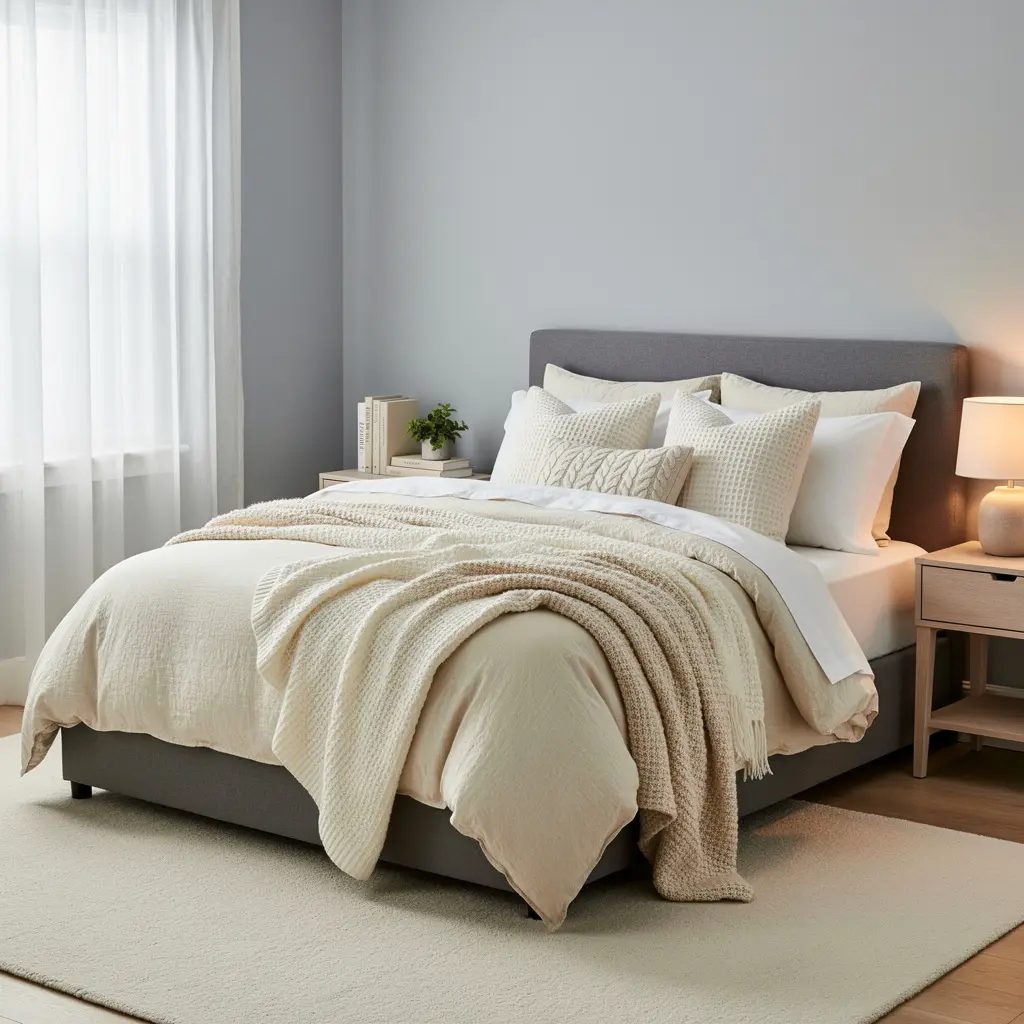
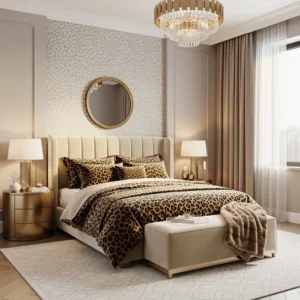
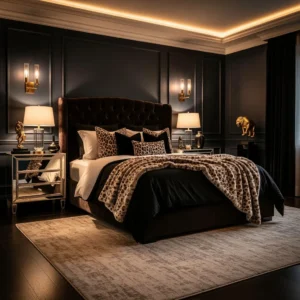
Pairing grey walls with crisp white or soft cream bedding creates a calm, layered look that keeps the room from feeling like one flat block of a single color. This combination shows up constantly in grey bedrooms that read as inviting rather than sterile, mostly because the cream or white breaks up the grey and adds a lighter, airier note to balance it, keeping the whole palette from tipping into something that reads as heavy or monotone.
4. Add Warm Wood Furniture Instead of Cool Metal or Glossy Finishes
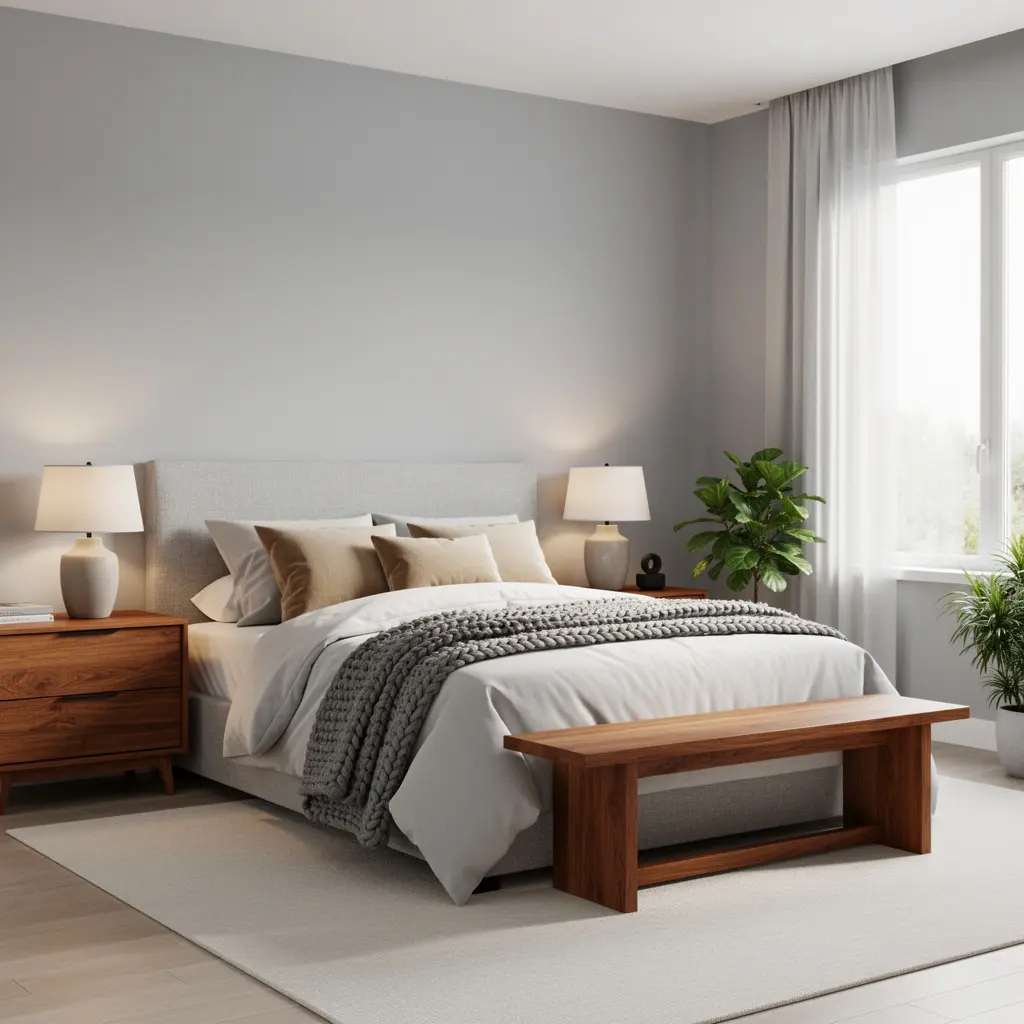
Wood nightstands, a wood bed frame, or simple wood shelving warm up a grey room in a way that glossy or metallic finishes generally don’t. This pairing, grey walls with warm, natural wood tones, is one of the most consistently recommended combinations in current grey bedroom styling, since the wood grounds the room and keeps it from feeling too polished or cold, and it tends to age far better over the years than a trend driven metallic or lacquered finish would.
5. Use Layered Textiles for Physical and Visual Warmth
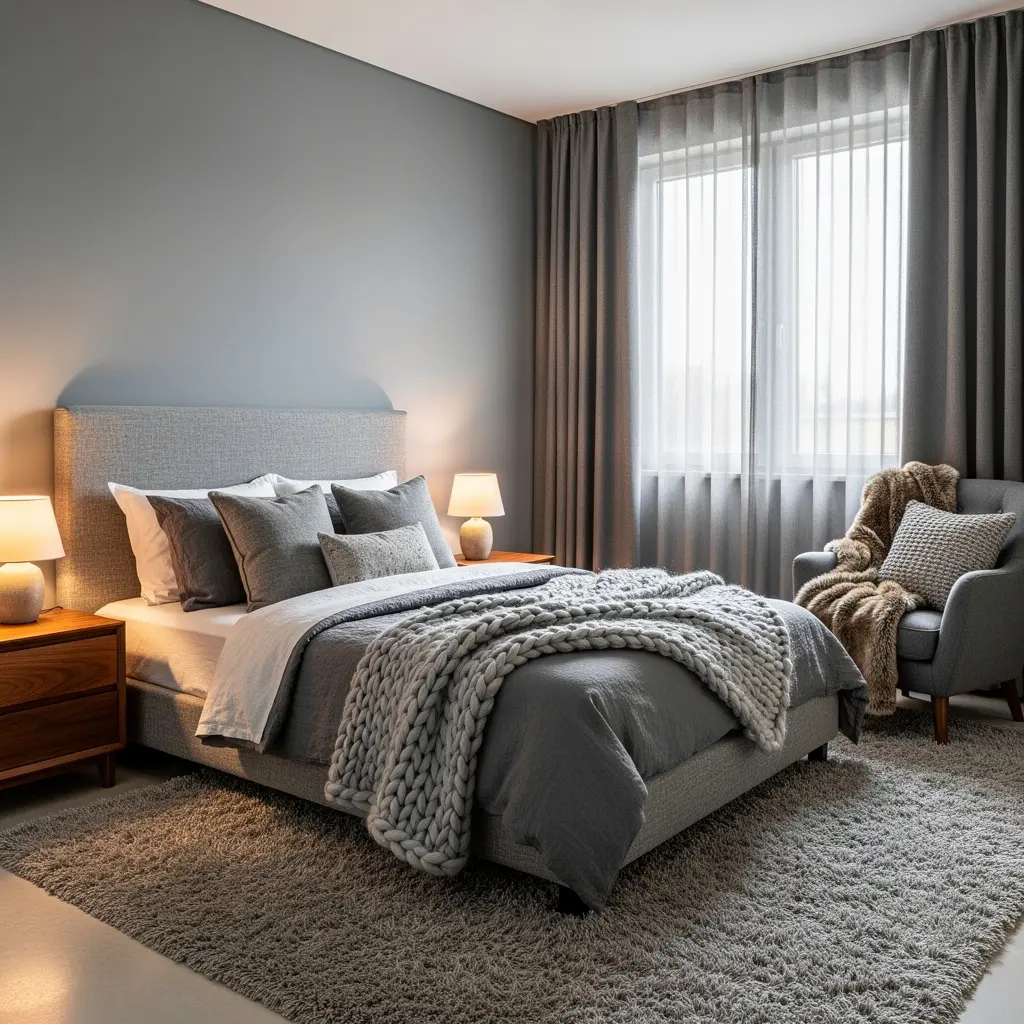
A chunky knit throw, a textured wool rug, and a couple of pillows in varying fabrics all add tactile warmth that a flat grey palette alone can’t provide. Grey bedrooms respond especially well to this kind of textile layering, since the neutral base color gives texture more room to actually stand out and do its work, rather than competing with a bolder wall color for attention.
A Simple Layering Formula
A smooth grey duvet, a chunkier knit throw folded at the foot of the bed, and two or three pillows in slightly different textures, linen, velvet, boucle, is a formula that consistently reads as cozy rather than cluttered in a grey room.
6. Bring in a Small Amount of Bold or Warm Accent Color
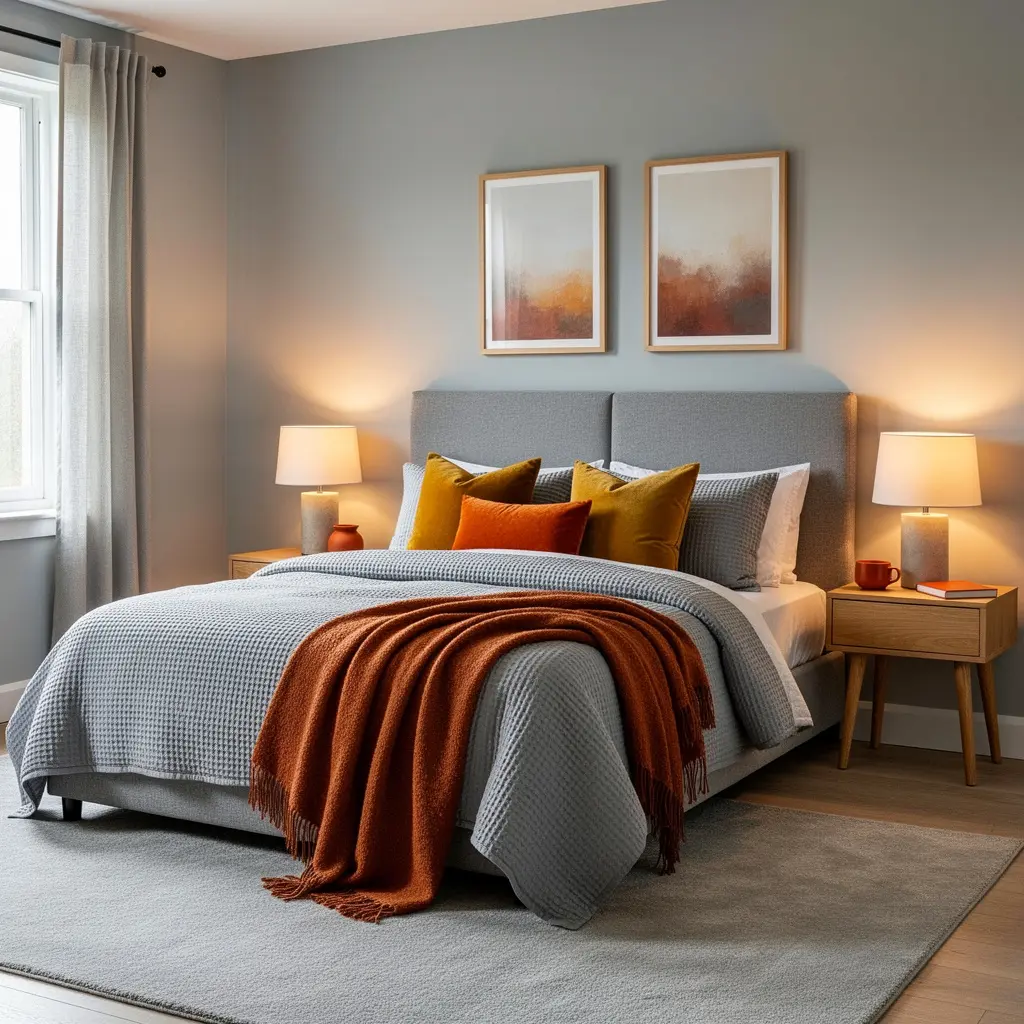
Grey pairs naturally with almost any accent color, so a soft pink, a warm mustard, or a deep navy worked in through pillows, art, or a small accent chair keeps an all grey room from feeling one note. Even a single accent color in modest doses adds a personality that a purely neutral room can otherwise lack.
7. Add Brass or Gold Metal Accents for Warmth
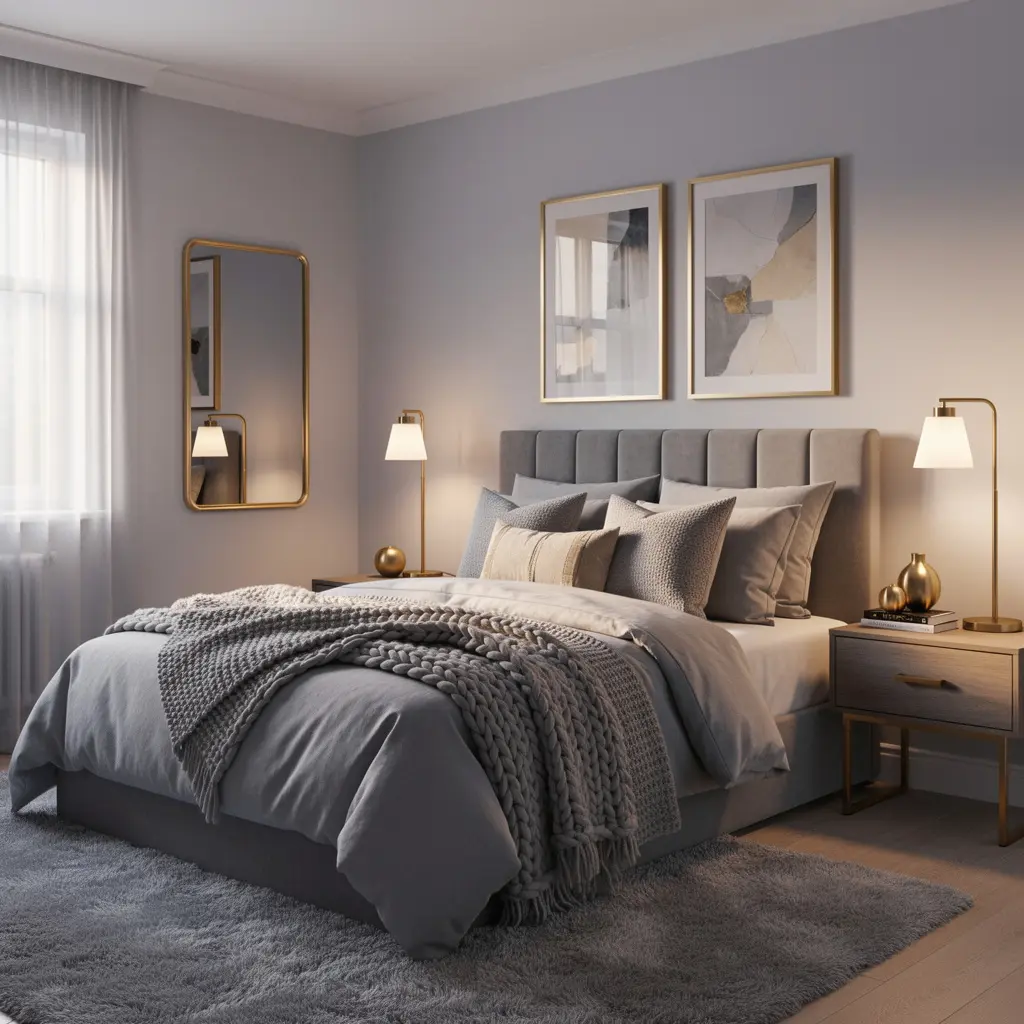
Cool metals like chrome or nickel can push a grey room further into cold territory, while warm metals like brass or gold balance it out considerably. A brass floor lamp, gold picture frames, or brass drawer pulls on a nightstand are small details that make a noticeable difference in how the whole room reads once they’re in place, and they’re also some of the least expensive upgrades available if you’re working with a limited budget.
8. Choose a Textured Wallpaper Instead of Flat Paint on One Wall
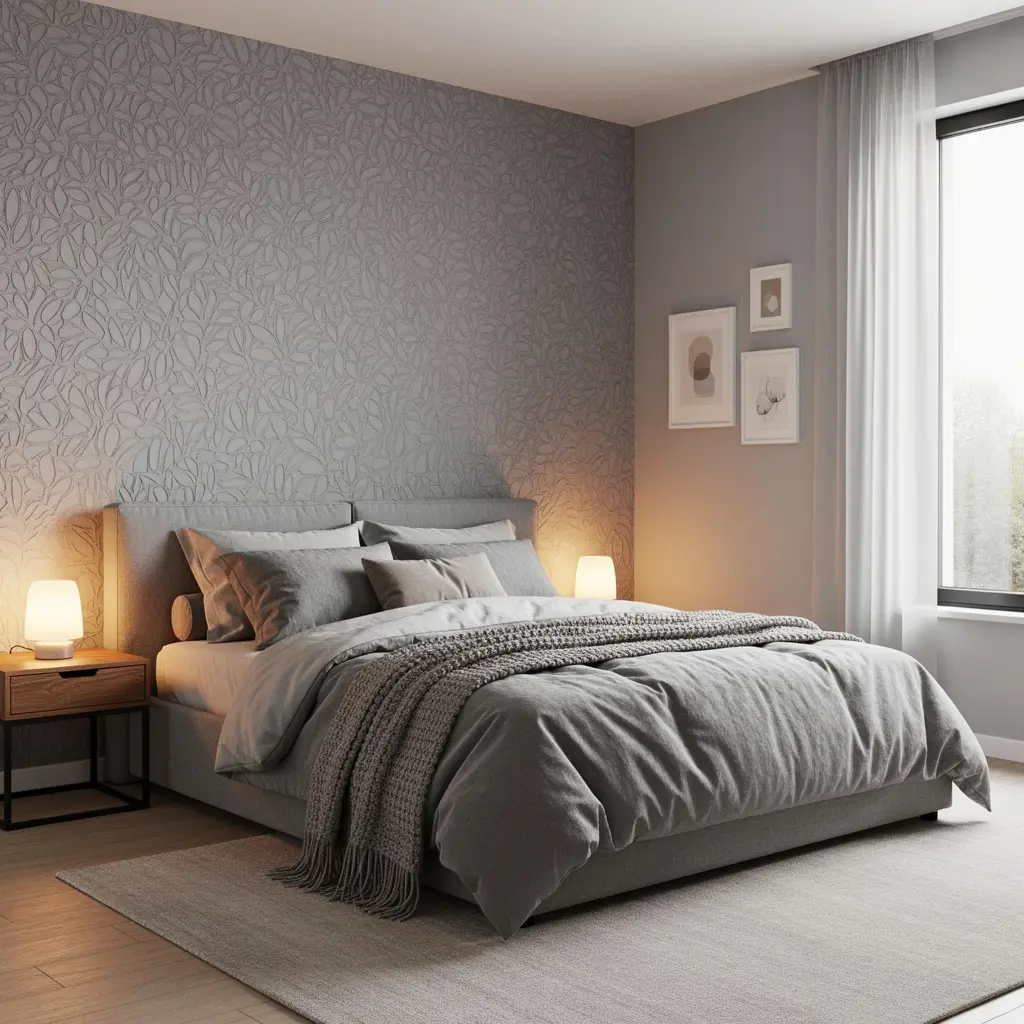
A textured or subtly patterned wallpaper in a grey tone adds depth and visual interest that flat paint alone can’t achieve, especially on a wall behind the headboard where it becomes the room’s natural focal point. This is a lower commitment way to add pattern and texture to a grey bedroom without introducing an entirely new color into the palette.
9. Vary the Shade of Grey Across Different Elements
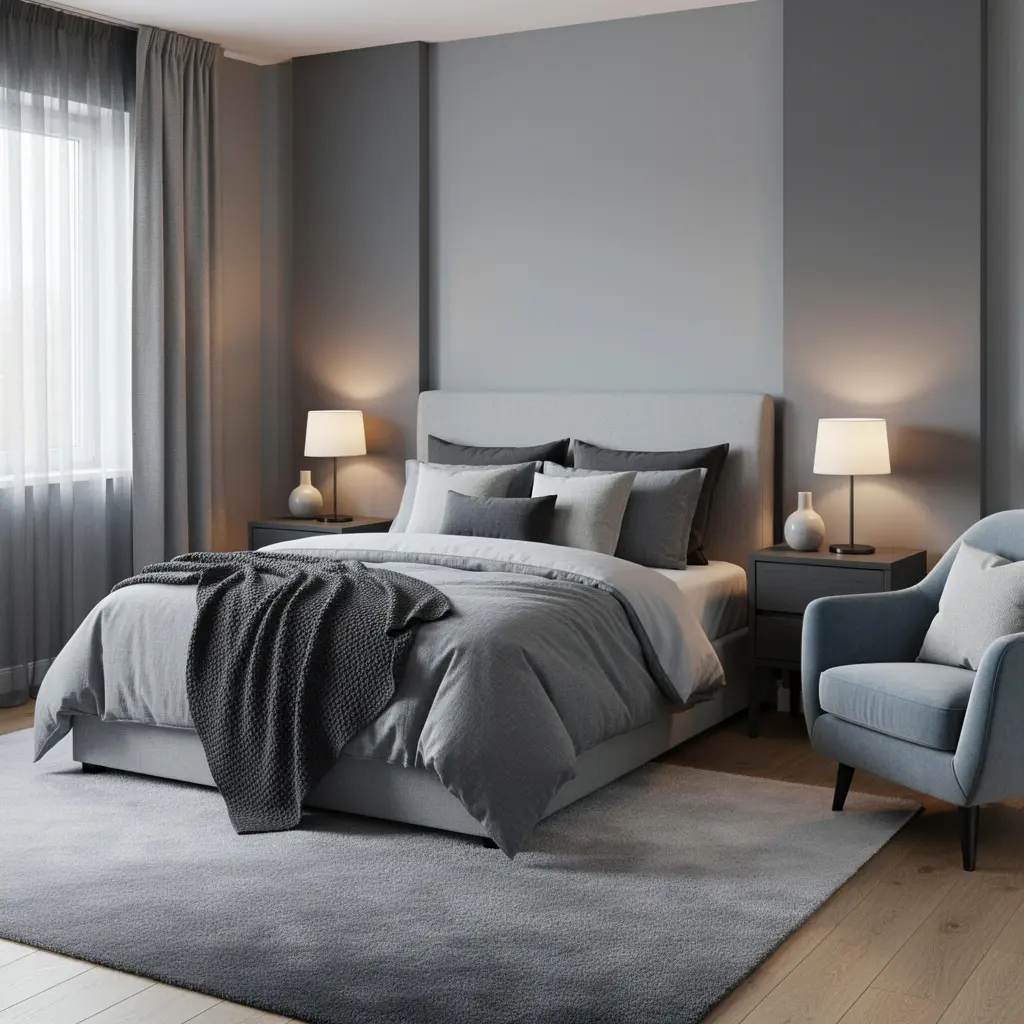
Using several different shades of grey throughout the room, a charcoal accent chair, a mid tone grey wall, a pale grey rug, creates depth the same way layering tones does in any monochromatic color scheme. A single flat shade of grey repeated on every surface tends to feel considerably more static than a room built from several tones working together.
10. Add Plants for a Living, Organic Element
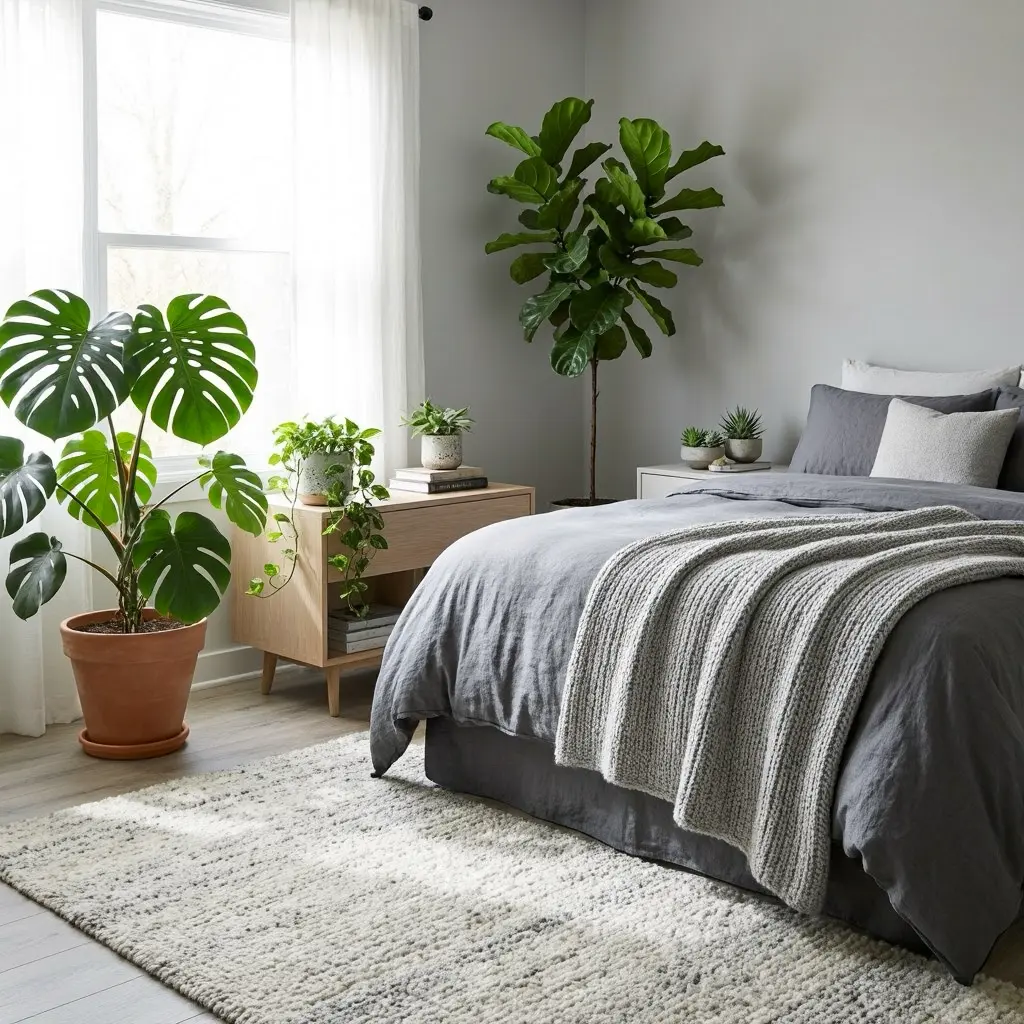
A grey room, being entirely neutral by nature, benefits a lot from the contrast a plant provides, since green is one of the few colors that sits comfortably against nearly every shade of grey without ever feeling out of place. A leafy plant on a dresser or in a corner adds a genuine pop of color and texture that a purely grey and neutral palette can’t achieve on its own, and it keeps the whole space from feeling too monochromatic or controlled, adding a small, low effort detail that makes the room feel considerably more alive.
Mistakes to Avoid
- Choosing a true, cool toned grey for a room without much natural light, which tends to read as flat and institutional
- Relying on cool white LED bulbs instead of warm white bulbs in the 2700K to 3000K range
- Pairing grey only with other cool tones instead of adding cream, white, or warm wood to balance it
- Skipping textured textiles entirely and relying on flat, smooth fabrics throughout the room
- Using cool metals like chrome or nickel instead of warmer brass or gold accents
- Sticking to one single flat shade of grey everywhere instead of layering charcoal, mid tone, and pale grey together
Frequently Asked Questions
What’s the warmest shade of grey for a bedroom? Greys with a subtle warm undertone, often called greige, tend to feel cozier than true, cool toned greys, especially in rooms without a lot of natural light.
How do I keep a grey bedroom from feeling cold? Layer in warm lighting with dimmers, add cream or white textiles, bring in warm wood furniture, and use brass or gold accents instead of cool metals throughout the room.
What colors pair well with grey in a bedroom? Cream, white, warm wood brown, and small accent colors like soft pink, mustard, or navy all pair well with grey, adding warmth and personality without overwhelming the neutral base.
Does grey work well in a small bedroom? Yes, especially lighter or mid tone greys paired with cream and warm wood, which keep a small space feeling open rather than closing it in the way a very dark palette can.
Do I need to stick to one shade of grey throughout the room? No. Layering two or three different grey tones, a charcoal accent chair, a mid tone wall, a pale grey rug, actually reads as more intentional and adds depth compared to a single flat shade everywhere.
Conclusion
A grey bedroom feels cozy instead of cold when the grey itself leans warm and gets paired with genuinely warm elements throughout the room: wood furniture, brass accents, layered textiles, and warm, dimmable lighting. Start with your undertone and your lighting temperature, since those two choices affect the room’s mood the most, then build texture and personality in gradually through fabrics, accent colors, and a few personal touches. Grey is genuinely one of the most flexible base colors available, and it rewards exactly this kind of patient, layered approach.

Leave a Reply